

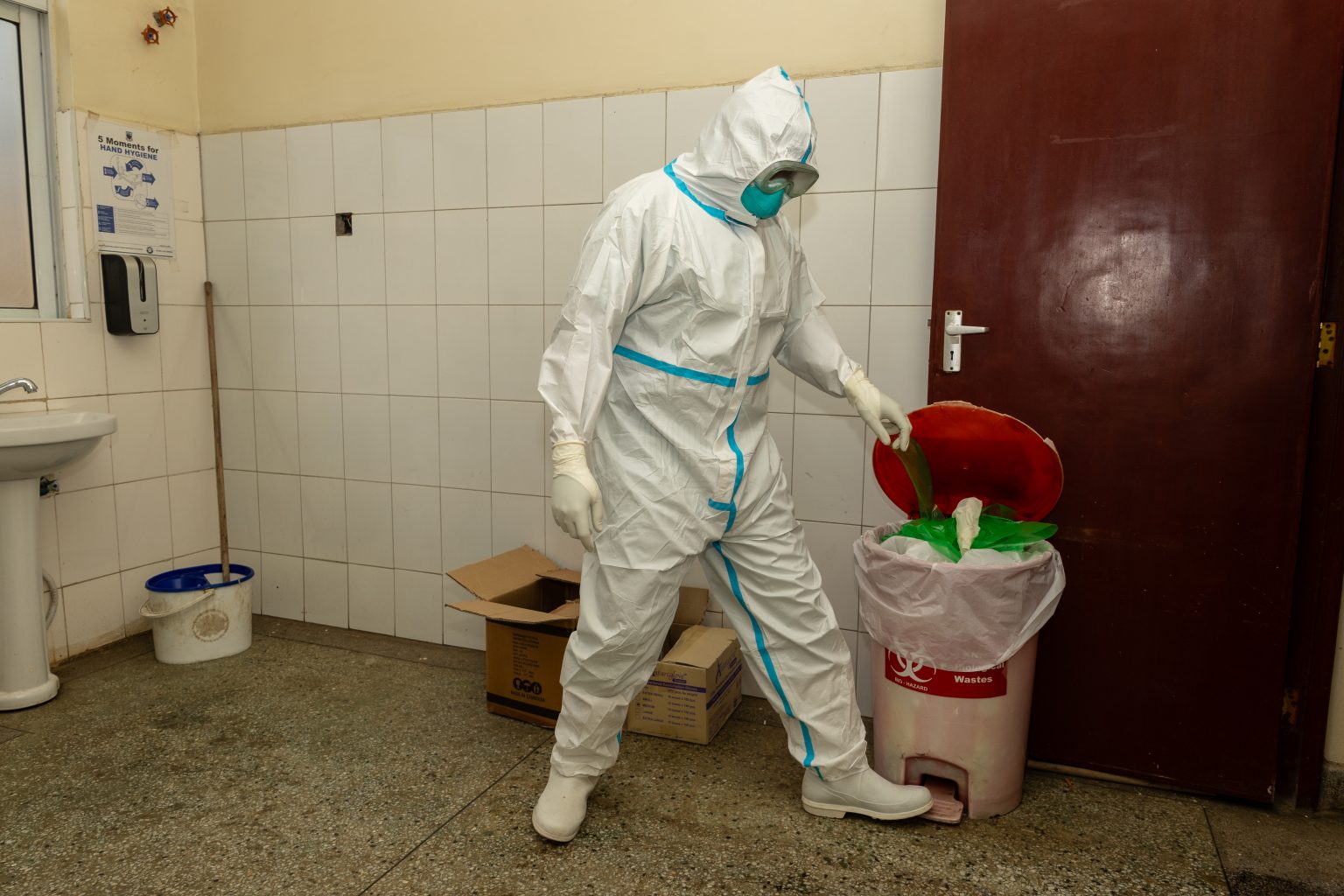

When Bundibugyo virus disease reached Kenya from the DRC, authorities traced and quarantined 135 contacts, keeping all nine infections within one known cluster, but sustained vigilance at open borders, community trust and dignified care remain essential to holding the line.
Kenya’s first case of Bundibugyo virus disease (BVD), the strain of Ebola now spreading across the region, arrived from the Democratic Republic of Congo (DRC) in early October. Health authorities moved fast, tracing 135 contacts, placing all of them in quarantine and keeping the infection inside that circle.
By Monday, November 2, 2026, Kenya had recorded no community transmission. Nine people had been infected, two had died, and the remaining seven were responding well to treatment.

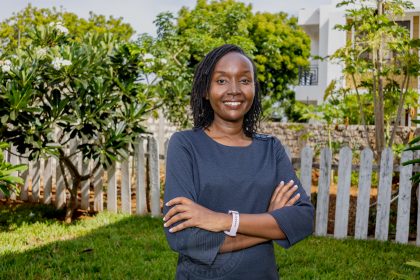
“There’s been no community transmission of the Ebola virus in Kenya, and it’s been contained in those contacts that have been known,” said Dr Mercy Korir, Founder and CEO of Willow Health Media.
Dr Korir was speaking on TRT World’s current affairs programme The Newsmakers, hosted by Andrea Sanke. She joined a panel with Dr Joanne Liu, former international president of Médecins Sans Frontières (MSF) and author of ‘Ebola, Bombs, and Migrants’, and Daniel Bausch, visiting professor in Global Health at the Geneva Graduate Institute. Korir credited Kenya’s containment to rapid contact tracing, close monitoring and community cooperation.
Kenya’s record stands out against a grim backdrop. The outbreak began in May in the DRC’s eastern region, an area scarred by armed conflict, displacement and hunger. It has since killed over 5,000 people in the DRC and infected more than 10,000, according to the country’s health authorities, making it the deadliest in the country’s history. Uganda and Nigeria have also recorded cases.
No vaccine has yet been approved for Bundibugyo, although trials are underway
Dr Liu called conditions in the DRC “one of the worst type of cocktail of things that can happen”, citing insecurity, rebel groups, mobile and displaced populations and deep mistrust of the authorities. “This is the fastest-growing Ebola outbreak in human history,” she said. It reached 10,000 infections 2.7 times faster than the 2014 -2016 West Africa epidemic.
No vaccine has yet been approved for Bundibugyo, although trials are underway. Depending on the virus, between 20 and 50 per cent of people infected with illnesses of this kind die.

“The government quickly was able to get all the contacts, all 135 of them, into quarantine and monitor those that were in quarantine regularly, checking for any signs and symptoms,” Korir said.
Health workers tested anyone who developed symptoms, diagnosed positive cases early and started them on treatment. People with BVD received supportive care. Rwanda donated remdesivir antivirals to Kenya, and clinicians also administered monoclonal antibodies. At the latest government update, some people with BVD had returned a first negative test and were awaiting a second.
“Of the nine people who had Ebola, two, unfortunately, have succumbed, but the other seven are responding very well,” Korir said.
The World Health Organization (WHO) confirmed Kenya’s first case on October 6. On October 26, it reported that all nine cases formed one connected cluster and that 20 contacts had completed quarantine.
Bausch agreed. “If you look at the imported cases, actually, they’ve been handled very well,” he said, citing Kenya, Nigeria and France. “This is not an easy disease to catch.”
Concealed contacts leave exposed people unidentified and allow transmission to continue
Containing one chain of transmission leaves Kenya exposed to the next. Korir pointed to the constant movement of people between Kenya, Uganda and the DRC.
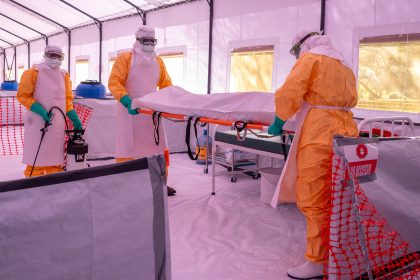
“We still remain at risk because we have open borders between Kenya, Uganda, DRC, and we could get another imported case,” she said.
Health authorities must therefore stay alert, identify suspected cases early and ensure that anyone with symptoms receives prompt testing and treatment. “Hopefully, the surveillance systems and the disease tracking would be able to respond as quickly as they did with the first case,” Korir said.
Beyond government action, Korir stressed, tracing relies on communities disclosing whom they have met. “Contact tracing is 100% important so that you’re able to know everyone,” she said. “If the community is not telling the officials and the authorities that these are the people I’ve come in contact with, there are those who will be missed.”
Concealed contacts leave exposed people unidentified and allow transmission to continue. The danger multiplies when someone dies at home. “By the time somebody is dying at home, you can imagine the whole family has been there taking care of them,” she said.

The DRC shows the cost. Liu cited a recent briefing showing that 60 per cent of deaths there still occur in communities, outside Ebola treatment centres, which speeds transmission.
Korir tied cooperation directly to dignity, stating that fear, stigma and misinformation keep people away and weaken even a well-organised response. Drawing on lessons from Covid-19, she said people judge quarantine and isolation by how they are treated there.
If somebody feels that they will not be taken care of in a treatment or quarantine centre as they would be at home, “then chances are people will not want to go,” she said.
Insecurity forces responders to evacuate mid-operation, and people withhold the names of their contacts
Burial poses the hardest test. The bodies of people who have died of BVD remain highly infectious, so safe burial is vital, yet grieving families need room to honour their cultural and religious practices. “When people die, are they allowed to be mourned and buried in dignity? Because that really matters,” Korir said.
Briefings with the Africa Centres for Disease Control and Prevention (Africa CDC), she added, point to two obstacles in the DRC. Insecurity forces responders to evacuate mid-operation, and people withhold the names of their contacts. “There’s a lot more that needs to be done if this current epidemic is to be contained,” she said.

Ebola spreads through direct contact with the blood and bodily fluids of a person who is ill, handling contaminated materials, and through unsafe handling of bodies during burial.
“It’s not transmitted casually by walking by a room or anything like that where someone is sick,” Bausch said. Liu added that the virus showed no significant mutation across more than 28,000 cases in West Africa. Accurate public knowledge reduces needless fear, curbs stigma and encourages people who may have been exposed to seek care.
The panel’s recommendations converged on two principles: that the response must reach the epicentre, and it must belong to the people it serves.
Ring vaccination, which protects the contacts of each confirmed case, relies on the same contact tracing that stigma undermines
Liu urged the world to fight the outbreak at its source, in Ituri, North Kivu and the roughly 67 health zones now reporting cases. She dismissed the idea of “barricading ourselves somewhere like in Canada, in Europe” and called on affected communities to own the response, from safe funerals to testing and contact tracing.
Bausch expects a vaccine in “at least quite a few months” but warned that delivery will determine its value. “It’s not about vaccines, it’s about vaccinations,” he said, echoing a lesson from Covid-19.

Ring vaccination, which protects the contacts of each confirmed case, relies on the same contact tracing that stigma undermines. In a previous outbreak in the region, he recalled, a matched vaccine still left an epidemic lasting more than two years and infecting more than 3,000 people.
Korir’s prescription centres on ownership and dignity. Communities must help trace contacts and accept quarantine, and treatment centres must earn that trust through humane care.
Kenya, meanwhile, must sustain contact tracing, surveillance, testing and rapid response while the outbreak continues next door, give health workers adequate protective equipment and resources, and give communities accurate information on prevention and transmission.
Kenya’s experience offers three lessons: to identify contacts early, provide appropriate and dignified care, and build community trust, which together ensure that no potential case goes undetected.