

The forum brings together researchers, innovators, investors, donors, incubators and technology hubs, alongside fellows, mentors and coaches, to strengthen the pipeline from research and innovation to lasting impact.
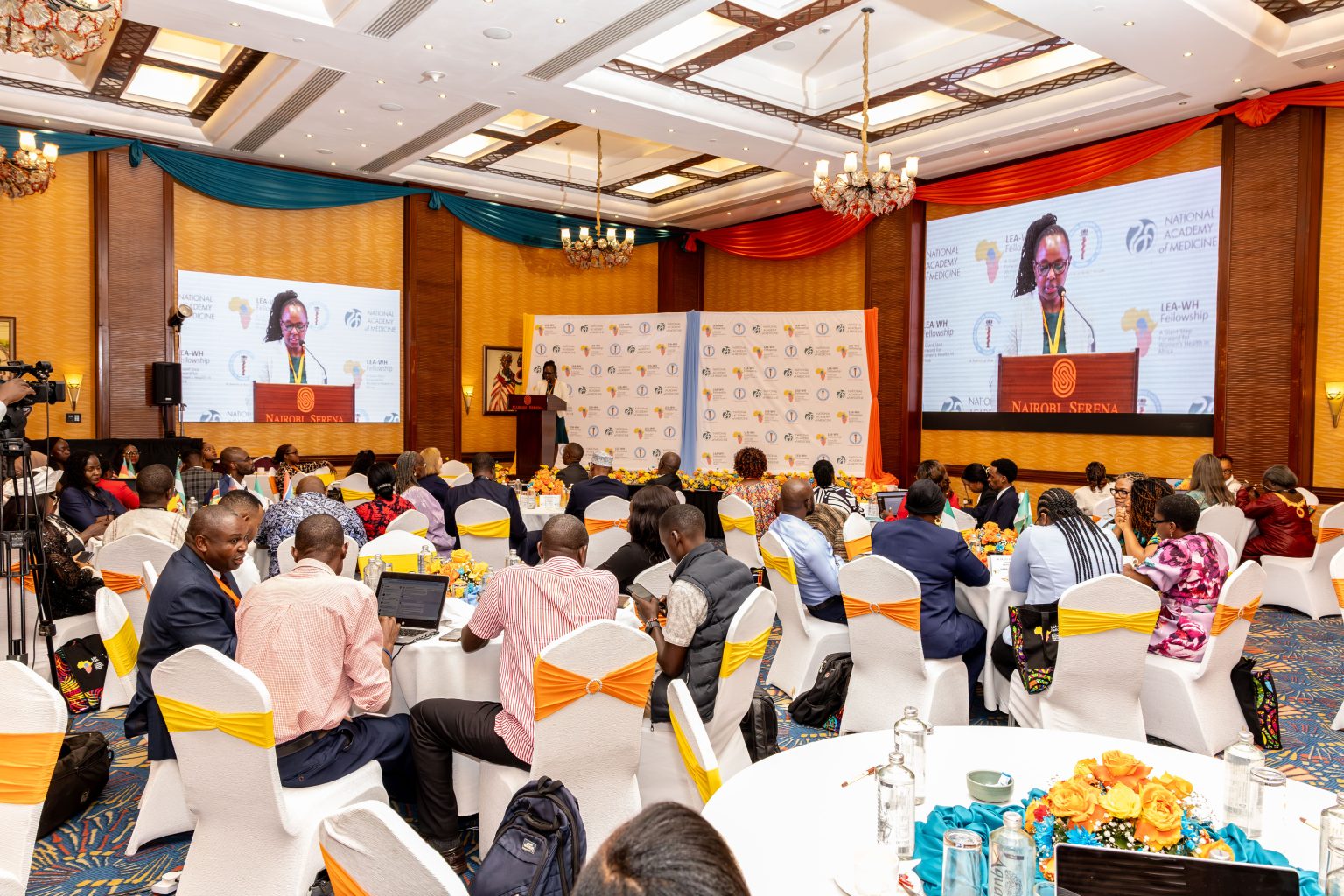
On the morning of November 3, 2026, the institutions shaping Africa’s women’s health agenda gathered under one roof at the Nairobi Serena Hotel. At the centre of proceedings stood Dr Mercy Korir, Chief Executive Officer and Editor-in-Chief of Willow Health Media, who moderated the opening ceremony and plenary of the Women’s Health Ecosystem Forum (WHEF) 2026.
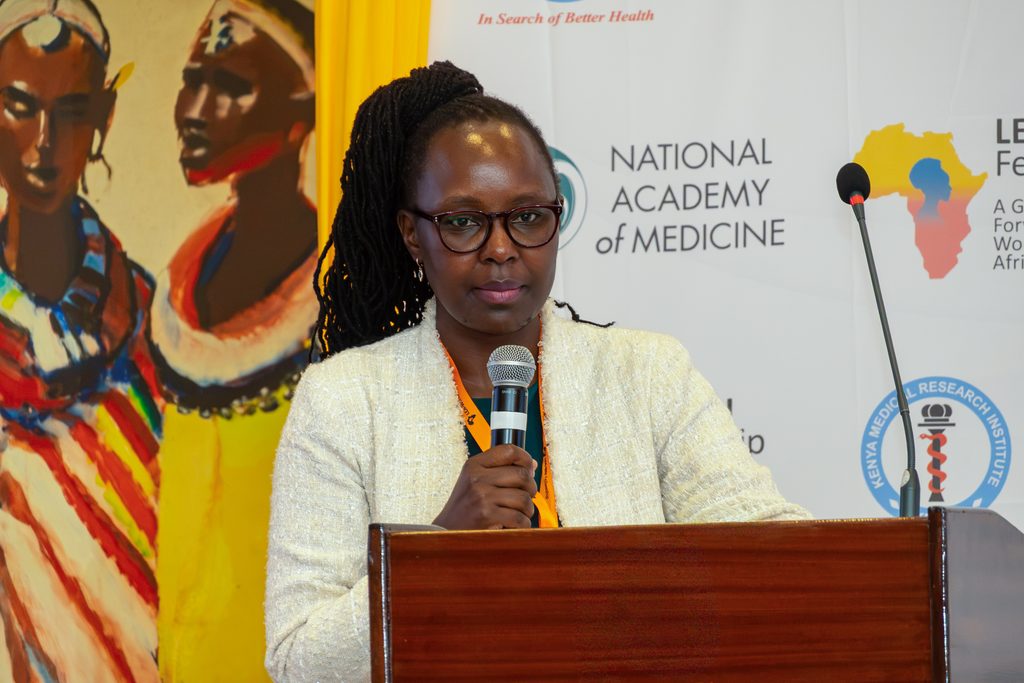
The line-up she steered reflected the breadth of the partnership behind the forum. Dr Martin Bundi introduced the leadership of the Kenya Medical Research Institute (KEMRI), and LEA-WH Programme Director Prof Elizabeth Bukusi delivered the welcome speech.
Also present at the high-level forum were KEMRI Director General Prof Elijah Songok, Board Chair Dr Abdullahi Ali, and Kelly Robbins, who spoke for the US National Academy of Medicine (NAM). Prof James Kiarie addressed the plenary on behalf of the World Health Organization (WHO), and Dr Paulin Basinga of the Gates Foundation delivered the keynote address.
Dr Korir highlighted the importance of the gathering and what it means for Africa’s women’s health sector. Her role placed Willow Health Media at the heart of a conversation where science, policy and investment meet. Willow has followed the fellowship at the core of the forum since its inaugural cohort began its immersion week in Nairobi in May.
The forum centres on the Leadership for Innovation and Excellence in Accelerating Research on Women’s Health Fellowship
This year’s theme, “Building Africa’s Women’s Health Ecosystem: Connecting Research, Innovation and Investment”, captures that meeting point. Running from November 2-5, WHEF convenes researchers, innovators, investors, donors, incubators and technology hubs to strengthen the pipeline from evidence to investment to impact. A pre-conference leadership workshop for fellows opened the week on November 2.
The forum centres on the Leadership for Innovation and Excellence in Accelerating Research on Women’s Health (LEA-WH) Fellowship, a 12-month capacity-building programme. KEMRI hosts the fellowship in collaboration with NAM, and the Gates Foundation funds it. Alongside the KEMRI leadership, the forum brings together the fellows, their mentors and coaches to explore how strong research and innovation can become lasting impact.
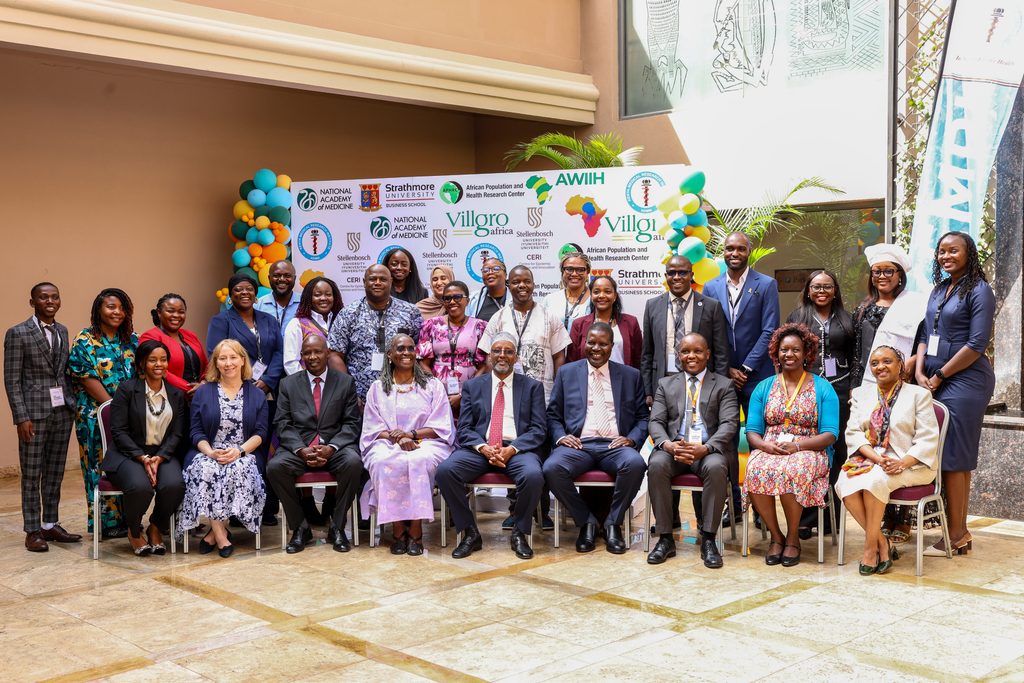
The 20 fellows come from Botswana, Cameroon, Ethiopia, The Gambia, Ghana, Kenya, Malawi, Nigeria, South Africa, Uganda and Zimbabwe. Twelve in the Reproductive Health Research track are building the evidence, while eight in the Product Development and Innovation track are turning ideas into solutions women can use.
Their research spans sexually transmitted and reproductive tract infections, the vaginal microbiome, cervical cancer and human papillomavirus (HPV), menstrual health, endometriosis and menopause. Together, the two tracks show what a connected women’s health ecosystem looks like.
Prof Bukusi put the stakes plainly: “Whenever we lose a woman, we lose the glue that holds a family together,” she said. “That is why LEA-WH is important.”