


Mobile clinics, AI-powered self-care, health insurance reforms and genomic surveillance took centre stage at the 11th Future of Health Conference in Abuja, where experts stressed the need to demonstrate their impact on health outcomes.
A mobile clinic can carry screening services to a remote community; an artificial intelligence chatbot can coach a patient through a chronic illness, and a health insurance card can promise protection from crippling medical bills. Each is a genuine advance, yet none answers the question that matters most: Is it making people healthier and saving lives?
That question ran through the 11th Future of Health Conference, held in Abuja, Nigeria, on October 29, 2026 under the theme “From Innovation to Impact: The Future of Health Is Now”. Speakers from healthcare, research, technology and public health urged African countries to stop measuring innovation by its novelty and start measuring it by its results.
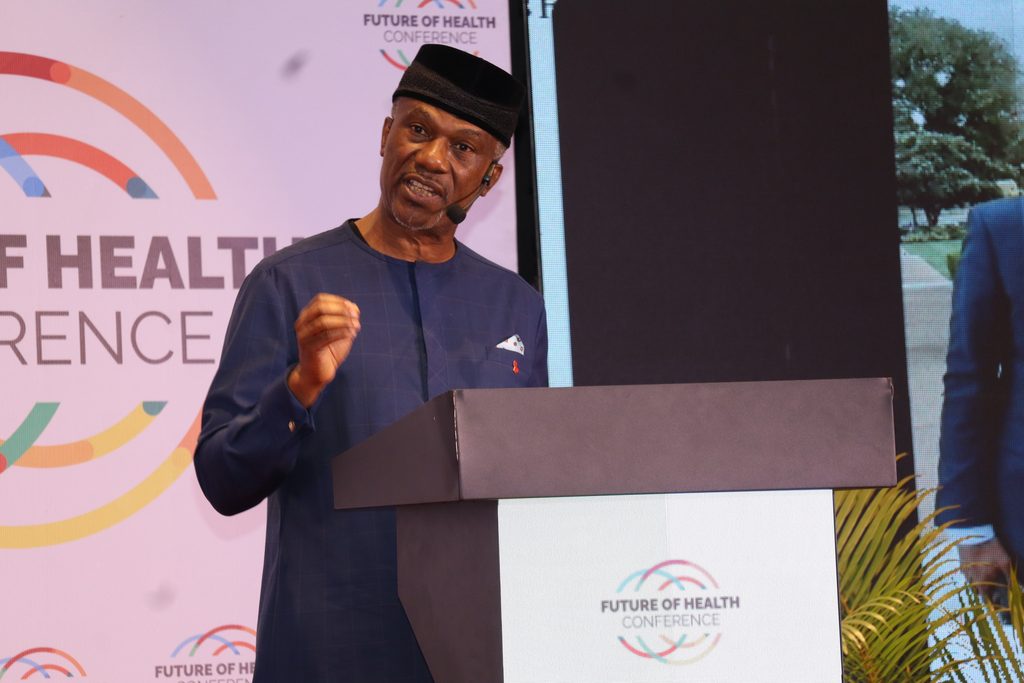
“An innovation that changes lives must produce impact,” said Dr Erasmus Morah, Senior Adviser at the Africa Centres for Disease Control and Prevention (Africa CDC). His point reflected a wider concern. Africa cannot afford to keep testing promising solutions without finding ways to scale those that work.
Delivering the keynote address, National Health Insurance Authority (NHIA) Director General Dr Kelechi Ohiri urged governments and participants to translate promising ideas, research and policies into sustainable health systems that provide accessible, quality care while protecting patients from financial hardship.
The consequences of weak systems remain stark. Preventable diseases continue to claim lives, people struggle to obtain timely diagnosis and treatment, and medical bills push vulnerable households deeper into hardship. Four innovations presented at the conference show both the promise and the test each must pass.
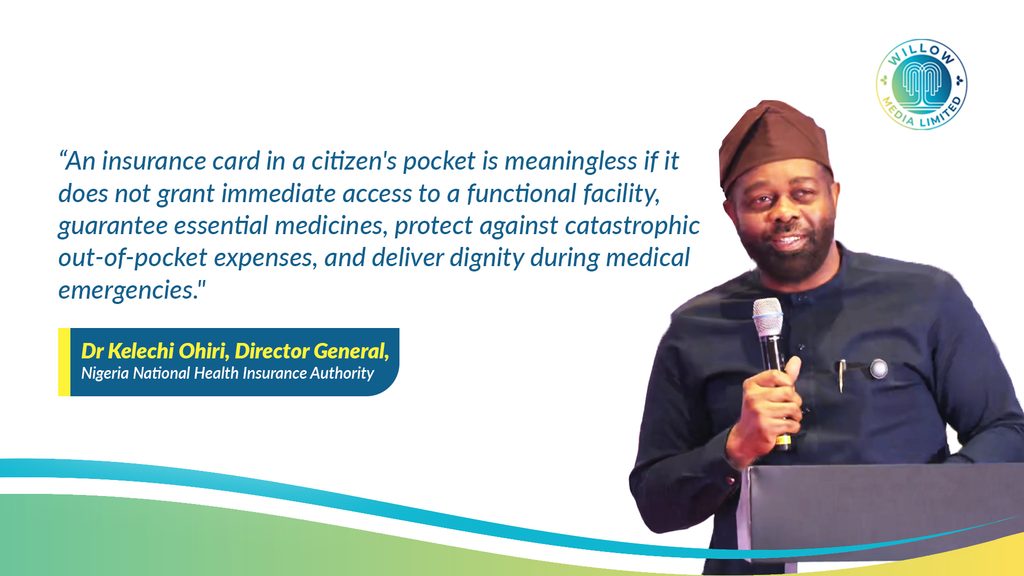
“An insurance card in a citizen’s pocket is meaningless if it does not grant immediate access to a functional facility or guarantee essential medicines”
Nigeria’s health financing reforms illustrate the difference between access on paper and care in practice. Total enrolment across federal, state and private health insurance schemes reached 23.06 million people by the second quarter of 2026, up from 16.20 million in late 2023, an increase of 42.35 per cent, according to the NHIA.

The authority itself warns against reading too much into those numbers. In his address to the conference, Dr Ohiri said that “an insurance card in a citizen’s pocket is meaningless if it does not grant immediate access to a functional facility or guarantee essential medicines” and protect against catastrophic out-of-pocket costs.
To close that gap, the NHIA has launched the MyNHIA mobile application and an online self-enrolment portal, and placed QR codes in accredited facilities so that enrollees can check which consultations, tests and medicines their cover includes. It has also strengthened the channels through which patients report complaints and challenge improper charges.
The authority received 2,209 complaints and resolved 82 per cent of them within 48 hours, refunding enrollees who had been wrongly charged and delisting providers that persistently failed to comply.
Its targeted programmes reach women who need emergency maternal care, newborns who need specialised treatment and women living with obstetric fistula. By October 2026, these maternal and newborn interventions had reached 96,068 beneficiaries, including 80,906 women treated for obstetric emergencies and 6,059 women living with fistula.
The authority also reports progress in reaching people outside the formal sector. Enrolment of vulnerable citizens under the Basic Health Care Provision Fund rose by 20.5 per cent in a single quarter, to 3.18 million in the third quarter of 2026, with every enrollee biometrically verified through the National Identification Number. A separate pathway with the Global Fund now covers 58,447 people from key populations affected by major infectious diseases in Gombe, Anambra, Ebonyi and Kwara states.
In Nigeria, more than 50 people die from non-communicable diseases every hour
Yet the NHIA acknowledges that financing cannot succeed without functioning facilities, adequate staffing, essential medicines, equipment and effective clinical governance. Its own review of primary health centres found that facilities failing accreditation suffered from staff shortages, drug stockouts, missing equipment and weak leadership. Insurance numbers, in other words, are only the first step towards care.
For many patients, the immediate obstacle is not the absence of scientific breakthroughs but the difficulty of reaching a health worker.
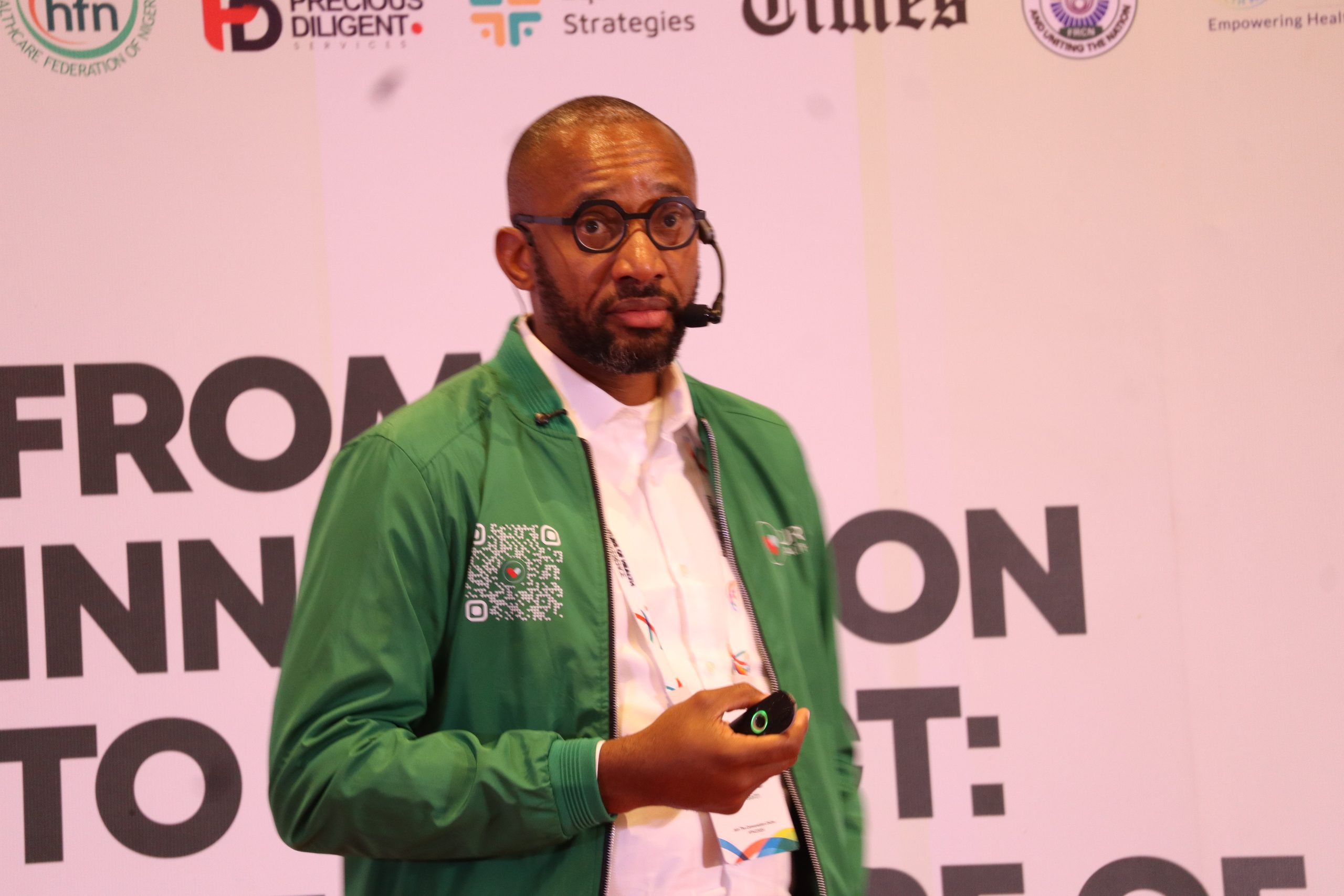
Ikechukwu Anoke, Co-Founder and Chief Executive Officer of Zuri Health, said innovation must make care easier to reach, especially as non-communicable diseases strain health systems. In Nigeria, he said, more than 50 people die from these conditions every hour.
Zuri Health offers telephone-based telemedicine consultations intended to make medical advice more affordable and accessible. “The future of healthcare is mobile,” Anoke said.
He also described the Rema bus, a clinic on wheels launched in April 2026 that he said can deliver services comparable to those of a level-four hospital. According to Anoke, it has already carried non-communicable disease screening to underserved areas in Kenya.
“We must find diseases before they find us,” he said.
Mobile services spare patients long journeys for initial screening and can detect conditions such as hypertension and diabetes before complications set in. Screening alone, however, is not enough. Patients who test positive must be linked to facilities for confirmatory tests, treatment and follow-up care.
Digital self-care can help people manage long-term conditions and reinforce clinical advice between appointments
Pamela Egbo, Head of Office and Hub Operations at mDoc, described how the organisation uses digital tools to encourage healthier behaviour and self-management. Its AI-powered chatbot, Kem, gives subscribers health information and conversational support designed to improve health literacy and sustain behavioural change.
“We must reduce the burden on healthcare by educating and encouraging people on self-care,” Egbo said.
Digital self-care can help people manage long-term conditions and reinforce clinical advice between appointments. To work at scale, however, such tools must give reliable information, protect users’ privacy and remain usable for people with limited connectivity, digital literacy or access to smartphones. Their value will rest on whether health knowledge and behaviour improve, not on how many people download them.
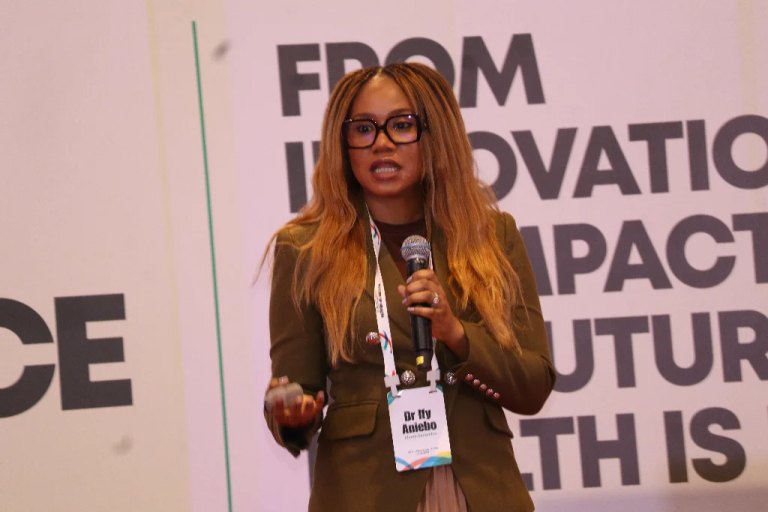
Malaria remains one of the continent’s heaviest burdens. Dr Ifeyinwa Aniebo Rhodes-Vivour, founder of AfroScientric and a genomics practitioner, said the disease kills approximately 600,000 people a year, with 94 per cent of that burden in Africa. The World Health Organization’s World Malaria Report 2025 estimated 610,000 malaria deaths worldwide in 2024.
Dr Aniebo identified four threats to malaria control. Mosquitoes are becoming resistant to insecticides, weakening bed nets and indoor spraying. Genetic changes in parasites can cause some diagnostic tests to return false-negative results. Drug resistance is spreading, and invasive mosquito species are moving into new environments.
Genomic surveillance, she argued, can show how parasites and vectors are changing so that programmes can adapt. It must therefore inform control decisions rather than remain an isolated research activity.
“African diseases will be solved by Africans,” she said, urging countries to invest in local research institutions and expertise. Without that link between science and policy, even valuable discoveries risk bypassing the communities they are meant to serve.
Evidence-based interventions need policy, funding and public engagement behind them
Morah offered evidence that the test can be passed. He described Nigeria’s reported rise in HIV treatment coverage from 33 per cent to 85 per cent as the product of costly but necessary investment. Part of that rise reflects better data, after a national survey revised the estimated number of people living with HIV downwards, sharpening the focus of the response.

He also recalled his work in Malawi at a time when many people were dying without knowing the cause of their illness. Despite initial resistance, a mass testing initiative using the Voluntary Counselling and Testing (VCT) framework went ahead and eventually persuaded the government to establish a national HIV testing day.
By his account, five days of testing achieved what six years of earlier effort had not. When he arrived, about 1,000 people in Malawi were receiving HIV treatment. That number, he said, has since grown to more than one million, helping to reduce HIV-related deaths.
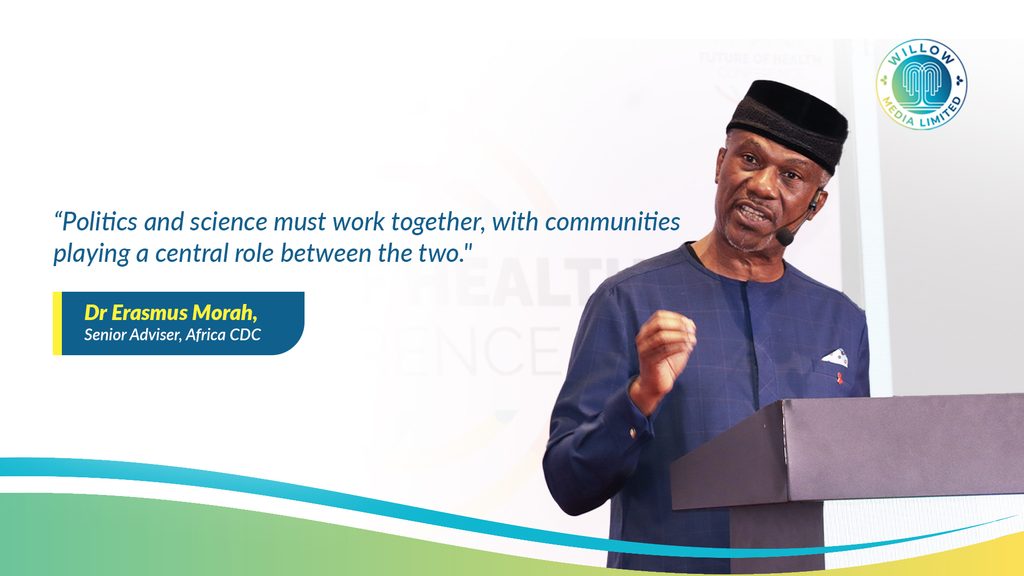
“Politics and science must work together, with communities playing a central role between the two,” Morah said.
The lesson for African health systems is that evidence-based interventions need policy, funding and public engagement behind them.
The innovations presented in Abuja point to the conditions that turn promise into results. Insurance must be backed by staffed, stocked facilities and an accountable complaints system. Mobile screening must connect patients to treatment. Digital coaching must reach people without smartphones and be judged by changes in behaviour. Genomic surveillance must feed directly into malaria control programmes.
Above all, the speakers called for sustained investment, stronger partnerships between governments and innovators, evidence-based policy and systems capable of carrying effective interventions beyond pilot projects.
Graphics by Semion Atetwe.
We believe in the free flow of information
Republish our articles for free, online or in print, under Creative Commons licence.