


Additional funds for refurbishment came from the Nakumatt Molo Fire Victims Fund, launched by then-President Mwai Kibaki in February 2009 to cover hospital bills for survivors of the Nakumatt Downtown supermarket fire in Nairobi and the Sachangwan fuel tanker fire, which together claimed more than 140 lives.
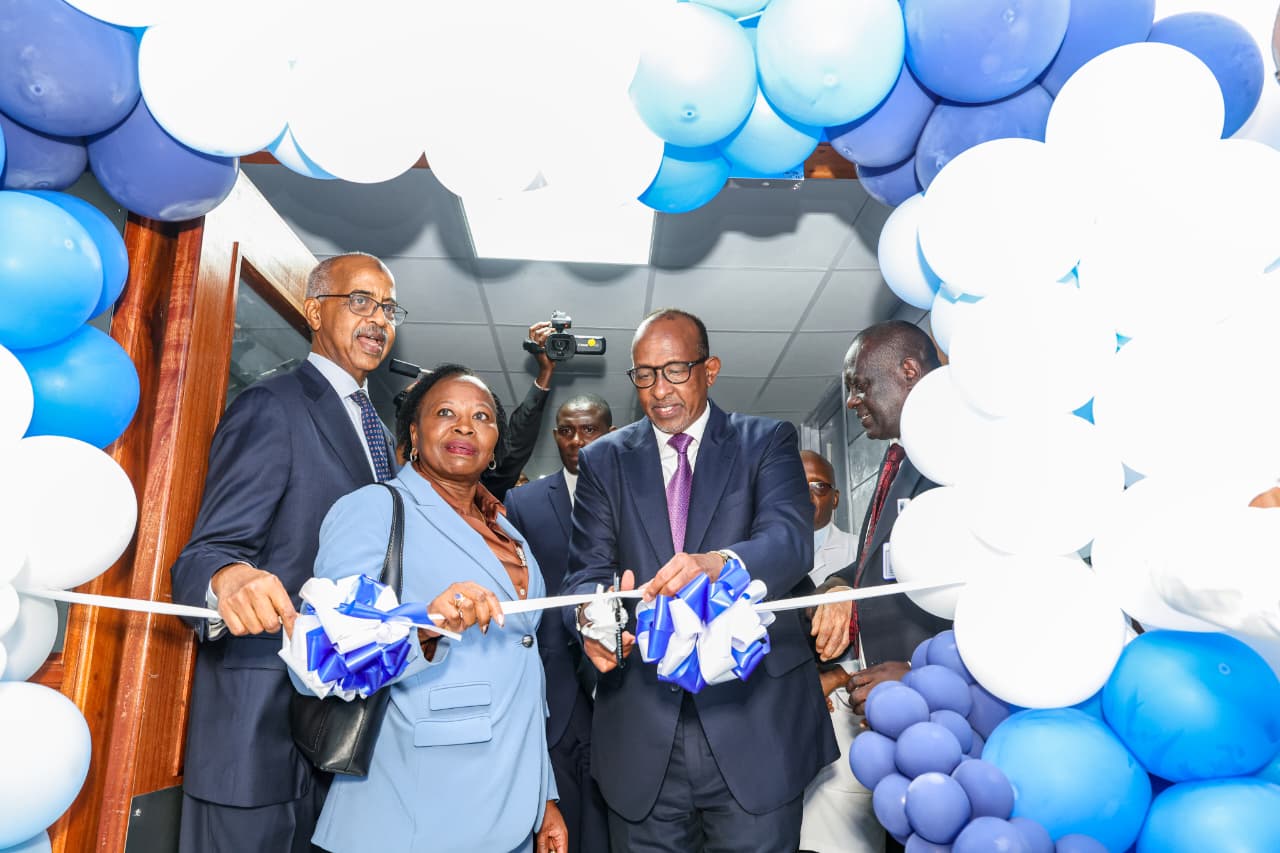
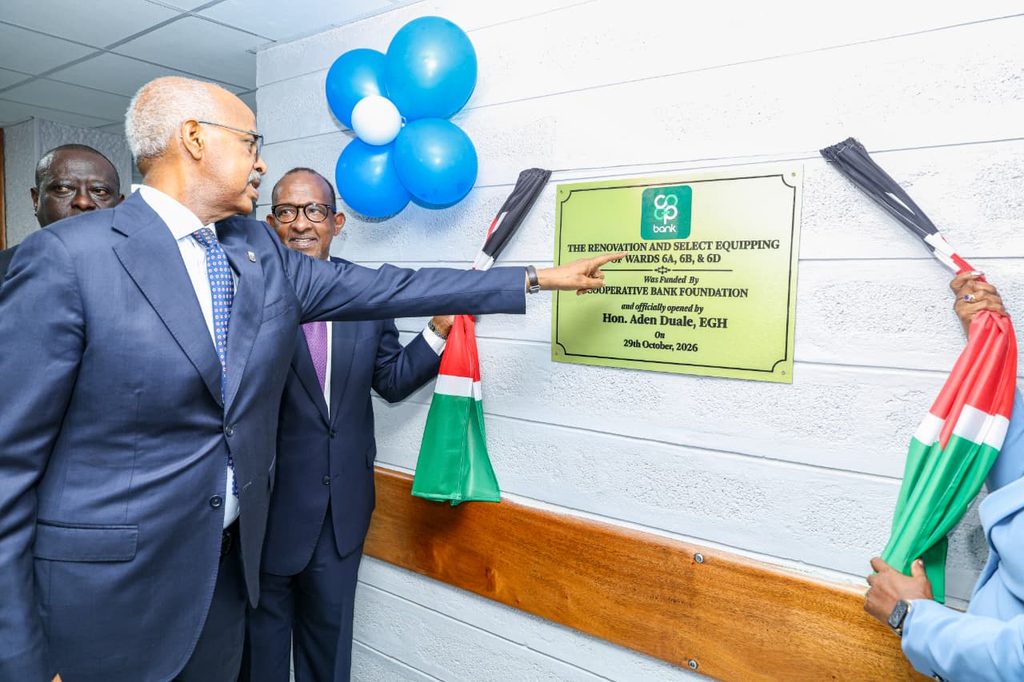
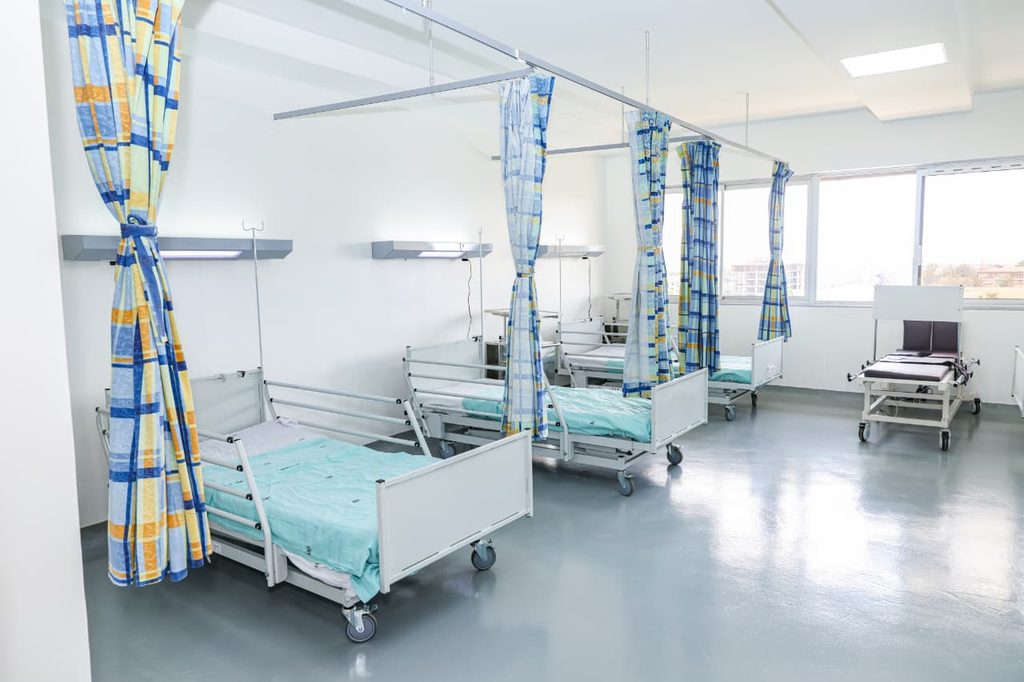
Kenyatta National Hospital (KNH) on Thursday, October 29, officially opened four refurbished and fully equipped Level 6 wards, a milestone in a partnership-funded drive to modernise the national referral hospital.
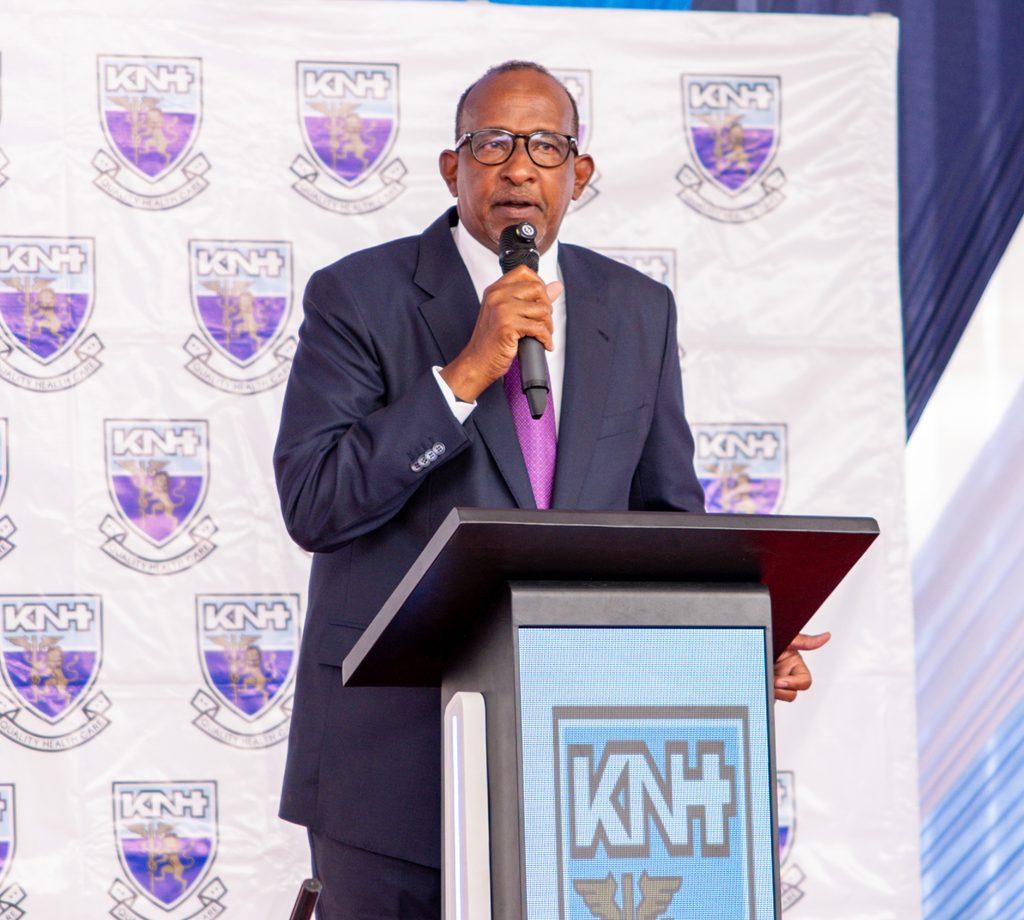
The opening forms part of KNH’s preparations to mark 125 years of service, with celebrations expected early next year. Health Cabinet Secretary Aden Duale, who presided over the handover, used the occasion to set out a larger ambition. He said the government intends to make KNH a centre for specialised care, with patients treated first at lower-level facilities and referred only when their conditions exceed local capacity.
“KNH must be a referral hospital, and KNH must not be a first point of call,” he said.
The Ministry of Health will establish a formal policy to streamline referrals nationwide and discourage patients from bypassing other hospitals. Under the proposed model, county facilities would manage patients where appropriate, refer them to KNH for specialised services and receive them back for follow-up once clinically appropriate.
Emergency dispatch systems already direct patients by the severity of their conditions. “If that patient requires level four, take him to level four. If the patient requires level six, you take him to level six. If the condition of the patient requires that he must come to Kenyatta, then bring him to Kenyatta,” Duale said.
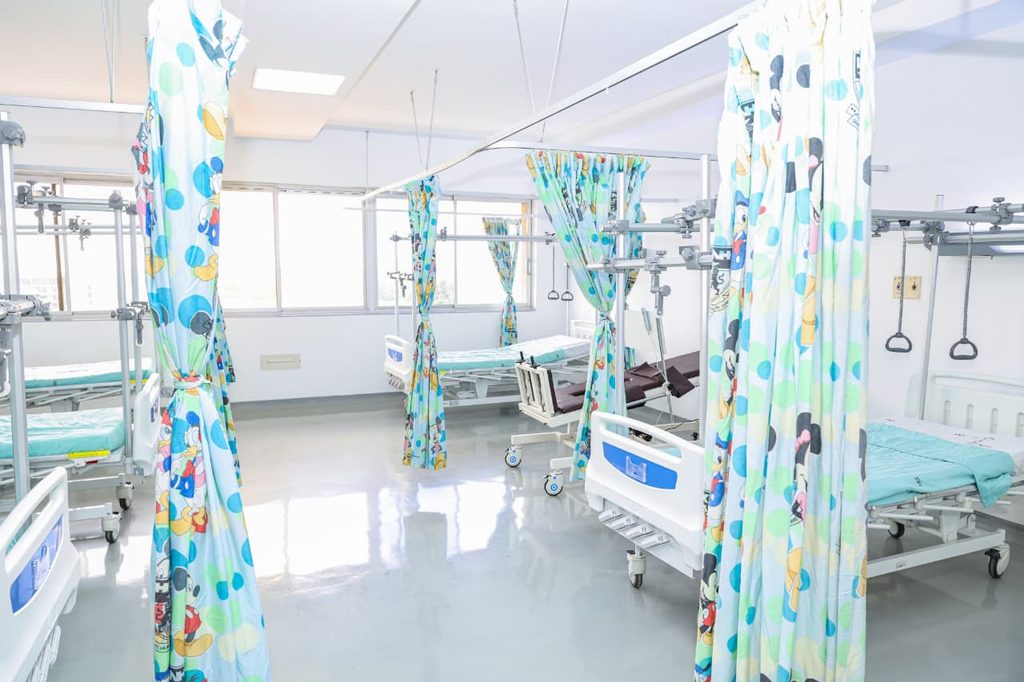
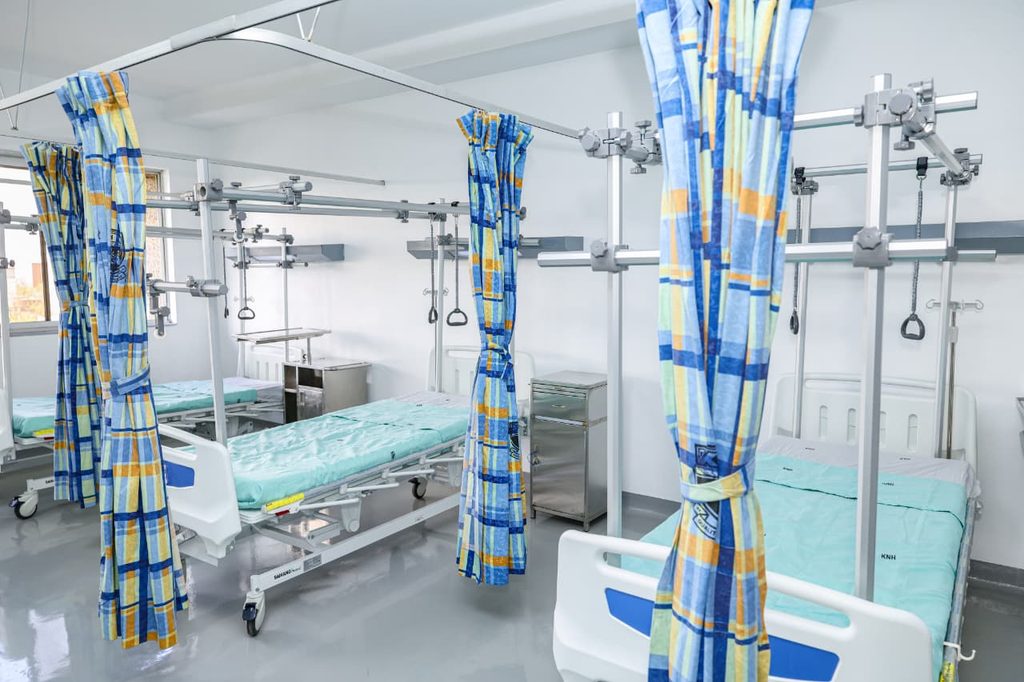
Co-operative Bank of Kenya invested Ksh100 million in refurbishing and equipping wards, including 96 orthopaedic beds
Digital health systems, he added, should allow referred patients to arrive with their clinical records available securely and in real time, so staff can coordinate treatment without delay.
Duale wants the policy to move beyond paper. Officials, he said, “keep on telling me, minister, we have a policy draft”. He wants to know whether it will become “a document that can be taken to Cabinet, that can be taken to Parliament, that can be implemented”.
“Every decision delayed in the healthcare ecosystem of any country, including our country, you are delaying the care of a patient,” he said.
The reforms run alongside the government’s rollout of the Social Health Authority (SHA), which Duale said had registered 33.4 million Kenyans. Financing alone, he warned, would not guarantee quality care. “Kenyans must also find modern facilities, adequate staff, functioning systems and efficiency.”
At KNH, partnerships between the hospital, government and private-sector donors are already supplying that infrastructure through a programme to improve facilities, equipment and the patient experience.
Co-operative Bank of Kenya invested Ksh100 million in refurbishing and equipping wards, including 96 orthopaedic beds, bedside lockers and medical equipment. The Nakumatt Molo Fire Victims Fund supported refurbishment and equipment, including electric beds and 3D printers for clinical applications, research and training.
The fund was launched by then-President Mwai Kibaki in February 2009 to pay hospital bills, including long-term care, for survivors of the Nakumatt Downtown supermarket fire in Nairobi and the Molo (Sachangwan) fuel tanker fire, which together killed more than 140 people. At least 25 of the Molo survivors were admitted to KNH’s own burns unit at the time.
An assessment of the hospital’s infrastructure found that roughly 30 to 36 of its 58 wards required urgent refurbishment
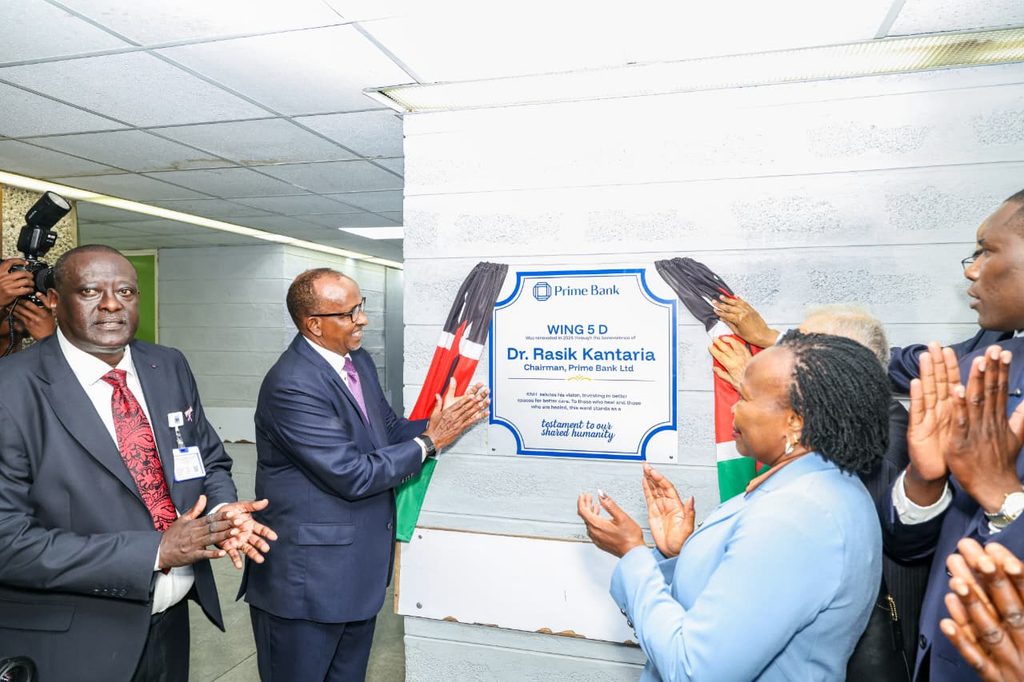
Prime Bank chairman Dr Rasik Kantaria supported another ward and pledged further help to revamp the hospital’s accident and emergency facilities.
“These partners in total have invested over Ksh130 million and 136 beds,” Duale said. “Your contribution reflects a very simple truth: quality healthcare is a shared responsibility, and every investment in a hospital is an investment in the dignity of our people.”
The drive has its roots in May 2025, when Willow Health Media published an exposé built on a video secretly filmed by a patient in the hospital’s maternity ward. The footage showed blocked and flooded toilets and crumbling walls. Weeks later, President William Ruto appointed Dr Abbas Gullet as chairman of the KNH board.
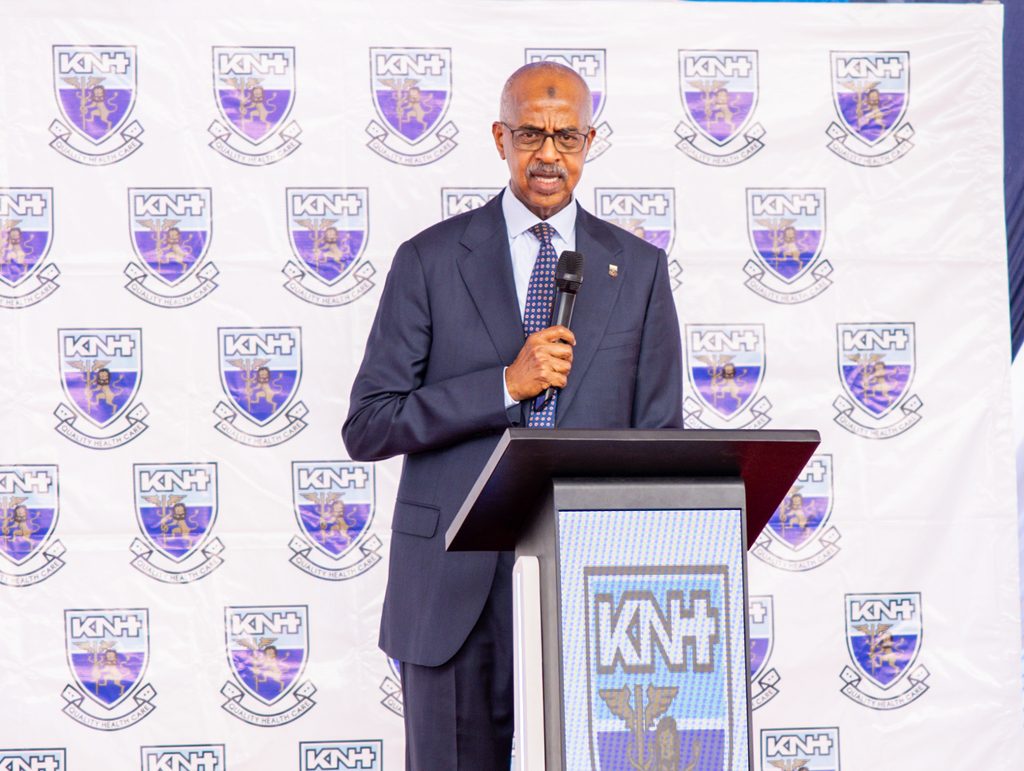
Gullet said the refurbishment programme followed an assessment of the hospital’s infrastructure, which found that roughly 30 to 36 of its 58 wards required urgent refurbishment. KNH initially prioritised 24 to improve facilities while controlling costs and hopes to complete between 24 and 30 before the anniversary.
Private partners, he said, have accelerated projects that could otherwise take far longer. Some privately supported renovations took three months to complete, while other construction projects at the hospital, run through conventional procurement, had taken a year or more.
The board standardised costs at about Ksh30 million per ward, Ksh20 million for construction and Ksh10 million for equipment. “For Ksh30 million, you can have a world-class ward that can be used by our doctors,” Gullet said. KNH’s own architects and quantity surveyors design and supervise the works.
The renovations and wider reforms are intended to strengthen KNH’s position as a regional centre for specialised treatment
The programme will extend to the maternity and children’s wards, the accident and emergency department and a proposed sports medicine centre of excellence. Gullet said it would put clinical services ahead of administrative interests. “We should be a patient-centred, patient-focused hospital that gives every priority to the patients,” he said.
The government is also financing renovations on the seventh and eighth floors. Duale acknowledged, however, that the scale of need across the health system requires partnerships that complement public investment, guided by transparency, accountability, technical standards and proper maintenance. The true measure of success, he said, would be whether patients receive safer, better-quality care.
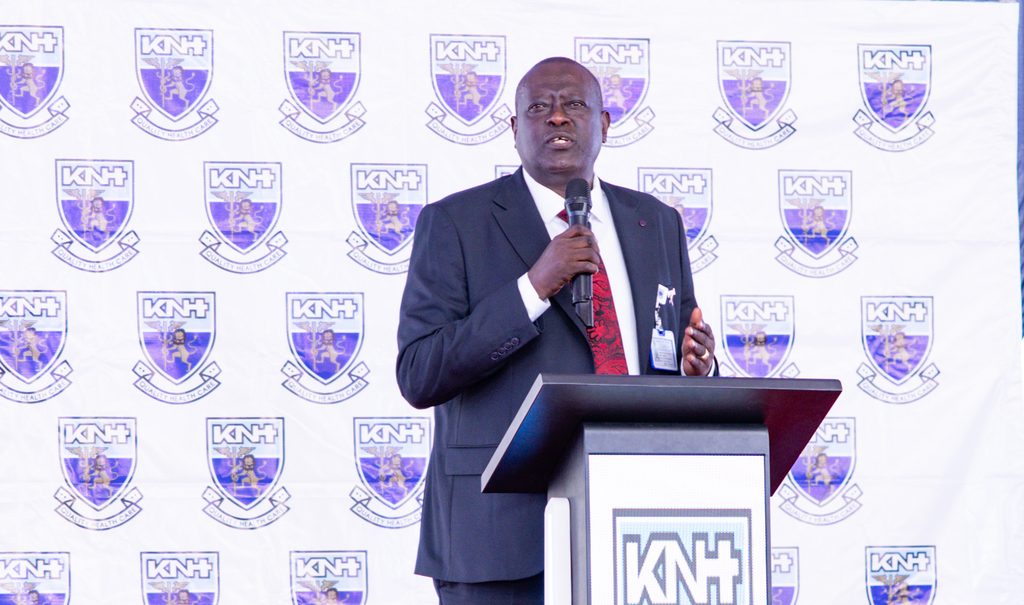
That measure matters beyond Nairobi. KNH Chief Executive Officer Dr Richard Lesiyampe described the hospital as a critical centre for managing complex conditions, training health professionals and supporting services across Kenya and the region. “We handle not less than one million outpatients at KNH. We also handle not less than 800,000 inpatients,” he said.
Duale said the renovations and wider reforms were intended to strengthen KNH’s position as a regional centre for specialised treatment and reduce the need for Kenyans to seek advanced care abroad.
He noted that achieving that will take more than new wards. A working referral system would ease the burden on KNH, digital records would shorten the path from county hospital to specialist bed, and partnerships would speed up construction that public budgets cannot fund alone.
We believe in the free flow of information
Republish our articles for free, online or in print, under Creative Commons licence.