

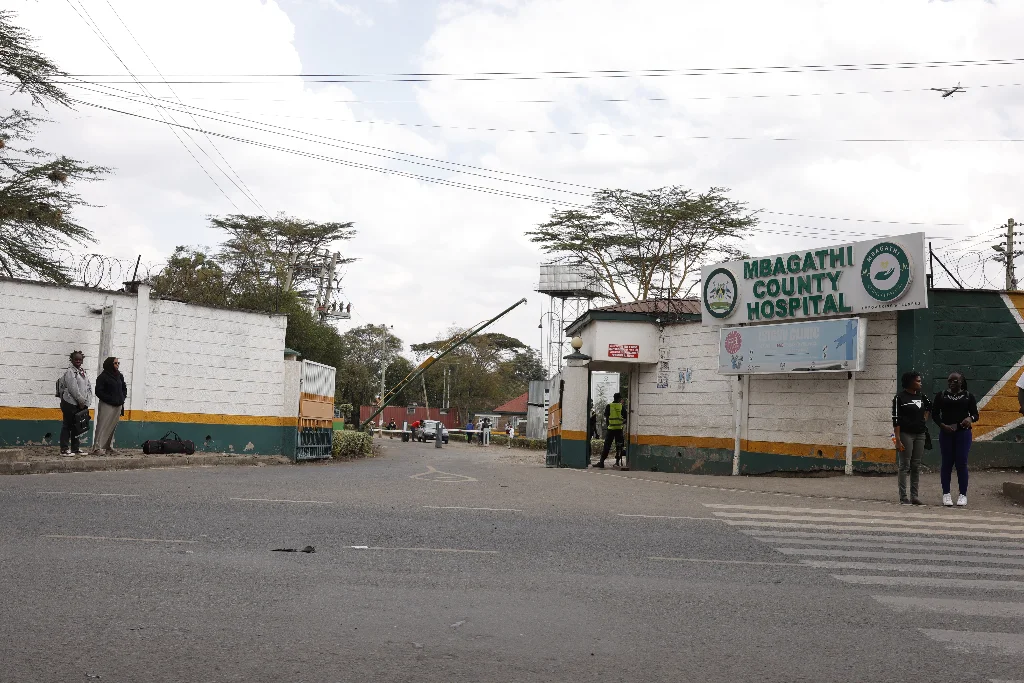
Under the Facility Improvement Financing (FIF), Mbagathi’s budget has climbed from Ksh500, 000 a quarter to Ksh30 million, and from lost results and stock-outs, the lab now handles over 446,000 tests a year to international standards.
Improved diagnostic capacity at Mbagathi County Referral Hospital is helping clinicians make better treatment decisions, strengthening the hospital’s finances and giving patients and health workers greater confidence in its services.
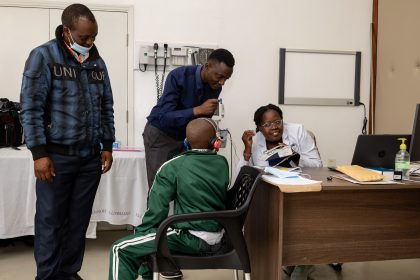
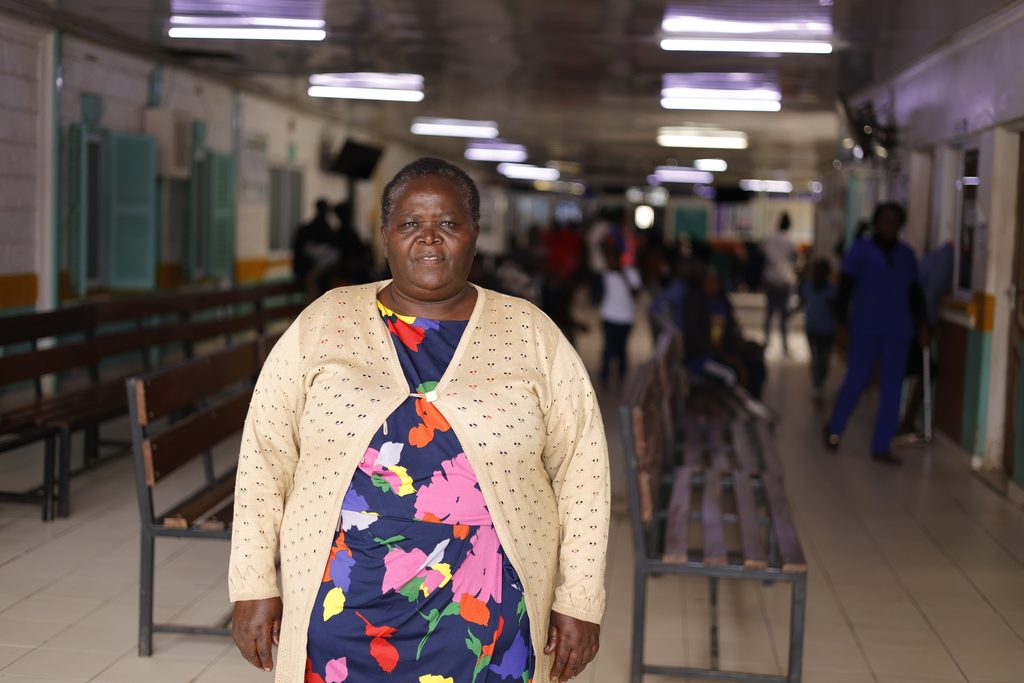
When Phyllis Wanjiru visited Mbagathi County Referral Hospital, she needed tests to help doctors understand her condition. What stood out was the speed. “I underwent four tests, and within about 30 minutes, I had received the results,” she says.

For Wanjiru, it was a glimpse of what a well-run laboratory can mean for a patient: less waiting, and information doctors can use to guide treatment.
Behind that experience is a wider transformation at this public hospital in Nairobi. New equipment, trained staff, better information systems, and stronger quality controls have reshaped its laboratory. The number of tests almost quadrupled in two years, from 113,400 in 2021 to 446,428 in 2023. The lab earned international accreditation within 15 months, and its earnings have strengthened the hospital’s finances under Facility Improvement Financing (FIF), which allows facilities to retain and spend the money they generate.
The gains go beyond speed and income. Reliable tests help clinicians tell apart diseases with similar symptoms, choose the right medicines and avoid unnecessary treatment, including antibiotics that fuel drug resistance.
Medicine supplies, staffing and sustained investment remain the hospital’s key challenges
Yet a better laboratory cannot fix everything. Joyce Nyokabi was diagnosed with kidney failure after investigations following a history of hypertension, and has received dialysis at Mbagathi since 2019. The Social Health Authority (SHA) covers her dialysis, easing a heavy burden. Medicines are another matter. “Sometimes you are prescribed medicines, but when you go to collect them, you find they are not available,” she says.

Her experience shows the gap between diagnosing a condition and giving a patient everything needed to manage it. Medicine supplies, staffing and sustained investment remain the hospital’s key challenges.
Grace Wangari, a community health promoter who has worked in the area since 2013, remembers how “You would find patients lying everywhere because the services were not adequate. Patients would have tests done, but the results would either get lost or take a long time to come out.”
The turnaround came through a collaboration between the United States Centers for Disease Control and Prevention (US CDC) and the Association of Public Health Laboratories (APHL), part of an effort to strengthen eight regional labs.
The aim was to improve disease detection, support evidence-based surveillance and strengthen clinical management.
Bonventure Juma, an acting laboratory director with the US CDC, recalls what the team found. “When we came to Mbagathi, the microbiology section was not well set up. The molecular section was not there. The laboratory was not accredited, and the workforce was low,” he says.
The hospital also had little capacity to generate its own income and relied heavily on the county government. Some patients, Juma says, were treated largely on the basis of symptoms rather than laboratory evidence.
The programme supplied equipment, introduced an information system to cut paperwork and trained staff in microbiology and molecular testing, widening the hospital’s ability to identify infectious diseases. Juma says evidence-based diagnosis has since drawn more patients to the laboratory, raising demand and revenue.
Equipment must be maintained, staff trained, procedures followed and results checked to ensure they are reliable
Machines alone were not enough. Jully Okonji, a senior laboratory specialist at APHL, says that beyond molecular testing, other sections of the laboratory needed a lot of work.
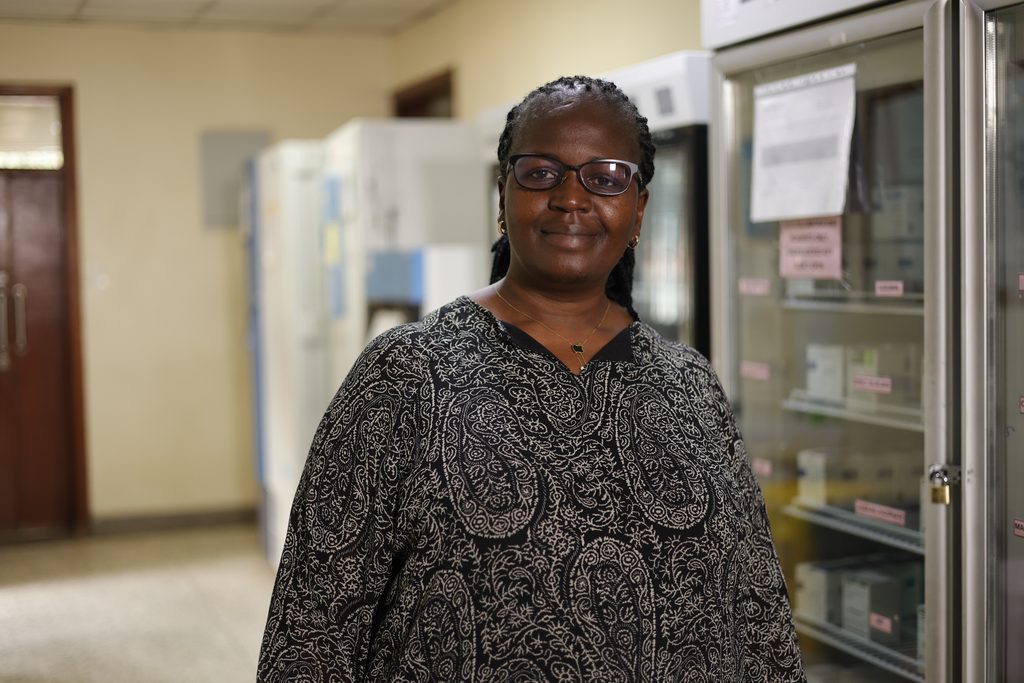
Equipment must be maintained, staff trained, procedures followed, and results checked to ensure they are reliable. “There were no quality management systems in place… We had stock out of reagents. We could see that some reagents were expiring in the lab without being put into use. The equipment was not in service,” she says.
A quality management system sets consistent procedures for handling samples, running tests, recording work and monitoring performance. The programme supported staff training, standard operating procedures, sample-collection guidance, equipment servicing and ongoing mentorship. The laboratory also joined an external quality assessment programme, in which a network of laboratories tests the same sample and compares results. “So, you are able to know how you are progressing among your peers,” Okonji says.
The result was ISO 15189 accreditation within 15 months, according to the programme study. The international standard recognises a medical laboratory’s quality and competence.
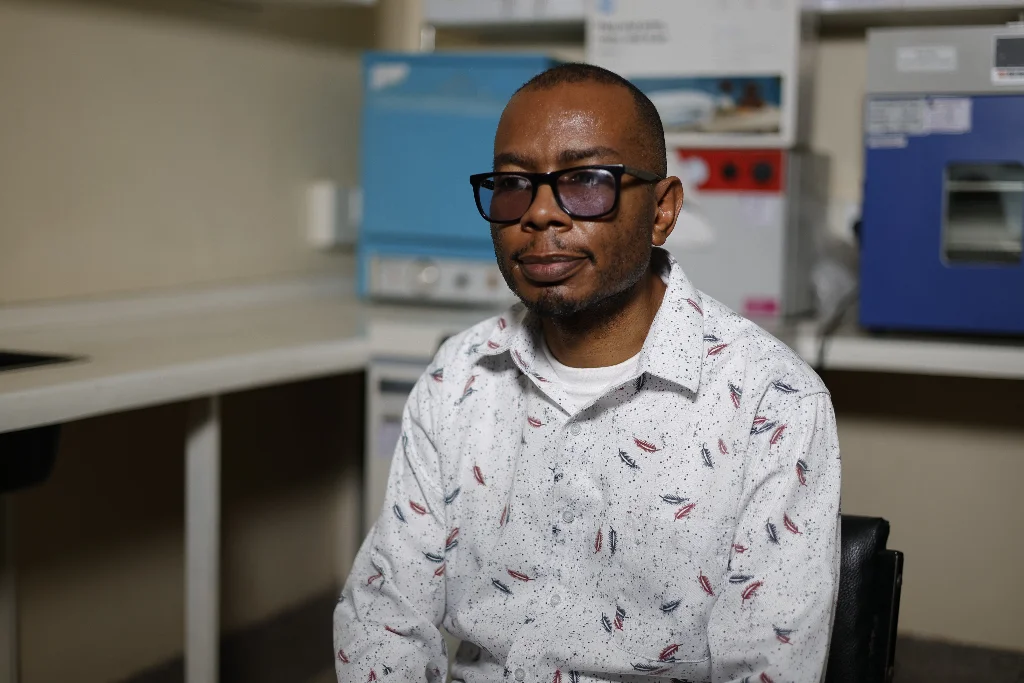
For clinicians, the difference shows at the bedside. Dr Eric Kanjama, a doctor at Mbagathi, says better diagnostics help them decide when antibiotics are needed and when they are not.
He cites meningitis. Because bacterial meningitis is a common concern, a patient may first be started on antibiotics. Tests may then reveal cryptococcal meningitis, a fungal infection that needs antifungal treatment.
“When you do run the diagnostics and find that the patient has cryptococcal meningitis, you can stop the antibiotics and put the patient on the correct antifungal medication,” Dr Kanjama says. The improvements, he adds, have helped clinicians use antibiotics more judiciously instead of relying on assumptions drawn from symptoms.
The microbiology laboratory also helps the hospital understand resistance in the community it serves
That matters in the fight against antimicrobial resistance, which occurs when microorganisms develop the ability to withstand medicines that once worked against them. Inappropriate or unnecessary antibiotic use is one of its drivers.
The microbiology laboratory also helps the hospital understand resistance in the community it serves. Many patients arrive after trying treatments elsewhere, by which time some infections no longer respond to common antibiotics. By studying which organisms are isolated and how they respond to medicines, the laboratory can show which drugs are likely to work and which are losing their power, guiding what the pharmacy stocks.
Okonji sees this link between the laboratory, infection prevention and control, hospital management and the pharmacy as one of the most important ways diagnostics shape care.
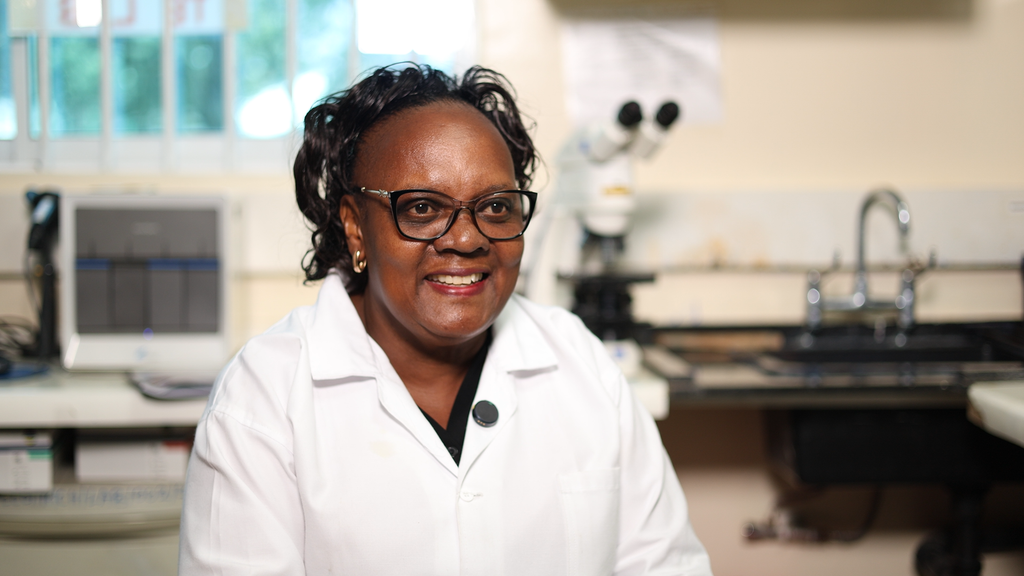
Jane Lugaga, the hospital’s laboratory manager, explains the process. Once a patient is registered and the requested tests are confirmed, each sample gets a unique laboratory number and is entered into the laboratory information system before testing. In microbiology, samples may be placed in culture media that grow specific organisms, which are then identified. Further testing shows which medicines are likely to work against them.
The digital system has reduced manual work and improved quality and turnaround times. “The system can flag a sample indicating the presence of an organism before the conventional 72-hour period, allowing laboratory staff to alert clinicians so they can assess whether treatment needs to be initiated or adjusted,” she says of blood cultures.
Demand tells its own story. Tests rose from 113,400 in 2021 to 231,081 in 2022, then to 446,428 in 2023, as more clinicians requested them and more patients used the service. “To us, that tells us there is trust from the clinicians in the work we are doing,” Lugaga says.
When results are reliable, clinicians are better placed to make decisions and patients receive more efficient care
Dr Alexander Irungu, Mbagathi’s CEO, says laboratory capacity is central to both quality care and the management of resources. Better infrastructure, staff training and reagent supplies have changed how the hospital manages patients. When results are reliable, clinicians are better placed to make decisions and patients receive more efficient care.
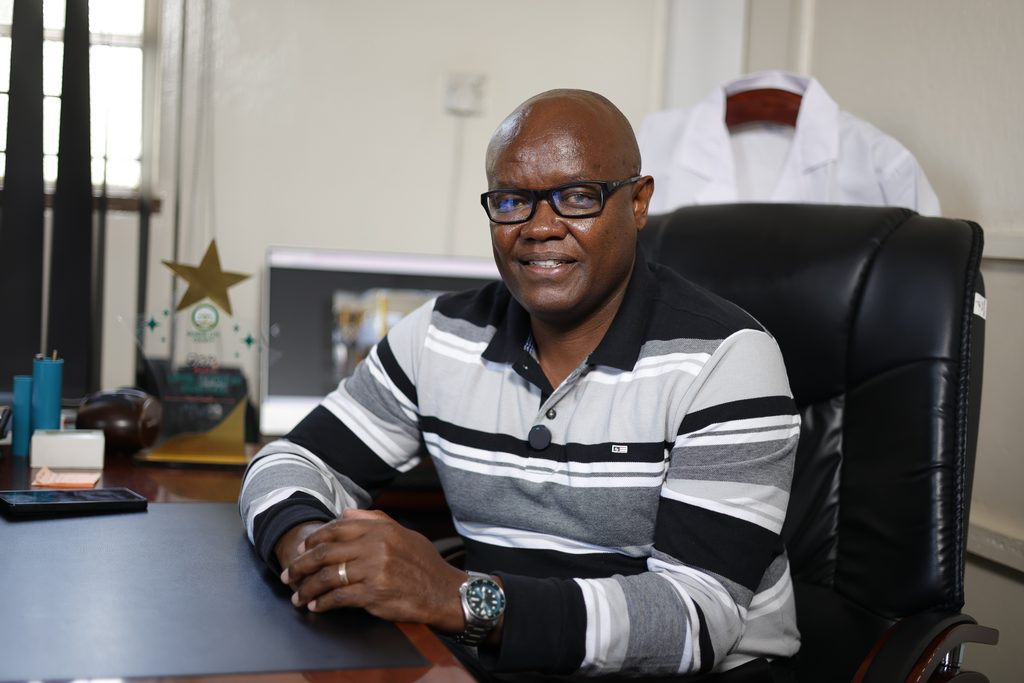
He credits FIF with giving managers the flexibility to set priorities. “Facility management knows the priorities. You know what can wait and what cannot wait because you interact with your clients on a day-to-day basis,” he says.
Under FIF, funds generated at facility level can be retained and used to support services, within the applicable financing and accountability rules.
Dr Irungu says more predictable reimbursements from SHA have also helped the hospital plan its spending and improve relations with suppliers and contractors.
The laboratory was identified as a priority for investment, with the US CDC and APHL providing equipment, technical guidance and expertise. Before the intervention, it collected about Ksh500,000 a quarter, too little to meet its operating needs. The programme study reports that revenue doubled within two months, and the laboratory’s budget allocation rose to Ksh16 million in 2022 and Ksh30 million in 2023.
Nearly Ksh20 million went to inpatient waivers for patients who could not afford treatment
Dr Irungu says the hospital reported quarterly revenue of Ksh572 million against a target of Ksh600 million. Of that, nearly Ksh20 million went to inpatient waivers for patients who could not afford treatment, a reminder that financial sustainability must be balanced with access to care.
The ability to keep revenue comes with a duty to account for it. Edwina Auma, a member of Mbagathi’s FIF community board, oversees quality and audit. The board examines how money has been used, reviews spending against quarterly budgets and checks that approved activities are carried out.
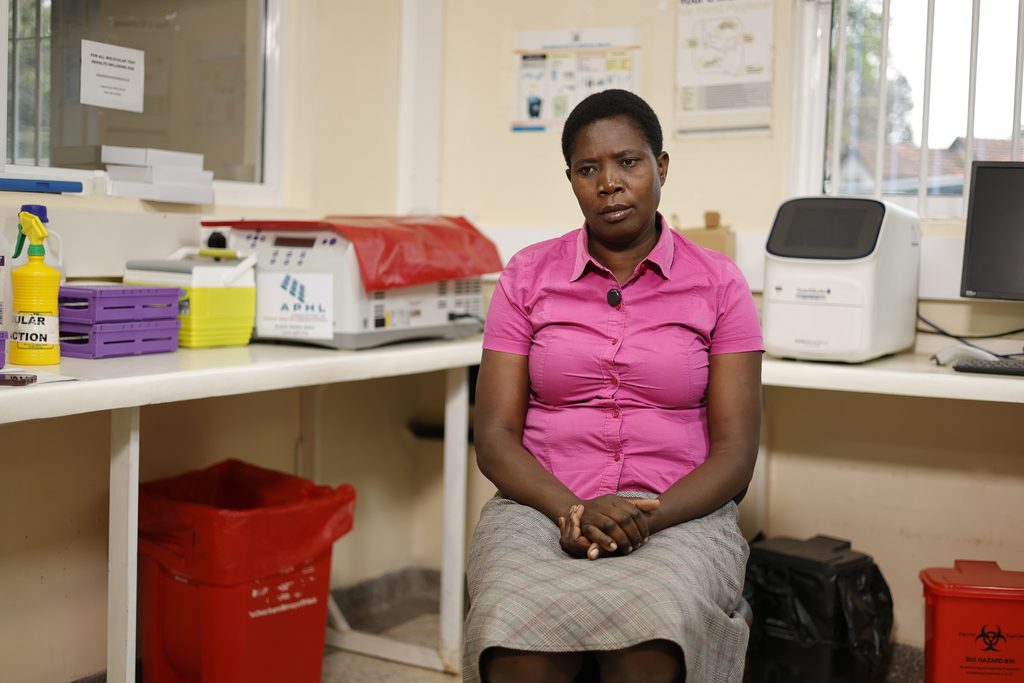
“If money is needed for something to be done, we agree that the funds should be released for that specific purpose,” Auma says.
Sustaining progress is a constant challenge. Okonji notes that laboratory technology keeps changing, while staff turnover can strip the hospital of trained personnel, so mentorship, training and support must continue. Juma says capacity must grow further, including access to sequencing technologies that can identify pathogens existing tests may not adequately detect.
For patients such as Nyokabi, improved services have not removed every barrier. Even with dialysis covered, medicines may be out of stock, and a chronic condition brings other costs. The hospital’s challenge now is to ensure that medicines, staffing and other services keep pace with its laboratory and with growing demand.
Dr Irungu’s longer-term ambition is to build specialised teaching and research capacity. Achieving it will require continued investment, technical support, a stable workforce and reliable systems for financing and accountability.
For Wangari, who remembers patients lying everywhere and results going missing, the change is already visible. The improvements, she says, have helped change how people experience care and strengthened their confidence in the hospital.
We believe in the free flow of information
Republish our articles for free, online or in print, under Creative Commons licence.