

SHA CEO Dr Mercy Mwangangi told Kenyans in Canada that health cover beats emergency fundraisers. She backed her pitch with figures on registration, claims and expanded cancer and kidney packages.
Kenyans living abroad should consider health insurance the best gift they can give loved ones back home, Social Health Authority (SHA) CEO Dr Mercy Mwangangi has said.
“Majority of Kenyans abroad have medical covers. The best thing you can do for your families when you come over or virtually, is to ensure they also have a medical cover,” she said while addressing Kenyans in Canada during an online forum with the Kenyan Community in Ontario (KCO).
Kenyans in North America at the forum agreed that health cover was better than sudden, frequent medical fundraisers, but questioned SHA’s credibility, most citing complaints raised by compatriots on social media.
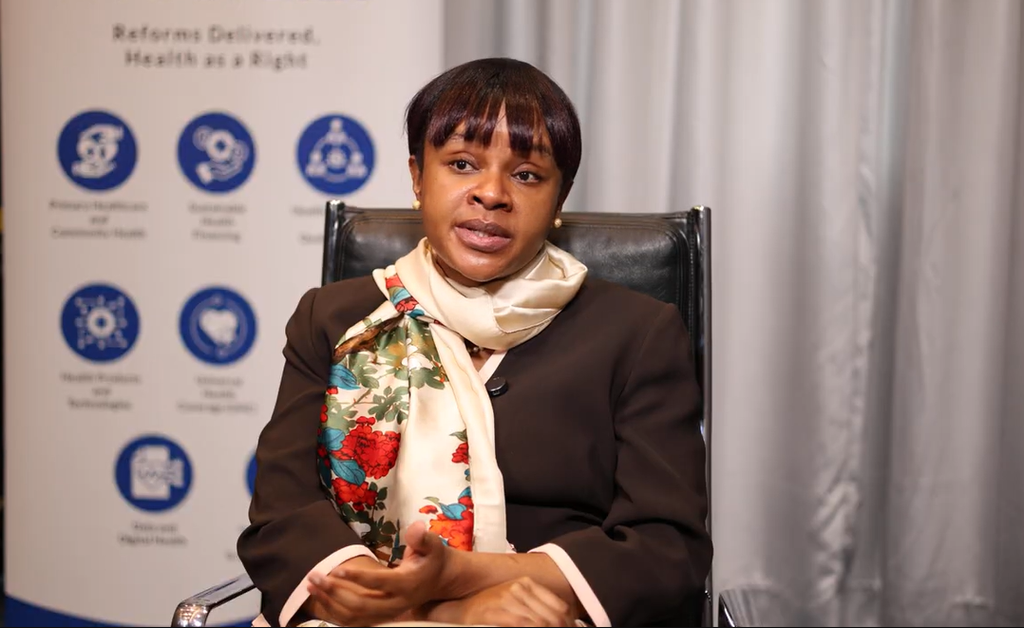
Dr Mwangangi countered with hard figures. More than 33 million Kenyans are now registered under SHA, nearly twice the 16.9 million covered by the defunct National Health Insurance Fund (NHIF).
Contributions have passed Ksh206 billion, and Ksh178.4 billion has been paid in claims, which she said proves the cover is effective, stable and sustainable.
“Any Kenyan covered under SHA funds doesn’t need to know anyone to be treated at any facility listed among our providers. It has equalised access to healthcare for all Kenyans irrespective of their social classes,” she said. SHA, which replaced NHIF in October 2024, runs three funds: the Primary Healthcare Fund (PHC), the Social Health Insurance Fund (SHIF) and the Emergency, Chronic and Critical Illness Fund (ECCIF).
“The Primary Healthcare Cover (PHC) fully funded by the exchequer ensured over 10.7 million unique beneficiaries that had been locked out by the previous cover received free treatment in level 2 and 3 health facilities,” she said.
Renal cover which includes diagnosis, pre-transplant, transplant and post-transplant care has been increased to Ksh700,000
Kenyans in formal employment contribute 2.75 per cent of their monthly salary to SHIF, SHA’s comprehensive cover. Those in the informal sector pay an annual contribution set by the government’s means-testing formula and can pay in instalments. Once registered and paid up, members enjoy benefits ranging from maternity care to treatment of chronic diseases and emergency care, which the government pays for.
While some Kenyans have called for NHIF to be retained, Dr Mwangangi said repealing it under the Social Health Insurance Act 2023 was the best decision.
“NHIF took care of 985,500 safe deliveries while SHA has already covered 1,305,427 deliveries. SHA tariffs for normal child birth are Ksh10,000 and Ksh30,000 for Cesarean Section (CS) under PHC and SHIF while NHIF paid less than Ksh5,000 and Ksh17,000 for normal and CS deliveries,” she said.
For those with relatives living with chronic diseases, Dr Mwangangi said SHA’s cancer, renal and life-saving surgery packages match the charges of private, public and faith-based hospitals.
“We expanded our annual cancer package from Ksh550,000 to Ksh800,000. Less than 10,000 patients surpass this package. The renal cover which includes diagnosis, pre-transplant, transplant and post-transplant care has been increased to Ksh700,000 from Ksh500,000,” she said.
Private kidney transplant packages at Aga Khan University Hospital can cost up to Ksh2 million
“Sio story za Jaba (These are not exaggerations), a Kenyan from Kibra can walk into Aga Khan for kidney transplant fully covered by SHA at Ksh1.12 million and walk out without paying a cent from their pocket,” she added during the October 12 online forum with the Kenyan Community in Ontario (KCO).
Private kidney transplant packages at Aga Khan University Hospital can cost up to Ksh2 million, making the SHA arrangement a relief to many households.
Legal Notice No. 56 of 2025, issued under the Social Health Insurance Act, sets tariffs and benefit packages, allowing patients to choose private or public hospitals based on the specific amounts the cover pays.
SHA has also partnered with pharmaceutical firms. A deal with Roche has cut the cost of Herceptin, a vital breast cancer drug, from Ksh120,000 to Ksh40,000 per session, with no co-payment for patients.
Dr Mwangangi also described SHA’s Ksh28,000 intensive care unit (ICU) rate and its ambulance dispatch services as unmatched.
“This information is to make you champions of a health insurance cover that addresses both the social and medical needs our people.
I also urge you to take advantage of investment opportunities like ambulance service provision and building health facilities and pharmaceutical companies back at home,” she said. KCO President Dr Charles Wambulwa praised the notice’s approach to tariffs and payments. “Explicitly stating the amount of money, the cover pays for each service instead of citing percentages of medical costs billed by different hospitals allows patients to seek care where it is fully paid for, not where it is offered luxuriously,” he said.
Health workers and facility identities will be captured in this system as a single point of truth, rooting out quack
He said direct engagement with SHA and Digital Health Agency (DHA) officials had eased the doubts of Kenyans willing to pay for their loved ones’ cover.
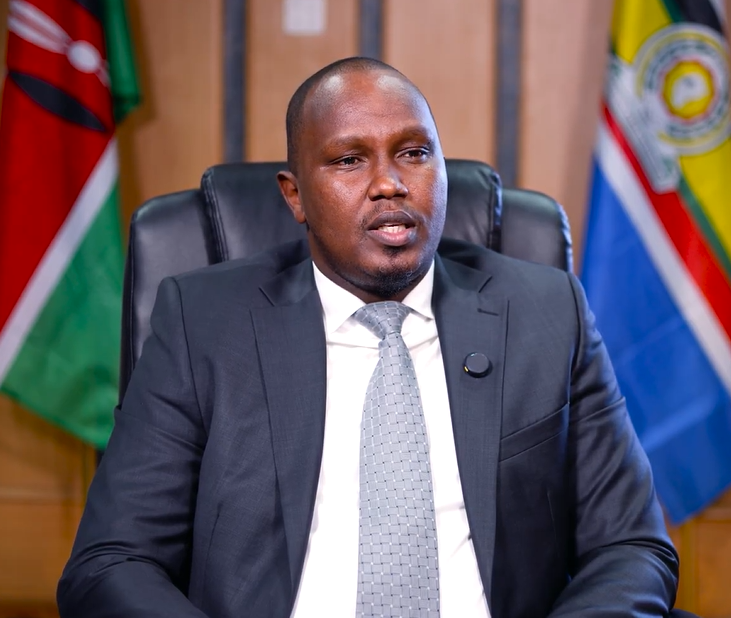
DHA CEO Antony Lenaiyara dismissed claims that the mandatory move of health facilities to the Health Management Information System (HMIS) was replacing SHA.
“The transition is about hospitals moving from using the standalone SHA Provider Portal to integrating their own hospital-based HMIS directly with SHA,” he said.
Lenaiyara said the October 30 migration deadline will end the fragmentation of the health network, allowing systems for health workers, commodities and financing to communicate seamlessly.
“HMIS is a solution to the challenges where many health facilities lacked key ICT infrastructure, data centres and connectivity. It’ll also ensure our data is secure in our sovereign health cloud and used within our borders,” he said.
“In the system Kenyans’ will be uniquely identified with their fingerprints. Health workers and facility identities will be captured in this system as a single point of truth, rooting out quacks, unnecessary loss of files, retest of patients and eliminate insurance fraud,” he added.
We believe in the free flow of information
Republish our articles for free, online or in print, under Creative Commons licence.