Kenya has eliminated Guinea worm, maternal tetanus and sleeping sickness through sustained public health action. The same discipline can stop Ebola, if everyone plays their part.
The fight against infectious diseases is far from over. Even as countries make significant progress in eliminating some diseases, others continue to emerge and re-emerge, threatening lives, disrupting communities and straining health systems. Ebola, mpox, cholera, measles and tuberculosis (TB) remind us that public health gains cannot be taken for granted.
Their continued threat demands vigilance, stronger prevention and collective action. Protecting public health is not the responsibility of governments and health workers alone; it is a duty shared by every individual, institution and community.
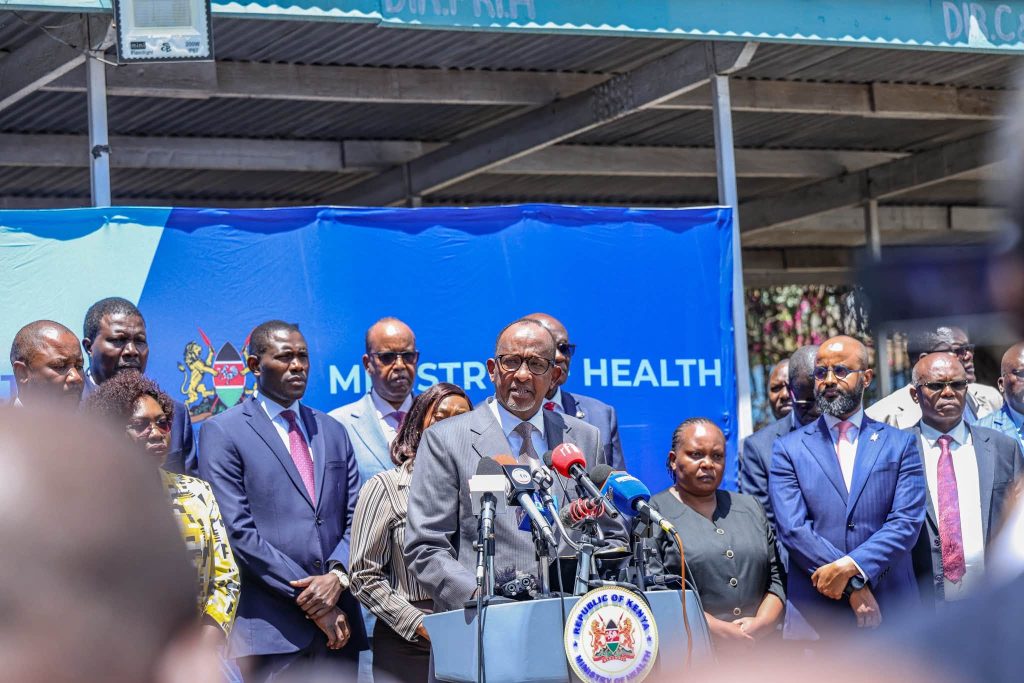
This is not a distant concern. On October 6, 2026, Kenya confirmed its first imported case of Ebola caused by the Bundibugyo virus, linked to the outbreak in the Democratic Republic of the Congo (DRC) that has also reached Uganda.
Since then, further cases have been confirmed among close contacts of the first patient, including health workers who cared for him.
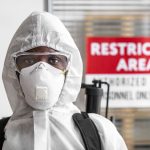
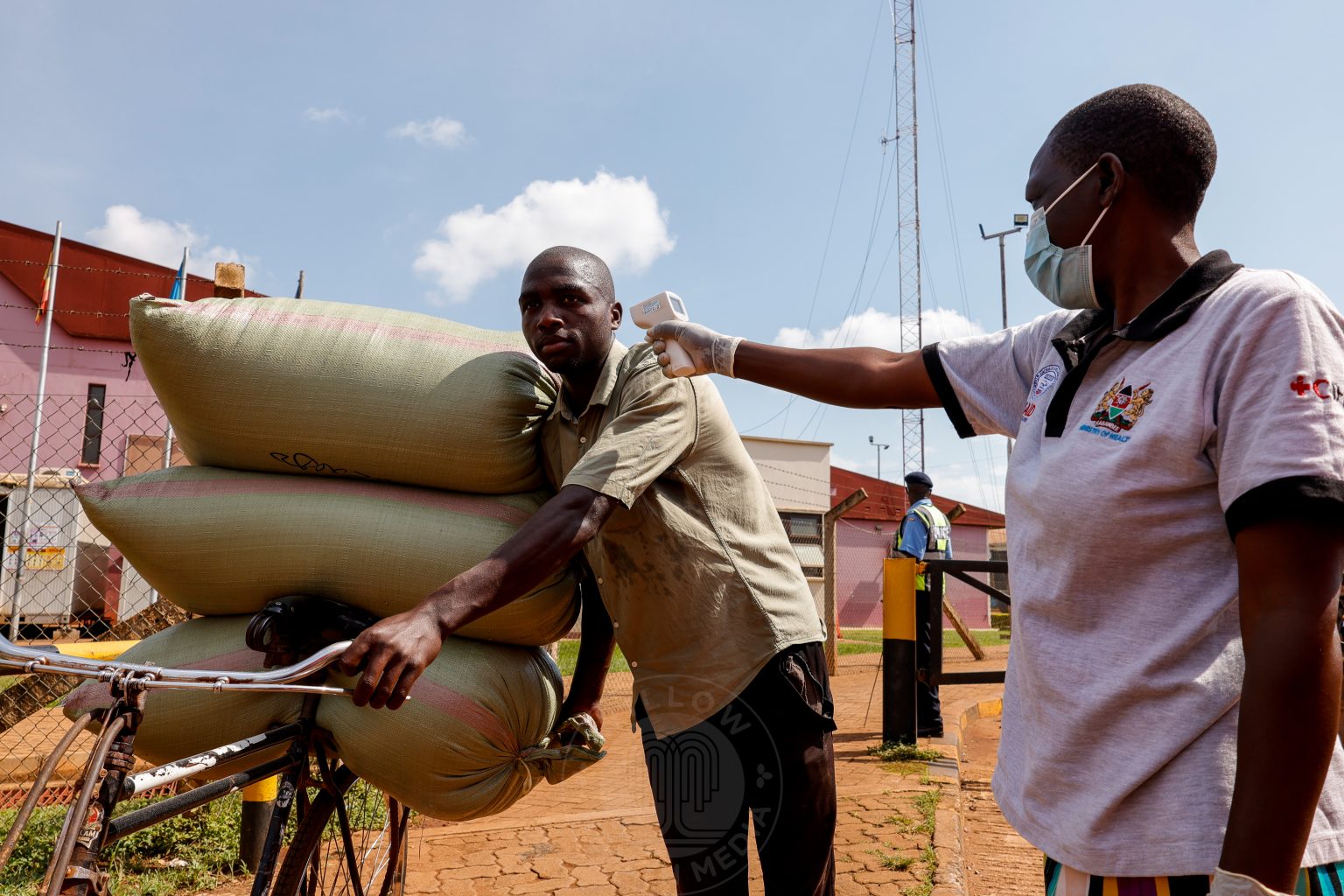
The Ministry of Health, working with county governments and partners, has activated its emergency response: tracing and monitoring contacts, isolating and caring for patients, strengthening screening at points of entry and supporting health facilities. There is currently no licensed vaccine or specific treatment for Bundibugyo virus disease. Prevention is, therefore, our most powerful tool.
History shows that infectious diseases can be prevented, controlled and, in some cases, eliminated through sustained public health interventions. Kenya is living proof. In 2018, the World Health Organization (WHO) certified the country free of Guinea worm disease.
The same year, Kenya’s elimination of maternal and neonatal tetanus as a public health problem was validated, following years of vaccination and better maternal and newborn care. More recently, in August 2025, WHO validated Kenya’s elimination of human African trypanosomiasis, commonly known as sleeping sickness, as a public health problem, making Kenya the tenth country to reach this milestone.
Uganda ended the outbreak of Ebola caused by Sudan virus via surveillance, contact tracing, infection prevention, clinical care
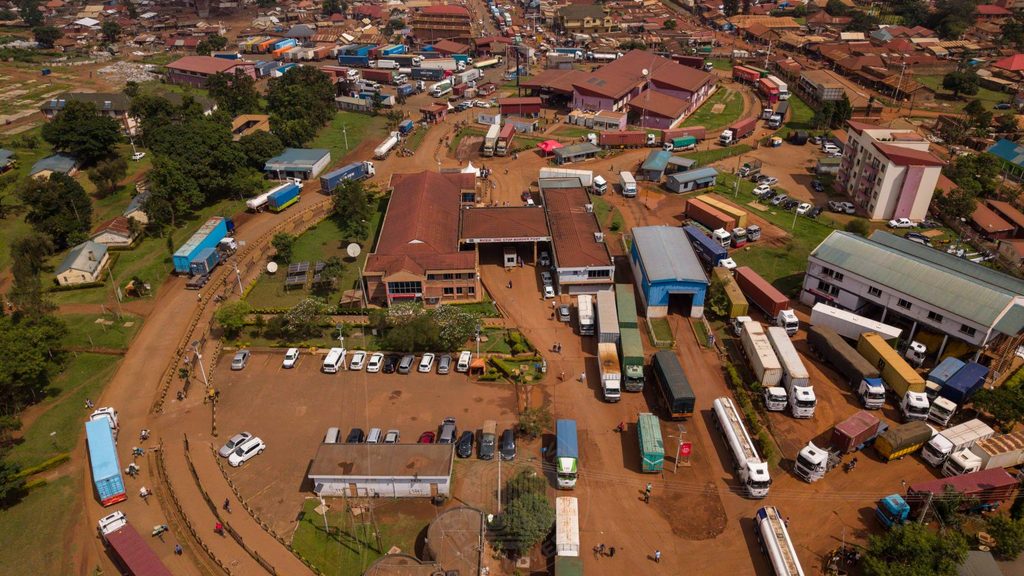
These achievements show what surveillance, vaccination, community engagement and coordinated action can accomplish when governments, health professionals, partners and communities work towards a common goal.
Uganda offers another important lesson. In September 2022, it declared an outbreak of Ebola caused by the Sudan virus, for which, as with Bundibugyo today, there was no licensed vaccine.
Through intensified surveillance, contact tracing, infection prevention, clinical care and community engagement, Uganda ended the outbreak by January 2023. Its experience showed that timely action, coordinated leadership and public cooperation can interrupt transmission even without vaccines or specific treatments. However, these achievements must not breed complacency.
Keeping diseases eliminated requires continued surveillance, while emerging and re-emerging infections demand constant preparedness. Growing population movement, urbanisation and international travel mean that disease threats do not respect borders. An infection detected in one community can quickly become a wider concern if prevention and response are delayed. Understanding how diseases spread is fundamental to prevention.
Ebola spreads through direct contact with the blood or body fluids of a sick person, with materials contaminated by those fluids, or with the body of someone who has died of the disease.

This is why early isolation, strict infection prevention in health facilities and safe burials are essential.
Mpox spreads mainly through close physical contact, including sexual contact, and through contaminated materials. Cholera spreads through contaminated food and water, while measles and TB spread through the air. These differences call for disease-specific prevention and clear public communication that helps people recognise symptoms, understand risks and act appropriately.
CHPs, religious leaders, teachers and other trusted voices have an important role in health information
One of the greatest challenges remains the gap between awareness and action. People may know that infectious diseases are dangerous yet delay seeking care, miss vaccinations or ignore preventive guidance. Others hide symptoms for fear of stigma or discrimination. Public health education must therefore go beyond announcing outbreaks to encouraging practical behaviour that protects individuals, families and communities.
Community health promoters, religious leaders, teachers and other trusted voices have an important role in turning health information into everyday practice. Public health messages must reach households, schools, workplaces, markets and places of worship. Communities should be empowered to recognise possible symptoms, seek care early and cooperate with health authorities.

Governments must equally sustain investment in disease surveillance, laboratory capacity, vaccination, primary healthcare, safe water, sanitation and emergency preparedness.
Health facilities need trained personnel, adequate protective equipment and reliable systems for screening, isolating, reporting and managing suspected infections.
The infection of health workers in the current outbreak is a sobering reminder that those who care for the sick must themselves be protected. Every facility must maintain a high index of suspicion, triage patients carefully and apply infection prevention and control measures at all times. The media and digital platforms also carry significant responsibility. Misinformation about how diseases spread, vaccination and treatment can create fear and undermine public confidence. Journalists, broadcasters, content creators and social media users must prioritise verified information and responsible communication.
Equally important is rejecting stigma against patients, their families and the health workers caring for them, as discrimination discourages early reporting and treatment.
Wash your hands regularly, consume safe food and water, keep recommended vaccinations up to date, seek medical attention promptly
Prevention must also extend beyond the health sector. Schools, employers, transport operators, hospitality establishments and other institutions should maintain appropriate hygiene, sanitation and workplace health measures. Every sector has a responsibility to create environments that reduce preventable infections.
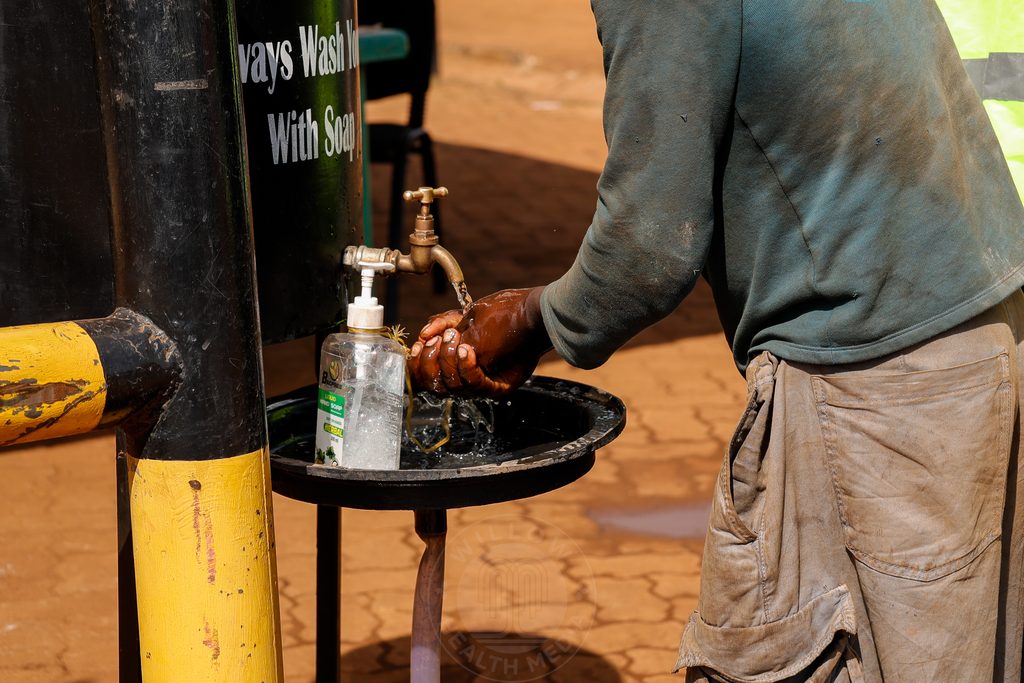
For the public, the call to action is immediate. Wash your hands regularly, consume safe food and water, keep recommended vaccinations up to date and seek medical attention promptly when symptoms arise.
Anyone who develops fever, weakness, vomiting, diarrhoea or unexplained bleeding after contact with a suspected Ebola case should avoid self-medication, limit contact with others and immediately call the Ministry of Health’s toll-free hotline, 719, for guidance. Follow disease-specific public health advice, cooperate with health authorities and share only verified information. Families should support affected members, while communities must promote compassion rather than fear.
Kenya’s success in eliminating and controlling infectious diseases must inspire an even greater commitment to preventing Ebola today. Every action matters, from seeking care early to sharing accurate information and protecting those at risk.
The lesson is clear: infectious diseases can be controlled when communities are informed, health systems are prepared and everyone plays their part. Our greatest opportunity to save lives lies not only in responding to outbreaks, but in preventing infections before they occur.
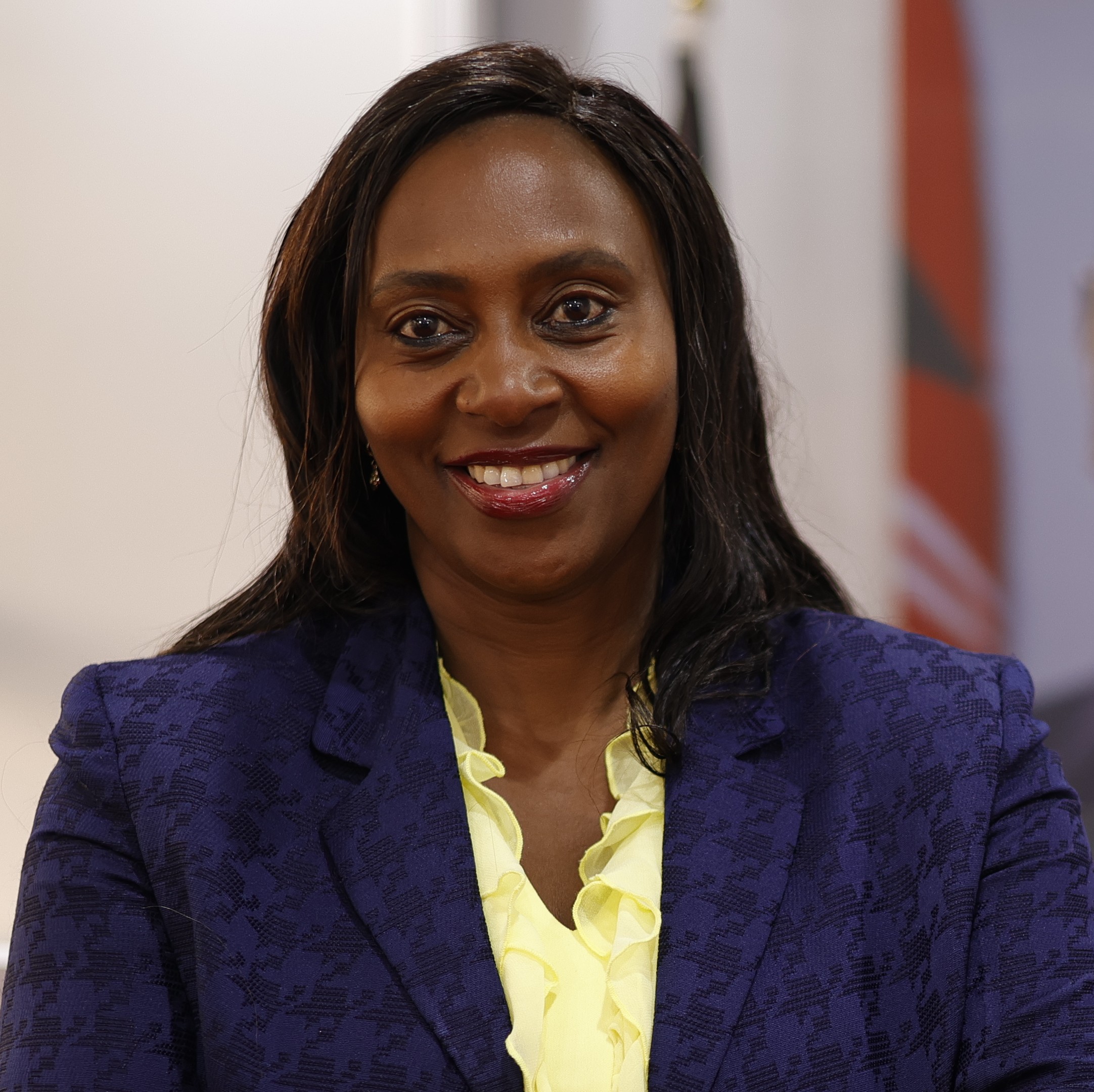
Mary Muthoni Muriuki, CBS, is the Principal Secretary, State Department for Public Health and Professional Standards
We believe in the free flow of information
Republish our articles for free, online or in print, under Creative Commons licence.