


A Bundibugyo vaccine candidate has reached speedy trials as Kenya receives 500 doses of remdesivir, an antiviral from Rwanda. However, global leaders wonder how DRC cannot produce its own vaccine almost 50 years after Ebola was discovered there. That, they say, must change.
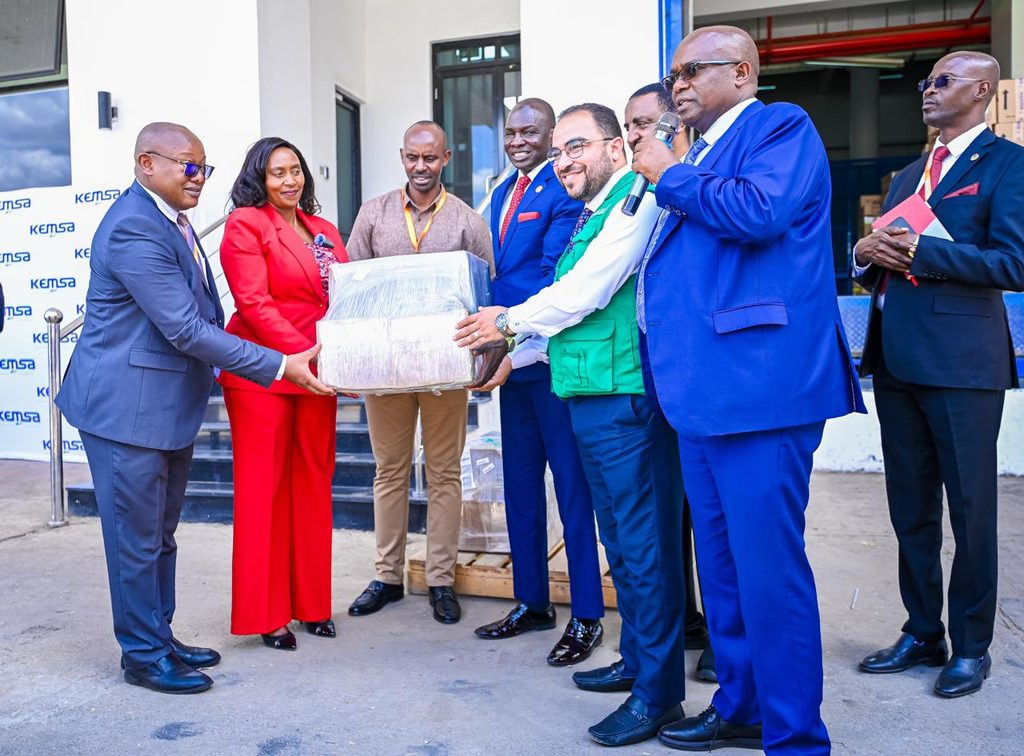
Rwanda has donated 500 doses of Remdesivir, an antiviral, to Kenya to support the response to Ebola Virus Disease (EVD) caused by the Bundibugyo species, a rare form of Ebola. There is no licensed vaccine or treatment for Bundibugyo virus. Remdesivir, approved for Covid-19, is being used under compassionate arrangement while trials test whether it works against EVD.
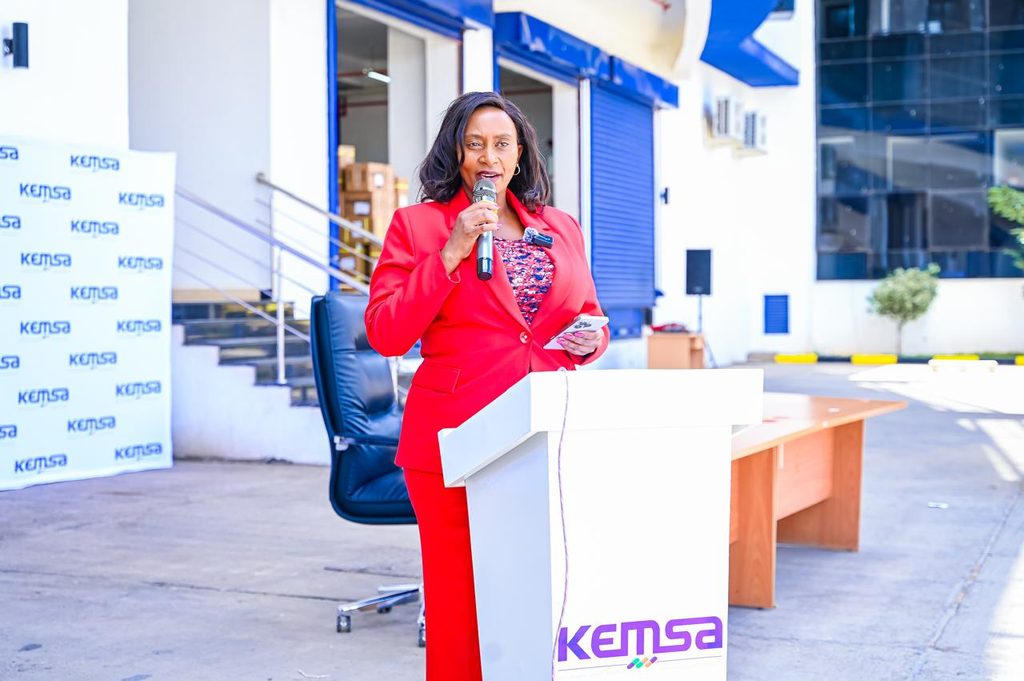
The Africa Centres for Disease Control and Prevention (Africa CDC) facilitated the donation and handed over the treatment in Nairobi on Wednesday to Mary Muthoni, Principal Secretary for Public Health and Professional Standards.
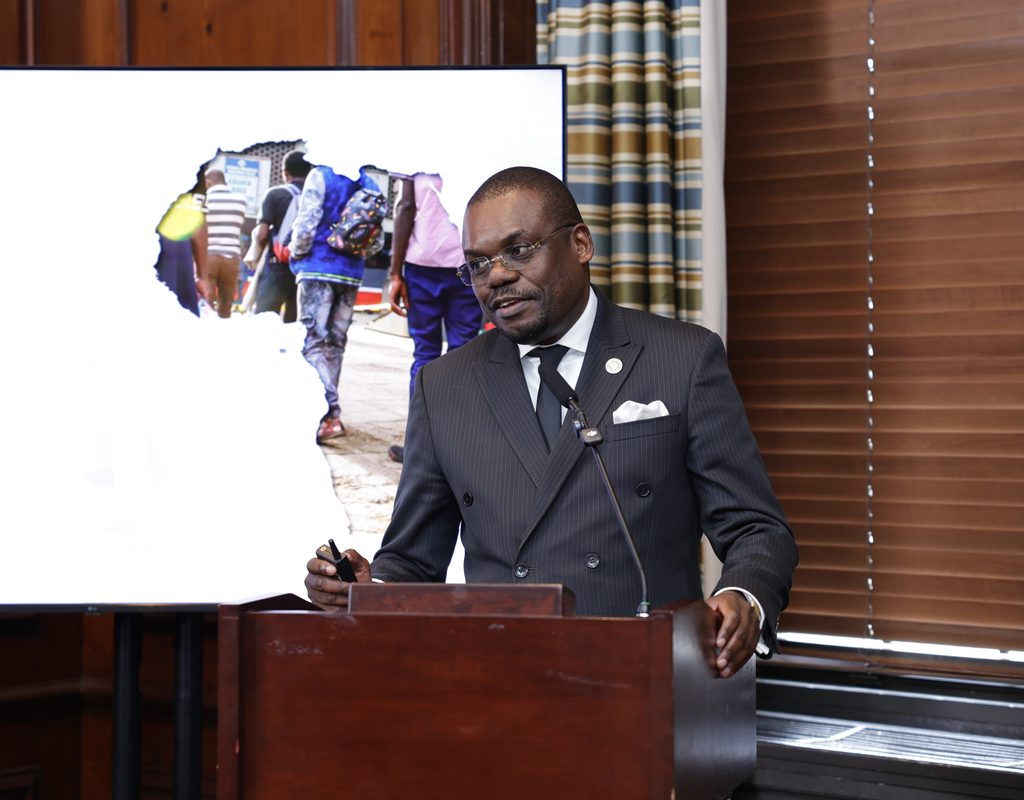
Africa CDC Director General Dr Jean Kaseya called the handover “African solidarity in action”. He said the agency is also supporting the training of healthcare workers and helping to deploy Ugandan experts to strengthen clinical care in Kenya.
He commended Rwanda for its generosity, Kenya for its leadership and Uganda for sharing its expertise and described the cooperation as the Africa Health Security and Sovereignty Agenda at work.
The donation comes five months into an outbreak that Africa CDC declared a Public Health Emergency of Continental Security on May 18. The virus continues to spread in the Democratic Republic of Congo (DRC), and cases have now been reported in Kenya and Nigeria, stretching the response across Central, Eastern and Western Africa.
On October 28, Africa CDC will convene African Ministers of Health in a virtual meeting to assess the situation and strengthen cross-border coordination. The talks are also expected to inform a Heads of State and Government Summit under African Union Chairperson, President Évariste Ndayishimiye of Burundi.
“Ebola is crossing borders,” Dr Kaseya said. “Our response must move faster, with stronger coordination, greater solidarity and decisive political leadership.”
During the 2014 West African outbreak, field trials took almost 16 months to begin
Beyond the continent, work on a vaccine is moving faster than in any previous Ebola outbreak. A candidate vaccine against the Bundibugyo strain, developed by Singapore’s Hilleman Laboratories, was due to enter clinical trials this October, a little over four months after the outbreak in the DRC was confirmed. During the 2014 West African outbreak, field trials took almost 16 months to begin.
The timeline was disclosed at a closed-door side event in New York ahead of the high-level meeting on pandemic preparedness at the 81st United Nations General Assembly (UNGA81).
Global health leaders credited the speed to close coordination between research funders and vaccine buyers. They also warned of three gaps.
Cooperation still depends on personal relationships rather than formal structures, the DRC has no domestic vaccine manufacturing capacity, and therapeutics and diagnostics lack the financing that has accelerated vaccines.
The outbreak in DRC has now infected more than 9,500 people, with a case fatality rate of 48.2 per cent, according to data from the World Health Organization (WHO).
Singapore’s Ministry of Health has set out a three-part architecture for preparedness. Plan A is the global framework built around the WHO Pandemic Agreement and the Pandemic Fund.
Plan B is regional manufacturing resilience, such as the African Union’s target of producing 60 per cent of the continent’s vaccine needs by 2040. Plan C is a network of trusted partners that can move fast when regional capacity stalls.
Hilleman, a non-profit joint venture between MSD and Wellcome Trust, sits within Plan C and will go a long way in bridging the two “valleys of death” in vaccine development: manufacturing scale-up and clinical trials.
With backing from the Coalition for Epidemic Preparedness Innovations (CEPI), the laboratory is adapting the recombinant vesicular stomatitis virus (VSV) platform behind MSD’s licensed Zaire Ebola vaccine.
Hilleman, whose annual capacity is equivalent to 50 to 60 million doses of drug substance, or roughly 12 million finished doses, projects that the first clinical trial batch would be ready by the end of the year.
On July 30, 2026, Hilleman Laboratories announced on its website that it had received $8.5 million (Ksh1.1 billion) in CEPI funding and “Will advance development and manufacture clinical supply of the investigational vaccine… as scientists ramp up efforts to respond to one of the largest Ebola outbreaks on record…”
Gavi has authorised $50 million (Ksh6.5 billion) in operational funding for DRC and neighbouring countries
CEPI reckons Gavi’s advance purchase commitments signal to manufacturers that a market will exist if trials succeed. Gavi, the Vaccine Alliance, committed $40 million (Ksh5.2 billion) towards an advance purchase agreement for a Bundibugyo vaccine. It has also drawn on its $500 million (Ksh64.6 billion) First Response Fund, created after Covid-19 exposed how slowly money moved when it was needed most.
Gavi has authorised $50 million (Ksh6.5 billion) in operational funding for the DRC and neighbouring countries, and pledged support to the Central African Republic should the outbreak cross the border.
It also committed an additional $7 million this August to fund shipment of 70,000 doses of the Ervebo vaccine to DRC.
Of the funding, Gavi CEO Dr Sania Nishtar said in a press release that “The new funding will help save lives, keep other deadly diseases at bay and support the rollout of the Ervebo vaccine.” Yet the partnership rests on goodwill. Gavi asked what would happen if the heads of the two organisations were not on speaking terms, warning that nothing currently obliges them to cooperate. It called on the emerging global health architecture to build formal mechanisms, rather than rely on organisations finding each other during a crisis.
A Congolese pharmacist asked why the DRC still has no domestic vaccine manufacturing capacity, almost 50 years after Ebola was first identified in Yambuku in 1976. CEPI pointed to the country’s scientific leadership. The Institut National de Recherche Biomédicale (INRB) is running the clinical trials, and the scientist who co-discovered the virus remains involved in the response.
Hilleman has also trained about a dozen African pharmacists and engineers in Singapore
CEPI is also supporting Egyptian manufacturer Minapharm to develop a Bundibugyo vaccine for production on the continent. Gavi argued that local manufacturing depends on governments creating the right conditions.
These include regulatory capacity, tax incentives, domestic sourcing of raw materials and, critically, a continental commitment to buy African-made vaccines.
Gavi’s $1.2 billion (Ksh155 billion) African Vaccine Manufacturing Accelerator, launched in June 2024, has since been reworked from a subsidy scheme into a package that covers procurement as well as production incentives.
MSD said it has issued royalty-free licences for HIV prevention products to manufacturers in Uganda, Kenya and South Africa. Hilleman has also trained about a dozen African pharmacists and engineers in Singapore. IAVI said it is working with the Institut Pasteur in Dakar to transfer manufacturing of vaccines based on vesicular stomatitis virus (VSV), including vaccines against Lassa fever and Marburg virus, to Africa.
Wellcome warned that therapeutics and diagnostics lack comparable financing, leaving what it called cliff edges in the response. It cautioned that no one can assume the mechanism for the next pandemic will be known in advance.
We believe in the free flow of information
Republish our articles for free, online or in print, under Creative Commons licence.