
Four new cases of Bundibugyo virus disease, including three health workers, were detected among people already in quarantine, bringing the tally to seven. However, the Ministry of Health says there is no evidence of community transmission and that the risk to the public remains low.
Three healthcare workers who treated Kenya’s first person with Bundibugyo virus disease (BVD), before anyone knew he had Ebola, have tested positive for the virus. So has a close male relative of the man.
The four new infections, confirmed by the Ministry of Health on October 17, 2026, take Kenya’s total to seven confirmed cases, including one death. However, the ministry is urging calm and insists the situation is under control, pointing to where the new cases were found.
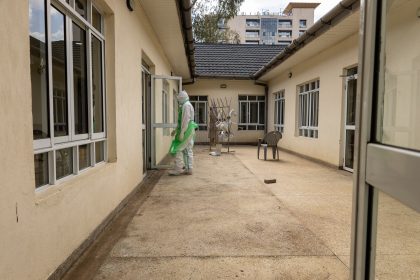
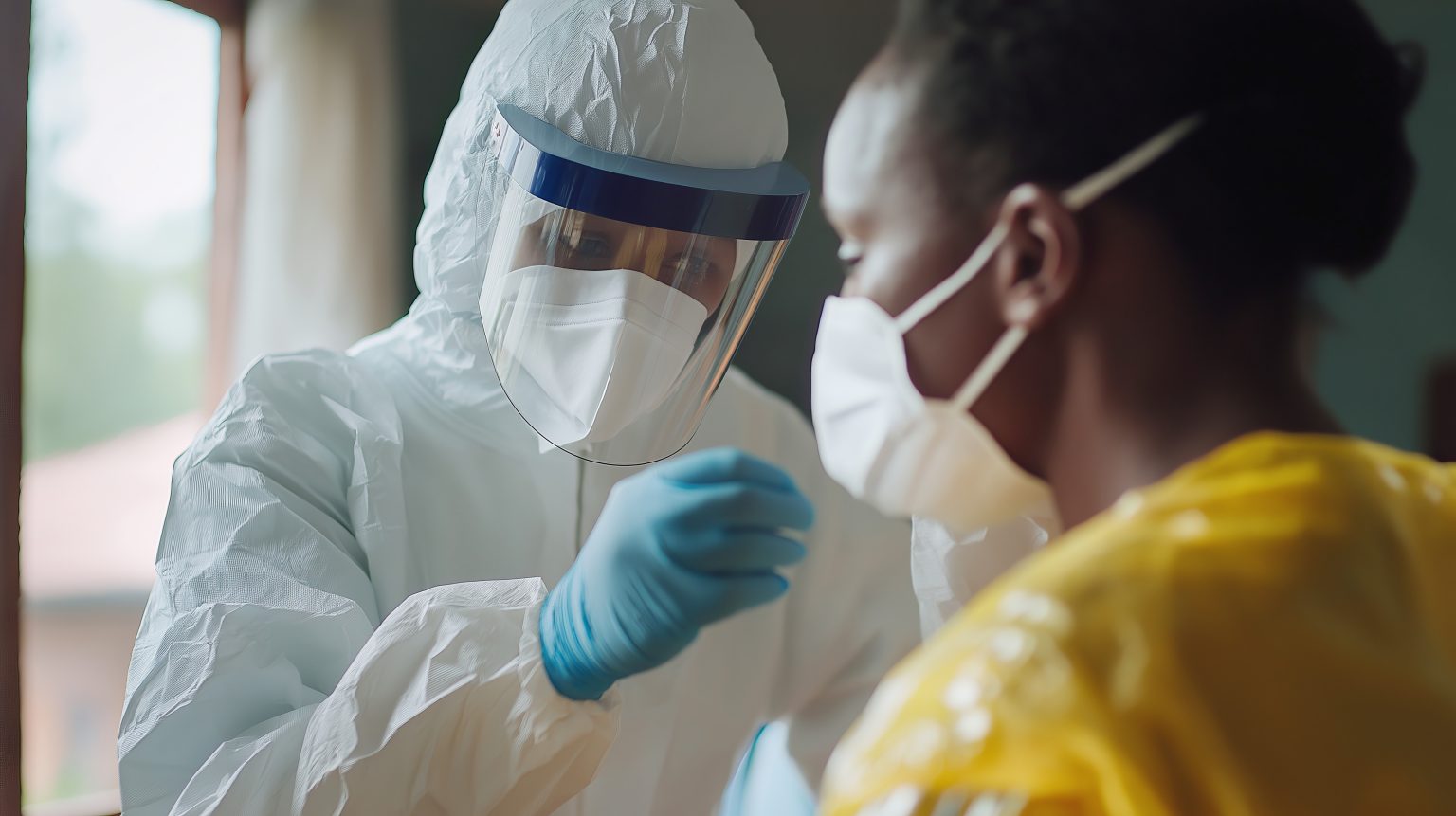
All four were already in quarantine at two sites when they developed fever as their first symptom. Health officials isolated them immediately and collected specimens, which tested positive at both the National Virology Reference Laboratory and the Kenya Medical Research Institute (KEMRI) laboratory.
Early diagnosis, the ministry says, limits the risk to their families and the wider community and improves their chances of survival. All four are receiving supportive care.
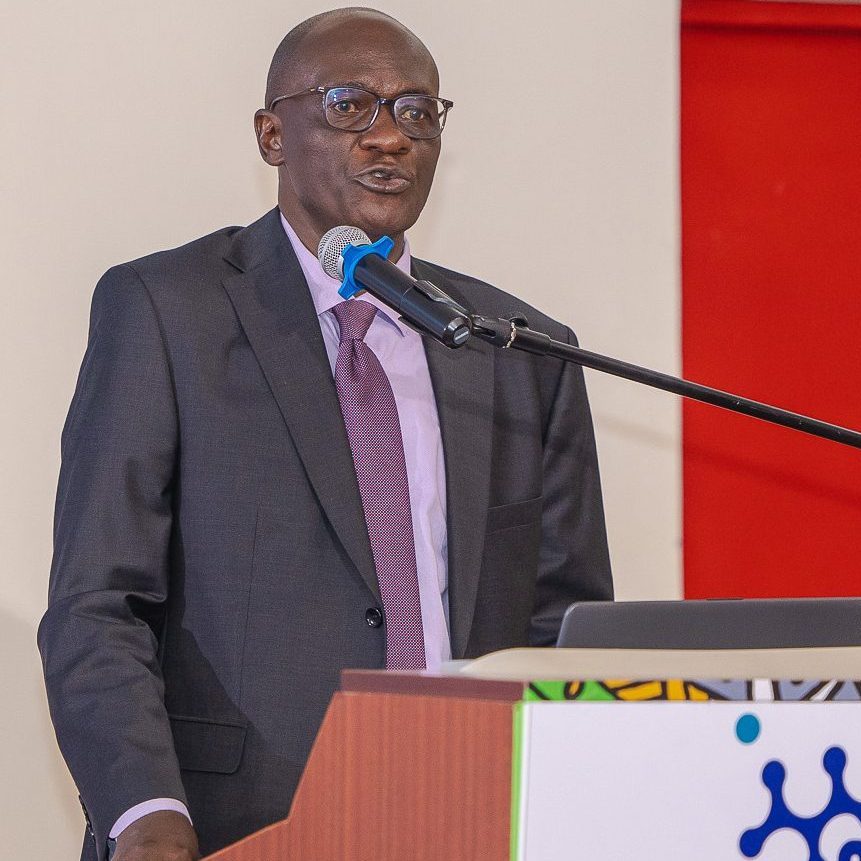
“The Ministry wishes to reassure Kenyans that the risk to the general public remains low as there is no evidence of community transmission of the disease,” said Dr Patrick Amoth, Director-General for Health, in the statement. “We urge Kenyans to remain calm and stay vigilant as the government is doing everything possible to bring this outbreak under control,” he added.
A 39-year-old man, a close family contact, became Kenya’s second confirmed case on October 14
Kenya’s outbreak began with a single traveller. “The index case was a Kenyan who lived in DRC for approximately seven years and travelled through Kampala to Kenya,” said Dr Ahmed Fidhow, who leads the Ministry of Health’s Disease Surveillance and Response Unit.
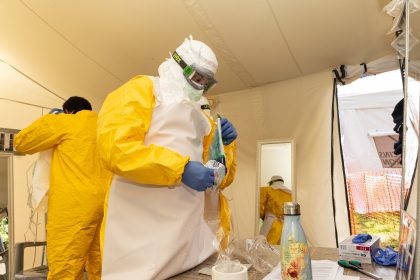
According to the World Health Organization (WHO), the man landed in Nairobi on October 3 and died on October 5. Over October 3 and 4, before his infection was established, three healthcare workers managed his care in hospital, but they did not know he had Ebola.
The virus next surfaced in his family. A 39-year-old man, a close family contact, became Kenya’s second confirmed case on October 14. Two days later, a 65-year-old woman, also a close relative, became the third. Both were already in quarantine when their symptoms appeared, and the ministry says both are now stable and responding well to treatment.
The latest four complete the chain so far. The male relative had been in quarantine since October 6.
The healthcare workers, two men and a woman aged 29, 35 and 32 respectively, entered quarantine on October 9, six days after they first attended to him. The ministry says it is closely monitoring four family members of the deceased and every health worker who cared for him.
Kenya’s seven cases are a small offshoot of a far larger epidemic. Since the outbreak was reported on May 15, 2026, the Democratic Republic of the Congo (DRC) had reported a total of 9 277 confirmed cases, including 4 478 related deaths by October 14, according to the European Centre for Disease Prevention and Control. Nearly half of everyone confirmed to have the disease has died.
Health workers in the DRC have paid a heavy price, exposed while treating patients, running laboratory investigations and supporting community response. On July 11, Africa CDC reported that 112 healthcare workers there had contracted Bundibugyo virus since the outbreak began, and 35 of them had died by July 9.
“We honour the 112 health workers infected in DRC since this outbreak began, including the 35 who lost their lives, and every responder serving affected communities,” Africa CDC Director-General Dr Jean Kaseya said in a statement.
Since the outbreak began in May, 685,027 people have been screened, according to the ministry
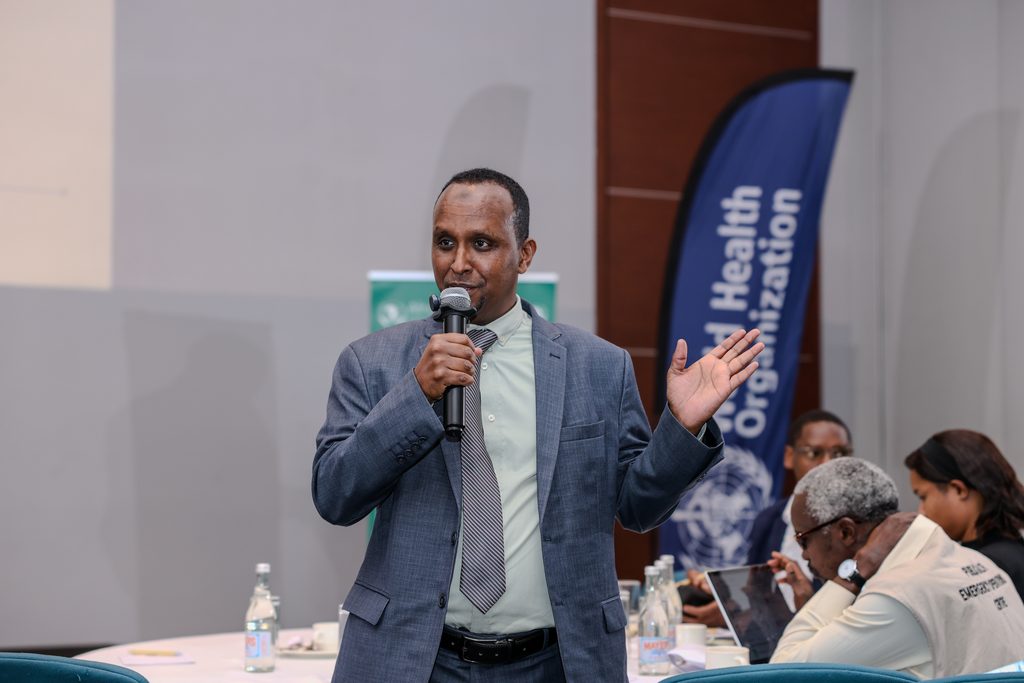
Speaking at a two-day media engagement on Ebola preparedness and response in Nairobi on 14 and 15 October, convened by the Ministry of Health and the Kenya National Public Health Institute (KNPHI) with support from Africa CDC and WHO, Dr Fidhow described surveillance as the health system’s lenses for detecting epidemics, central to catching imported infections before they spread.
Collecting information, he stressed, must be followed by timely public health action, as “Without an effective surveillance system, the rest of the response steps might not be very effective,” he said. “The goal of timely response is to avert potential morbidities and mortalities.”
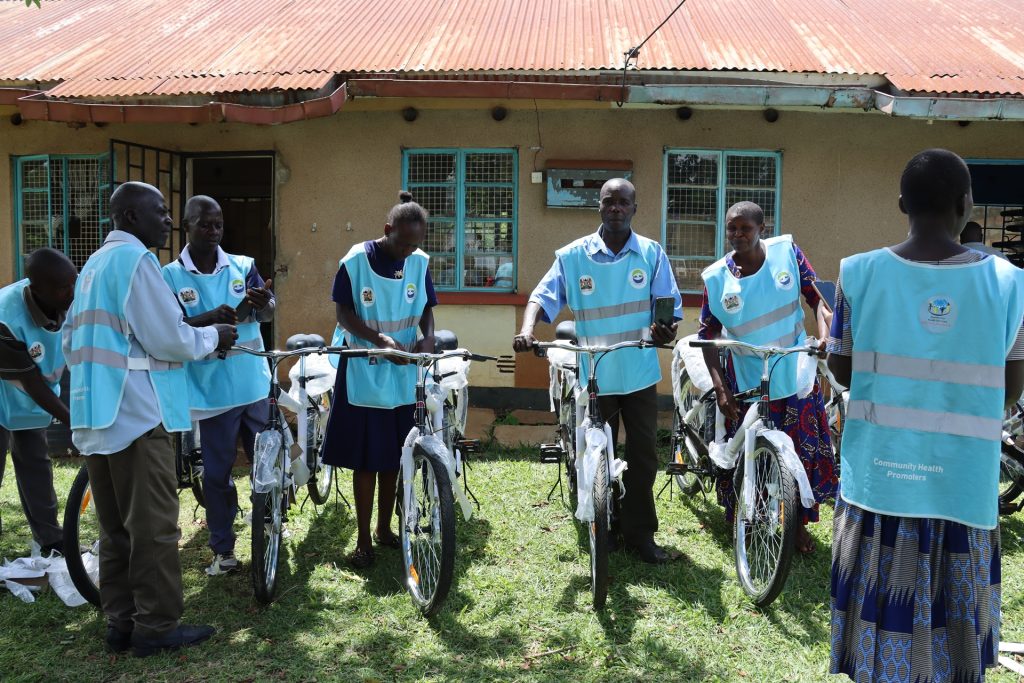
Kenya’s Integrated Disease Surveillance and Response system draws on health facilities, Community Health Promoters, border screening teams, laboratories, environmental surveillance and other sectors. Since the outbreak began in May, 685,027 people have been screened, according to the ministry.
The contact-tracing net has tightened quickly. Figures presented at the engagement showed that by 14 October, 129 contacts with minimal or high exposure had been listed and 116 were in quarantine under close monitoring, a tracing rate of 90 per cent. By 17 October the ministry had traced and quarantined 128 of 130 contacts, or 98.5 per cent. That is well above the global benchmark of 85 per cent required to break the chain of transmission.
Everyone in quarantine receives mental and psychosocial support, the ministry says. Life outside, meanwhile, goes on. “The country remains open for business, with no restrictions on travel, trade or public gatherings,” Dr Amoth’s statement read.
Early screening has allowed the ministry to detect the new cases among people already in quarantine
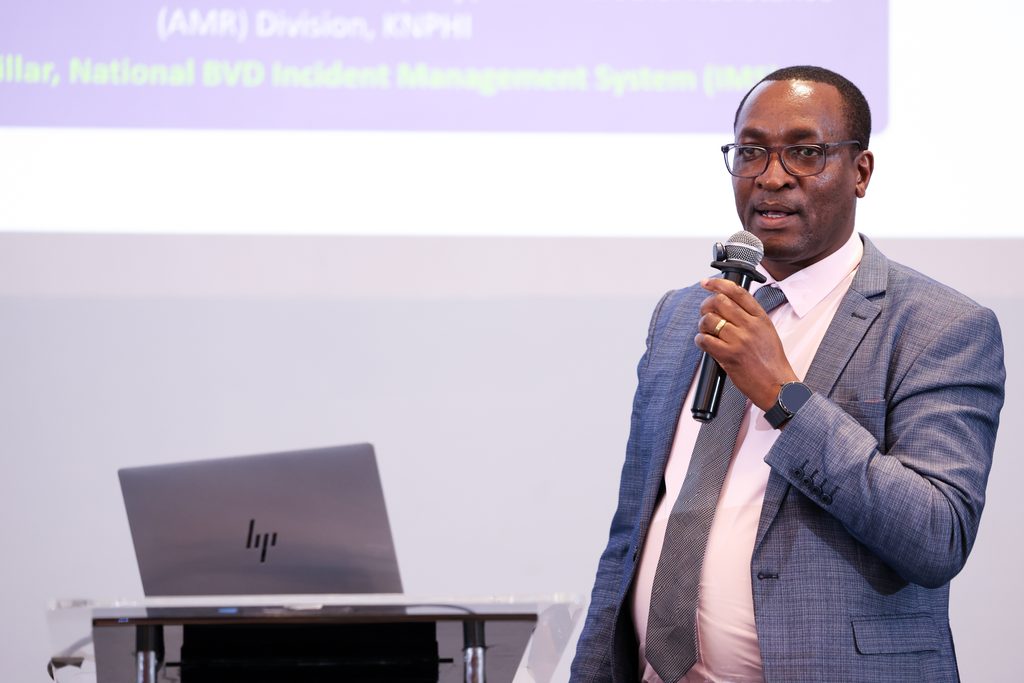
Ebola spreads through direct contact with the blood or body fluids of a sick or deceased person, the ministry reminded Kenyans, not through the air. Dr Irungu Kamau, Acting Head of Infection Prevention and Control at KNPHI, expanded on that at the media engagement.
“The only major route of transmission is when you have a direct contact with body fluids from either a case or a suspect or a sick patient,” he said, or with the body of someone who has died of the infection.
Those fluids include blood, vomit, stool, urine and semen, he explained, and the risk extends to bedding, clothes and any soiled items.
Touching the bodies of the dead carries risk too, and in healthcare settings so do needle-stick injuries, “which are quite common”.
Unlike Covid-19, he stressed, Ebola is not airborne. “It does not spread from a person who does not have symptoms. It does not spread if you are living near a quarantine facility, meaning the community around there is safe. It does not spread through vector bites like mosquitoes.”
Early screening, he said, is what has allowed the ministry to detect the new cases among people already in quarantine. But he warned that stigma stands in the way.
“We need to destigmatise the point of screening and separation. We need to destigmatise the isolation itself,” said Dr Kamau, adding that stigma around quarantine facilities was causing “a lot of challenges”. “Quarantine protects families while contacts are checked daily. Isolation gives patients a safe area and medical care.”
The ministry lists fever, unusual tiredness, muscle or joint pains, sore throat, vomiting, diarrhoea and unexplained bleeding as warning signs, and urges anyone who has them to report at once to the nearest health facility.
Each untraced contact is a potential chain of infection outside the ministry’s view
Sheila Mwebaze, community engagement and public trust officer at Africa CDC, added headache and body weakness to the list, saying some people also develop a skin rash. But the symptom many people most associate with Ebola may never appear.
“For this particular Ebola, the Bundibugyo virus one, bleeding may not always occur,” she said. Yet some people wait for bleeding before seeking help, by which time they have “reached pretty much at the end”.
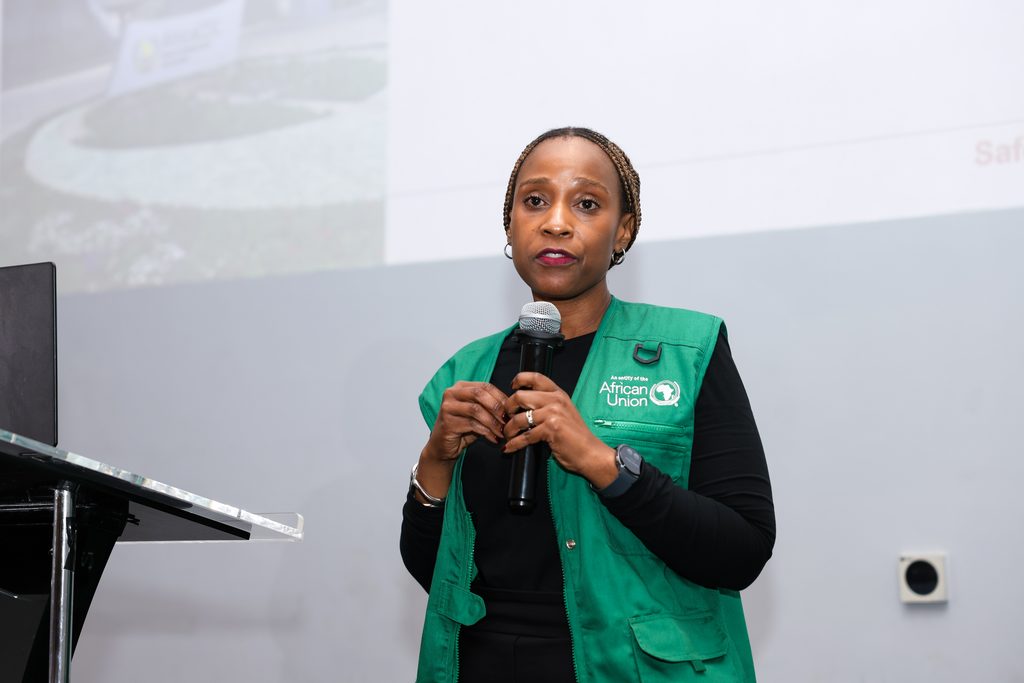
The early signs also resemble malaria, dengue and typhoid fever. “Only a laboratory test can confirm Ebola,” Ms Mwebaze said. She urged anyone exposed to Ebola or to a confirmed case to seek help promptly by calling the toll-free line 719 for advice and self-referral.
The danger has not passed as two contacts are still being traced.
The ministry warns that new cases among quarantined contacts are possible until their 21-day monitoring period ends, though any who develop symptoms “will be detected and treated just as quickly”. Because symptoms can appear at any point in that window, contacts who seem healthy still need monitoring and rapid testing.
The new cases also expose the most vulnerable point in any Ebola response, the first encounter between a sick traveller and a health worker with no reason to suspect the virus.
The tracing figures carry their own warning. On October 14, one in ten listed contacts was not yet in quarantine. That gap has narrowed to two people, but each untraced contact is a potential chain of infection outside the ministry’s view.
Other weak spots lie in the community. Dr Kamau’s warning about stigma suggests some contacts may resist being separated. Mwebaze’s caution that people wait for bleeding, or mistake Ebola for malaria, points to sick people arriving late at clinics, where health workers may meet them without warning.
A contaminated hand that touches a shared surface can pass infection to the next person who touches it
The experts’ prescriptions are consistent. Africa CDC says governments and partners are supporting surveillance, laboratory testing, case management, infection prevention and control, contact tracing and community engagement.
For Dr Kaseya, protecting the front line comes first. “Reliable protective equipment, strong infection prevention systems, continuous training, psychosocial support and safe working conditions are essential for every person delivering this response,” he said.
Dr Fidhow’s test is speed, turning data into action that averts illness and death. For the public, the advice is to seek help after any exposure rather than wait for bleeding. As the ministry’s statement puts it, “Early reporting saves lives.”
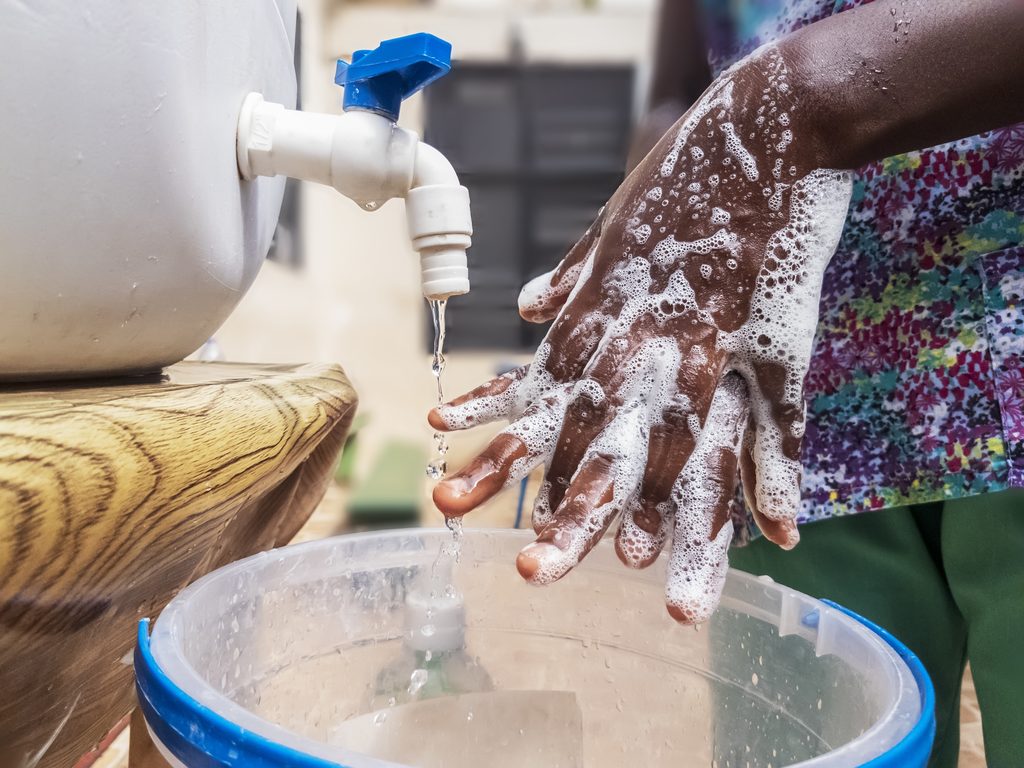
Dr Kamau’s answer needs nothing more than soap, water or sanitizer. “To me, this is the simplest story anyone can tell,” he said of clean hands. Standard precautions are the core of Infection Prevention and Control, he explained, and “the most critical one that has been documented to prevent up to 80 per cent of infections is proper hand hygiene”, whether by handwashing or alcohol-based hand rub.
“The viruses, bacteria do not move. They have no legs. They are not mobile,” he said. A contaminated hand that touches a shared surface can pass infection to the next person who touches it. “So, hand hygiene becomes the most critical measure to prevent these transmissions.”
The ministry’s call for calm rests on one fact. Every case since the first has surfaced inside quarantine. Keeping it that way depends on tracing, testing, early reporting and, as Dr Kamau put it, clean hands.
“If I perform proper hand hygiene, even if my hands were contaminated,” he said, “then I’m sure that I’ve protected any other person I come into contact with.”
We believe in the free flow of information
Republish our articles for free, online or in print, under Creative Commons licence.