


Africa wants to make 60 per cent of its health products by 2040. Experts warn the systems behind the factories are not yet in place.
Africa’s ambition to manufacture more of the medicines it needs is moving from political declarations to practical action, but speakers at a high-level United Nations General Assembly side event say factories alone will not deliver pharmaceutical self-reliance.
The continent will need stronger regulatory systems, predictable markets, long-term financing, technology transfer and procurement policies that deliberately support African manufacturers. Speakers called for pooled buying across countries, harmonised regulation and a share of procurement reserved for products made in Africa.
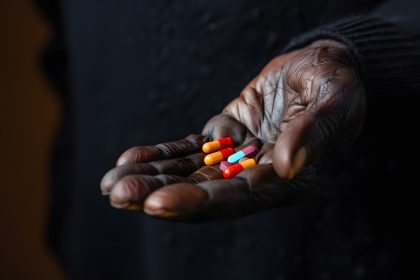
At the centre of the discussion was Alimatravir, an investigational once-monthly oral HIV prevention medicine now in Phase 3 clinical trials. Manufacturers in Kenya, Uganda and South Africa are preparing to produce it if it succeeds. The drug could become a practical test of whether Africa can move from taking part in medical research to producing and delivering the medicines that result.
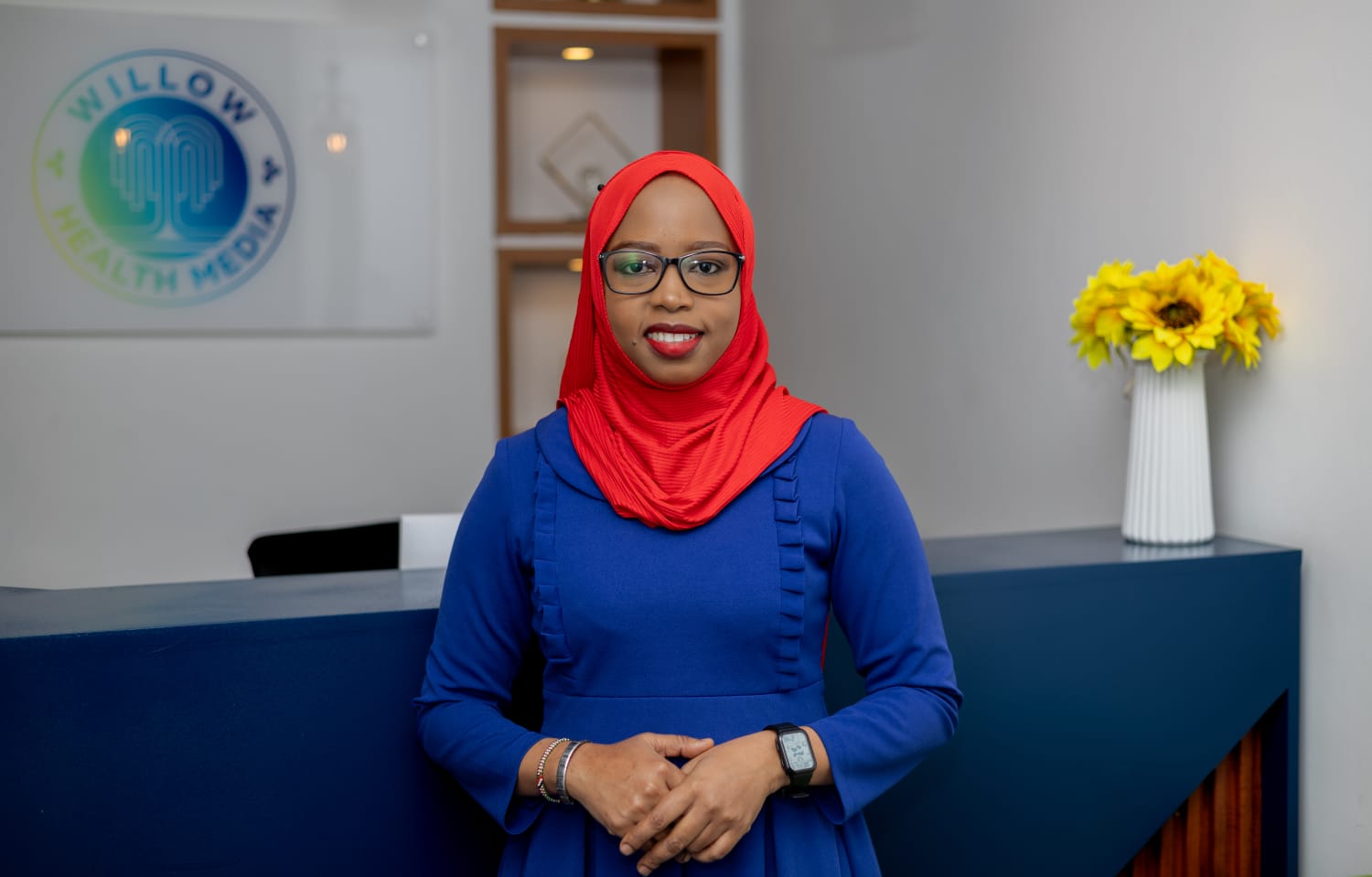
The event, titled “Roadmap to Self Reliance: What’s Needed for Sustainable Pharmaceutical Manufacturing in Africa,” was hosted in New York by Kenya’s Ministry of Health and the Africa Centres for Disease Control and Prevention (Africa CDC). It was moderated by Dr Mercy Korir, CEO and Editor-in-Chief of Willow Health Media, and brought together policymakers, regulators, manufacturers, development financiers and health technology experts.
Africa bears a significant share of global disease burden but manufactures the least drugs
Kenya’s Health Cabinet Secretary Aden Duale opened the discussion by framing pharmaceutical manufacturing as a matter of health security and sovereignty. Africa, he said, bears a significant share of the global disease burden but manufactures relatively little of the medicines it consumes.
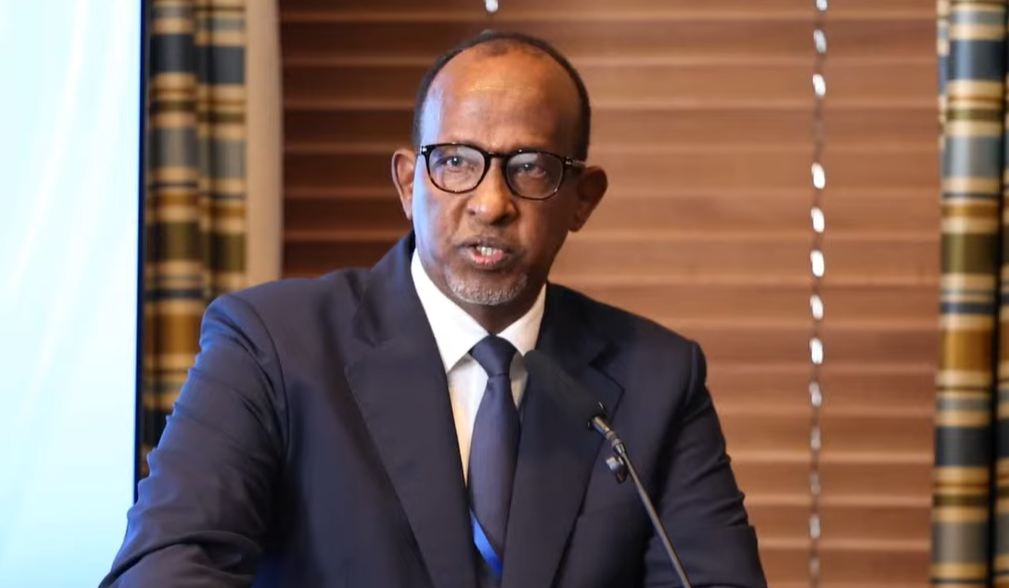
The African Union (AU) has set an ambition of producing 60 per cent of the continent’s health products on African soil by 2040, with President William Ruto serving as the AU champion for local manufacturing and health technologies. But Duale cautioned that political ambition must be matched by systems capable of supporting manufacturers. “Ambition without architecture produces monuments and not systems,” he said.
Dr Ouma Oluga, Principal Secretary for the State Department for Medical Services, said the issue is fundamentally about health sovereignty. “Health sovereignty, which includes security of commodity availability, which, if you make it simple, is local manufacturing of pharmaceutical products,” he said. He added that local manufacturing helps secure the supply of health commodities while strengthening Africa’s ability to respond to persistent health challenges, including HIV prevention.

Dr Jean Kaseya, Director-General of Africa CDC, pointed to the large number of clinical trials conducted on the continent. More than 20,000 people from four African countries had taken part in the Alimatravir trial, he noted.
Yet products emerging from such research have often been manufactured outside Africa. “We want to be from A to Z,” Dr Kaseya said. He argued that when production takes place elsewhere, Africa loses not only money but also scientific knowledge, technology and industrial capacity.
If drug trials are successful, African manufacturers should be able to produce them commercially
For him, pharmaceutical self-reliance means taking part in the entire value chain, from research and clinical trials to regulation, manufacturing, procurement and delivery.
Dr Priya Agrawal, Vice President for Health Equity and Partnerships at Merck Sharp & Dohme (MSD), said preparing for access cannot wait until the end of clinical development. If trials are successful, she said, “the objective should be to make the product available rapidly and sustainably, with African manufacturers able to produce it commercially.”

That matters for HIV prevention, she said, because two-thirds of HIV infections occur in Africa. A once-monthly pill could widen prevention choices and help reach the global goal of 20 million people on pre-exposure prophylaxis (PrEP), the use of medicine to prevent HIV infection, by 2030. About three to four million people currently use it.
Kenya is seeking to shorten the journey from regulatory approval to patient access. Duale said Universal Corporation Limited, a Kenyan pharmaceutical manufacturer, is preparing for production in parallel with Alimatravir’s clinical development. If successful, he said, “the approach could significantly reduce the time between regulatory approval and availability to patients.”
By combining purchasing needs of several countries, pooled procurement creates larger and more predictable markets
Ambition, however, requires a market. Dr Raji Tajudeen, Acting Deputy Director-General of Africa CDC, pointed to the Africa Pooled Procurement Mechanism (APPM) as one way to create the demand manufacturers need to justify investment. By combining the purchasing needs of several countries, pooled procurement creates larger and more predictable markets than fragmented national tenders.
Dr Tajudeen said the first APPM tender was launched in May 2026 for 10 priority reproductive and child health products. “The initiative is working with the United Nations Economic Commission for Africa and Afreximbank and has supported countries including Namibia and Botswana, with Ghana also in the process of joining.”

Predictability, though, must extend beyond a single tender. Dr Anne-Claire Amprou, France’s Ambassador for Global Health and Chair of the Unitaid Executive Board, identified two central requirements: sustainability and predictability.
“Sustainable pharmaceutical production requires scale, quality and competitive costs,” she said. Manufacturers need enough volume to operate efficiently, meet quality standards and compete with established producers. Predictability, she added, requires pooled demand, long-term purchasing commitments and a deliberate preference for African-made products where capacity exists.
Palu Dhanani, Chief Executive Officer of Universal Corporation Limited, echoed the point. He called on governments, Africa CDC, the Global Fund to Fight AIDS, Tuberculosis and Malaria (Global Fund) and other donors to consider reserving 25 to 30 per cent of procurement for locally manufactured products where capacity exists. Such commitments, he argued, would give manufacturers the confidence to invest.
With donor dollars and philanthropy declining, private sector needs to provide more integrated and innovative solutions
Building that capacity also requires money. Monisha Ashok, Director of Health Investments at the U.S. International Development Finance Corporation (DFC), said development finance institutions can support manufacturers across the health value chain, from production and supply chains to health infrastructure and digital health. “As you’re seeing now with kind of donor dollars and philanthropy declining, there is a role for the private sector to play with more integrated and innovative solutions.”

For manufacturing to become commercially sustainable, she said, investment must extend beyond factories to the systems that connect products with patients.
Regulation remains another major barrier. Dr Alex Juma, Technical Advisor at the African Medicines Agency (AMA), said differing regulatory requirements across African countries have historically raised the cost and time of bringing medicines to market. “AMA is working to address this through regulatory harmonisation and a regulatory innovation and manufacturing-readiness hub that allows manufacturers to engage regulators early, including before research and development begins.”
Juma said the approach is already producing results. The aim, he indicated, is to make it easier for manufacturers in Kenya and other African countries to sell beyond their domestic markets.
Technology will also shape whether self-reliance translates into better access. Ikechukwu Anoke, Co-Founder and CEO of Zuri Health, said Alimatravir’s monthly dosing could address not only a biological challenge but also the behavioural challenge of taking medicine consistently. Digital Health, he added, can connect medicines with patients through safer distribution, continuity of care and access to healthcare providers, including people who prefer discreet services.
For Africa, pharmaceutical self-reliance will ultimately be measured by whether they can sustainably produce quality medicines
Taken together, the discussions point to a shift in how Africa approaches pharmaceutical self-reliance. The question is no longer whether African countries can build factories. It is whether the continent can create a working ecosystem in which research builds local knowledge, technology is transferred, regulators cooperate across borders, manufacturers can access long-term capital, procurement creates predictable demand and health systems deliver products to patients.

Alimatravir could become one practical test of that model, both as a potential new HIV prevention option and as a measure of whether Africa can move from participating in research to producing and delivering medicines.
For Africa, pharmaceutical self-reliance will ultimately be measured not by the number of factories built, but by whether they can sustainably produce quality medicines, compete in regional markets and reliably reach the people who need them.
We believe in the free flow of information
Republish our articles for free, online or in print, under Creative Commons licence.