
Health CS Aden Duale has shut down a drug-import channel that helped keep medicine prices low, citing concerns over fake medicines and patient safety.
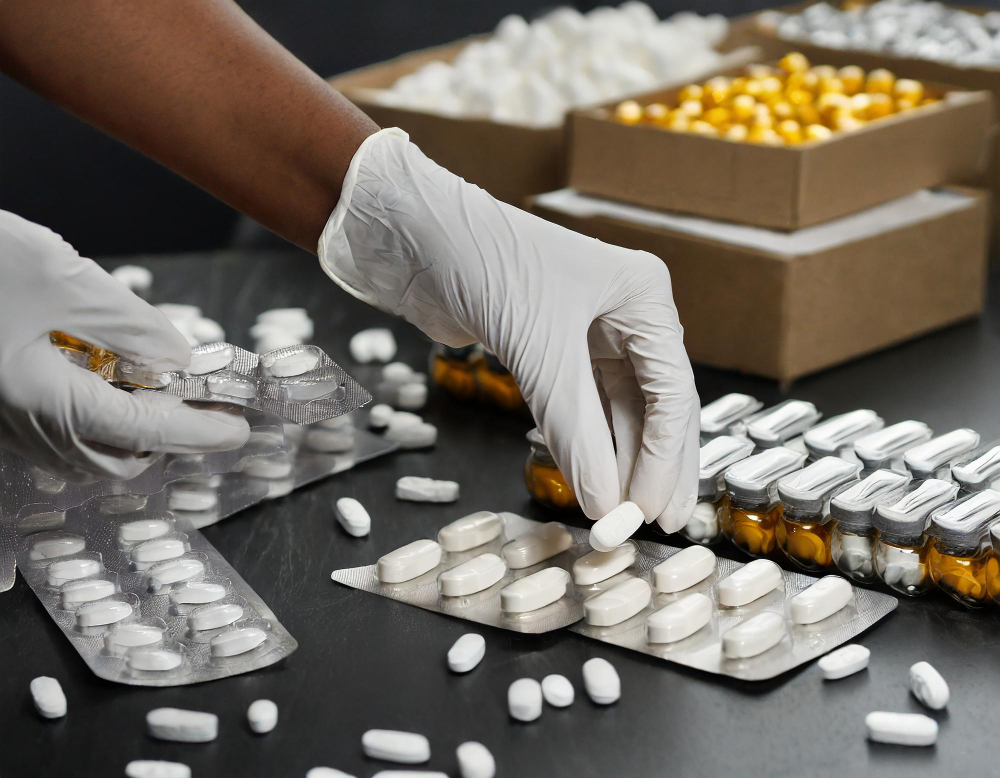
Kenya has indefinitely halted the parallel importation of medicines and other health technologies, Health Cabinet Secretary Aden Duale has announced, ending a practice that regulators say had grown too difficult to monitor and too exposed to counterfeit products.

Speaking during a visit to the Pharmacy and Poisons Board (PPB), Duale said the move was meant to strengthen regulatory oversight, safeguard patient safety and restore confidence in Kenya’s pharmaceutical supply chain. Going forward, medicines entering the country will only be allowed through approved, manufacturer-authorised channels, letting regulators track products from the point of manufacture to the patient.
“We decided to clean up the market by stopping all parallel imports, which had become rampant and caused significant problems in our country,” Duale said.
The policy had, in effect, already been in force for months. Duale disclosed that no application for parallel importation has been approved since October 1, 2025. “And I do not believe any will be approved again,” he said. “We made a deliberate decision to clean up the market and end parallel imports.”
The announcement comes amid growing concern over substandard and falsified medicines across Africa. According to the World Health Organization (WHO), one in every ten medical products on the continent is either substandard or falsified. Poor-quality antimalarial medicines contribute to an estimated 267,000 deaths annually, while ineffective antibiotics are linked to more than 169,000 child deaths from pneumonia each year.
Kenya has in recent months intensified efforts to strengthen medicine regulation, including setting up an Interministerial Steering Committee to oversee its National Action Plan on Substandard and Falsified Medical Products.
Parallel imports pass through multiple distributors in different countries before reaching Kenya
Government officials argue that parallel importation, though legal under regulations introduced in 2019, had become increasingly hard to police. Unlike medicines imported through authorised manufacturers, parallel imports often pass through multiple distributors in different countries before reaching Kenya, making it harder for regulators to verify their origin, storage conditions and authenticity. The Ministry of Health says ending the practice will improve traceability across the supply chain and reduce opportunities for counterfeit products to enter the market.
The decision follows a study that painted a troubling picture of medicine regulation in Nairobi. Researchers from Mount Kenya University surveyed 2,348 pharmaceutical outlets across all 85 wards in Nairobi between September 2023 and October 2024, and found that parallel-imported medicines had become deeply embedded in the city’s pharmaceutical market. About 90 per cent of pharmacies surveyed stocked at least one unauthorised parallel-imported medicine that did not comply with Kenyan regulatory requirements. More detailed assessments were carried out in Kilimani, Parklands, Kangemi, Korogocho, Njiru and Roysambu, wards chosen to represent different socio-economic settings and geographical locations.
The study identified 22 parallel-imported medicines, many used to treat chronic illnesses such as diabetes, cardiovascular disease, mental health disorders and urinary conditions. Researchers found that nearly half of these medicines already had affordable generic alternatives available in Kenya, with some products having more than ten registered generic versions on the local market. Yet they continued to reach pharmacy shelves through shadowed supply chains, beyond the reach of official distribution channels.

Questions also lingered over packaging and labelling. Nearly 90 per cent of the medicines examined carried labels written entirely in foreign languages, predominantly Turkish, making it difficult for patients and healthcare workers to understand dosage instructions, possible side effects, storage requirements or warnings.
Almost half carried storage recommendations designed for cooler European climates rather than Kenya’s tropical conditions, potentially affecting medicine stability and effectiveness. One diabetes medicine even displayed conflicting storage instructions on the same package, raising fresh concerns about product authenticity.
By closing parallel imports, patients may depend on authorised distributors whose products cost significantly more
While the government’s move has been welcomed as a step towards protecting patients, it also raises difficult questions about access to affordable medicines. Parallel importation was originally introduced to promote competition and lower medicine prices by letting importers buy genuine products from countries where they were sold more cheaply, a system used internationally, particularly in lower- and middle-income countries, to improve access to patented medicines that might otherwise remain unaffordable.

By closing that pathway, patients may increasingly depend on authorised distributors whose products sometimes cost significantly more. The Ministry of Health has not announced measures to cushion patients against possible price increases, though Duale said medicines reimbursed through the Social Health Authority (SHA) will continue to undergo strict regulatory verification before payment, ensuring public funds support only approved pharmaceutical products.
The decision also aligns with Kenya’s wider ambition to strengthen its medicines regulatory system. The PPB has been working towards the WHO’s Maturity Level 3 benchmark, an internationally recognised standard signalling a well-functioning national medicines regulatory authority. Achieving that status would strengthen confidence in Kenya’s regulatory capacity, support local pharmaceutical manufacturing and position the country as a regional leader in medicines regulation. For multinational pharmaceutical companies, stronger regulation also offers greater protection against counterfeit products entering legitimate supply chains.
For patients, the true measure of this moment will not be written in regulations or policy papers. It will be found in the medicines that reach their hands: safe, genuine and within their means.