
President Ruto pledged new phones, health kits, SHA family cover and a stipend review for Kenya’s over 107,800 CHPs, the frontline workers driving a health system built on preventing illness before it reaches hospital doors.
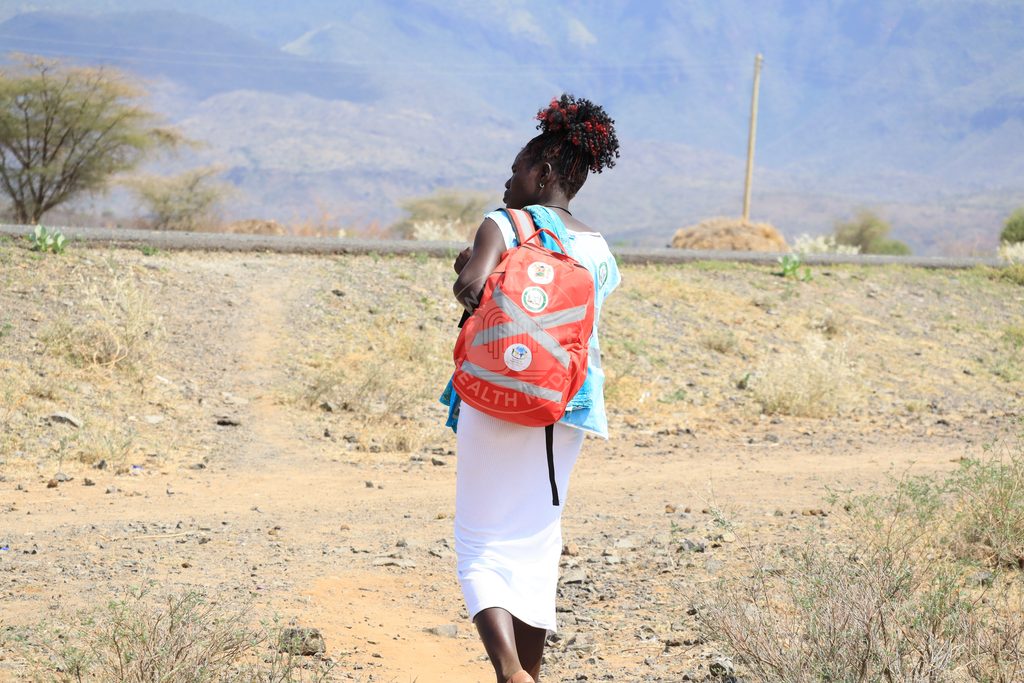
For thousands of Kenyans, the first health worker they meet does not sit behind a hospital desk. It is a Community Health Promoter (CHP), walking through the neighbourhood, knocking on doors, checking blood pressure, screening for disease, following up on pregnant women and urging a sick child’s parent to seek care.
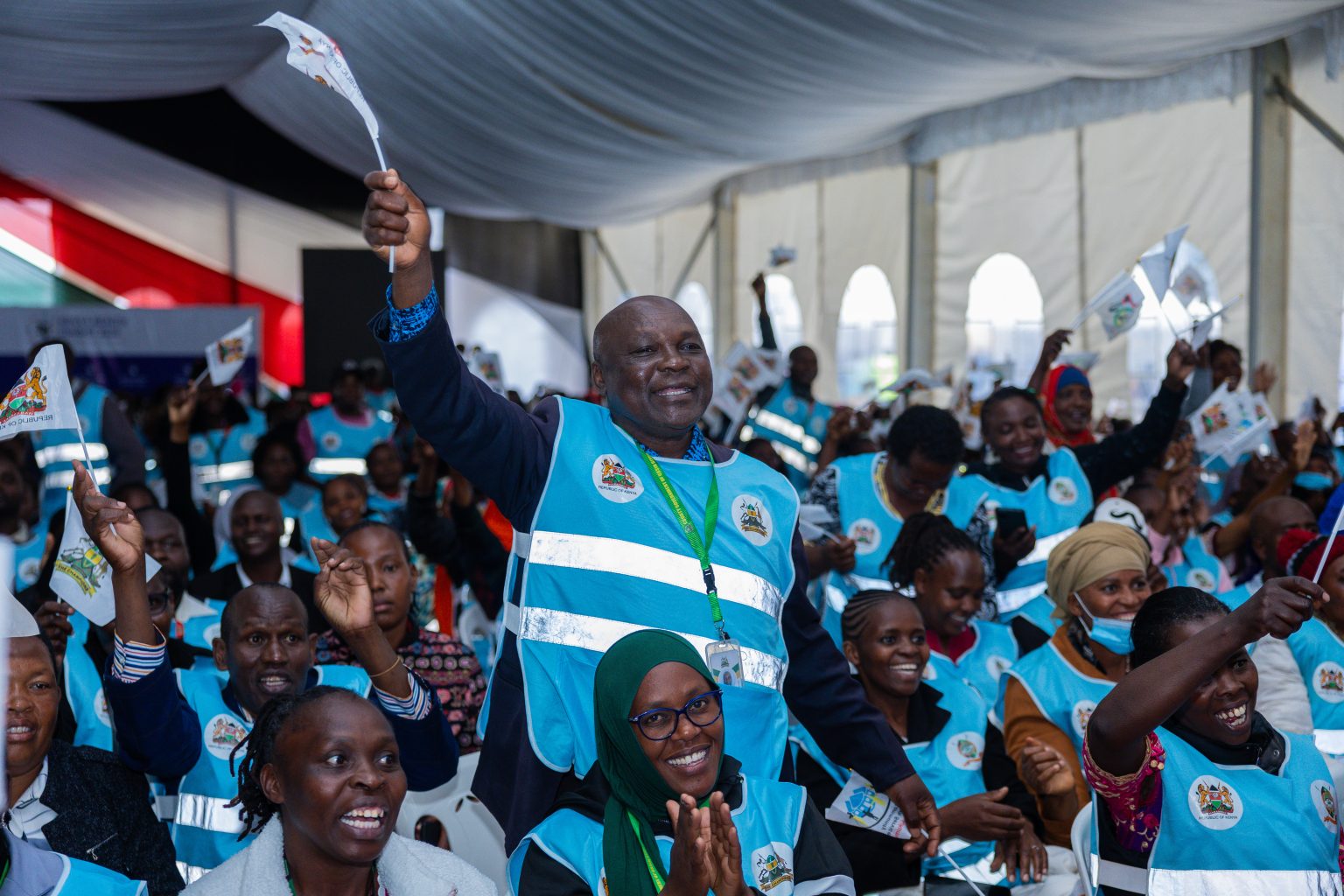
That frontline role moved to the centre of Kenya’s health reforms on Tuesday 18 August 2026, when President William Ruto met about 5,000 CHPs at the Kenya Health Summit at the Kenyatta International Convention Centre (KICC) and unveiled a package of promises for the country’s community health workforce.
These promises included new smartphones and modern health kits for the over 107,800 CHPs within 90 days, their inclusion in the Social Health Authority (SHA) scheme with cover extended to their families, and a review of their stipends by December.
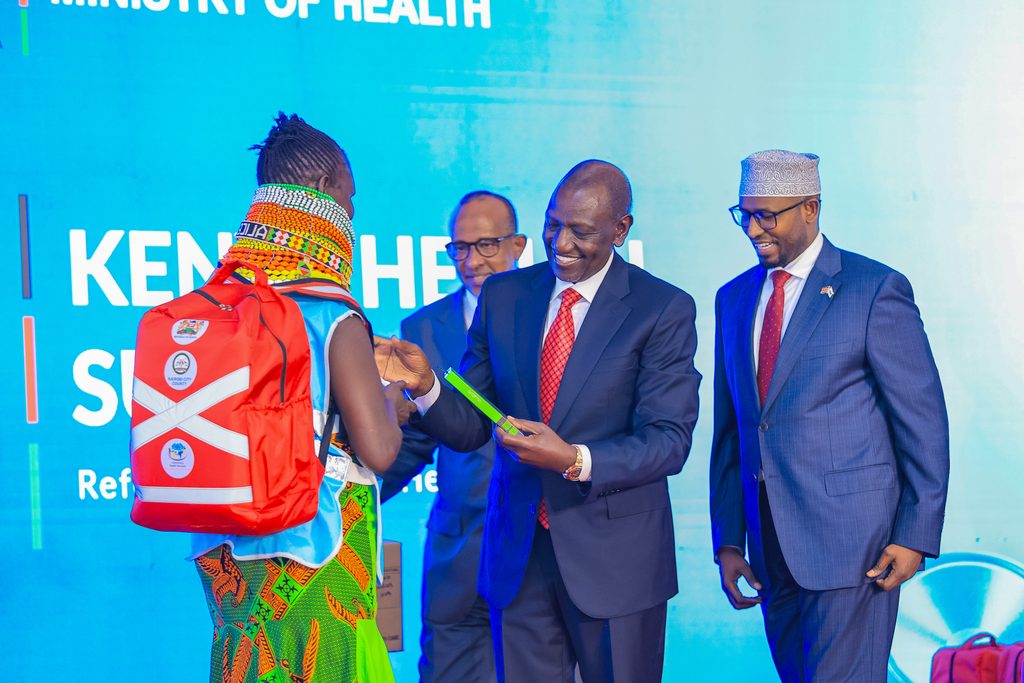
“Our Community Health Promoters (CHPs) are the pillar of our primary healthcare at the grassroots and we must therefore support, and empower them to serve our people effectively,” Ruto told the summit, describing CHPs as central to shifting Kenya from treating illness after it strikes to preventing and detecting it early.
“Across the country today, 107,800 Community Health Promoters are going from household to household, equipped with smartphones and essential kits to find illness before illness becomes a catastrophe,” Ruto told the summit.
All 107,831 promoters will receive new smartphones and modern health kits within three months
Those promoters register households, educate families, screen for disease, monitor mothers and children and connect patients to care. The network they form has already reached more than nine million households and referred over 750,000 people for further treatment.
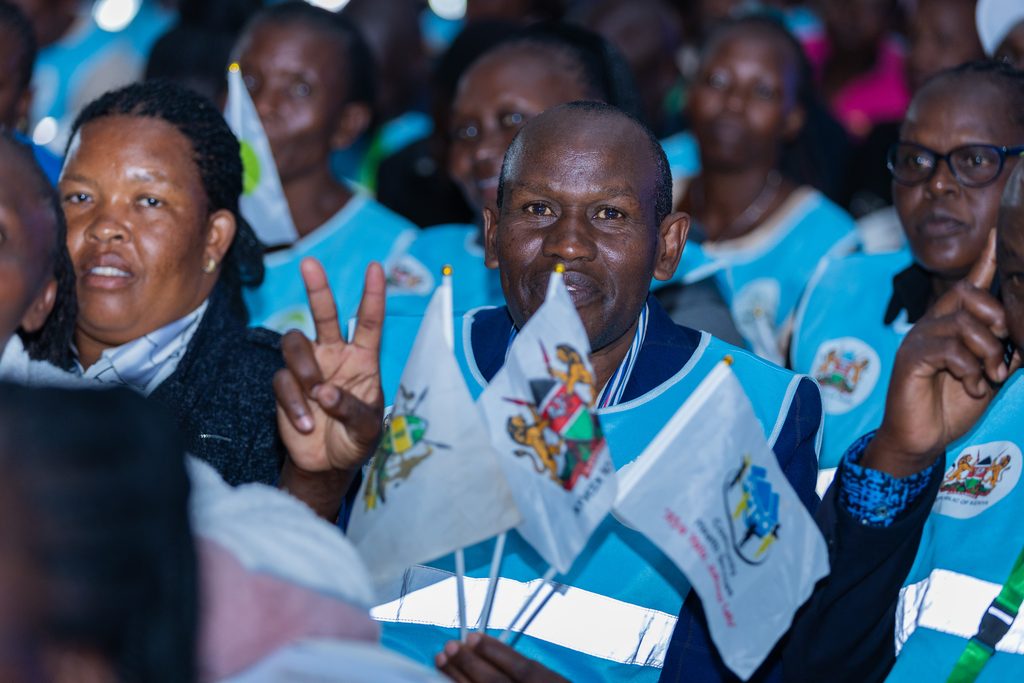
“For the first time, we have built a nationwide health network whose first point of contact is not necessarily a hospital bed, but the doorstep of a Kenyan home,” he said.
The tools behind that network are about to change. All 107,831 promoters will receive new smartphones and modern health kits within three months, replacing equipment that has been in use for about three years.
The new kits are expected to include a solar-powered phone charger, first-aid kit, blood pressure machine, paediatric and adult MUAC tapes for nutrition screening, and a weighing scale.
Some 7,000 CHPs will get complete equipment immediately, with the rest covered during the three-month rollout. The upgrade matters because CHPs increasingly generate Kenya’s household-level health data, and better smartphones should speed up data collection, reporting and referrals.
Ruto also directed that CHPs be onboarded to SHA, extending cover beyond the individual worker to their families. “This plan will not only include you alone as an individual, it will also include your kins, or the entire family,” he said.
He further directed that the CHP stipend arrangement be reviewed by December. CHPs currently earn Ksh5,000 a month, jointly financed by national and county governments, though a government assessment has previously noted that implementation of the arrangement has varied across counties. The promise answers growing calls for better pay.
The Primary Healthcare Fund has received Ksh27.4 billion in budgetary allocation and disbursed Ksh23.3 billion
In June, Senators proposed reviewing the stipend to at least Ksh18,000, arguing that CHPs’ workload had grown beyond what the current payment recognises. The national government, Ruto said, continues to match county contributions to CHP stipends “shilling for shilling.”
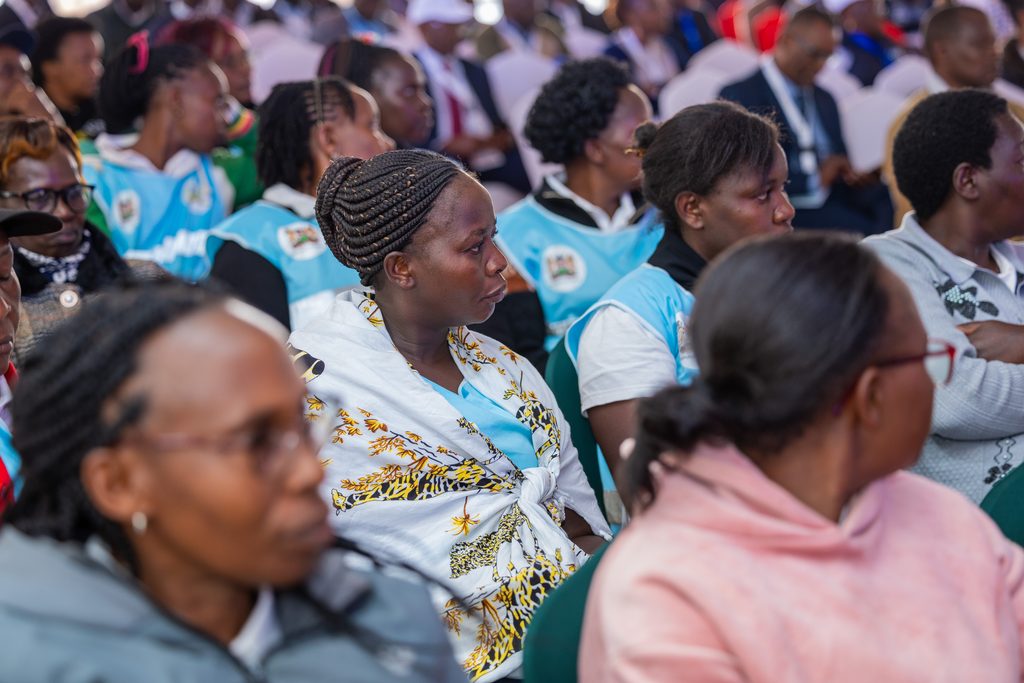
Ruto linked the investment in CHPs to a wider restructuring of Kenya’s health system.
“We are reversing the old logic of waiting for people to fall sick; finding hypertension before the stroke, diabetes before the complication, a high-risk pregnancy before the emergency, and disease before disaster,” he said.
Once a CHP identifies a patient who needs further treatment, the Government says, the Primary Healthcare Fund provides the next layer of support. The fund has received Ksh27.4 billion in budgetary allocation and disbursed Ksh23.3 billion, supporting more than 20 million outpatient visits and benefiting more than 15 million Kenyans.
The intended model, Ruto said, is simple: “prevent what we can, detect what we cannot prevent, treat early what we detect, and refer efficiently what requires specialised treatment and care.” That approach places CHPs at the beginning of the healthcare journey, rather than treating them as an add-on to the formal health system.
Health Cabinet Secretary Aden Duale used the summit, held under the theme “Reform Delivered; Health as a Right,” to frame the reforms as a test of whether government policy is translating into services.
“Four years later, we have come to this hall to do something that is rare in the politics of our region. We have come to place that plan side by side with the record, and to invite the whole country to compare the two,” he said.
The government is also recruiting 5,000 additional nurses and midwives under the maternal and newborn acceleration programme
Duale said three factors, medicines, equipment and people, determine whether health financing ultimately becomes care. The Kenya Medical Supplies Authority (KEMSA) national order-fill rate has risen from 35 per cent when the administration took office to 95 per cent, and the authority now supplies more than 11,400 health facilities, with 54 per cent of its distribution going to the Level 2 and Level 3 dispensaries and health centres where most Kenyans first seek care, the same frontline CHPs feed into.
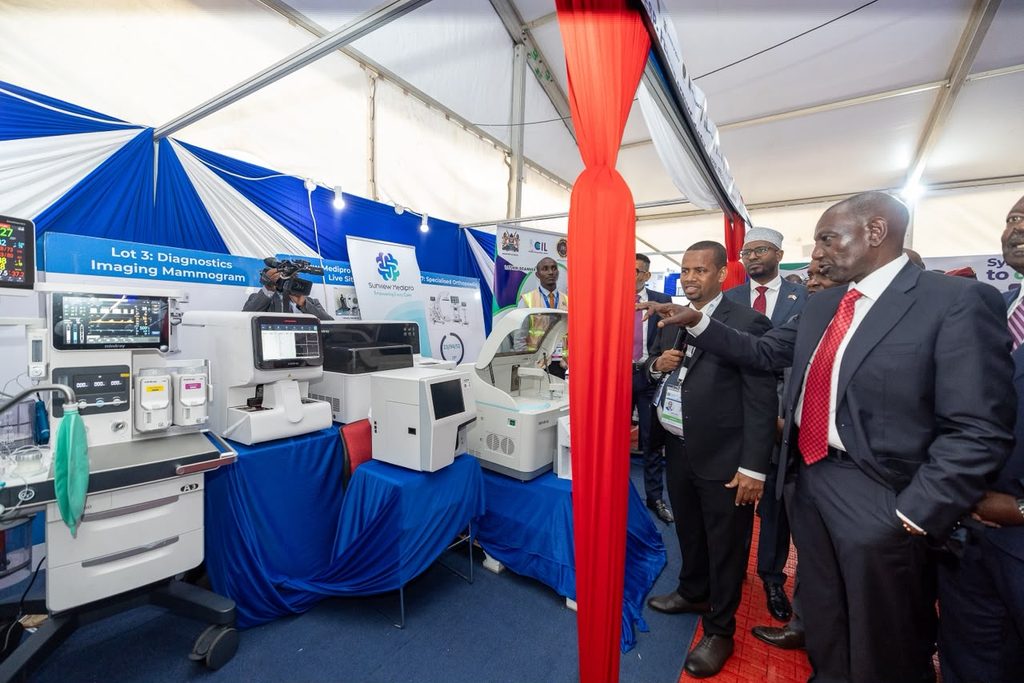
On equipment, Duale said the government had installed Ksh9.688 billion worth of medical equipment in 247 facilities across 44 counties as of 30 July 2026, including 36 CT scanners, two MRI machines, 52 digital X-ray units and 72 ultrasound machines.
The health workforce has also expanded. Duale said the government had deployed 24,573 healthcare interns across all 47 counties at an investment of Ksh19.05 billion, with annual placements rising from 3,373 in 2022/23 to 6,801 in the current financial year.
The government is also recruiting 5,000 additional nurses and midwives under the maternal and newborn acceleration programme, and it has converted 7,414 UHC workers from short-term contracts to permanent and pensionable terms, effective 1 July 2026, backed by Ksh8.94 billion.
For CHPs, the significance of all this ultimately rests on whether the system works once they send a patient for care. Ruto said 32.3 million Kenyans are now registered with SHA, eight million have received treatment, and SHA has supported more than 1.2 million mothers to deliver safely and more than 500,000 surgical procedures.
SHA has received more than Ksh209 billion since October 2024 and paid out more than Ksh178 billion to contracted facilities across all 47 counties. Even so, Ruto acknowledged the reforms remain unfinished.
“We must be candid; we know there are areas to improve including making registration easier, benefits clearer, claims faster, digital systems more seamless and the quality of care more consistent,” he said.
The new commitments therefore represent more than a smartphone or a health kit. They are an attempt to strengthen the first link in a chain that runs from the household to the dispensary, health centre and referral hospital, the same chain that has already carried nine million households’ worth of screening and 750,000 referrals into a health system still learning to keep pace. The test now is whether the promises made at KICC translate into sustained support for the people expected to bring primary healthcare closest to Kenyans.
We believe in the free flow of information
Republish our articles for free, online or in print, under Creative Commons licence.