


Kenya’s Ministry of Health has advised travellers returning from South America to monitor their health as Andes virus can take a long time before symptoms appear. Those who develop fever, breathing problems, or flu-like symptoms should seek medical care.
Kenya has no confirmed cases of hantavirus, the Ministry of Health has confirmed, as global health agencies coordinate their response to a fast-moving outbreak linked to a Dutch cruise ship that has left three people dead and several more hospitalised across multiple countries.
The World Health Organization (WHO) has assessed the public health risk as low. “This is not another COVID. And the risk to the public is low,” WHO Director-General Dr Tedros Adhanom Ghebreyesus told reporters.
Unlike Covid-19, which spreads easily through the air in crowded spaces, the Andes virus, explained the WHO Chief, can only pass between people through prolonged, close contact with someone who is severely ill. It has never triggered widespread community transmission, though.
Health Principal Secretary Mary Muthoni issued an advisory noting that the State Department for Public Health and Professional Standards “remains vigilant and is actively monitoring the evolving international situation through International Health Regulations mechanisms and World Health Organization alerts.” Surveillance at airports and seaports has been heightened, and health facilities placed on alert.
The outbreak is linked to the MV Hondius, a Dutch cruise ship that departed Ushuaia, Argentina, the southernmost city in the world, on April 1, 2026, bound for Antarctica and a series of remote South Atlantic islands. It carried about 150 passengers and crew from 23 countries.
Dutch ornithologist Leo Schilperoord developed fever, headache, diarrhoea at sea and died
The index case was Dutch ornithologist Leo Schilperoord, 70, who had spent the previous four months travelling through Chile, Uruguay and Argentina on a birdwatching trip with his wife, Mirjam, 69.

According to the Argentine health ministry, their route took them through Neuquén and Misiones, two regions where hantavirus circulates in wild rodent populations. They returned to Argentina from Uruguay just four days before boarding. By April 6, Leo had developed fever, headache, and diarrhoea at sea. By April 11, he was dead.
Mirjam, a close contact throughout, disembarked at the British Overseas Territory of Saint Helena on April 24, already unwell. She deteriorated on a connecting flight to Johannesburg and died upon arrival at the emergency department on April 26. A third passenger, a German woman, died on board on May 2. A fourth confirmed case, a Swiss national, was identified after he returned home and was admitted to the University Hospital in Zurich.
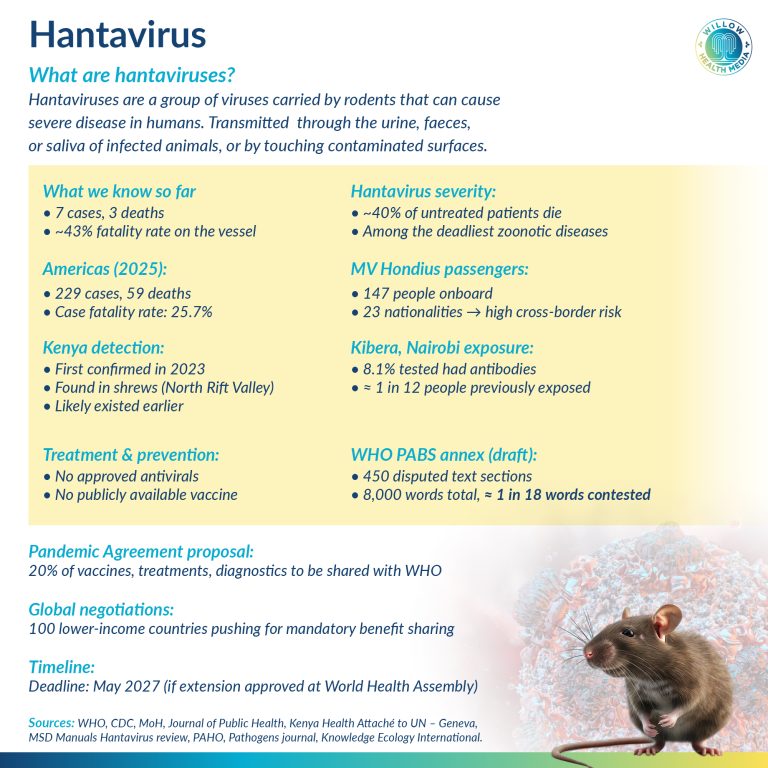
By May 9, 2026, WHO reported eight cases in total, six confirmed by PCR testing, with three deaths. Further cases remain possible given the virus’s incubation period of up to six weeks.
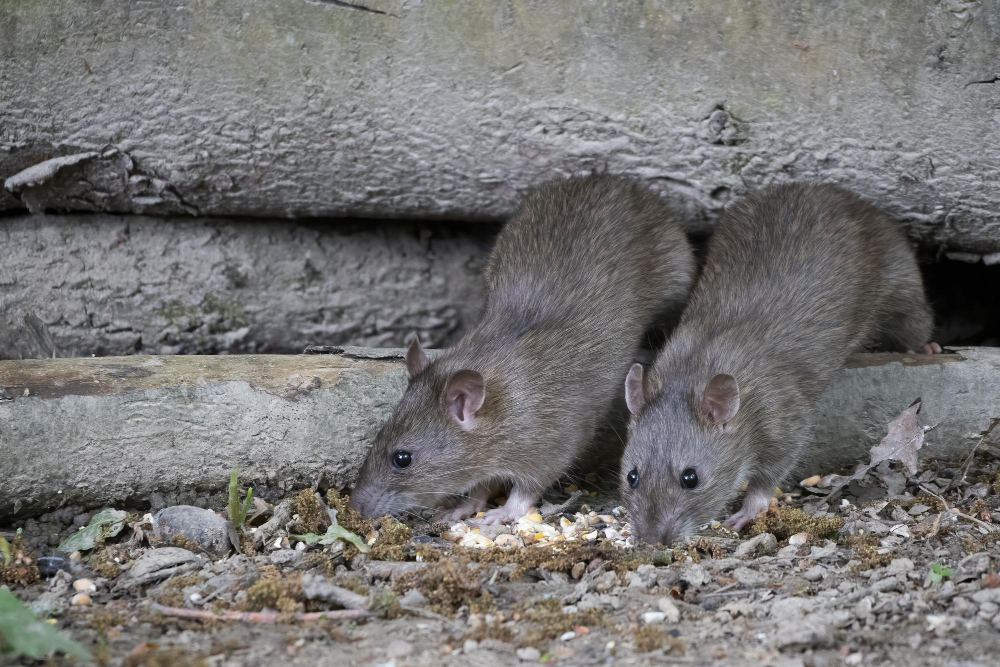
Hantaviruses are a family of more than 50 viruses carried by rodents, transmitted to humans through contact with infected animals or through inhaling dust contaminated with rodent urine, droppings or saliva.
The Andes virus is the only known hantavirus capable of human-to-human transmission
The vast majority do not spread between people. The Andes virus is the exception. It is the only known hantavirus capable of human-to-human transmission, and while that spread is rare, it happens through sustained, close contact: caring for a gravely ill person, sharing a living space, or exposure to an infected individual’s respiratory secretions.

The history of Andes virus outbreaks in South America shows how consequential that exception can be. In one documented Argentine outbreak, a single introduction produced 34 infections through chains of person-to-person spread.
The disease it causes, Hantavirus Pulmonary Syndrome, is severe. Symptoms typically emerge between four and 42 days after exposure, beginning with fever, muscle aches, fatigue, and gastrointestinal distress, before escalating rapidly in serious cases to pneumonia, acute respiratory distress syndrome, and cardiovascular collapse.
There is no approved antiviral treatment. Care is entirely supportive, relying on ICU management, oxygen therapy, and mechanical ventilation. Fatality rates in previous outbreaks have historically ranged between 30 and 50 per cent.
WHO has taken concrete steps since being formally notified on May 2. An expert was deployed on board the ship to conduct a full medical assessment of all remaining passengers and crew. WHO arranged the shipment of 2,500 diagnostic kits from Argentina to labs in five countries to strengthen testing capacity.
No approved vaccines for Andes strain, yet though CEPI is developing antigen designs
Coordination has been ongoing with national health authorities across Cape Verde, the Netherlands, South Africa, Spain, and the United Kingdom under the International Health Regulations framework.
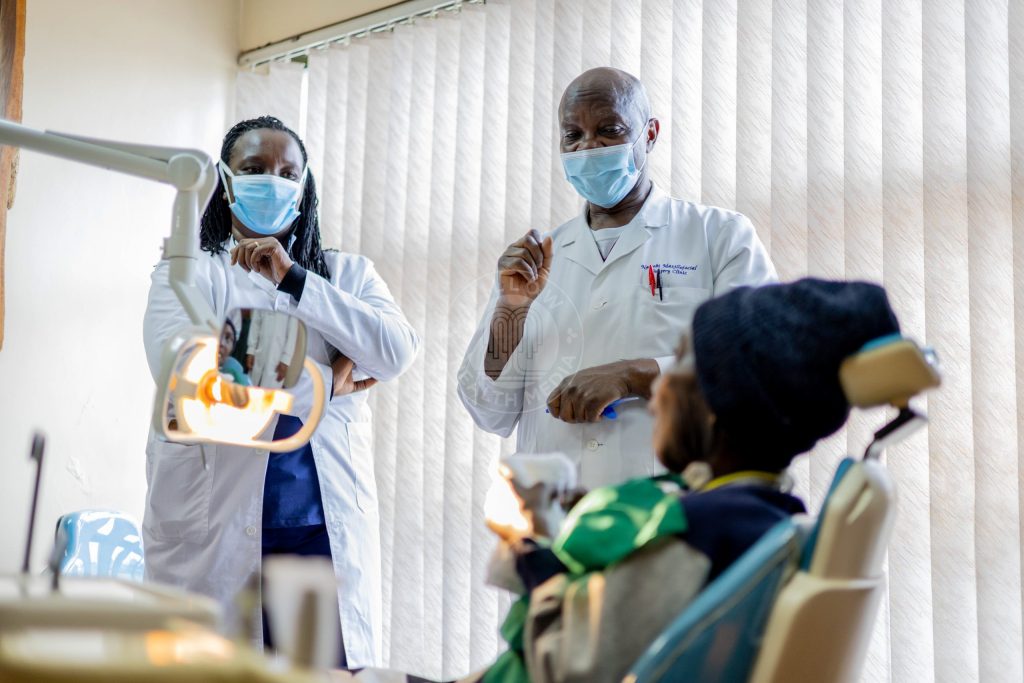
There are no approved vaccines for the Andes strain, though the Coalition for Epidemic Preparedness Innovations (CEPI) is working to fill that gap, having developed antigen designs for Andes and other hantavirus strains that have already shown the capacity to trigger an immune response in early testing.
Former CDC Director Tom Frieden has noted that the United States and Argentina, both of which have withdrawn from international health frameworks, will ultimately need to rely on the global network of experts to identify, track, and respond to outbreaks when they reach their own shores, whether they choose to be part of that network or not.
The Ministry of Health’s advisory to Kenyans returning from affected areas to monitor themselves for up to eight weeks reflects the clinical reality of the Andes virus’s extended incubation window. Anyone developing fever, breathing difficulties, or flu-like symptoms after recent travel to South America should seek medical attention promptly and inform their doctor of their travel history. PS Muthoni has committed to continued updates as the situation develops.