

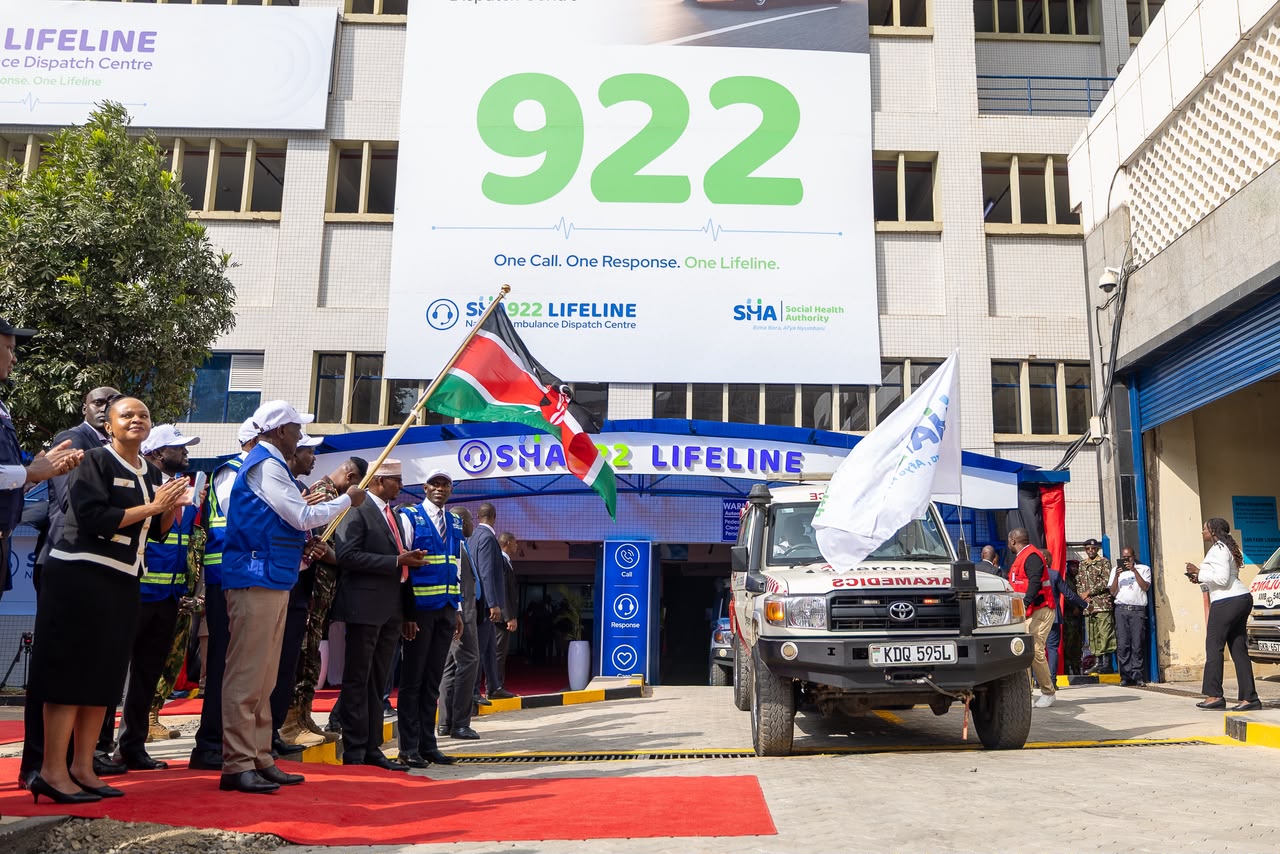

One call to the Dispatch Centre connects you to an ambulance, while SHA pays for your first 24 hours of emergency treatment.
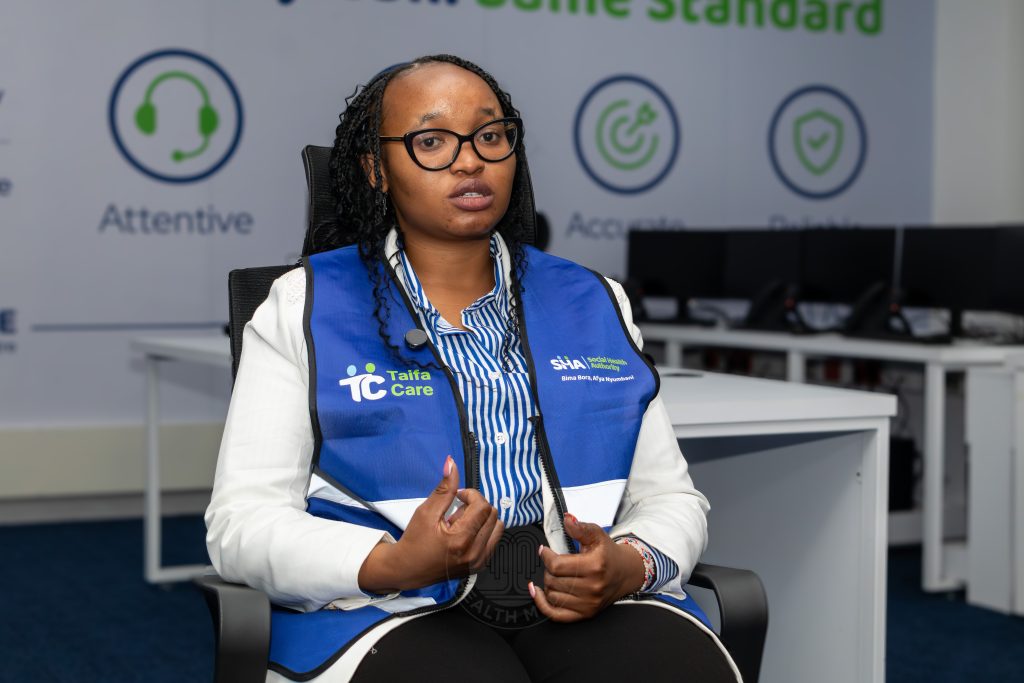
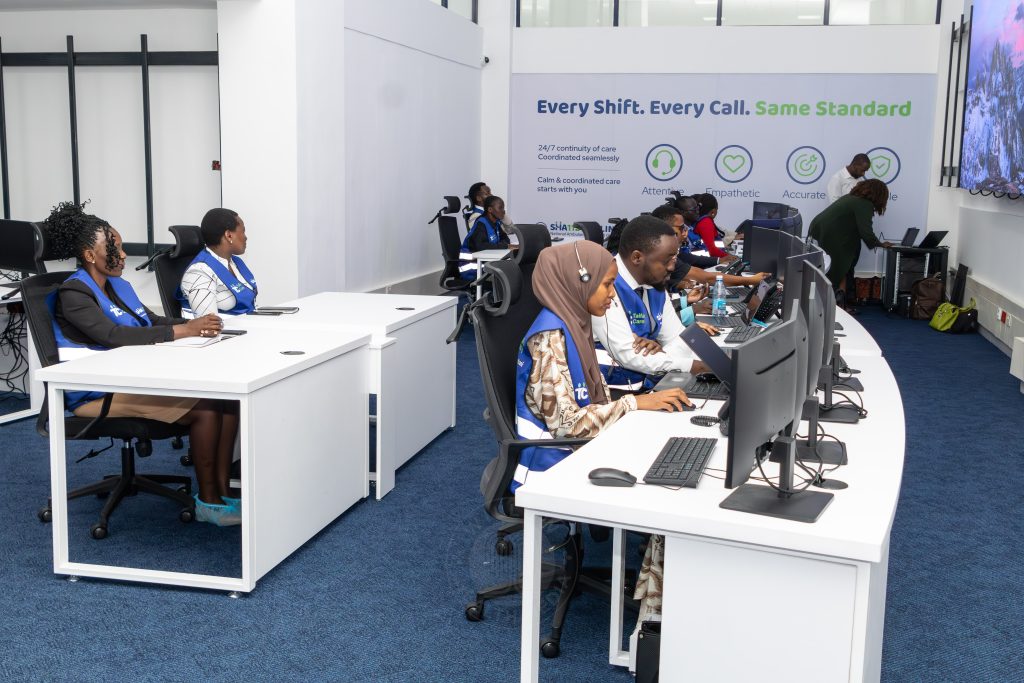
Miriam Muoki sits beside a phone that has not yet started ringing. Soon it will. She has spent weeks training for that moment, and when it comes, she will be the first voice a frightened Kenyan hears in the worst hour of their life. “Before the doctors come in and before the sirens come, the emergency starts at the dispatch centre,” she says.
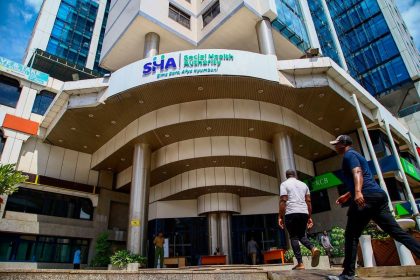
Muoki is one of the first emergency medical dispatchers recruited for Kenya’s new National Ambulance Emergency Dispatch Centre, a centralised system under the Social Health Authority (SHA) built to connect every Kenyan facing a medical emergency to the nearest ambulance and health facility through a single toll-free number.
Officially launched by President William Ruto, the centre is meant to end the scramble that has long defined emergencies in Kenya: families ringing hospital after hospital, flagging down strangers, watching minutes vanish while a life hangs in the balance.
The World Health Organization (WHO) estimates that injuries kill nearly 4.4 million people globally each year, many of them preventable with timely emergency care. In Kenya, the National Transport and Safety Authority records thousands of road deaths annually, alongside a steady toll from stroke, heart attacks, obstetric emergencies and household accidents. The government has already set aside Ksh7.5 billion ($57.7 million) for SHA’s Emergency, Chronic and Critical Illness Fund (ECCIF), the pool of money meant to finance this response. Much of it has sat unused. There was no system built to spend it.
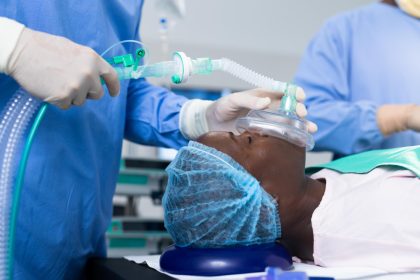
Muoki explains that dispatchers do far more than answer telephones. They assess how severe an emergency is, prioritise it, and assign the right ambulance. A patient in cardiac arrest or severe trauma gets an Advanced Life Support (ALS) ambulance. A less critical case gets Basic Life Support (BLS). The dispatcher stays on the line the whole time.
By the time the ambulance reaches the patient, we are already saving a life
“In cases where somebody requires Cardiopulmonary Resuscitation (CPR), we will give step-by-step instructions over the phone. We will calm the caller, assess the condition and guide them until the ambulance arrives. By the time the ambulance reaches the patient, we are already saving a life,” Muoki says.
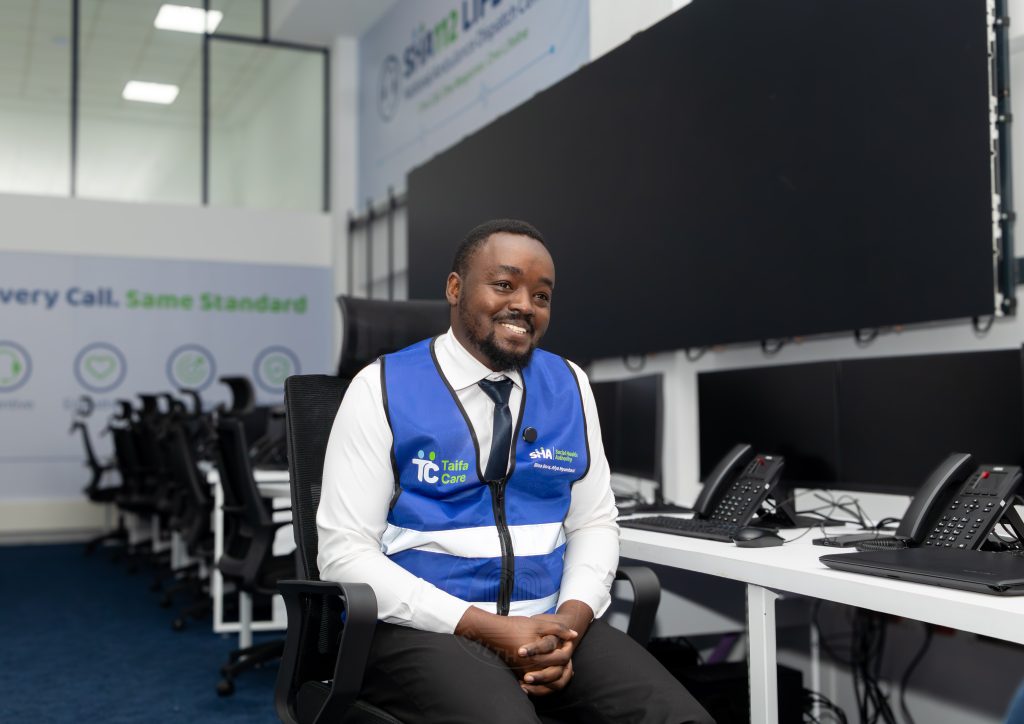
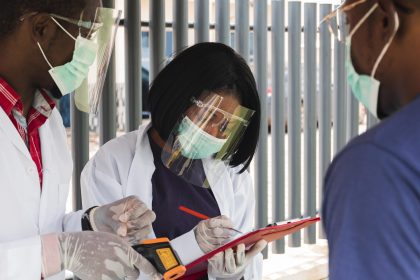
Her colleague Daniel Wambua trained alongside her. He says the programme taught skills that go well beyond taking calls. “Currently we have been trained as dispatch agents who will receive emergency calls from across the country. Once the centre becomes operational, some of us will serve as dispatchers while others will supervise operations or handle claims management,” he says. He adds that every ambulance claim will be verified electronically, checked for fraud, and cleared against SHA requirements before any payment goes out.
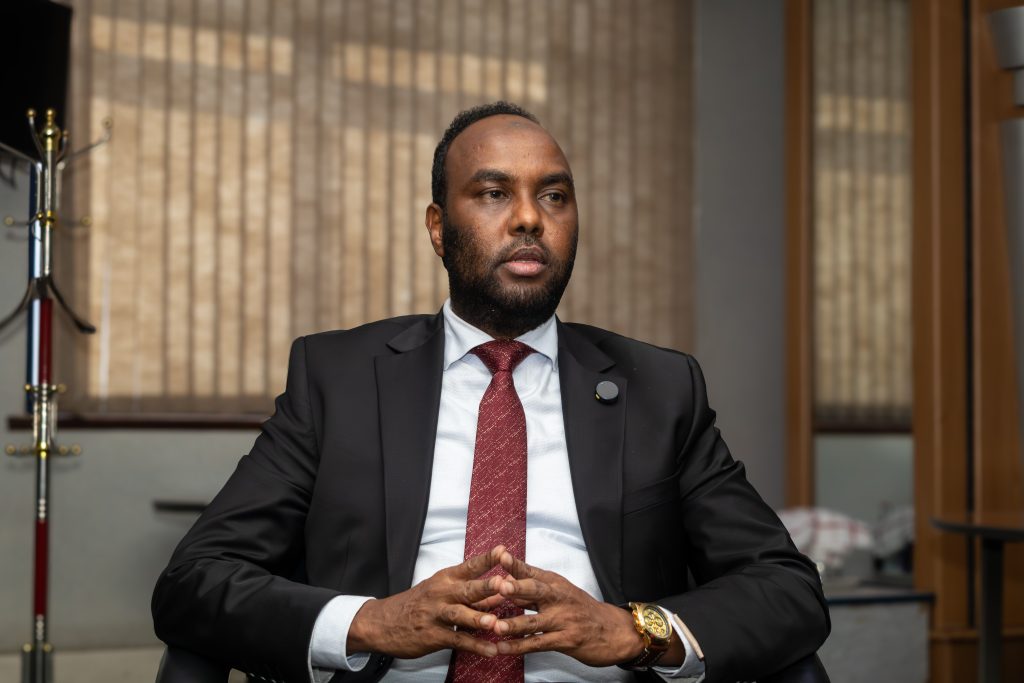
Mohamed Ibrahim Alio, Director in charge of Corporate Services at SHA, is leading the effort to build the centre. He frames it as a constitutional obligation. “The centre has been established to operationalise Article 43 of the Constitution, which guarantees every Kenyan the right to health, including emergency medical services,” Alio says.
He argues emergency response has long been the weakest link in Kenya’s healthcare system, despite heavy investment elsewhere. “When people are faced with emergencies, they often don’t know where to seek help. They call hospitals that may not have ambulances, or they call relatives hoping someone knows where an ambulance can be found. By the time they locate one, valuable time has already been lost,” he notes.
What matters in trauma is time; if intervention comes early, lives are saved
Doctors often call the first hour after severe injury the golden hour, the window when fast treatment sharply improves survival odds. Alio believes it is where the centre will matter most. “What matters in trauma is time; if intervention comes early, lives are saved. Many people who are now living with permanent disabilities could have had different outcomes if help had arrived sooner,” he says.
Any person within Kenya’s borders will be able to dial 922 to report an emergency. The system will not require callers to prove SHA membership before help is sent. “If someone sees a road crash or finds an unconscious person, they can call 922. It does not matter whether the patient can identify themselves or whether they are a street family member. The ambulance will still be dispatched,” Alio says.
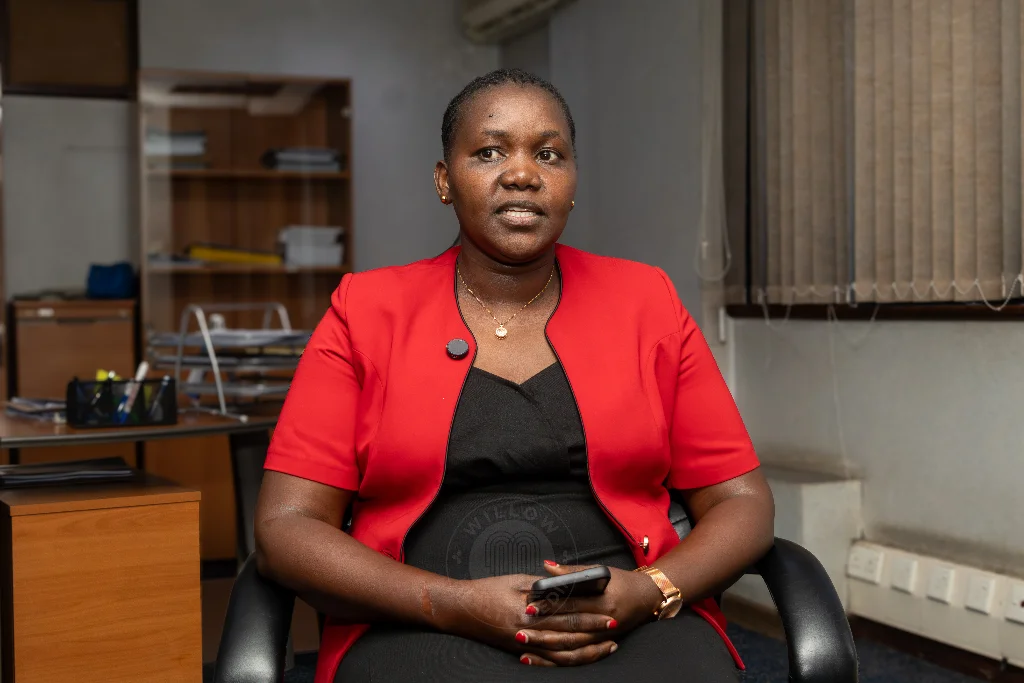
Valentine Morogo, SHA’s Deputy Director for County Coordination and chair of the committee overseeing the ambulance benefit package, says the goal is to strip away financial barriers at the exact moment people are least able to bear them.
“When someone experiences an emergency, they will call the dispatch centre through the short emergency number. The dispatcher immediately identifies the nearest ambulance using our technology platform and connects it with the patient,” Morogo explains. Geolocation technology will pinpoint callers automatically, cutting the time spent searching for them. “The dispatcher also alerts the nearest emergency care facility so that clinicians are prepared before the patient arrives,” she says.
Perhaps the most striking promise is financial. Morogo says treatment during the first 24 hours after admission will be covered under the ECCIF before patients move to other SHA benefit packages where applicable. “Kenyans should know that they will not be subjected to out-of-pocket expenses for ambulance evacuation because SHA will meet those costs,” she explains.
Ghana operates a National Ambulance Service with centralised dispatch and toll-free access
County ambulances, private providers and faith-based organisations are being brought into a single national network, regulated through the Kenya Medical Practitioners and Dentists Council. The approach borrows from systems already running elsewhere in Africa. South Africa runs provincial dispatch centres linked to a national emergency number. Rwanda has built up its Service d’Aide Médicale Urgente (SAMU). Ghana operates a National Ambulance Service with centralised dispatch and toll-free access. All three have cut response times and preventable deaths.
Kenya’s hardest problem is not technology. It is supply. Alio estimates the country has about 1,000 ambulances, against an estimated need of roughly 4,500. He is not pretending otherwise. “We may not meet every expectation immediately because demand will be high, but we are starting. Even the number of lives we save using the ambulances currently available will be a major milestone,” he says.
He measures success in smaller terms than fleet numbers: the call that reaches someone in time, the calm voice walking a terrified family through CPR, the ambulance that arrives before hope runs out. If the centre works as planned, dialling 922 could become one of the most important calls a Kenyan ever makes.