
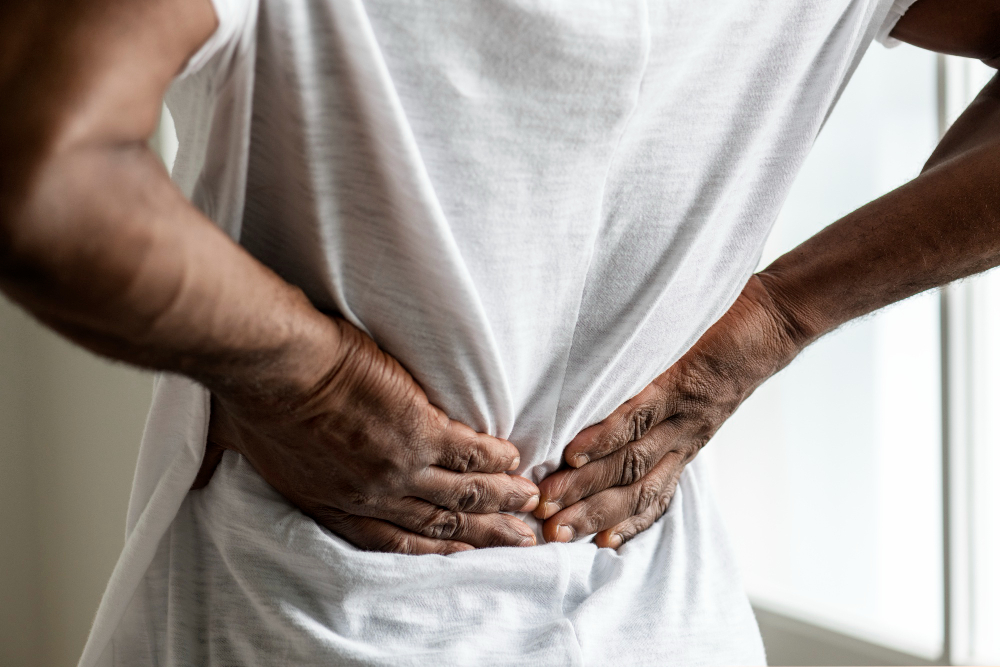
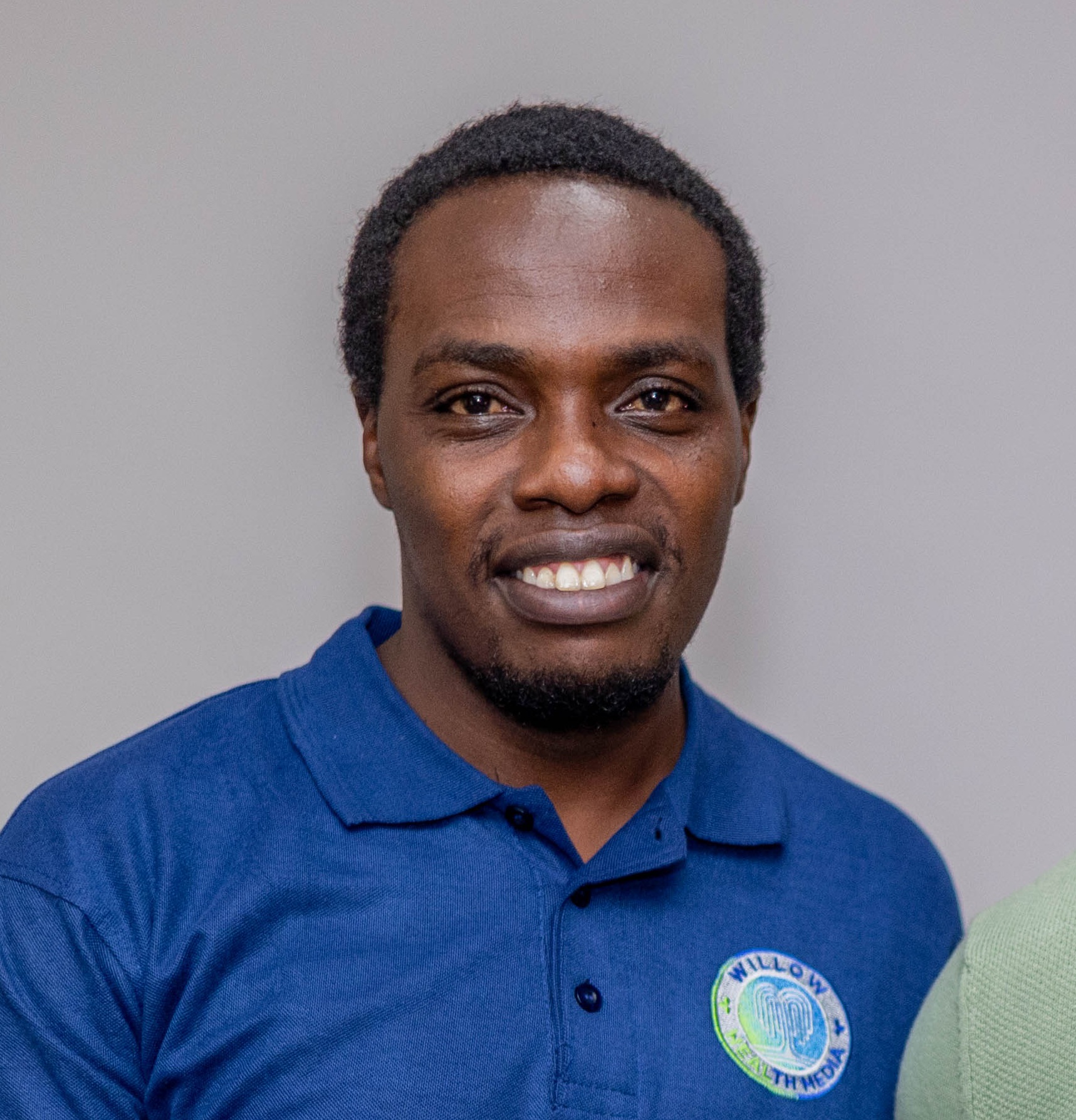
Robert Kula could barely stand. He coughed relentlessly, lost his appetite and so much weight his belt needed extra holes. Doctors treated him for arthritis, but his back stiffened and night sweats worsened. The culprit was spinal TB, a rare and misdiagnosed TB alongside Tuberculoma and TB meningitis.
Robert Kula noticed a mild, persistent backache in 2020 but dismissed it. Four years, ten hospitals and one collapsed marriage later, he would learn it was tuberculosis quietly eating away at his spine, a diagnosis so rare even seasoned clinicians had missed it.
He purchased a few over-the-counter painkillers, enough to keep him on his feet. But in 2021, the pain returned sharper and more stubborn, prompting him to visit several hospitals and dispensaries in Laikipia County. But medical officers could hardly explain his illness, and more painkillers were simply prescribed.
By 2022, the pain had grown unbearable. Kula could barely stand upright, began coughing persistently, lost his appetite and shed so much weight that his trousers no longer fit. He punched extra holes into his belt as it kept loosening, but even that could not keep pace with his shrinking frame.
“Neighbours and colleagues began sidelining me because of my dwindling frame,” Kula recalled. He visited hospitals and chemists across Rumuruti and Nyahururu, at least 10 of them. Medics suspected arthritis and administered pain injections, but his back stiffened more, and night sweats drenched his bedding.
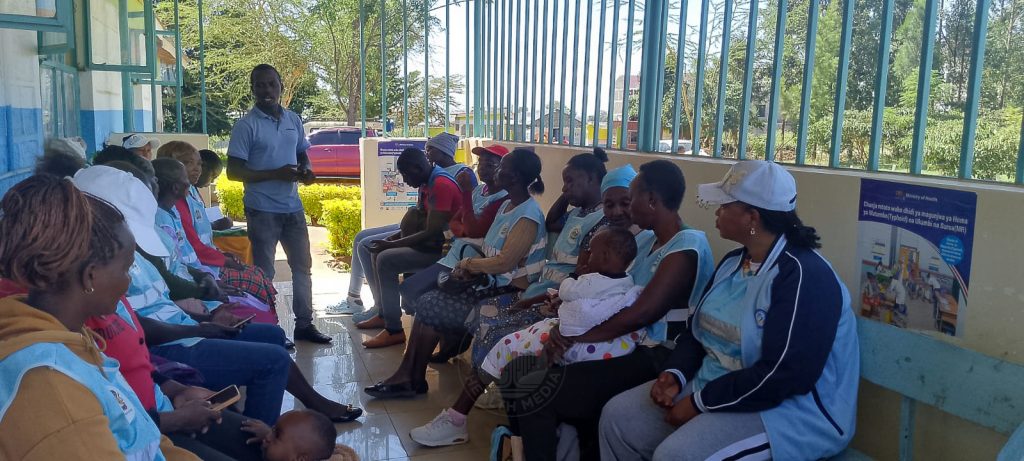
The answer came on World TB Day in March 2024, when medics from Rumuruti Sub-County Hospital set up a three-day outreach at his workplace. “On the first day, they educated staff on TB symptoms and treatment. It dawned on me that I could be having TB because of the symptoms mentioned,” recalled Kula, whose sputum sample tested positive for TB of the spine. Kula had never heard of spinal TB.
Doctors were stunned he could still walk and recommended a wheelchair, urgent surgery that cost Ksh800,000
Kula faithfully began the 18-month treatment course. A month in, the pain worsened, and he was referred for an MRI scan at Kikuyu Hospital. The doctors there were stunned he could still walk and recommended a wheelchair and urgent surgery, estimated at Ksh800,000, to save the deteriorating bones in his spine. His family raised Ksh400,000. The defunct National Hospital Insurance Fund (NHIF) contributed Ksh280,000.
During surgery, doctors discovered the bones had decomposed and needed to be replaced with artificial ones at an additional Ksh240,000 raised by well-wishers and colleagues.
The recovery was long and gruelling. Kula was dependent on his spouse for mobility, bathing and basic care. The strain proved too much; his wife’s family became convinced he was cursed and pressured her to leave, which she did. “Her relatives visited and told me to go back to my people in Marsabit,” Kula recalled.
Two months later, he graduated to crutches and returned to work for fear of losing his income. He needed money for rent and food, essential given the strength of the drugs he was on. At work, he requested lighter duties, but his employer could not accommodate him for long.
It was then that AMREF stepped in with a Ksh6,000 monthly stipend for meals. “I nearly gave up 12 months into treatment. The stipend helped me hold on,” said Kula, who has since become a TB awareness champion. He moved into a Ksh1,500 room and used the remainder for food and subsistence.
Kula is candid about what nearly broke him: delayed diagnosis across 10 facilities and his own reluctance to seek care early. Now, he channels that experience into community education, particularly in areas where TB remains deeply misunderstood. “Most people don’t know what TB is, let alone TB of the brain or spine. It is stigmatised and associated with HIV alone, yet it spreads through cough and sneeze droplets, or through infected milk and meat,” he said.
Most Kenyan patients visit up to six healthcare facilities before receiving a correct TB diagnosis
He has called on county governments to expand awareness, increase financial support for patients, and ensure early diagnosis, and has advocated for porridge provision in TB clinics, a model piloted in parts of Laikipia that has reduced drug default rates. He wants this rolled out uniformly across the county.
Most Kenyan patients visit up to six healthcare providers before receiving a correct TB diagnosis, according to the National Tuberculosis, Leprosy and Lung Disease Programme. Kenya remains one of 30 countries WHO classifies as having a high TB burden, which collectively account for 86 per cent of the global burden.
In 2025, the country diagnosed and initiated 90,900 people into treatment, 81 per cent of the estimated national burden. Kenya is rolling out a swab-based molecular test in primary healthcare facilities, supported by the Global Fund, in 13 counties, delivering accurate results within an hour.
Hundreds of kilometres away in Kericho, Nadia Chepkemoi carries her own physical and psychological scars, from a journey through stigma, suicidal thoughts and a disease that refused to go away easily. In 2014, while visiting her sister in Eastleigh, Nairobi, Chepkemoi began experiencing fever, night sweats and a nagging cough. Two hospitals treated her for malaria and pneumonia, but the symptoms persisted. It was only at Mama Lucy Hospital, after a chest X-ray, that she was finally diagnosed with TB. She returned to Kericho to her family to begin a six-month treatment course.
The look in the eyes of the medics when the results came instilled more fear
“The first five months showed progress. Then, on the sixth month I tested positive again. It was heartbreaking,” she recounted. A comprehensive drug sensitivity test, whose results took three months to return, revealed she had drug-resistant tuberculosis. All this time, her body was deteriorating, and she was bedridden.
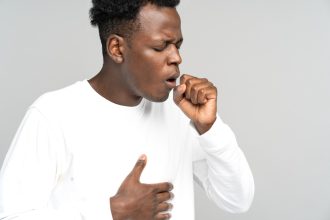
“The look in the eyes of the medics when the results came instilled more fear. They called my family and explained I needed intensive treatment for eight months, followed by 10 to 12 months of follow-up,” Chepkemoi said.
When her father learned that treatment could cost Ksh1.3 million, he flatly refused to consider selling land, though the government ultimately covered the costs.
She was put on at least 18 drugs daily, beginning with injections. The side effects were severe, from insomnia, damage to her eyes and ears, to the risk of organ failure.
Medics recommended she commence treatment in an isolation ward, and back at home, she was isolated by family. Her relatives’ whispers filled the silence around her.
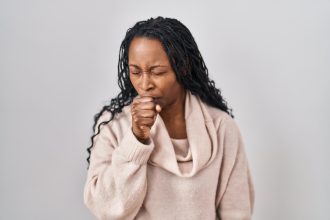
Deep into her treatment, her father questioned where she had contracted the disease, and her stepmother, a nurse, accused her of feigning illness to avoid responsibilities. Some relatives called it a generational curse. The weight of it all pushed her to the edge of suicide. It took repeated family meetings with medical staff to keep her going and supported. One brother remained constant throughout, helping her relearn how to walk and how to breathe deeply, to rebuild her weakened lungs, when eight months of injections had left her body numb and immobile.
“My greatest lesson was that one needs resilience and psychological support in the journey to recovery,” Chepkemoi reflected. She now champions TB awareness under the Kenya Legal and Ethical Issues Network on HIV and AIDS (KELIN), which advocates for human rights and the reduction of TB stigma. Chepkemoi walks with patients, encourages timely medical care and adherence to treatment, and advocates for dignity and respect in how healthcare providers treat those in their care.
Mother and daughter were diagnosed with TB, refused medication, wanted only to die
One experience stays with her: she met a 17-year-old girl who, alongside her mother, had been diagnosed with TB and had refused medication and wanted to die. Chepkemoi shared her story with the girl, accompanied her to hospital appointments and personally delivered medication. “It turned everything around for her good as she adhered to treatment and got healed,” she said quietly. Her message to families and healthcare workers is, “Compassion is not optional. It reduces depression, sustains the will to fight, and in some cases, makes the difference between a patient who completes treatment and one who does not.”
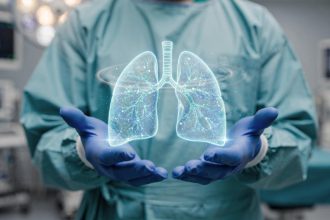
Prof Lameck Diero, Technical Advisor for TB at the Academic Model Providing Access to Healthcare (AMPATH) at Moi Teaching and Referral Hospital (MTRH), told Willow Health Media that tuberculoma, TB meningitis and TB of the spine are not common and are regularly misdiagnosed.
Tuberculoma, he said, is a space-occupying lesion in the brain caused by the spread of Mycobacterium tuberculosis away from its primary site, typically the lungs, into the brain tissue. “When TB bacteria reach the brain, the surrounding tissue mounts an inflammatory reaction, forming a localised swelling at the base of the brain,” Prof Diero explained. TB meningitis occurs when the infection spreads through the brain’s cavities and membranes rather than forming a discrete mass. Tuberculoma can cause significant neurological damage if not detected and treated promptly.
Its diagnosis is multilayered. “Clinicians look for fever, weight loss, severe headaches, neck stiffness, convulsions, limb weakness, and hearing or visual disturbances. Laboratory work includes a full blood count and checking inflammatory markers,” he said. CT or MRI imaging is critical to localise the lesion, while a lumbar puncture provides cerebrospinal fluid for GeneXpert testing, which confirms TB and identifies drug resistance.

Treatment follows the standard TB protocol adapted for central nervous system involvement. “The intensive phase uses four drugs, rifampicin, isoniazid, pyrazinamide, and ethambutol, for the first two months. The drug dosage depends on body weight,” the specialist explained. The continuation phase, he said, uses isoniazid and rifampicin for a further 10 months, bringing total treatment to one year, compared to six months for other TB forms. “Surgery plays a very limited role; medications are the cornerstone and patients generally respond well without surgical intervention,” he assured.
Prof Diero stated that immunocompromised individuals, particularly those living with HIV, face a substantially higher risk of central nervous system TB. “Drug-resistant tuberculomas, while uncommon, require specialist drug regimens. The BCG vaccine, administered at birth, significantly reduces the risk of severe TB forms including tuberculoma,” the expert emphasised. He also stressed that Community Health Promoters must be empowered, as they play a vital role in linking patients to care and following them up to ensure treatment adherence.






this is an interesting journey, four years fighting spine DR TB without knowing what he is suffering,he tried it,i believe you gave him a better job