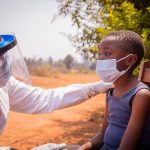



HIV is only one player in a much larger, more complex, and often deadlier game of sexual health. Treating Lenacapavir as a licence for recklessness is not flirting with danger but inviting it to take up permanent residence in your body.
Eddy Sancho* stepped out of his brightly decorated tuk-tuk and sauntered over with a broad, mischievous smile, the kind a man wears when he thinks he has finally outsmarted the system.
“Hiyo sindano inapeleka watu aje?” (How is that injection treating people?), he asked, shaking my hand with barely contained energy. It was clear what was on his mind. To Sancho, and to many others in the community, the rollout of Lenacapavir in early 2026 felt like the ultimate get-out-of-jail-free card. On the streets, it was being celebrated not merely as a medical breakthrough but as a biannual shield that would make the fear of HIV a thing of the past.
He was planning a spree.

Lenacapavir is genuinely a medical marvel. But Sancho’s enthusiasm points to a dangerous and growing misconception: that a single injection covers everything. HIV is only one player in a much larger, more complex, and often deadlier game of sexual health. Treating this injection as a licence for recklessness is not flirting with danger. It is inviting danger to take up permanent residence in your body.
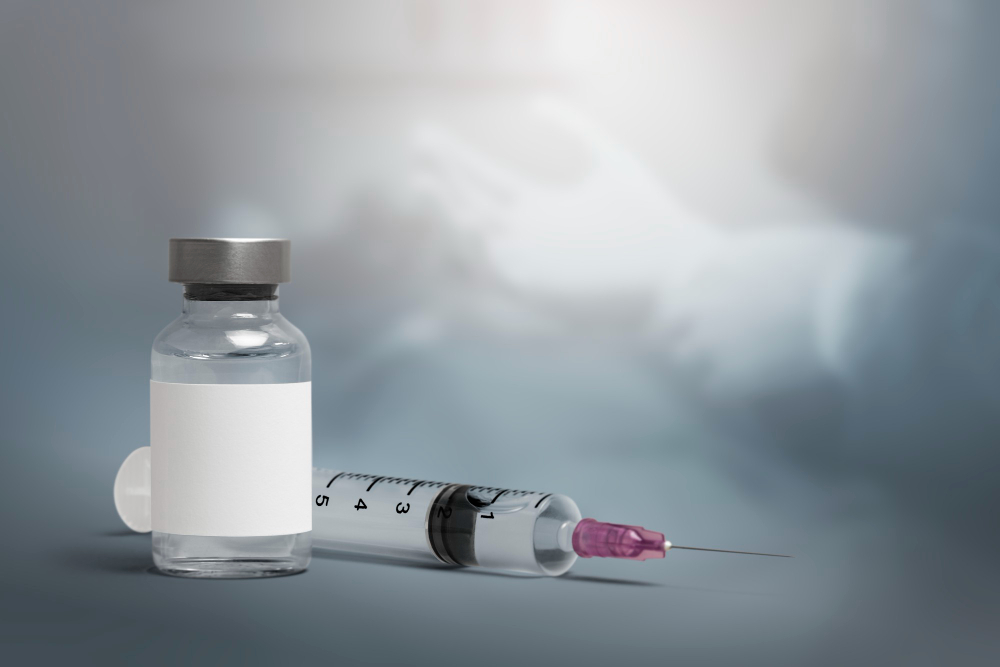
Lenacapavir is a first-in-class capsid inhibitor, administered as a subcutaneous injection every six months. For a country that has long struggled with pill fatigue from daily oral pre-exposure prophylaxis (PrEP), it was a monumental shift when Kenya integrated long-acting antiretrovirals into its national HIV prevention strategy under the Kenya HIV Prevention and Treatment Guidelines (2022).
Clinical trials showed the injection to be nearly 100 per cent effective against HIV when used correctly
According to Ministry of Health (MoH) and World Health Organisation (WHO) guidelines, Lenacapavir-based PrEP is prioritised for people at ongoing risk: sero-discordant couples, people trying to conceive, those with multiple partners, those with a history of frequent post-exposure prophylaxis (PEP) use or recent sexually transmitted infections (STIs), and those who use injectable drugs or engage in sexual activity under the influence of alcohol or recreational drugs. Clinical trials showed the injection to be nearly 100 per cent effective against HIV when used correctly.

On paper, Sancho fits that profile. But standing by his Tuk-Tuk, it was clear he saw the injection as a substitute for responsibility rather than a component of it. The jab targets HIV. It does nothing against the silent predators lurking behind every unprotected encounter.
I told Sancho about Mark, a 29-year-old accountant I had seen a few months earlier. Like Sancho, Mark was diligent about his HIV status, testing every three months and among the first to access PrEP. But he rarely thought about his liver. After a period of unchecked encounters following the Lenacapavir rollout, he developed a persistent fatigue that no amount of coffee could fix. Then came dark urine, abdominal pain, and eventually the yellowing of his eyes. By the time he sought help, he had joined a staggering global statistic.
According to WHO, 254 million people are living with chronic Hepatitis B virus (HBV) infection, with 1.1 million deaths recorded in 2022 alone, primarily through liver cirrhosis and liver cancer. HBV is transmitted through the same routes as HIV: blood, semen and vaginal fluids. The critical difference is that HBV is significantly more infectious.
In Kenya, infants receive the Hepatitis B vaccine as part of the routine pentavalent schedule at six, ten and 14 weeks. But for adults like Sancho who missed those cohorts or whose immunity has waned, the risk is real and serious. Chronic HBV infection is a silent killer.
‘But I’m a man,’ Sancho said when I raised the issue of HPV. ‘That’s a woman’s problem.’
It rarely shows symptoms until the liver is already failing. WHO data shows that only 13 per cent of those infected are ever diagnosed, and of those, only three per cent receive treatment. There is no traditional cure; treatment aims to slow liver damage and reduce progression to cancer. For an unvaccinated adult, Lenacapavir offers zero protection against a virus that is far more transmissible than HIV.
“But I’m a man,” Sancho said when I raised Human Papillomavirus (HPV). “That’s a woman’s problem.”

This is perhaps the most dangerous myth in sexual health. HPV is a group of more than 200 related viruses. While it is the primary cause of cervical cancer, the leading cause of cancer death among women in Sub-Saharan Africa, where HPV prevalence among women sits at roughly 24 per cent (WHO, 2024), it is far from a women-only issue. In men, HPV is a leading cause of anal cancer, penile cancer, oropharyngeal cancer and genital warts, which, while not cancerous, cause significant physical discomfort and psychological distress.
In November 2025, Kenya shifted from a two-dose to a single-dose HPV vaccination schedule for girls aged 9 to 14, based on WHO evidence that a single dose provides robust, long-lasting immunity.
But for sexually active, unvaccinated adults like Sancho, that window has closed. Lenacapavir will not stop a growth forming on a cervix or a penis. Screening remains essential. Condoms remain the only effective barrier against the skin-to-skin transmission of HPV, and voluntary male circumcision also reduces the risk of transmission.

We fixate on HIV, HBV and HPV because they can be terminal. But unchecked sexual behaviour carries other consequences that are increasingly difficult to treat. Super Gonorrhoea, strains of Neisseria gonorrhoeae resistant to nearly all existing antibiotics, is rising globally. A single encounter can leave someone with an infection that is growing harder, and in some cases impossible, to cure.
Syphilis, Chlamydia and recurrent urinary tract infections remain widespread. Left untreated, Chlamydia and Gonorrhoea are leading causes of Pelvic Inflammatory Disease in women, frequently resulting in permanent infertility or life-threatening ectopic pregnancies. In men, the same infections can cause epididymitis, chronic pain and reduced fertility.
Men should consider HPV vaccination where available and use condoms consistently
Then there is unintended pregnancy. Lenacapavir protects the immune system. It does not protect your bank account, your career plans or your readiness for a child.
To practise safe sex in 2026, the approach must be comprehensive. Take Lenacapavir on time, as it is nearly 100 per cent effective against HIV when used correctly. Get vaccinated against Hepatitis B if you were not vaccinated as a child or work in high-risk environments. Women must keep to their HPV screening schedules. Men should consider HPV vaccination where available and use condoms consistently. Get a full STI panel every six months, timed to coincide with the Lenacapavir appointment. Many STIs carry no symptoms and cannot be treated if they are not first detected. And use condoms. They are the only method that simultaneously addresses HIV, HBV, HPV and bacterial STIs.

By the end of our conversation, the sparkle in Sancho’s eyes had dimmed, replaced by something more sober. He understood that his tuk-tuk needs more than fuel: it needs oil, brake fluid, correct tyre pressure and a sober driver. His body is no different.
Lenacapavir is a miracle of modern medicine. It is not a cloak of invincibility. It is a specific defence against a specific virus. If we use this milestone to justify poor choices, we are simply trading one health crisis for another.
Knowledge remains the best prophylaxis. Do not let the convenience of a six-month injection blind you to the 365-day-a-year risks of unchecked sexual behaviour. Love yourself enough to be thorough. Protect your future, not just your status. Jipende, ji-PrEP na ujilinde.
Dr Madeline Iseren is a pharmacist who comments on topical health and medical issues.
We believe in the free flow of information
Republish our articles for free, online or in print, under Creative Commons licence.