

Endometriosis affects 190 million women worldwide, yet most wait years – sometimes over a decade – before receiving a diagnosis. For two Kenyan women, the wait nearly broke them.
For years, Keziah Mumbi thought she simply had difficult periods. As a schoolgirl, she dealt with unusually heavy bleeding that teachers dismissed as a normal part of growing up. Later, when severe pain set in, she was told, “Maybe you just have a heavy flow.”
But as she moved into high school, “The pain began. Severe pain that had me on the floor, that had me puking and crying,” she recalls.
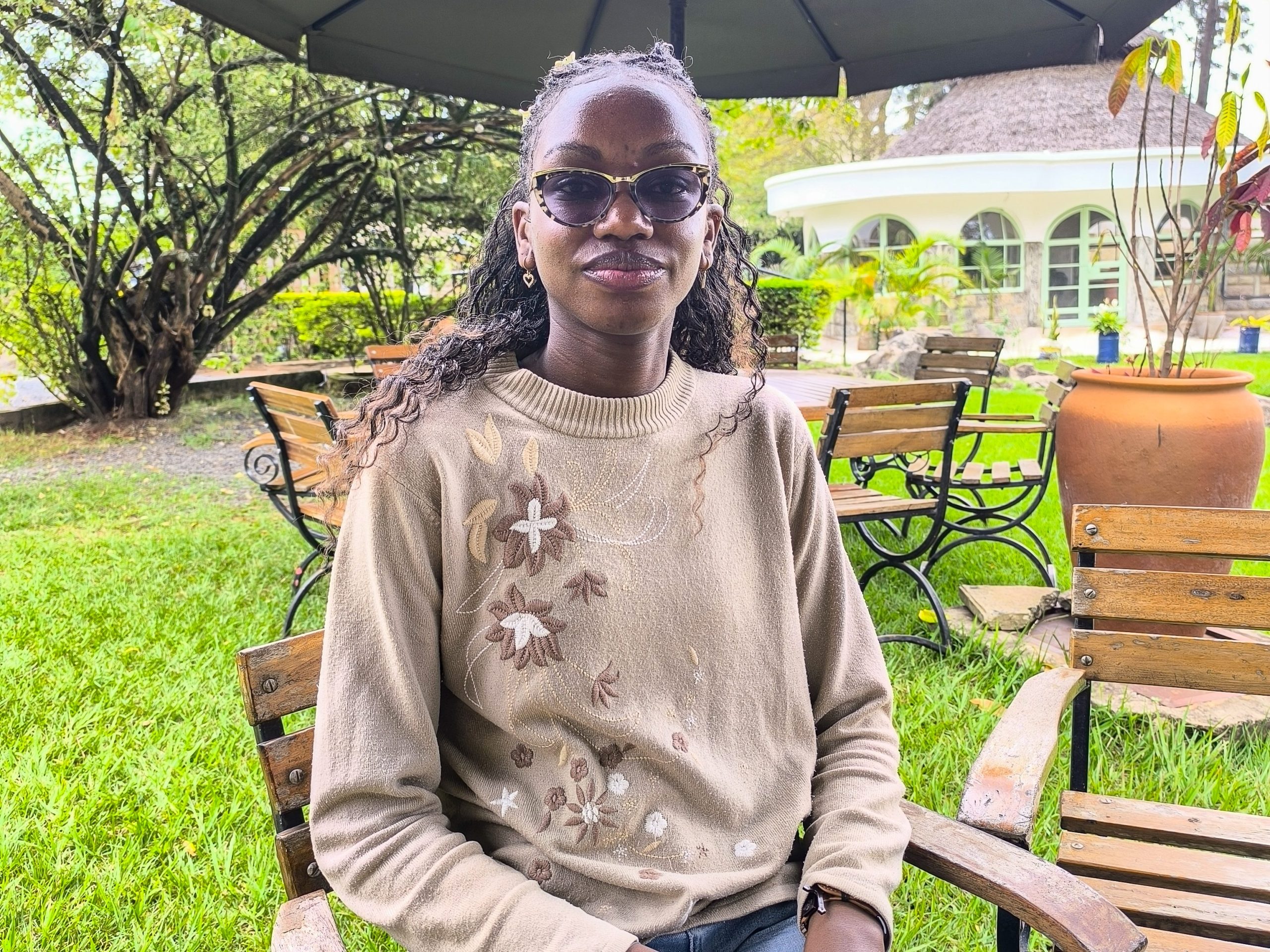
Hundreds of kilometres away and years later, Anna Brenda Aila was experiencing a similar reality. Since her first menstrual period, pain had been a constant feature of her life. Heavy bleeding, debilitating cramps and repeated hospital visits became routine.
Both women would spend years searching for answers before receiving the same diagnosis: endometriosis. Their stories reflect the experiences of millions of women living with a chronic disease that is often misunderstood, frequently dismissed and commonly diagnosed years after symptoms begin.
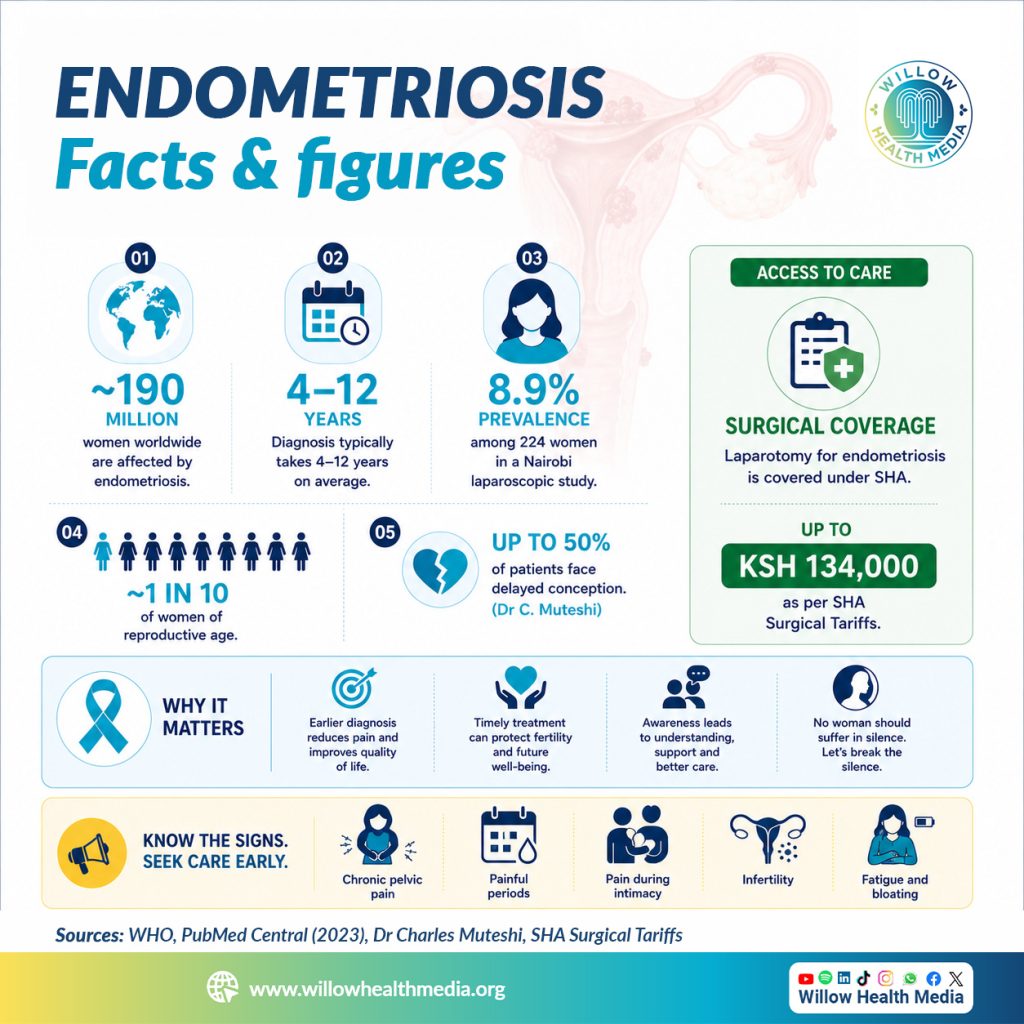
According to the World Health Organization (WHO), endometriosis affects an estimated 10 per cent of women and girls of reproductive age globally, about 190 million people. Yet awareness remains low, even among those experiencing its symptoms. For many women, the condition affects far more than their menstrual cycles, influencing education, employment, relationships, fertility, mental health and overall quality of life.
What is endometriosis?
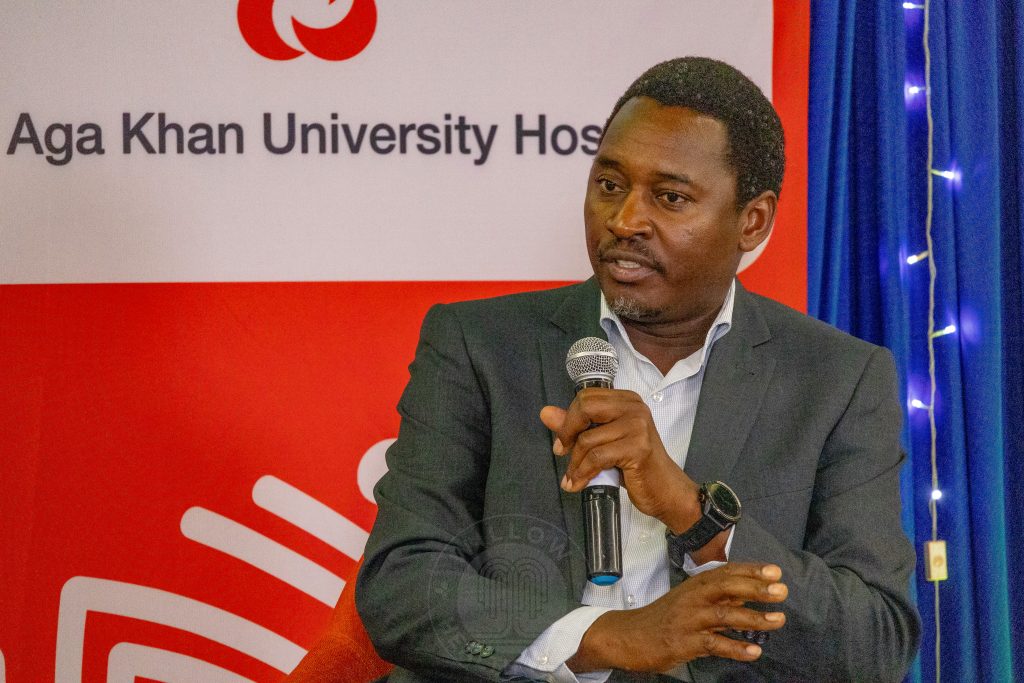
Dr Charles Muteshi, a consultant obstetrician-gynaecologist and fertility specialist at Aga Khan University Hospital, describes endometriosis as a condition where tissue similar to the lining of the uterus grows outside the womb.
The misplaced tissue commonly affects the ovaries, fallopian tubes, bladder and bowel. In response to monthly hormonal changes, these tissues bleed and become inflamed, triggering pain and scar formation.
Despite decades of research, the exact cause remains unclear. One widely accepted theory suggests that during menstruation, some blood flows backwards through the fallopian tubes into the pelvic cavity, carrying cells that may implant and grow.
Another proposes that during fetal development, cells meant to form reproductive organs are deposited elsewhere in the body, remaining dormant until puberty activates them. Researchers are also exploring possible genetic links, though more studies are needed.
Recognising the symptoms
For many girls, symptoms begin during adolescence. Anna remembers painful periods from the very start. “Pain was a constant symptom,” she says. She initially assumed this was normal. When she compared experiences with peers, many reassured her that cramps were simply part of being a girl. But she experienced extremely heavy bleeding, often using one or two packs of sanitary pads in a single day. “I think that was the first signal that something was wrong,” she says.
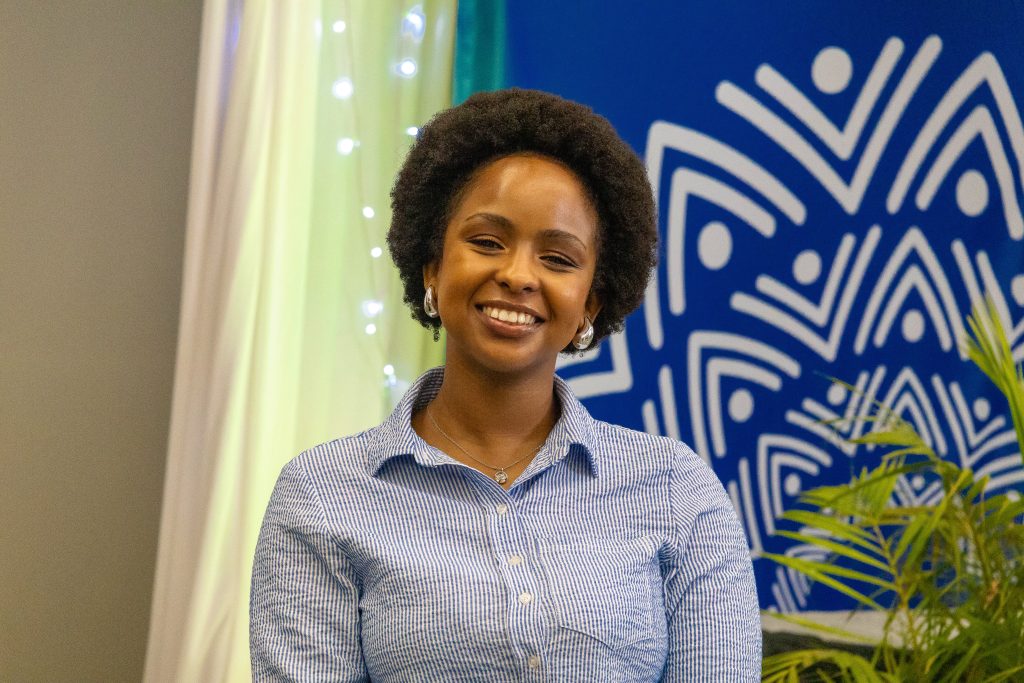
Keziah’s symptoms also started early. “Whenever I’d sit for maybe a double lesson, I’d wake up and find I’d stained,” she recalls, alongside severe pain that left her unable to function.
“One of the classical symptoms of endometriosis would be pain, especially severe menstrual pain,” says Dr Muteshi. It often begins shortly before menstruation, intensifies during periods and eases after bleeding stops. Other symptoms include chronic pelvic pain, painful urination and bowel movements, pain during sexual intercourse, abdominal bloating, nausea and infertility. In severe cases, the disease can spread beyond the pelvis, with some patients experiencing chest pain or unusual bleeding from the navel coinciding with their cycle.
Years without answers
The WHO estimates diagnosis can take between four and 12 years. For many patients, the delay stems from low awareness, limited access to specialists and the normalisation of severe menstrual pain.

Anna’s journey stretched from childhood into adulthood. Different hospitals offered different explanations. Ultrasounds repeatedly suggested pelvic inflammation, leading to repeated courses of antibiotics. Yet the pain persisted. “You don’t know what’s going on and you’re not sure who’s right and who’s wrong,” she says.
Keziah bounced from doctor to doctor, consistently told that her symptoms were normal. “If the quality of my life reduces, if I’m not able to do anything for a whole week, if I’m on the floor crying because of pain, then surely something is wrong,” she says. Beyond clinics, both women encountered scepticism from peers and authority figures. Anna recalls being told she was feigning illness. Keziah experienced similar reactions. “They’d say you’re fake. People wouldn’t quite take it seriously.”
Diagnosis and treatment
Historically, confirming endometriosis required laparoscopy, a minimally invasive surgical procedure to examine the pelvic cavity directly. Anna received her diagnosis in 2016 through such a procedure. Today, specialised ultrasound examinations are increasingly capable of identifying the condition without surgery, with growing numbers of gynaecologists and radiologists trained to detect it.
There is currently no cure. Treatment focuses on controlling symptoms, improving quality of life and preserving fertility where possible, through pain medication, hormonal therapies or surgery. “Girls who have disruptive pain may not always need an operation,” says Dr Muteshi, adding that medical treatment controls symptoms rather than eliminating the disease.
Anna’s treatment journey illustrates the complexities involved. Hormonal therapy after her first surgery helped manage symptoms but triggered severe migraines, leading doctors to discontinue it. She eventually underwent a second surgery, complicated by financing challenges and an allergic reaction that required another hospital admission. Doctors then introduced a Mirena coil, a hormonal intrauterine device that continues to help manage her symptoms today. “There is some relief,” she says. “There’s hope.”
Keziah also underwent laparoscopic surgery after her disease had progressed to affect multiple organs. “Majority of the pain had been caused by the endo fusing my bladder and my bowels together,” she says. The relief after surgery was immediate. “I felt a lightness. I was like, wow, that’s what being normal feels like.” However, she continues to experience intermittent symptoms. According to Dr Muteshi, about 50 per cent of patients may experience recurrence within five years after surgery.
Operations can involve multiple organs, requiring input from gynaecologists, bowel surgeons and urologists. Access to such specialised care remains concentrated in urban centres. The financial burden is also substantial. Although the Social Health Authority (SHA) covers some treatment, including laparotomy endometriosis surgery at Ksh134,000, experts argue the condition requires ongoing support. “You have to look at primary healthcare costs, hospital costs and costs associated with ongoing care,” says Dr Muteshi.
Fertility, mental health and myths
Dr Muteshi estimates that up to half of patients may experience delays in conception, though he is clear this does not mean permanent infertility. The condition also takes a significant emotional toll. “It made me feel depressed. It made me feel like my life had taken a standstill,” says Keziah, who struggled to maintain employment because of unpredictable pain. Depression and anxiety are common among endometriosis patients, says Dr Muteshi, affecting work, relationships and overall well-being.
One persistent myth is that pregnancy cures endometriosis. “It’s definitely a myth,” says Dr Muteshi. “If tissue is already sitting outside the uterus, having a baby is not going to make that tissue disappear.” Others attribute the disease to curses or supernatural causes, which he also dismisses.
Research in Kenya remains limited. A 2023 study in PubMed Central found a prevalence of 8.9 per cent among 224 women undergoing laparoscopic surgery in Nairobi, though national data is unavailable. Awareness is growing, but in Kenya, women wait between seven and ten years on average for a diagnosis. “When we share the story, someone at home can see and say, ‘I’m also going through the same thing,'” says Keziah. For her and Anna, that change cannot come soon enough.