
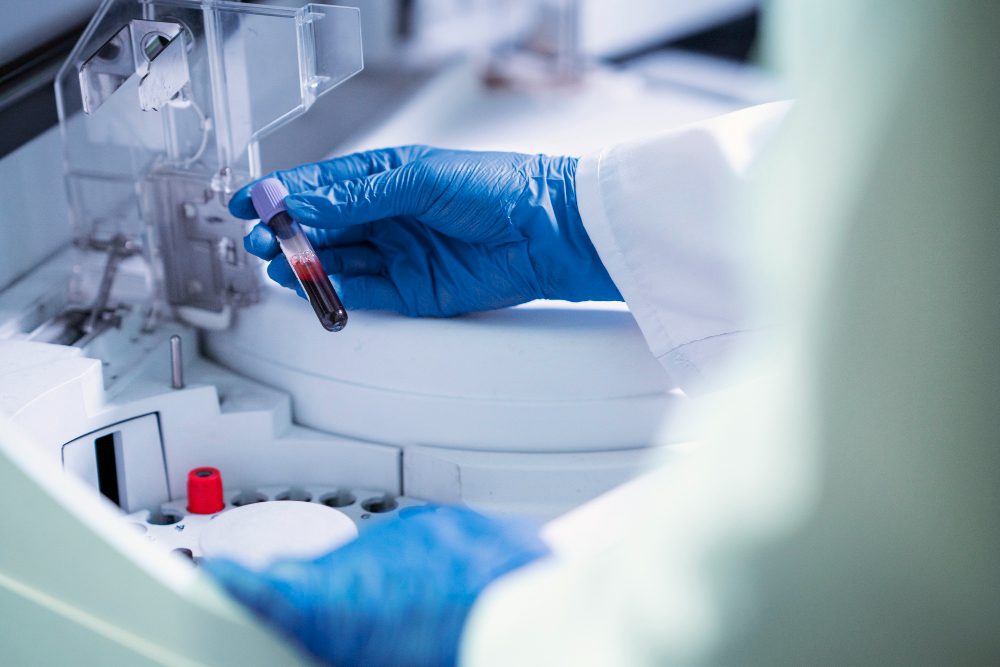

Kenya has 23 isolation facilities, four testing labs and 2,000 trained health workers which officials say are adequate in case virus comes knocking.
Kenya has recorded no confirmed Ebola case but remains on high alert as outbreaks in the Democratic Republic of Congo and Uganda continue to grow. At a media engagement forum in Nairobi on June 12, health officials laid out the scale of the regional threat, detailed the country’s preparedness measures, and called on journalists to counter misinformation with accurate, evidence-based reporting.
The forum, organised jointly by the Kenya National Public Health Institute and the Centre for Epidemiological Modelling and Analysis (CEMA), brought together government officials, public health experts, development partners and journalists to strengthen media collaboration and enhance public awareness on Ebola preparedness and response.
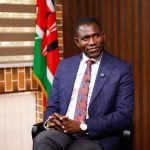
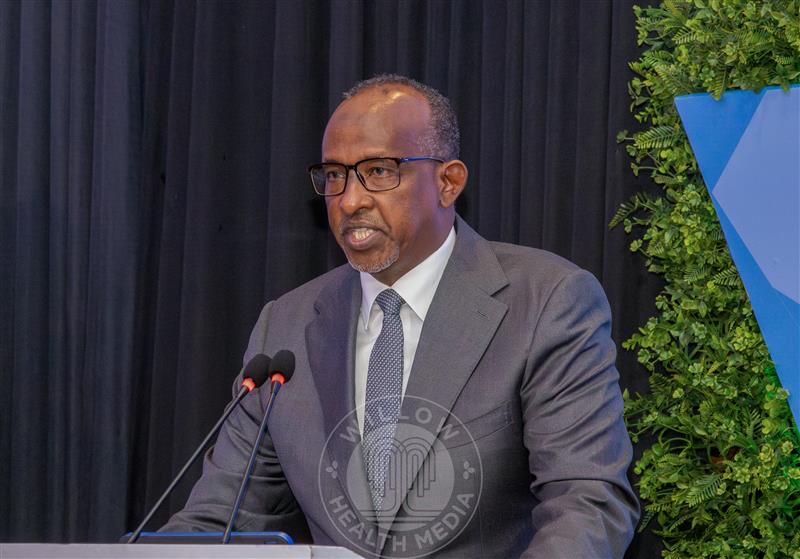
Health Cabinet Secretary Aden Duale assured Kenyans that the country has not recorded any Ebola case but remains on high alert due to its strategic location, regional connectivity and the movement of people and goods across borders. “As you are aware, we continue to closely monitor developments following the Ebola Virus Disease outbreak in our region. While we have not recorded any confirmed case of Ebola Virus Disease, we remain vigilant because of our extensive regional connectivity and the movement of people and goods across our borders,” he said.
As of June 11, the DRC had reported 635 confirmed Ebola cases and 127 deaths, a case fatality rate of 20 per cent. Uganda had recorded 19 confirmed cases and two deaths, representing a fatality rate of 10.5 per cent. Health workers continue to bear a significant burden, with 19 healthcare workers infected in the DRC and three in Uganda.
Despite the regional threat, Kenya has remained Ebola-free. KNPHI Acting Director General Dr Kamene Kimenye confirmed that 86 alert samples had been tested, all returning negative results. “We do not have a confirmed Ebola Virus Disease case in Kenya. The total number of people that we have tested is 86, and all have tested negative,” she said. She cautioned, however, that the country remains at elevated risk. “We remain at high risk. Our position, our international airport, our cross-border trade and the movement of people make preparedness critical,” she said.
Over 100, 000 travellers have been screened at airports, seaports and border crossings
To enhance readiness, the Ministry of Health has activated the National Incident Management System, bringing together national and county governments, development partners and technical experts to coordinate preparedness activities. A total of 101,717 travellers have been screened at airports, seaports and land border crossings. Rapid response teams have been placed on standby across the country, while surveillance has been intensified, particularly for travellers arriving from high-risk areas.
“We have mapped and trained response teams, enhanced surveillance at health facilities and communities and strengthened our laboratory capacity to ensure early detection and response,” Dr Kimenye said.
Kenya has identified 25 high-risk counties, including 12 classified as very high risk due to their proximity to Uganda, refugee-hosting responsibilities, transport routes and population mobility patterns. More than 2,000 healthcare workers and public health personnel have undergone virtual and practical training on Ebola case detection, infection prevention and control, sample handling and emergency response.
The country currently has four laboratories capable of conducting Ebola testing and has identified at least 23 isolation facilities nationwide, including Kenyatta National Hospital, Nairobi Hospital, Moi Teaching and Referral Hospital and Alupe facilities.
Addressing public concern over the establishment of isolation facilities, particularly in Laikipia County, Duale was direct. “Preparedness facilities are not evidence of an outbreak. They are precautionary measures designed to ensure that if a suspected or confirmed case arises, our health system can respond safely and effectively while protecting the public. Preparedness should not be mistaken for panic,” he said.
Duale appealed to the media to play a constructive role in combating misinformation and promoting evidence-based reporting, warning that inaccurate information could undermine public trust and complicate response efforts.
In times of heightened public concern, inaccurate reporting can create fear, confusion, stigma
“I would like to begin by recognising the critical role the media plays in creating public understanding during health emergencies. Your partnership is indispensable in ensuring that citizens receive accurate, timely and reliable information,” he said.
“In times of heightened public concern, inaccurate reporting can create unnecessary fear, confusion and stigma. We encourage all media houses to verify information through official channels and continue supporting public education efforts by sharing factual and evidence-based information,” he added.
The importance of effective risk communication was echoed by Dr Loice Ombajo of CEMA and the University of Nairobi, who highlighted the central role communities play in either stopping or accelerating Ebola transmission. Dr Ombajo explained that, unlike respiratory diseases such as COVID-19, Ebola spreads through direct contact with infected body fluids, making early detection and isolation critical.

“The make-or-break of an Ebola outbreak is in the community, not so much in the health facilities. People need to understand that if they develop symptoms after travel or exposure, seeking care early can save lives and prevent transmission to family members and communities,” she said. She cautioned that misconceptions about Ebola often fuel fear and delay health-seeking behaviour. “It is important for communities to know that Ebola is not a death sentence. Early detection, supportive treatment and proper clinical care can significantly improve survival,” she added.
Dr Ombajo also warned against unsafe burial practices and the handling of suspected cases, noting that such practices have historically driven transmission during Ebola outbreaks. “Where there is a suspected case or unexplained death, communities should not rush to wash and prepare bodies for burial before appropriate assessment. Such actions can expose many people if the illness turns out to be Ebola,” she said.
As outbreaks evolve, Kenya’s focus remains on vigilance, early detection and public awareness
Ministry of Health Director General Dr Patrick Amoth emphasised that community engagement, public awareness and responsible journalism remain critical pillars of preparedness. He said Kenya is leveraging lessons from the COVID-19 pandemic to strengthen surveillance, emergency response systems, laboratory networks and risk communication mechanisms. The Ministry has also established public information platforms, including a USSD service and WhatsApp-based information channels, to provide verified information and counter misinformation.
Duale called on all stakeholders, including county governments, healthcare workers, development partners, civil society organisations and the media, to embrace a whole-of-government and whole-of-society approach. “Preparedness is a shared responsibility, as the government cannot do it alone. Communities, healthcare workers, county governments, the media, development partners and the private sector all have a role in ensuring that Kenya remains ready to prevent, detect and respond to public health threats,” he said.
As regional outbreaks continue to evolve, health officials say Kenya’s focus remains on vigilance, early detection and public awareness to ensure the country remains protected from one of the world’s most dangerous infectious diseases.