

As 5,000 Kenyan pilgrims depart for Makkah, doctors warn that diabetes is one of the pilgrimage’s biggest and least-discussed medical risks.
About 5,000 Kenyan pilgrims are joining millions of Muslims worldwide for this year’s Hajj, but for those living with diabetes, the physically demanding pilgrimage requires careful health planning besides spiritual preparation.
Hajj is one of the five pillars of Islam, obligatory at least once in a lifetime for every able Muslim. It draws pilgrims to the holy cities of Makkah and Madinah in Saudi Arabia each year for a series of rituals performed over several days. The Kenya Hajj Mission confirmed that the first group of Kenyan pilgrims departed on 10 May, the second on 15 May and the final group on 17 May, 2026.
The pilgrimage involves walking thousands of steps daily across multiple sites, including Mina, Arafah, Muzdalifah and the Jamarat, all under intense heat and among massive crowds. For pilgrims managing diabetes, these conditions present serious health risks that experts say can be reduced significantly with the right preparation.
The scale of the challenge is considerable. According to the International Diabetes Federation (IDF), nearly 589 million people globally are living with diabetes, including about 25 million in Africa. In Kenya, an estimated 813,300 adults have the condition, representing a national adult prevalence of 3.1 per cent.
If diabetes were a country, it would be the third largest in the world after China and India
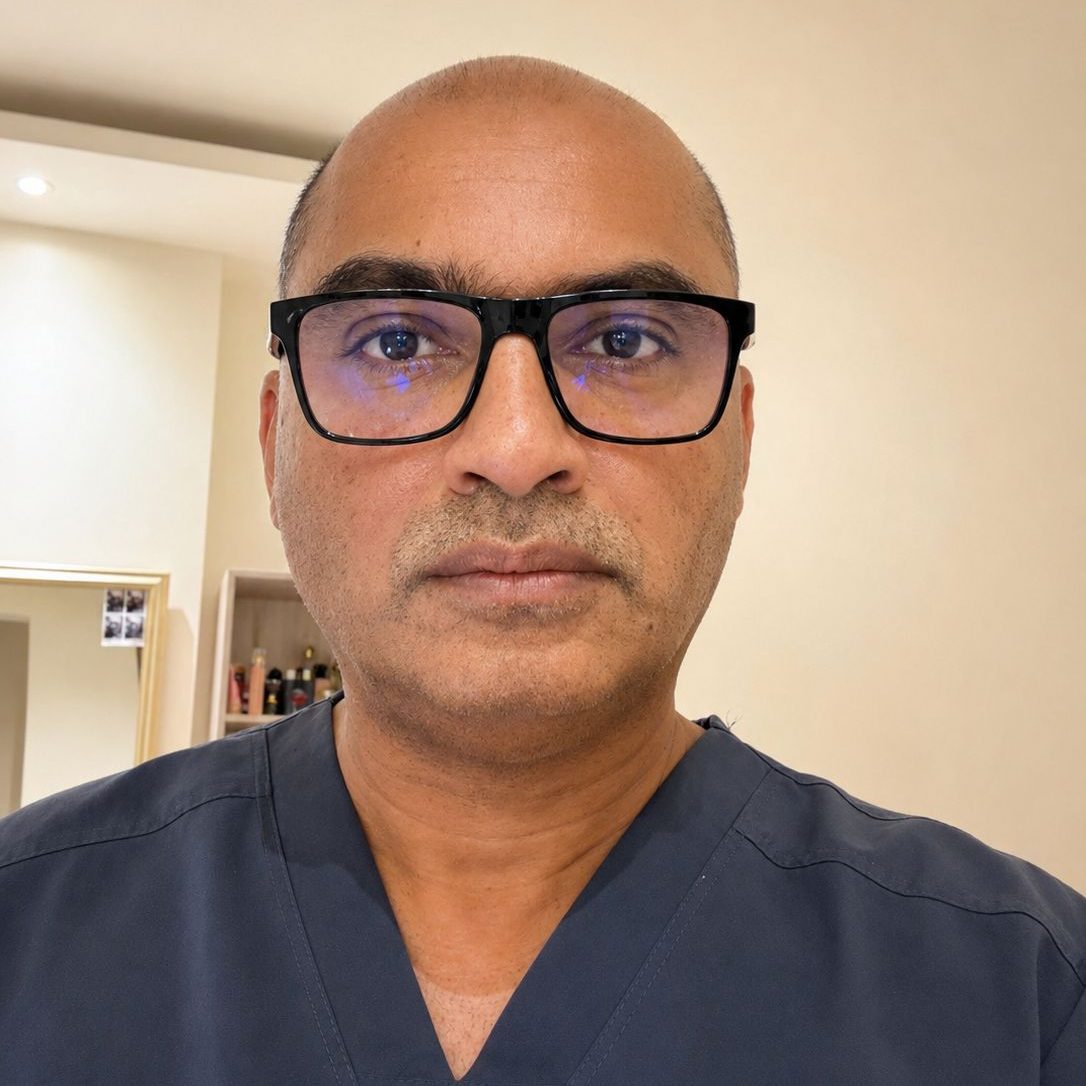
Diabetology specialist Dr Gaman Mohamed, speaking at a Hajj orientation session at the Jamia Multipurpose Hall in Nairobi, put the numbers in perspective. “If diabetes were a country, it would be the third largest country in the world after China and India,” he said.
A 2024 review published on ScienceDirect estimated that more than 340,000 Muslims with diabetes perform Hajj annually. A 2020 study on PubMed Central, titled Diabetes Care During Hajj, found that about 20 per cent of pilgrims with underlying illnesses visiting Makkah are diabetic, and that religious activities during Hajj significantly increase the risk of both hyperglycaemia (high blood sugar) and hypoglycaemia (low blood sugar).
Dr Gaman noted that diabetes contributes to between 30 and 40 per cent of many health complications recorded during Hajj, with researchers also observing diabetic ketoacidosis, severe dehydration and episodes of unconsciousness caused by low blood sugar.
The combination of physical exertion, extreme heat, irregular meals, sleep disruption and large crowds makes blood sugar management far more difficult than under normal conditions.
Dehydration is a particular concern. “People lose a lot of water because of the heat,” Dr Gaman explained. “At the same time, diabetic patients are also more vulnerable to infections such as flu.”
Many foods consumed during Hajj raise blood sugar rapidly, even when they do not taste sweet
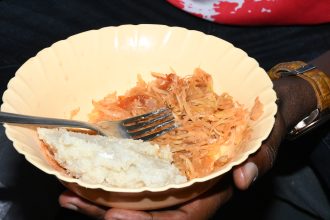
Diet also becomes harder to control during the pilgrimage. Dr Gaman warned that many foods commonly consumed during Hajj raise blood sugar rapidly, even when they do not taste obviously sweet. “If you eat two mahamri and two samosas, it is almost like eating 25 teaspoons of sugar in terms of how much it raises your blood sugar,” he said. A single slice of bread, he added, has an effect on blood sugar similar to around three teaspoons of sugar.
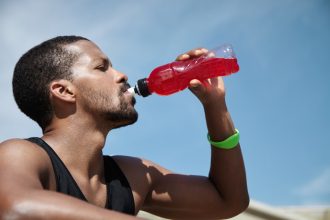
Sugary drinks are another hazard. “In Mina, people drink soda after soda, juice after juice. But those drinks are pure sugar,” he said. A single packet of juice may contain the equivalent of six to eight teaspoons of sugar.
Some pilgrims, he cautioned, make the dangerous decision to abandon their medication altogether. “Some people say, ‘I am in Hajj, God will protect me, I do not need my medicine.’ But that can become very dangerous,” he warned.
Health experts and the Saudi Ministry of Health agree that preparation before travel is the most important step for diabetic pilgrims. Dr Gaman urged all pilgrims with diabetes to visit their doctors before departure to stabilise blood sugar levels and adjust medication where necessary. He also advised pilgrims to inform their Hajj group leaders and travelling companions about their condition, so that emergency help can be sought quickly if needed.
If you are travelling with insulin, carry cool packs and don’t place it in checked luggage
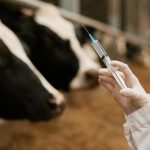
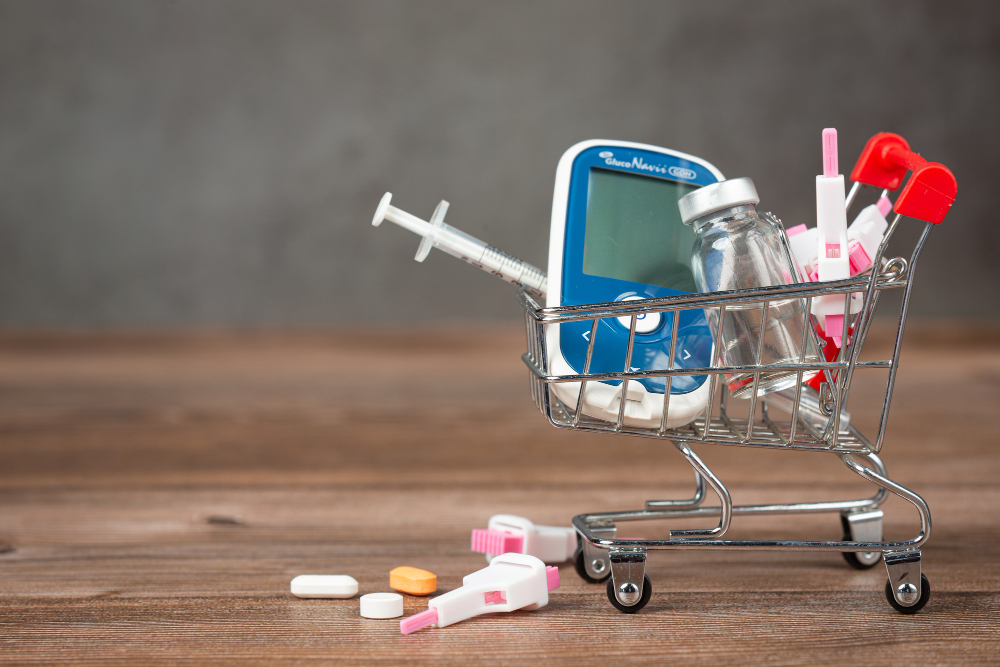
For those using insulin, safe storage during the pilgrimage is critical. Heat can rapidly degrade insulin, rendering it ineffective. “If you are travelling with insulin, carry cool packs,” Dr Gaman advised. “Do not place insulin in checked luggage. Always keep it in your hand luggage.” At accommodation sites, he recommended storing spare insulin in a refrigerator while carrying only the amount needed for movement between sites.
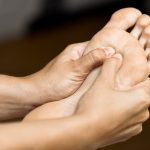
Foot complications are among the most common and serious problems diabetic pilgrims face. Long hours of walking on hot surfaces, combined with crowds that increase the risk of injury, can lead to wounds, infections and ulcers, particularly among those with diabetic nerve damage, a condition known as peripheral neuropathy.
The PubMed study recommends well-fitting shoes and padded socks, while the Saudi Ministry of Health advises checking feet twice daily, keeping them dry and moisturised, trimming nails carefully and seeking immediate medical attention for any wound or infection. Dr Gaman reinforced the point. “You may see someone else walking barefoot during worship, but if you have diabetes and nerve problems, you should protect your feet,” he said. “Your intention is what matters, but you must also protect your body.
During physically demanding rituals, pilgrims should carry fast-acting sugar sources like dates or dextrose tablets
During physically demanding rituals such as Tawaf (the circumambulation of the Kaaba) and Sa’i (the walk between the hills of Safa and Marwa), blood sugar can fall quickly. Dr Gaman advised pilgrims to carry fast-acting sugar sources such as dates or dextrose tablets. “Dates are good because they raise sugar levels quickly if they drop,” he said.
For sustained energy, he recommended balanced meals combining carbohydrates, protein, vegetables and plenty of water. “If vegetables are not available, eat more protein and smaller portions of rice,” he advised.
Pilgrims using insulin should monitor blood sugar before and after meals, and insulin doses may need to be reduced by around 20 to 30 per cent during high-activity periods, though Dr Gaman stressed that any such adjustment must be guided by a doctor.
After returning home, diabetic pilgrims are encouraged to see their doctors for reassessment and any necessary medication changes. “If you prepare properly, you are more likely to remain healthy throughout Hajj,” Dr Gaman concluded.
We believe in the free flow of information
Republish our articles for free, online or in print, under Creative Commons licence.