


Women spend nearly 25 per cent more of their lives in poor health than men, yet their health remains chronically underfunded in research and development
As a young doctor working in Busia on the Kenya-Uganda border, Prof Elizabeth Anne Bukusi witnessed firsthand how deeply women’s health shapes families and communities.
In the border town, where malaria and HIV were widespread, she watched women endure repeated pregnancies, difficult births and preventable complications, often at great personal cost.
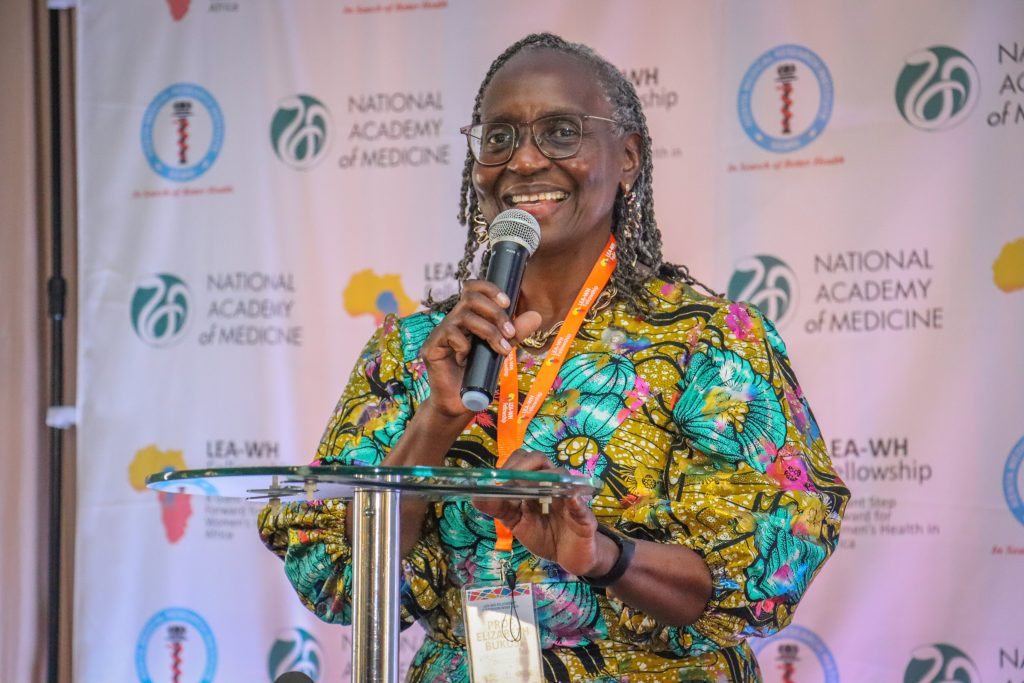
“I saw how much women suffer from the process of giving birth, giving life to the next generation, but many of them would lose their lives,” she recalls.
Those early experiences in obstetrics and gynaecology would later shape her commitment to women’s health research and capacity building; a mission now reflected in a new Africa-focused fellowship launched yesterday in Nairobi, of which she is program director.
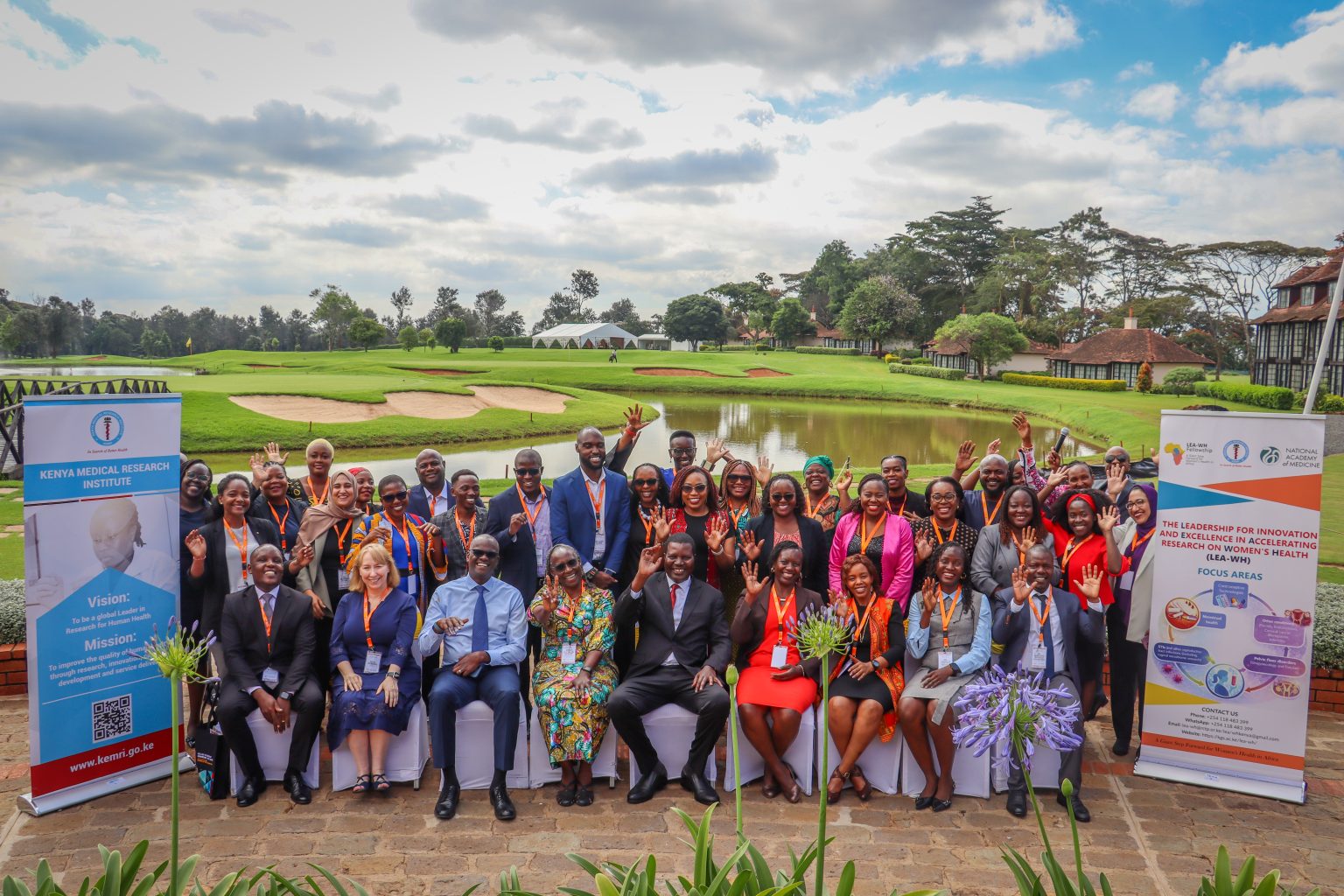
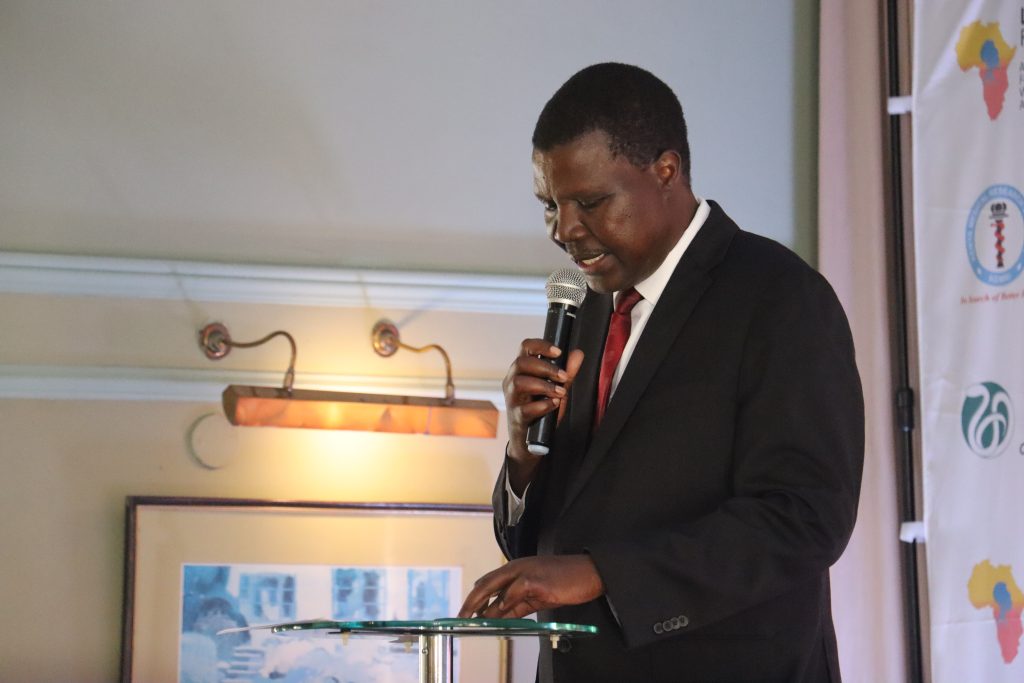
Bukusi was among health researchers and policy leaders attending the opening of the Leadership for Innovation and Excellence in Accelerating Women’s Health Research (LEA-WH) Fellowship Immersion Week 2026, where Kenya Medical Research Institute (KEMRI) Acting Director General and CEO Prof Elijah Songok called for Africa to take charge of women’s health innovation.
Speaking at the launch, Songok said women globally continue to face significant barriers to quality healthcare, despite evidence showing they spend nearly 25 per cent more of their lives in poor health than men. Yet, he noted, women’s health remains chronically underfunded in research and development.
On the African continent, the burden is particularly severe. Maternal mortality remains high, while reproductive health complications, cervical cancer, infertility and gender-based violence continue to affect millions of women.
Africa can no longer afford to rely on externally driven solutions for its health problems
Sub-Saharan Africa accounts for nearly 70 per cent of global maternal deaths, according to international estimates, while African institutions contribute less than two per cent of global health research output.
Against this backdrop, Songok said Africa can no longer afford to rely on externally driven solutions for its health problems.
“This gathering marks far more than the opening of a fellowship program,” he told fellows, researchers, mentors and policy experts from across Africa. “It represents a collective commitment to advancing women’s health research, innovation, and leadership across our continent.”
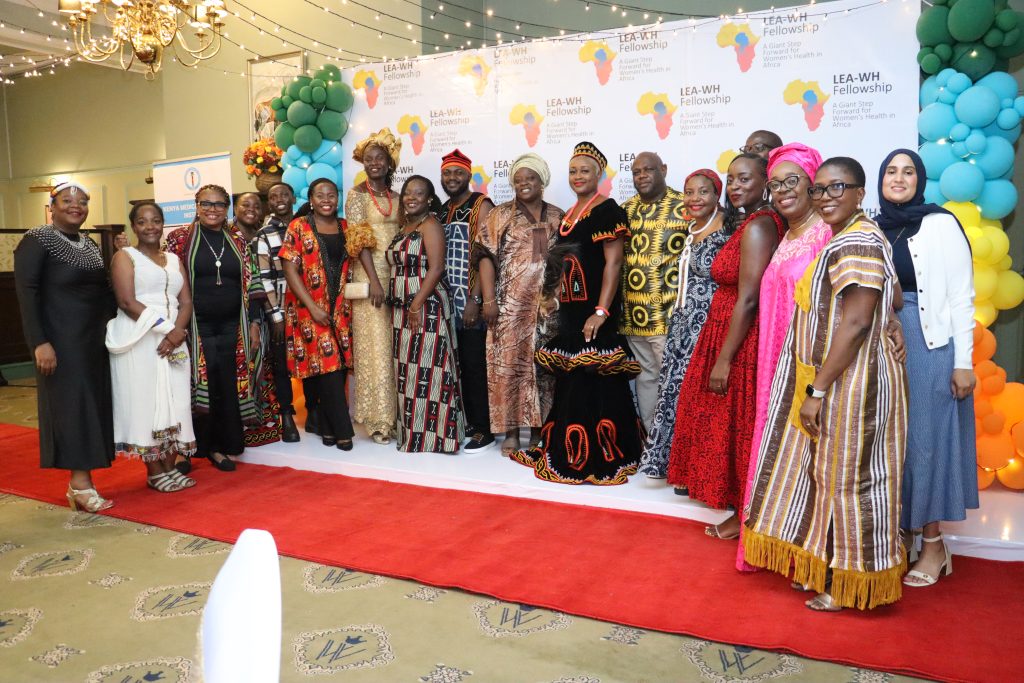
The LEA-WH Fellowship is a joint initiative supported by the National Academy of Medicine and the Gates Foundation. It is designed to build a pipeline of African scientists, innovators, and leaders focused on solving women’s health challenges through locally relevant research and scalable innovations.
The fellowship is led by Prof Bukusi alongside women’s health technical pillar lead Prof Nelly Mugo, leadership and development lead Dr Rose Bosire, curriculum development lead and KEMRI Graduate School head Dr Martin Bundi, and project coordinator Prof Nyawira Gitahi.
At the centre of Songok’s keynote was a stark assessment of Africa’s health research imbalance. Africa carries about 25 per cent of the global disease burden, yet produces less than two per cent of global health research and receives only a small share of international research and development funding.
“These are not merely statistics,” Songok said. “They represent mothers lost too soon, families affected by preventable illness, and young women denied opportunities because health systems failed to meet their needs.”
He said the gap between disease burden and research investment has created a cycle of delayed diagnoses, inequitable care and innovations that often fail to reach the communities that need them most.
But rather than viewing this as a limitation, Songok framed it as an opportunity, “to build stronger research ecosystems, strengthen local innovation, and develop context-specific solutions that respond directly to the lived realities of our people.”
Many promising innovations struggle to move beyond the proposal, prototype, or pilot stage
He stressed that Africa’s health challenges require African-led solutions developed by local scientists, institutions and innovators. That principle underpins the LEA-WH Fellowship, which has selected 20 researchers and innovators from 11 African countries for its inaugural cohort.
The fellows will undergo mentorship, technical training and leadership development over the next year, with projects split between reproductive health research and product innovation tracks. Songok noted that scientific excellence alone is no longer enough to improve health outcomes.
“Many promising innovations struggle to move beyond the proposal, prototype, or pilot stage,” he said. “The skills required to translate research into scalable impact are often underdeveloped or insufficiently supported.”
To address this, the fellowship includes training beyond traditional research methods, covering policy engagement, implementation science, entrepreneurship, health financing, partnerships and systems thinking.
Assistant program coordinator Dr Renson Marima said the initiative aims to accelerate both research and innovation in women’s health.
Technical resource lead Dr Hellen Barsosio said the program addresses long-standing blind spots in health research.
“When you think about the womanhood journey, right from the time you hit puberty until the grave, you have to sum out multiple challenges,” she said. “What this program offers is an opportunity for 50 per cent of the population to finally have their needs addressed by paying attention to what we (women) need, what products work for us, and how they reach market.”
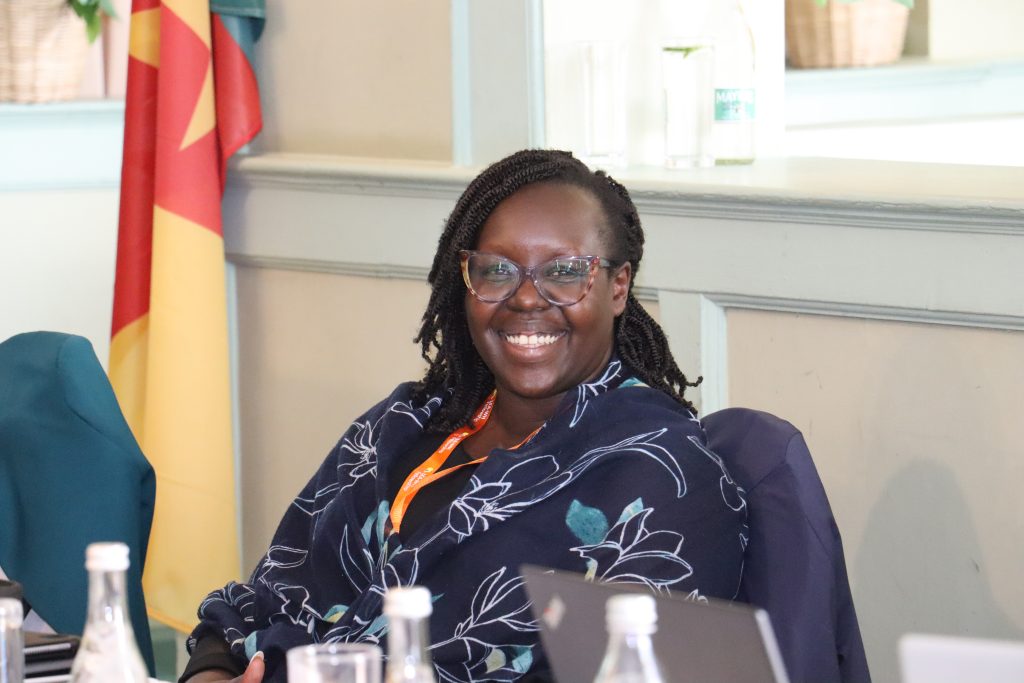
Barsosio noted that women’s health research has historically focused heavily on maternal health, often overlooking broader issues affecting women across their lifespan.
“For the longest time, when we’ve done research, it’s always been maternal health, for instance, and we’ve never really paid attention to women’s health,” she said. “Almost as if this is the by-the-way in our day-to-day practice.”
The 2026 fellows are already working on projects addressing a wide range of challenges. Among the reproductive health proposals are studies on vaginal microbiome research, early detection and treatment of sexually transmitted infections among adolescent girls, and menopause symptom management.
Innovation projects include biodegradable sanitary pads and wound dressings, improved cervical cancer screening technologies, and an artificial intelligence-based prototype to improve contraceptive access in Kenya.
“When you build capacity, you can make a difference to the lives of so many people”
Dr Serah Gitome, technical resource lead for women’s health research development and innovation, said lived experience was intentionally built into the fellowship curriculum.
“I think a lot about the women that we’ve interacted with through our studies who struggle with various reproductive health challenges,” she said.
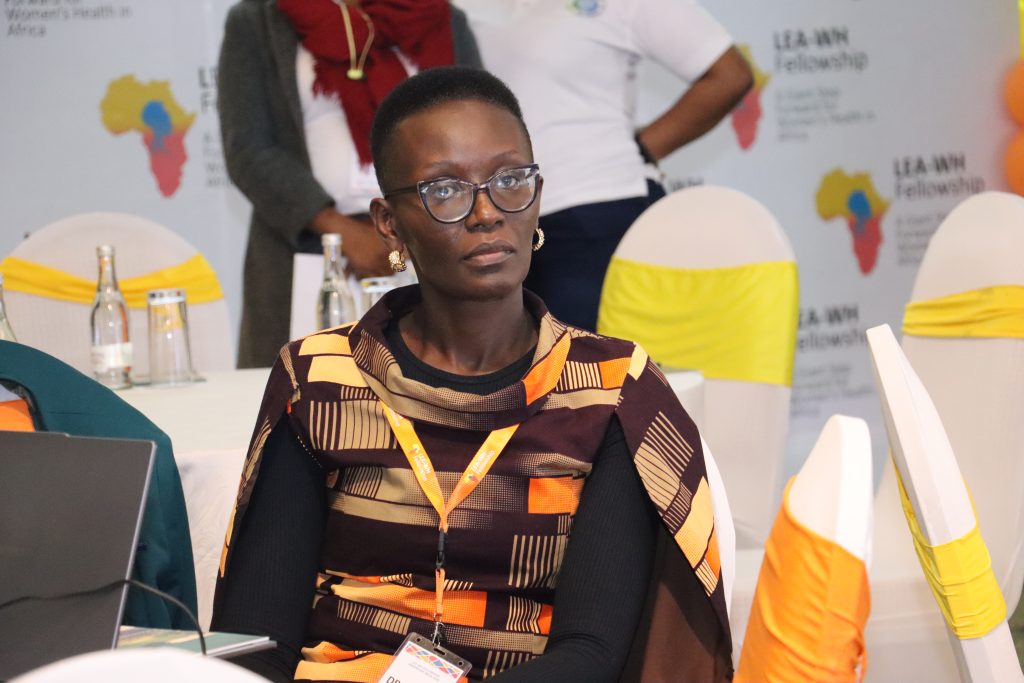
She cited women living with recurrent reproductive tract infections, many of whom cycle through repeated treatments with little relief.
“Sometimes they’re forced to go outside the conventional healthcare system to try and find solutions,” Gitome said. “And in doing so, sometimes they make use of interventions that cause more harm.”
For Bukusi, these realities reinforce the importance of building a new generation of African researchers.
“That made me interested in being part of the solution,” she said. “Which brings me to capacity building. When you build capacity, you can make a difference to the lives of so many people.”
She added that women need practical solutions tailored to their daily realities.
“So, women need to find ways that can work for them and that can support their choices and their lives. Finding things that work for people within where they live and how they live is very important.”
Curriculum development lead Dr Martin Bundi said research must remain grounded in dignity, inclusion and social impact.
“First, it is African-based, led by African teams, and more so contributing to health solutions that are really pertinent,” he said.
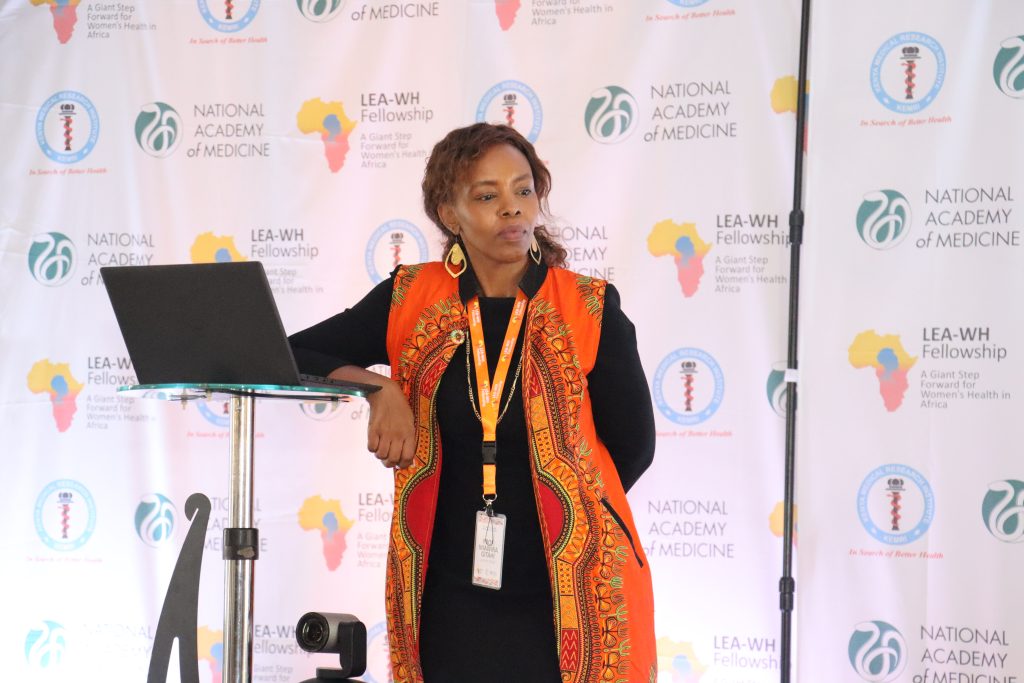
Prof Nyawira Gitahi, LEA-WH project coordinator, highlighted the program’s mentorship component as critical for African scientists, who she said are often challenged because they lack extensive mentorship.
“We may have talent, but talent has to merge with opportunity and investments.”
For many of the early-career fellows, the immersion week offers a rare opportunity to pitch ideas, secure mentors and potentially attract funding.
“The ability to impact the continent in this way is every researcher’s dream,” Gitahi said.
As the week continues, organisers say the program could help shift the centre of gravity in women’s health research toward African institutions and, ultimately, toward solutions shaped by the women and communities they are meant to serve.
We believe in the free flow of information
Republish our articles for free, online or in print, under Creative Commons licence.