


Millie recalls how former Taita Taveta Woman Rep Joyce Lay broke down in Parliament while discussing how she was “forced to adopt her own son” sired via assisted reproduction.’
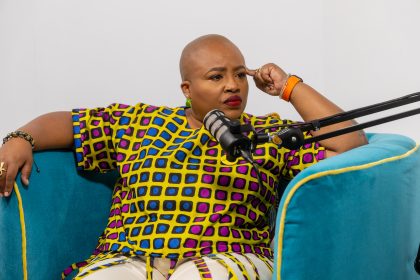
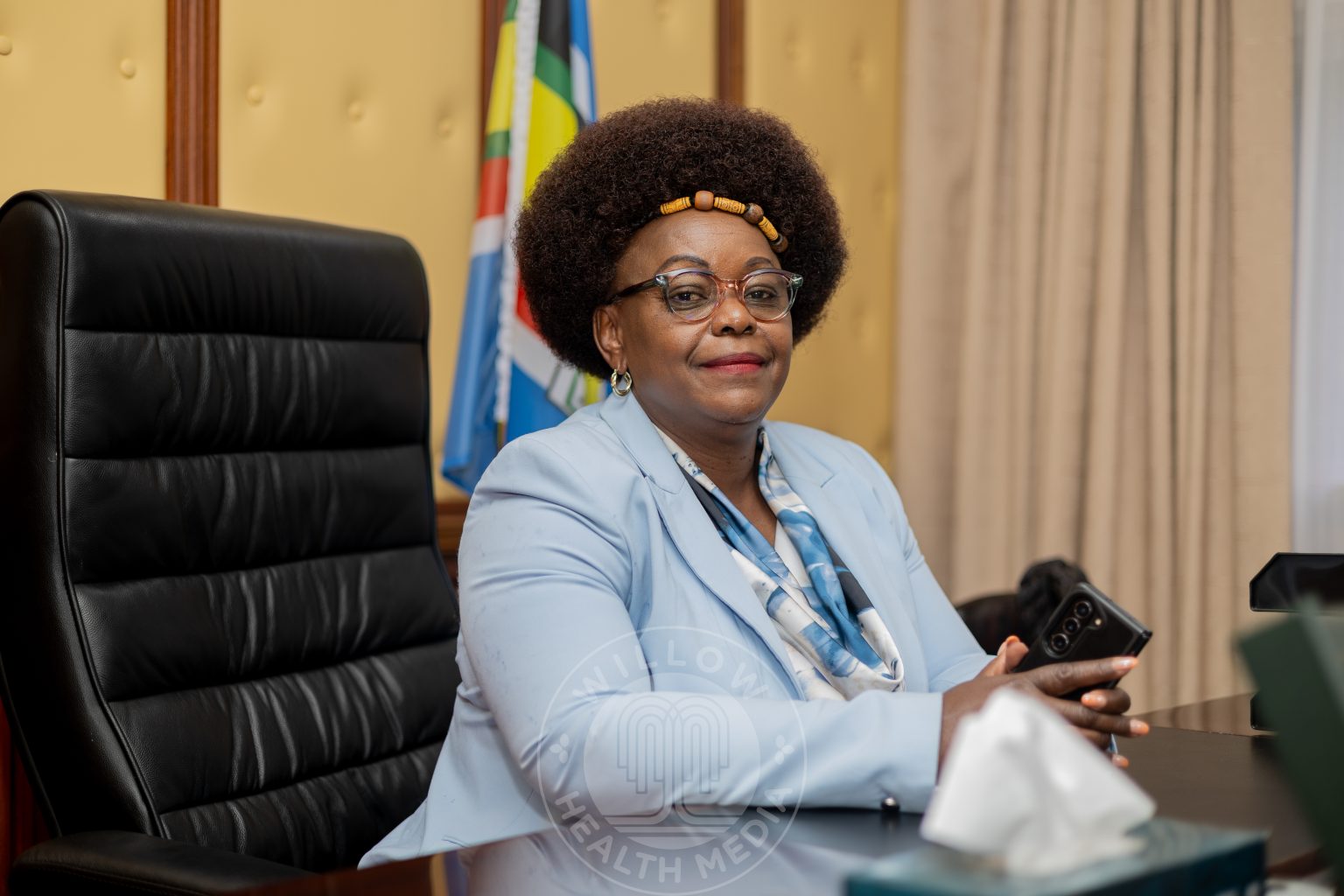
Kenya has passed the Assisted Reproductive Technology (ART) Bill 2022, a landmark law creating the nation’s first legal framework for services like IVF and surrogacy. The bill, championed by Suba North MP Millie Odhiambo, aims to end years of dangerous unregulation, protect families from exploitation, and dismantle the deep stigma surrounding childlessness.
This historic victory is the direct result of a deeply personal crusade by Millie, who transformed her own experience of childlessness and the witnessed agony of countless constituents into a decade-long legislative battle.
The crusade’s defining moment came not in Parliament, but in a small village called Obambo. A woman in a tattered pink dress stood frozen as others whispered “that one” when leaders called for childless women to step forward.
Witnessing this public humiliation, Millie saw the silent crisis affecting thousands made vividly, painfully human. This encounter, alongside pleas from educated, professional women in support groups who felt exploited by unregulated clinics and silenced by stigma, ignited her mission.
“At that point, I did not know myself that I would not have a child,” Millie recalls. But when her own childlessness became a campaign issue, she realised the depth of the problem. “I think because I’m fairly liberal in mind, I didn’t think people would take something like that as such a big deal.”
She was wrong.
You know, mheshimiwa, we are the childless ones who don’t talk before people
As MP Millie engaged with constituents, farmers, teachers, and people living with HIV who spoke openly about their challenges, but one group always waited until everyone else had left.
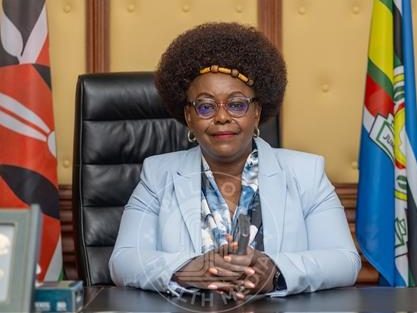
“They’ll be telling me, ‘You know, mheshimiwa, we are the ones who are like you,'” she remembers. “We are the childless ones. The childless ones don’t talk before people.”
The discrimination runs deep, and childless women, Millie discovered, are often among the poorest, most disregarded, mistreated, and abandoned. Just recently, she noticed the indignity of burying a childless woman in her constituency while another sick one was only visited once by her husband.
“They don’t regard people who are childless as human,” Millie states bluntly.
Ironically, Kenya’s cultures have historically protected childless couples. Among the Kikuyu and Kamba communities, forms of traditional surrogacy existed: women were allowed to marry other women to continue their lineage, while brothers quietly helped infertile siblings conceive.
“Society found a way of dealing with it,” she explains, referencing Jonathan Kariara’s poem “A Leopard Lives in a Muu Tree” from her high school days, which addressed male infertility through coded language.
While society blames women for childlessness, medical science shows that male factor infertility is often one primary cause.
Faith leaders, including the Catholic Church, raised questions about surrogacy
Before its approval, the ART Bill faced several delays driven by concerns from different groups, including Millie’s parliamentary colleagues who questioned its intention.

Faith leaders, including those from the Catholic Church, also raised questions about surrogacy and the ethical considerations around assisted reproduction.
Millie clarifies that the Bill focuses on helping families facing childlessness, a major concern in many communities and that it does not compel anyone to use these services, which are regulated.
The human cost of the delay in passing the Bill was such that even former legislators were forced to navigate fertility treatments without legal protection.
Millie recalls how former Taita Taveta Woman Rep Joyce Lay broke down when discussing how she was “forced to adopt her own son, who she even has a genetic link with,” Millie explains.
The son only discovered he was legally adopted years later when they needed to travel. ‘You mean I’m actually adopted?’ he asked. His mother then had to explain,” says Millie.
We’ll make it easier for you to have children through assisted reproduction
The Assisted Reproductive Technology Bill now awaits approval from Senate review and Presidential Assent to become law.
Millie says she has obtained Senate leadership pledges to fast-track the Bill, which prioritises Kenyan citizens and addresses the critical demand for regulated, ethical, and widely available fertility services nationwide.
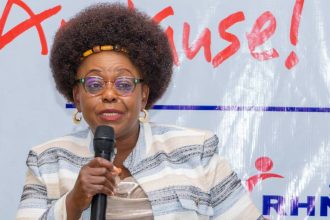
“I consider it a privilege to be childless,” Millie says, “because then I’m able to talk with authority. I’m not talking from a point of empathy, I’m talking from a point of knowledge and empowerment.”
Her message to struggling Kenyans is a promise to make the services transparent and inclusive, where everyone has equal access.
“We’ll try our best to make it easier for you to have children through assisted reproduction. If technology can assist women and men who are depressed, who are frustrated, whose marriages are breaking because they don’t have children, why not?”
This article was first published by Willow Health Media on December 10, 2025.