

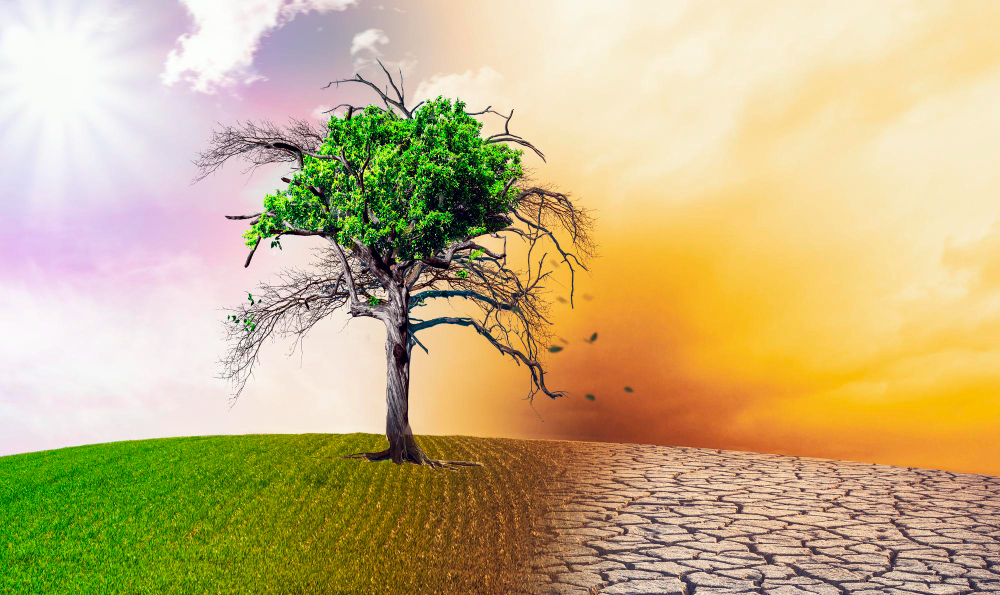

Experts have warned on impacts such as more extreme heat waves, floods, and droughts that could lead to malnutrition, waterborne diseases, and heat stress. Other impacts are expanded ranges for malaria, dengue and other vector-borne diseases, as well as the disruption of food systems that could lead to food insecurity and undernutrition.
In early January 2026, the United States of America (US) announced it would withdraw from 66 international organisations, conventions and bodies it said no longer served US interests, a move environmental groups and international observers have described as a major setback to global environmental cooperation.
Among the affected institutions are key environmental and climate bodies, including the Intergovernmental Science-Policy Platform on Biodiversity and Ecosystem Services (IPBES), the UN Framework Convention on Climate Change (UNFCCC), and the Intergovernmental Panel on Climate Change (IPCC).

On January 8, IPBES Chair Dr David Obura described the decision by President Donald Trump as “deeply disappointing” in a statement warning that it could undermine hard-won gains in global conservation efforts.
“While it is clearly the prerogative of governments to withdraw from global processes like those of IPBES, it is important to remember that this does not change the science or the relevance of that science to the lives and livelihoods of people in every community, in every part of the world,” Dr Obura said in a statement.
The withdrawal was announced through a presidential memorandum signed by President Trump, listing 31 United Nations entities and 35 other international organisations spanning climate cooperation, development, human rights and trade. The White House said the institutions no longer served American interests and represented a misuse of taxpayer funds.
Move follows the US’s second withdrawal from the Paris Climate Agreement
“Unfortunately, we cannot withdraw from the fact that more than one million species of plants and animals face extinction,” Dr Obura said. “Nor can we change the fact that the global economy is losing as much as $25 trillion per year in environmental impacts or restore the missed opportunities of not acting now to generate more than $10 trillion in business opportunity value and 395 million jobs by 2030.”

Although IPBES has not yet received formal notification from the US government, Dr Obura said the platform expects the US to cease its membership.
The move marks a significant retreat from multilateral engagement by the US and follows its second withdrawal from the Paris Climate Agreement, as well as its decision not to send a delegation to the COP30 climate summit in Brazil last year.
IPBES was established in 2012 after repeated failures by governments to meet biodiversity targets under the Convention on Biological Diversity (CBD). In 2010, global leaders pledged to significantly reduce biodiversity loss, but those targets were missed, largely due to the absence of shared scientific baselines and credible measurements.

The US is a founding member of IPBES and has played a major role in shaping its work. US scientists, policymakers and stakeholders, including Indigenous Peoples and local communities, have been among the platform’s most active contributors, leading assessment reports, chairing negotiations, serving as authors and reviewers, and helping guide the organisation both scientifically and administratively.
Decision-makers in the US have also been among the most frequent users of IPBES assessments, applying them to inform policy, regulation, investment and future research.
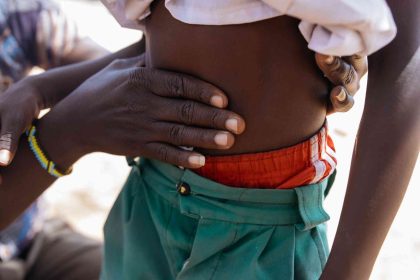
The US withdrawal from these international bodies and funding mechanisms linked to health, climate and development poses significant risks to the health of communities globally, with disproportionate impacts on Africa. Vulnerable populations with limited resources are likely to suffer more frequent and severe health shocks due to reduced cooperation, funding gaps, and weaker international response capacities.
Experts have warned on impacts such as more extreme heat waves, floods, and droughts that could lead to malnutrition, waterborne diseases, and heat stress. Other impacts are expanded ranges for malaria, dengue and other vector-borne diseases, as well as the disruption of food systems that could lead to food insecurity and undernutrition.
At least 356 plant species in Kenya are listed as critically endangered or vulnerable
For countries like Kenya, the US withdrawal reshapes the global system that supports scientific research, financing, international cooperation and capacity building.

According to Nature Kenya Executive Director Dr Paul Matiku, Kenya is among the world’s most biodiversity-rich countries. Scientific estimates suggest it hosts about 7,000 plant species and approximately 25,000 species of insects and other invertebrates, many of which remain unknown to science.
“The number of mammals, birds, maybe some reptiles and fish are known,” Dr Matiku said. “But for many other species, assessments are incomplete, and some have already been determined to be of global conservation concern.”
At least 356 plant species in Kenya are listed on the International Union for Conservation of Nature (IUCN) Red List as critically endangered, endangered or vulnerable. In addition, 33 mammal species, including lions, cheetahs, elephants and rhinos, are threatened, alongside six bird species, particularly vultures, which face rapid decline due to poisoning linked to human-wildlife conflict.
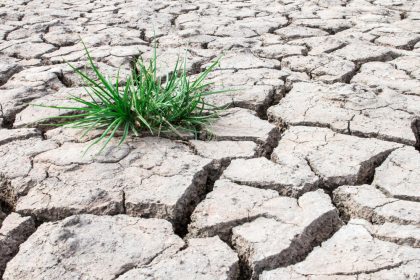
Kenya’s marine ecosystems are also under pressure, with 26 fish species and eight reptile species classified as threatened. Conservationists warn that the true scale of biodiversity loss may be far greater, as many species remain undocumented.
Dr Matiku said implementing the Global Biodiversity Framework requires an estimated $200 billion (Ksh25.8 trillion) annually from all sources. While IPBES does not provide funding, it plays a critical role in guiding investment priorities and shaping effective interventions.
“Historically, the USA has been a significant contributor to global environmental processes,” he said. “Its withdrawal financially, scientifically and politically creates imbalances that affect developing countries the most.”
Loss of biodiversity protection could lead to the extinction of one or more species
“Research on biodiversity, ecosystem services, policy and capacity building is going to be impacted by reduced financial flows, especially to developing countries, Kenya being one of them,” he added. “Today, universities and research institutions hardly have any resources to carry out research.”
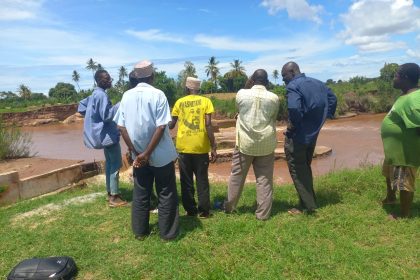
Nature Kenya and its partners have identified 68 Key Biodiversity Areas across the country; sites so important that the loss of protection could lead to the extinction of one or more species. These include forests, wetlands, grasslands and marine ecosystems such as Arabuko Sokoke Forest, Dakatcha Woodland, Hell’s Gate National Park, Nairobi National Park, Kinangop Grasslands, the Tana River Delta, South and North Nandi forests, and Lake Naivasha.
Dr Matiku cited Mount Kenya as an example of what is at stake. Its ecosystems support irrigation for more than seven million people, supply water to towns and cities, generate hydropower and drive tourism. Yet degradation continues, contributing to challenges such as the silting of Masinga Dam.
“Water is just flowing out without being able to generate sufficient hydropower,” he said. “That degradation is caused by poor land management, lack of restoration efforts, and insufficient research to guide interventions.”
“Without adequate research, restoration and planning, such problems multiply,” he added.
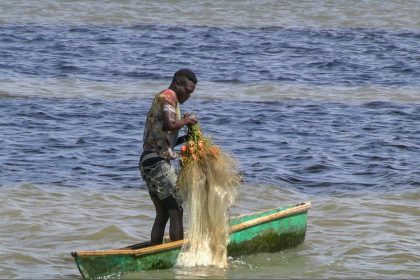
At the local level, biodiversity loss is often felt most acutely by communities that depend directly on natural resources. Forest degradation reduces access to firewood, soil erosion undermines food security, and overfishing destroys livelihoods.
“Yet communities are also key actors in the solutions,” Dr Matiku said, pointing to sustainable forest management, climate-smart agriculture, responsible fishing and community-based tourism as pathways to conservation that also support livelihoods.
The US withdrawal from IPBES and other climate bodies, he said, sends a clear signal that countries must strengthen their own commitment to protecting biodiversity for future generations.
“Governments may walk away from international platforms,” he said, “but people cannot walk away from nature and its ecosystems.”