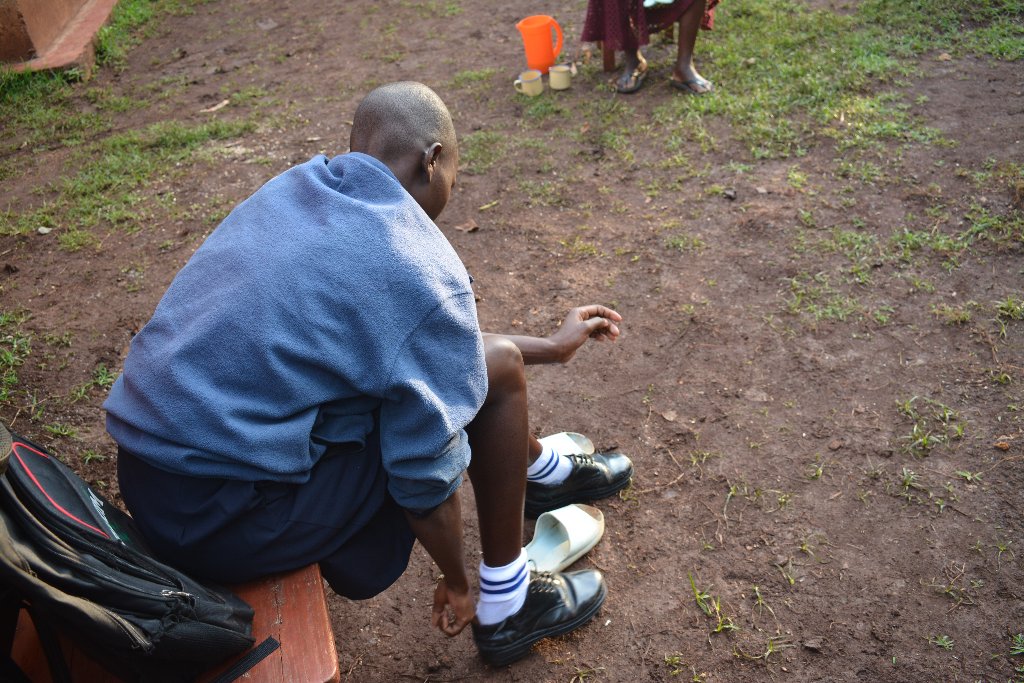
Some girls went into labour during national examinations, while others sat their papers from hospital beds, navigating childbirth and recovery alongside the pressure of national assessments. Their experiences raise questions about whether Kenya’s education and health systems are doing enough to protect their wellbeing and right to complete school.
Naima* (not her real name) was sitting the first week of her Kenya Certificate of Secondary Education (KCSE) written papers, which began on November 2, 2026, when her baby arrived earlier than expected.
The candidate from Perani Secondary School in Lunga Lunga Sub-County, Kwale County, delivered a premature infant who was placed under special care. Still recovering from childbirth, Naima had to complete her remaining papers while her newborn received medical attention.
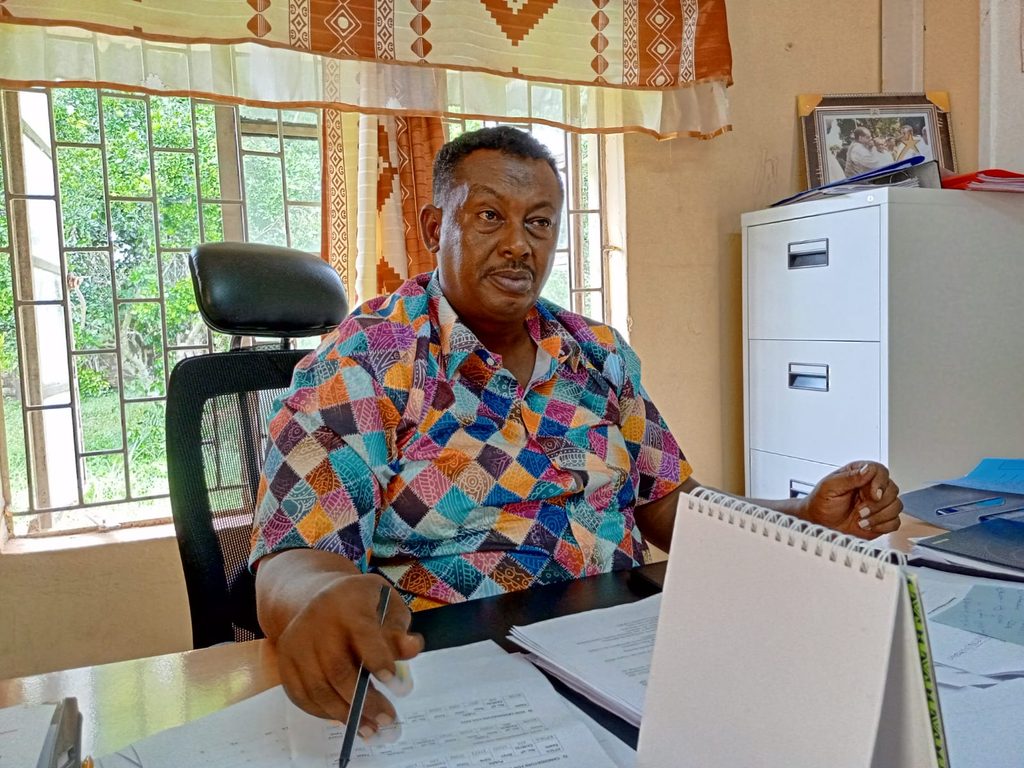
Kwale County Director of Education Ahmed Abdi confirmed the incident, saying Naima was sitting her examinations in hospital under “special arrangements that allowed her to continue with the national assessment”.
Naima’s case is not isolated. During this year’s national examination period, other candidates have gone into labour or continued writing papers from health facilities, facing the demands of examinations alongside pregnancy, childbirth and recovery.
During the 2026 Kenya Junior School Education Assessment (KJSEA) in Bomet County on October 27, two candidates from Maraketit and Chemelet Comprehensive Schools reportedly went into labour and delivered at Sigor Sub-County Hospital and Kenyakoro Health Centre, respectively.
That same day in Homa Bay County, a Grade 6 candidate from Rangwe delivered a baby boy through Caesarean section shortly before the Kenya Primary School Education Assessment (KPSEA) began and sat her examinations at Homa Bay County Teaching and Referral Hospital.
During the KCSE examinations, a candidate from Kong’otik Girls High School in Bomet went into labour on November 2, delivered the following morning and continued her examinations at Dr Joyce Laboso Memorial Mother and Child Hospital.
The newborn reportedly died shortly after birth, but the candidate continued sitting her KCSE examinations at the hospital
Another KCSE candidate from Migori County spent a week in the maternity wing at AGC Tenwek Hospital, where she sat her examinations. The case was confirmed by the Bomet County Director of Education on November 6.
In Kisii County, a candidate from Gianchere Friends Senior School delivered a baby girl at Keumbu Sub-County Hospital on November 10 after going into labour the previous night. The newborn reportedly died shortly after birth, but the candidate continued sitting her KCSE examinations at the hospital.
And on November 16, another candidate delivered a baby shortly before sitting her Geography examination, with reports saying she was already nine centimetres dilated when she arrived at the hospital.
These are only the cases that have been publicly reported. Others may go undocumented or unreported, meaning the true number of girls giving birth during national examinations could be higher. Together, they show the circumstances in which some Kenyan girls are pursuing their education, navigating childbirth, recovery and the demands of national examinations at the same time.
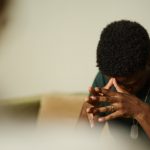
Their experiences raise a question no examination timetable can answer: who looks after the physical, psychological and emotional wellbeing of a girl who is recovering from childbirth, caring for a newborn and facing a national examination?
No national tally of candidates sitting examinations from maternity wards is publicly available
The 2020 National Guidelines for School Re-Entry in Early Learning and Basic Education, published by the Ministry of Education, state that “A learner who is pregnant shall be allowed to sit for national examinations if her health condition permits. The school head and staff, in collaboration with parents/guardians, shall take all reasonable steps to accommodate the learner’s learning, health and maternal needs during the examination period.”
However, the specific criteria and safeguards governing these arrangements remain unclear. Questions also remain about the appropriateness of administering examinations in a hospital, particularly for candidates who are in labour, have just given birth or are recovering from childbirth.
No national tally of candidates sitting examinations from maternity wards is publicly available, but county reports point to a recurring pattern. In 2021, Rift Valley Regional Commissioner George Natembeya reported that 10 candidates in Kericho sat their first KCSE paper in labour wards. In 2023, Narok County Commissioner Isaac Masinde reported that 72 candidates sat the KPSEA and KCPE examinations while pregnant, with five of them taking their examinations in hospital after developing labour pains.
In 2024, Basic Education Principal Secretary Belio Kipsang spoke of “increased incidences of girls doing exams from the hospital after giving birth”, while in October 2026, after two KJSEA candidates in Bomet gave birth during the assessment period, County Director of Education Leonard Ngugi said officials “have sent our supervisor and security to the maternity”.
In Kwale, the concern is sharper. According to the 2025-26 Kenya Mini Demographic and Health Survey, 13.4 per cent of girls aged 15 to 19 in the county have ever been pregnant, compared with 11.9 per cent nationally. The manuscript also identifies Lunga Lunga, Naima’s home sub-county, and Matuga as areas with higher numbers of cases.
Kenya’s examination culture can place heavy emphasis on results, sometimes overlooking what learners are experiencing
Lawmakers have questioned whether the hospital-bed model should continue. In 2023, the National Assembly Departmental Committee on Education, chaired by Tinderet MP Julius Melly, proposed amending the KNEC Act to allow pregnant candidates, girls who had recently given birth and other hospitalised learners to sit supplementary examinations after recovery, rather than having examinations administered at their hospital bedsides.
Melly argued that candidates who had just given birth or undergone surgery were not in an optimal physical or emotional state to sit examinations. He asked: “How can you deliver an exam paper to a young girl who has just given birth or someone who just woke up from surgery in a hospital?”
The proposal has not been established as implemented policy. A separate petition seeking special examinations for pregnant candidates, Peter Solomon Gichira and two others v Kenya National Examinations Council and four others (Petition No. 397 of 2018), was filed at the High Court in 2018.
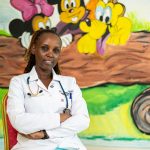
Kenya’s examination culture can place heavy emphasis on results, sometimes overlooking what learners are experiencing. Triza Ireri, a nurse at Mswambweni Sub-County Hospital in Kwale County, says girls in these circumstances need a more deliberate support system.
“Examinations come with pressure for any student. But imagine a girl who is sitting her first national examination while also becoming a first-time mother. Apart from worrying about the examination, she is also thinking about her baby and what will happen next,” she says.
The question, she argues, is what services and support can help a girl feel comfortable enough to concentrate on her papers.
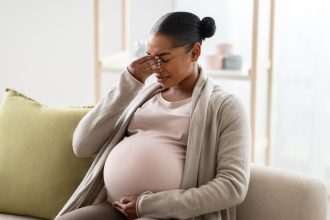
As examinations approach, the possibility of going into labour during the papers can add to a pregnant candidate’s anxiety
Research highlights the importance of mental health support for adolescent mothers. A 2025 study published in the journal Reproductive Health, which examined social support among 193 adolescent mothers in a Nairobi informal settlement, found that 24.9 per cent had depressive symptoms. Another study at Kenyatta National Hospital and Pumwani Maternity Hospital found a prevalence of 22.2 per cent.
Both studies point to the importance of social support, early identification and access to mental health services. As examinations approach, the possibility of going into labour during the papers can add to a pregnant candidate’s anxiety. Ireri says one important step is helping learners understand their pregnancies so that fear and uncertainty do not overwhelm them.
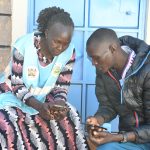
For many girls, the pressure begins long before the examination. Itai Fara, a gender-based violence (GBV) coordinator and mental wellness coach from Mombasa, says some face stigma at home, at school and in their communities when they most need support.
“Many are already dealing with anxiety and uncertainty. Some have been stigmatised at school or at home, while others have been sent away by their families and have no financial support to continue their education,” says Fara.
Josephine Ndinda, a child and adolescent counselling psychologist from Mombasa, says the country’s examination culture can place excessive emphasis on results, sometimes overlooking what learners are going through.
For a girl balancing breastfeeding, a newborn and revision, trusted relatives can help by caring for the baby while she studies
“In Kenya, we sit national examinations once, and the results are often treated as though they define a student’s entire future. But we must remember that these children have spent many years learning and developing different abilities. Their potential should not be confined to what they score in two weeks of examinations,” says Ndinda.
For a pregnant candidate or young mother, that pressure can compound fears about the baby’s health, her own recovery and what comes next. A girl who expects to perform poorly may worry about repeating a year, paying extra fees and whether her family can afford to keep her in school. Without guidance on her options, the uncertainty can become overwhelming.
Ndinda says emotional support and access to psychological services, including counselling during labour where appropriate, are essential.
Fara argues that support should begin with empathy, particularly from teachers and fellow students. Rather than isolating pregnant candidates, schools should keep them in the learning environment, with access to revision materials, teachers and peers. Ndinda warns that ridicule from classmates can erode a girl’s self-esteem and concentration, and urges teachers and guardians not to define a learner by her pregnancy or treat it as a permanent failure.
“These girls need to understand that they are supported. They should be able to sit their examinations without feeling that everyone is judging them,” says Ndinda.
For a girl balancing breastfeeding, a newborn and revision, trusted relatives can help by caring for the baby while she studies, Fara suggests. Schools can also consider comfortable seating and suitable examination spaces for candidates who are pregnant or recovering from childbirth.
Adequate nutrition, rest and appropriate healthcare are also important for pregnant candidates
Dr Ghalib Salim, a General Physician who also conducts deliveries at Likoni Sub-County Hospital in Mombasa County, says sitting at a desk may not pose a health risk to pregnant candidates or those who have recently delivered vaginally, provided they maintain a balanced sitting posture. He, however, cautions that sitting unevenly with more weight placed on one side may put additional pressure on the other side.
“For C-section mothers, it might be difficult to sit for a long time or stand up abruptly. It is risky for them,” said Dr Salim, who is also branch secretary for the Kenya Medical Practitioners and Dentists Union (KMPDU) coast region.
He recommends suitable conditions for pregnant candidates and those who have recently given birth, so they can sit examinations without avoidable discomfort. He also cautioned against travelling by boda boda during late pregnancy, saying the movement and the need to stretch both legs when mounting or dismounting could trigger early signs of labour.
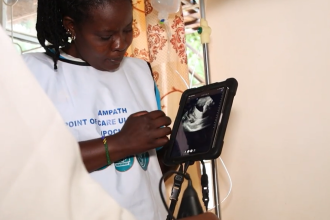
Adequate nutrition, rest and appropriate healthcare are also important, Ireri says. She recommends that pregnant candidates work with a health professional to understand their pregnancies, anticipate complications and agree on what should happen if labour begins during the examination period.
“If she is in her seventh, eighth or ninth month, she should know that labour could begin at any time. Together with a healthcare worker, she can develop an individual birth plan so that there are arrangements in place should she need medical assistance,” she explains.
Ndinda proposes that the government consider a structured alternative examination arrangement for learners whose performance may be seriously affected by medical circumstances. Hospitalised candidates should not automatically have their futures determined by results obtained under extreme conditions, she argues. The proposal echoes the reform sought by MPs in 2023.
Regular mentorship programs will help students understand that their futures are not defined by one difficult experience
Ndinda also wants mental health and psychosocial support integrated into the Competency-Based Education (CBE) system so that learners understand emotional wellbeing from an early age. She recommends regular mentorship programs to help students understand that their futures are not defined by one difficult experience.
Care must continue after the examinations. Fara says families and schools should help young mothers plan their next steps, whether college, university or another pathway.
“Even after the examinations, the school should find time to speak to these girls individually, understand how they are coping and encourage them. They need to know that their education does not end with childbirth and that they still have a future,” she says.
Family support, she adds, can be crucial to helping a young mother regain her confidence.
“I have seen girls who became pregnant, sat their examinations and went on to build successful futures because their parents supported them. With the right support, she can complete school, go to college and become a lawyer, a doctor or a pilot,” she says.
As the national examinations begin drawing to a close on November 20, the pressure of the examination season will ease, but the responsibilities these young mothers face will not. Beyond the examination room, they must continue raising their children while navigating the demands of early motherhood, pursuing their education and mapping out a future for themselves and their young ones.
Naima’s experience is a reality the country should not overlook. Her final paper will be collected, and the exam will end, but motherhood will not, and neither will her need for emotional support.
We believe in the free flow of information
Republish our articles for free, online or in print, under Creative Commons licence.