


Kenya is weighing a maternal RSV vaccine, but only 66 per cent of women reach four antenatal visits. Doctors warn that stock-outs and missed visits could leave newborns exposed.
Forty-six years after Kenya’s first vaccine for pregnant women reached clinics, doctors say the programme’s success has rested on midwives, trust and a clinic visit that many women still miss.
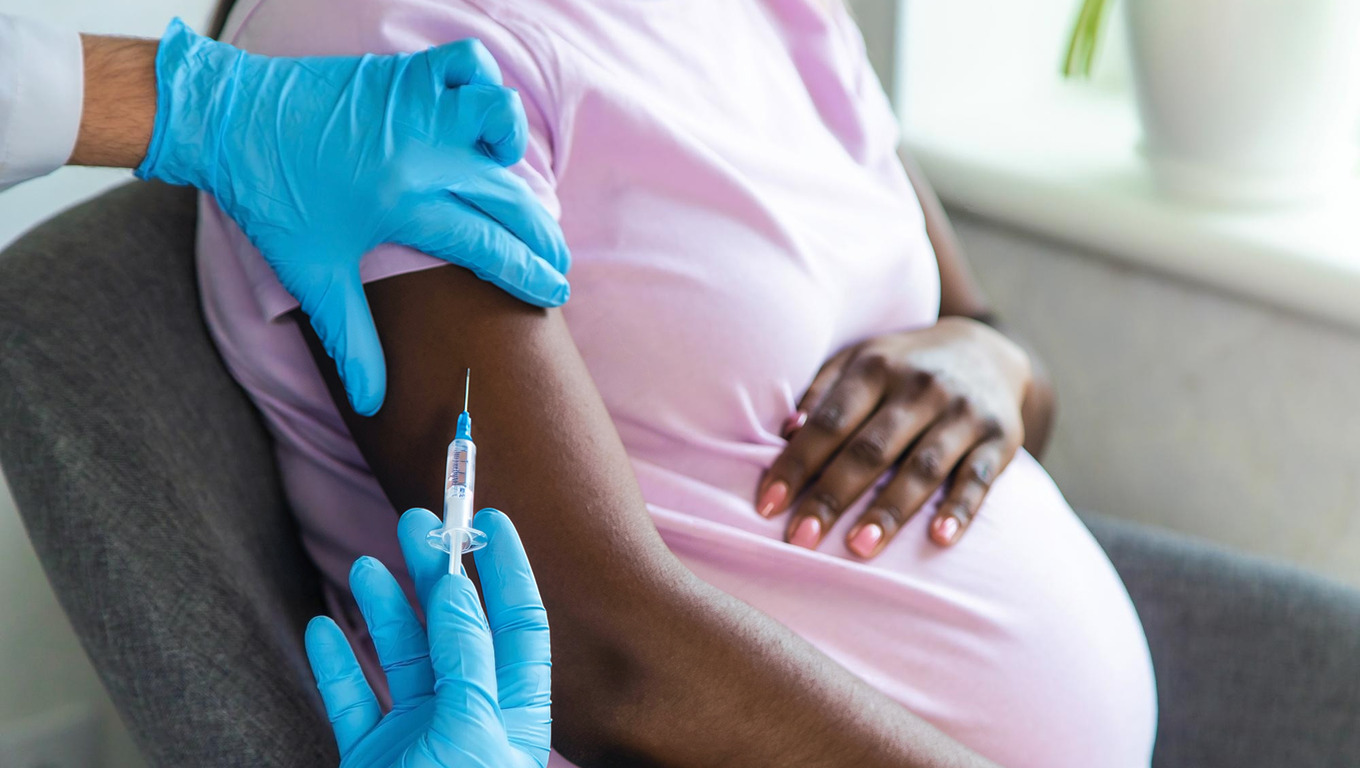
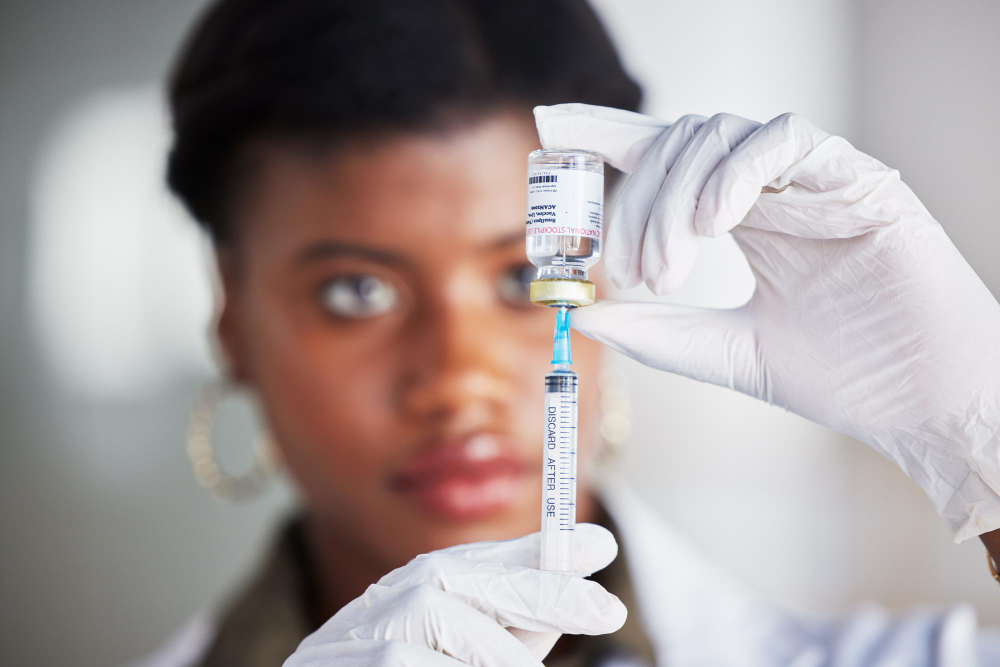
Kenya is preparing for its next vaccine for pregnant women, against Respiratory Syncytial Virus (RSV), a common virus that causes serious chest infections in babies. But the system meant to deliver it is under strain. Clinics run out of the tetanus-diphtheria (Td) vaccine, no facility studied properly records which women have been vaccinated, and only 66 per cent of women attend four pregnancy check-ups.
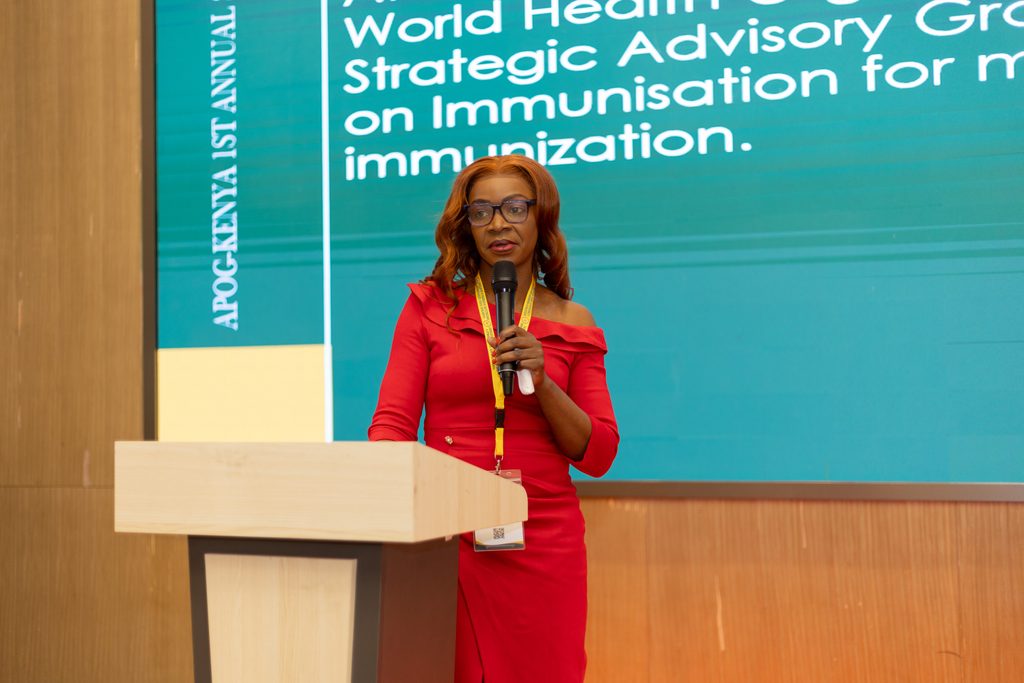
Doctors raised these concerns at the inaugural Annual Scientific Congress of the Association of Progressive Obstetricians and Gynaecologists – Kenya (APOG-K) in Nairobi.
The RSV vaccine is already approved for use in Kenya, and the Ministry of Health is considering adding it to the national programme alongside Td.
In May 2025, the World Health Organization (WHO) recommended that all countries introduce either a vaccine for pregnant women or nirsevimab, a protective injection given directly to babies, with the mothers’ vaccine given from week 28 of pregnancy.
WHO also expects safety checks from the start, which depend on records Kenya’s clinics do not always keep. Dr Nelly Bosire, an obstetrician and gynaecologist and a member of the congress organising committee, asked colleagues how many women will be reached in time.
Newborns are highly vulnerable in their first weeks, before they receive their own first childhood vaccines at around six weeks. “This is where maternal immunisation steps in to cover them and protect them for that duration before they can do it for themselves,” Dr Bosire said.
The first such vaccine, tetanus toxoid, was introduced in 1980 through the Kenya Expanded Programme on Immunisation and given at pregnancy clinics, which rely mainly on nurses and midwives.
Antenatal care is heavily reliant on midwives, the driving force behind maternal immunisation
“Our antenatal care is heavily reliant on our midwives, not the doctors, not the consultants in the room,” she said. “The midwives. They are the driving force behind maternal immunisation.”

Newborn tetanus, once a common and agonising cause of death, is now so rare that many younger doctors have never seen a case. “It’s not something you ever want to see. One of the most painful deaths you’re ever going to see in a newborn,” she said.
In 2018, WHO confirmed Kenya had eliminated tetanus as a threat to mothers and newborns, with the certificate presented in 2019. About six years ago, Kenya replaced tetanus toxoid with Td, which also protects against diphtheria. Flu vaccination for pregnant women came in around 2015 or 2016 and is widely given in private hospitals, though not under the national programme.
Anti-D, an injection that protects babies whose mothers have a rhesus-negative blood type, costs between Ksh3,000 and Ksh6,000, according to a recent study. In parts of the country, a malaria vaccine is also in use.
Covid-19 vaccination in pregnancy, which moved from restricted to recommended during the pandemic, met controversy driven by misinformation and fear, and health workers were not prepared to deliver it. “Amongst our own selves as specialists, we know resistance to the vaccine actually came from our own colleagues,” Dr Bosire said.
The flu vaccine, by contrast, was accepted calmly. When doctors are comfortable with a vaccine, she observed, women are more willing to take it.
Women who give birth at home probably missed the clinic where vaccines are offered
Some private doctors are now telling women they do not need Td. “If you can say that as a gynaecologist, then you need to go back to immunology class,” she said. “You don’t vaccinate to protect the one you’re vaccinating alone. You vaccinate them to protect them and their entire ecosystem.”
National survey data from 2022 show that about 98 per cent of women attended at least one pregnancy check-up, but far fewer started early in pregnancy. Some 88 per cent of births took place in a health facility.
Dr Bosire cautioned that this does not guarantee care from trained staff, and that several counties report more home births. Women who give birth at home have probably missed the clinic where vaccines are offered, and WHO warns that unclean home births can expose newborns to tetanus.
Julie Nyamao, a certified midwife and doctoral candidate in maternal and newborn health at the University of Nairobi, presented research from five public facilities and one private one, based on interviews and nine group discussions.
Td, she found, is widely trusted by mothers. But nurses reported running out of the vaccine, and because an opened vial must be used within six hours, they were reluctant to open one for a single woman. Several paid out of pocket to collect vaccines from stores. Staff received less training on these vaccines than on childhood ones, so they relied on WhatsApp groups for updates.
Some women feared vaccines were a hidden form of family planning or could cause miscarriage
Women said clinics often close by noon or 1pm and that transport costs add up, especially when the vaccine runs out and they must return. Some lacked national identity cards or Social Health Authority (SHA) registration, so were turned away or asked to pay upfront. Some husbands and religious leaders restricted women’s movements. Some women feared vaccines were a hidden form of family planning or could cause miscarriage.
Yet women who had seen the benefits influenced their peers, and community health promoters were trusted more than hospital staff.
Nyamao’s priorities are to formally employ and pay community health promoters, stop unregistered mothers being shut out, get vaccines all the way to the women who need them, and build on the trust Td enjoys. “We need to move with speed,” she said, so that mothers “don’t miss out on the timeline”.
Dr Joyce Nyerere, a researcher with some 15 years of work on RSV, noted that the switch to Td was so quiet that most women still believe they receive the older vaccine. She urged that communities, not only health workers, be informed.
Dr Bosire pointed to Argentina, where strong government backing and early public information made RSV vaccination work. “People don’t recommend what they don’t know,” she said. Vaccinating pregnant women, she noted, is not currently taught in medical school.
She closed with a reminder to obstetricians. “Normally once we have cut off the umbilical cord, that little guy stops being our problem,” she said. “The moment you sever the cord, you forget them.”
“You want a baby who is strong, who is well protected, who has a 100 per cent chance of seeing their fifth birthday, if you can help it,” she said. “It starts with us.”
We believe in the free flow of information
Republish our articles for free, online or in print, under Creative Commons licence.