
Kenya’s third Bundibugyo Ebola case is a relative of the first two patients, who tested positive while in quarantine. Although the Ministry of Health says the situation is currently under control, it warns that more cases could emerge.
A 65-year-old woman, a close relative of Kenya’s first two Ebola patients, has become the country’s third confirmed case.
In a press release dated October 16, 2026, Dr Patrick Amoth, Director General in the Ministry of Health, said the woman had been in quarantine since October 6 when she developed fever, sore throat and malaise. Health workers isolated her and took specimens which both the National Virology Reference Laboratory and the Kenya Medical Research Institute (KEMRI) laboratory confirmed to be Bundibugyo Ebolavirus disease.
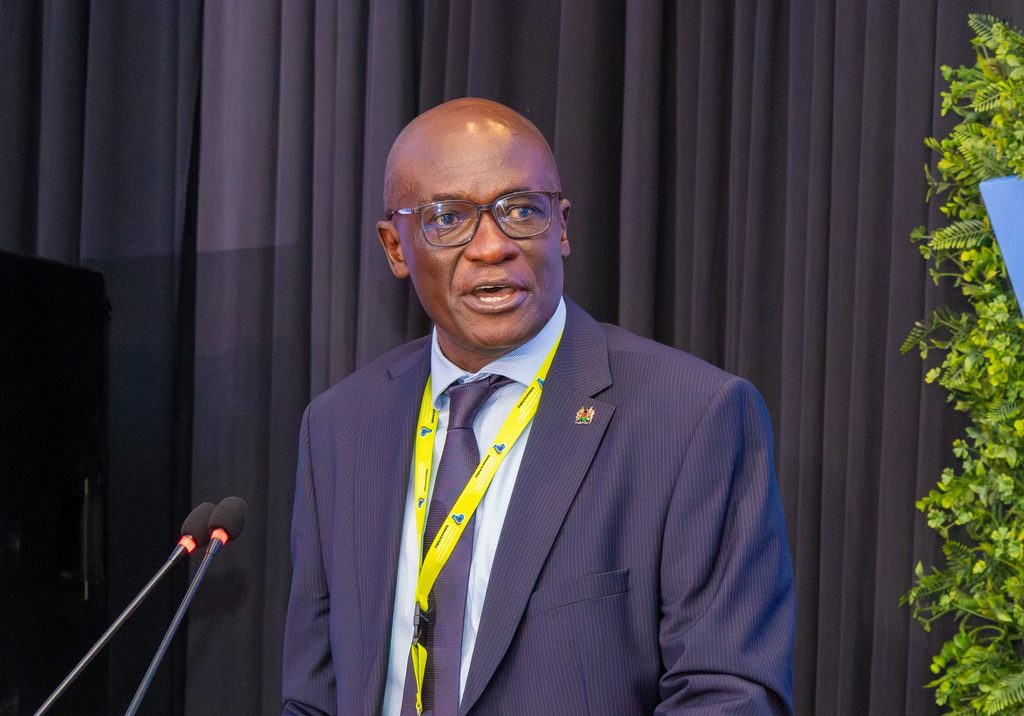
“Having been in quarantine, she was diagnosed early and is currently receiving supportive care improving her chances of recovery while limiting risk of further spread of the disease,” Dr Amoth said, adding that she is currently at an Infectious Disease Unit.
The latest confirmation comes as the Bundibugyo virus outbreak in the Democratic Republic of the Congo (DRC) surpasses 9,000 confirmed cases and 4,300 deaths, according to data from the World Health Organization (WHO) African Region.
The first patient was a Kenyan citizen living in the Democratic Republic of Congo (DRC). He travelled by road through Beni to Kampala, Uganda, on October 2, and flew to Nairobi on October 3, where he was isolated. He died on the night of October 5 and was buried the following day under Kenya’s safe and dignified burial protocol.
The second and third cases are both linked to him. The second patient, who was also confirmed while in quarantine, remains stable and is responding well to supportive care, and the Ministry reported no evidence of community transmission as of October 16.
The woman’s detection under observation shows how contact tracing, early diagnosis and isolation can halt further transmission
Of 130 contacts identified in Kenya, the Ministry said it had traced 127 and placed them in quarantine. That is 97.7 per cent coverage, above the global benchmark of 85 per cent needed to help break the chain of transmission. The search for the remaining three continues, and 685,027 people had been screened by October 15.
The woman’s detection under observation shows how contact tracing, early diagnosis and isolation can halt further transmission. However, Dr Amoth warned that more cases may yet surface.
“The detection of the third case among people already under observation underscores the importance of quarantine and early reporting, as additional infections may emerge before the monitoring period ends,” he said. Through continued surveillance, the Ministry added, such cases can be detected and treated promptly.
Investigators have worked across borders to establish possible exposures, and the case underscores the need for coordinated regional action given the movement of people between the DRC, Uganda and Kenya.
As of October 13, the European Centre for Disease Prevention and Control (ECDC) reported 9,144 confirmed cases in the DRC, including 4,410 deaths, based on data available through October 12, with a total of 899 patients in hospital isolation. The United States Centers for Disease Control and Prevention (CDC) now ranks it as the second-largest Ebola outbreak on record.
In its October 8 update, WHO had recorded 8,728 confirmed cases and 4,205 deaths as of October 6, a crude case fatality ratio of 48.2 per cent. Within a week, more than 400 further infections had been confirmed.
WHO found that 264 of 372 deaths in a recent reporting period occurred in communities rather than treatment centres, which it said pointed to delays in identifying illness and reaching care.
The virus has strained surveillance, contact tracing and treatment services across Ituri, North Kivu, South Kivu, Haut-Uele, Bas-Uele, Tshopo and South Ubangi provinces. The spread towards the Central African Republic border makes cross-border containment more difficult.
Formal screening must be paired with community surveillance and contact tracing
Closer home, Busia County has identified at least 21 crossing points into Uganda, but only two are formally gazetted. The rest include informal footpaths and water routes used daily by local communities and traders.
The Busia post sees an estimated 800 to 900 people and about 1,000 trucks a day, while Malaba handles more than 1,000 people and approximately 600 trucks, according to the county’s public health administration. Such volumes explain why formal screening must be paired with community surveillance and contact tracing.
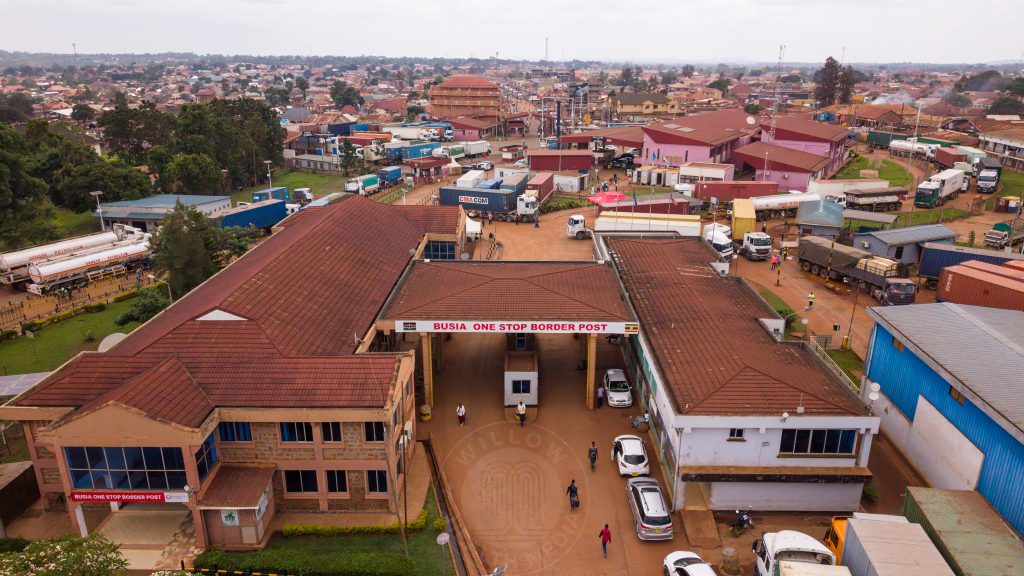
Speaking to Willow Health Media, Busia Deputy Governor Arthur Odera, who is also the County Executive Committee Member for Health, said screening has intensified at the Busia and Malaba posts.
Surveillance teams have also gone to informal crossings at Sophia, Soko Matope, Marenga, Port Victoria, Omena Beach, Atotoi, Ngelechom, Mong’ura and Buteba.
Joseph Oprong, the County Director of Public Health and Sanitation, said port health officers are screening travellers at both major border points. However, residents say they are worried about the gaps. Frank Okaka, who lives in Busia, is urging the government to pay attention to its citizens “because people are currently crossing the border freely, and there are no facilities for screening Ebola”.
He wants travellers from Uganda to have access to screening, and awareness campaigns training communities to recognise symptoms and respond when infection is suspected. Richard Makhulo, chairman of the Kenya-Uganda Border Traders Association, credits the government with introducing handwashing and screening at designated points.
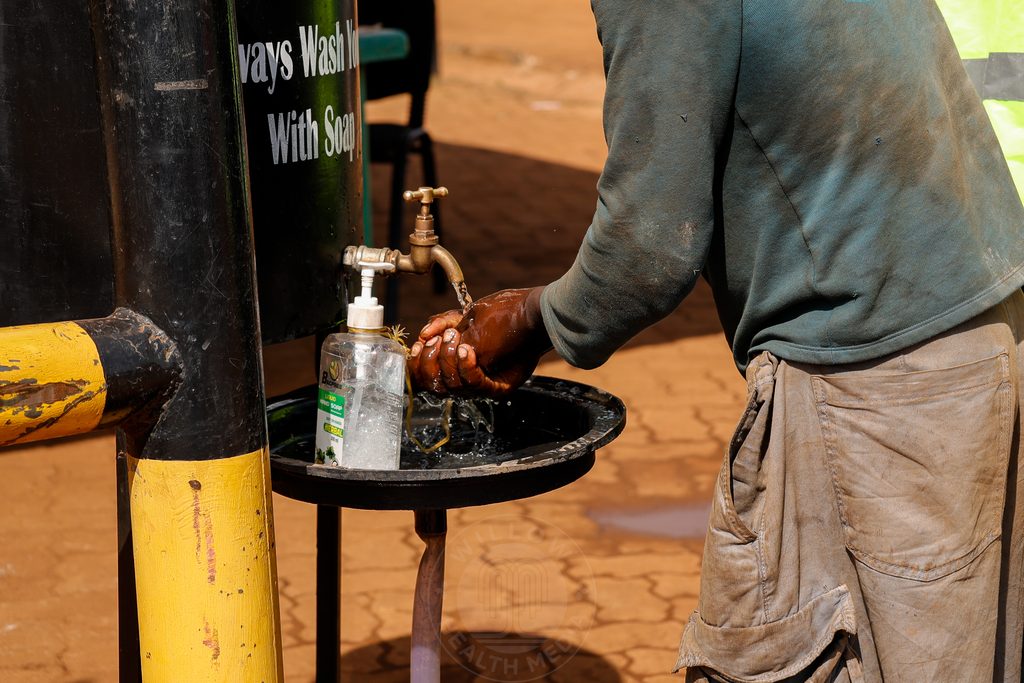
“However, we have a problem because Busia has a porous border. We have informal routes that people use to cross the border, and those people are not being screened,” he said.
He wants more equipment and personnel, with health workers deployed to informal entry points around Mabinu and Osieko, where people cross by land and boat. Drivers moving between the two countries, he argues, should be checked on both sides.
“When they leave Uganda, they should be screened, and when they arrive here, they should be screened again and wash their hands,” he says.
Another resident, Gabriel Opakasi, praised health workers at the customs points. “The measures the government has taken so far are good,” he said. Even so, he wants more nurses stationed along the informal routes from Lipewu to Budalang’i, and regular screening of long-distance drivers, who may meet many people on their journeys.
Ebola spreads mainly through direct contact with the blood or other bodily fluids of an infected person
Speaking to the media, Dr Barbara Muttimos of Médecins Sans Frontières (Doctors Without Borders) said that people should be “honest about their exposures” and disclose their travel history and symptoms. Survival chances, she said, are higher when the virus is detected early.
The WHO likewise stresses that rapid recognition of cases, laboratory testing and supportive care can reduce deaths and improve community acceptance of health services during an outbreak.
Speaking in Nairobi at a media engagement and national outbreak reporting workshop on October 14, WHO Representative to Kenya Dr Neema Kimambo cautioned against closing countries’ borders, arguing that closing official crossings would only push travellers onto unofficial routes beyond the reach of screening, while choking trade.
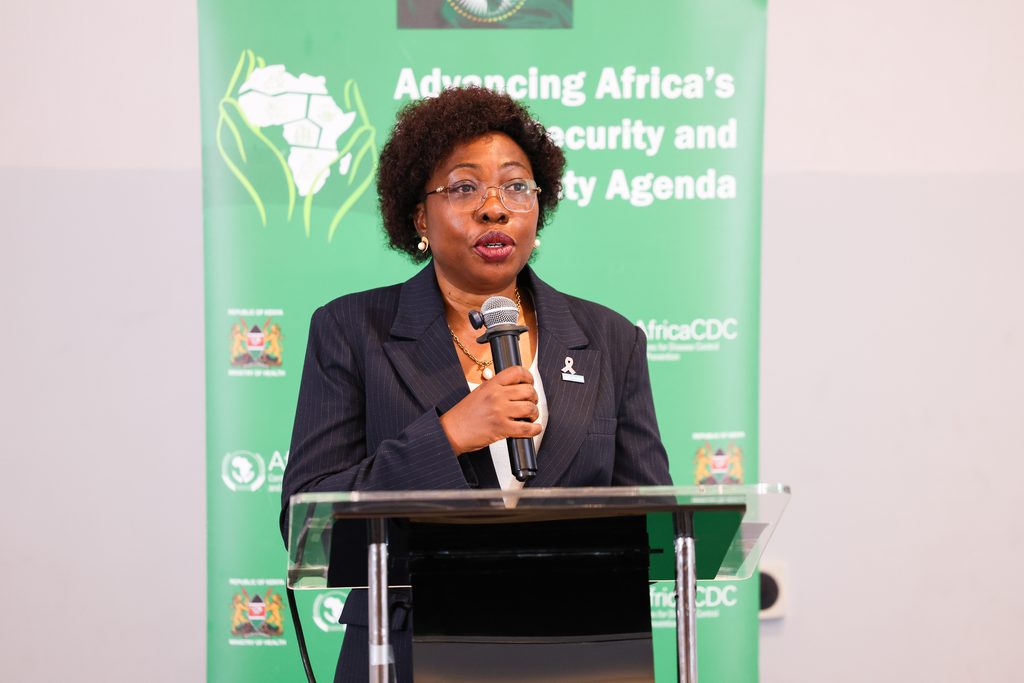
Dr Wessam Mankoula, Director of the Centre for Disease Preparedness and Response at the Africa Centres for Disease Control and Prevention (Africa CDC) stressed the importance of surveillance and contact tracing.
Dr Mankoula contrasted Kenya’s response with that of the DRC, where the transmission chain from the first case reported in May remains unclear, complicating contact tracing. Kenya’s contact list for its single case had more than 100 people, he said, while DRC responders were working with 10 contacts against an ideal of 50, and many new cases fall outside the list.

“Deaths happen in the community in DRC with mourners mingling and thus increasing infection rates. In Kenya, the imported case happened in a hospital facility,” he explained.
Because the patient died in hospital, community exposure was limited. He added that insecurity in the DRC had forced responders to evacuate, meaning the Ebola risk might last longer in DRC.
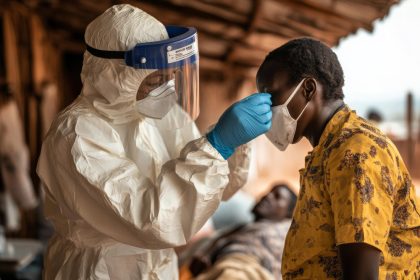
Ebola spreads mainly through direct contact with the blood or other bodily fluids of an infected person, or through contaminated materials and surfaces. Under ordinary circumstances, it does not spread through the air. Symptoms can include fever, unusual tiredness, muscle and joint pain, vomiting, diarrhoea and unexplained bleeding.
Because these resemble other illnesses, anyone who develops them after a possible exposure should seek medical assessment immediately and disclose the exposure. The Ministry of Health’s toll-free hotline is 719.
We believe in the free flow of information
Republish our articles for free, online or in print, under Creative Commons licence.