

Pills have run out in clinics across the country, and women are paying the price. It is time to fix the supply chain that keeps failing them.
World Contraception Day has come and gone. The speeches have been delivered, the press releases issued and the banners taken down. But for a Kenyan woman who walks into a health facility today only to be told that her preferred contraceptive method is out of stock, the question is starkly simple: what happens now?
This is where the real test of our public health system begins.
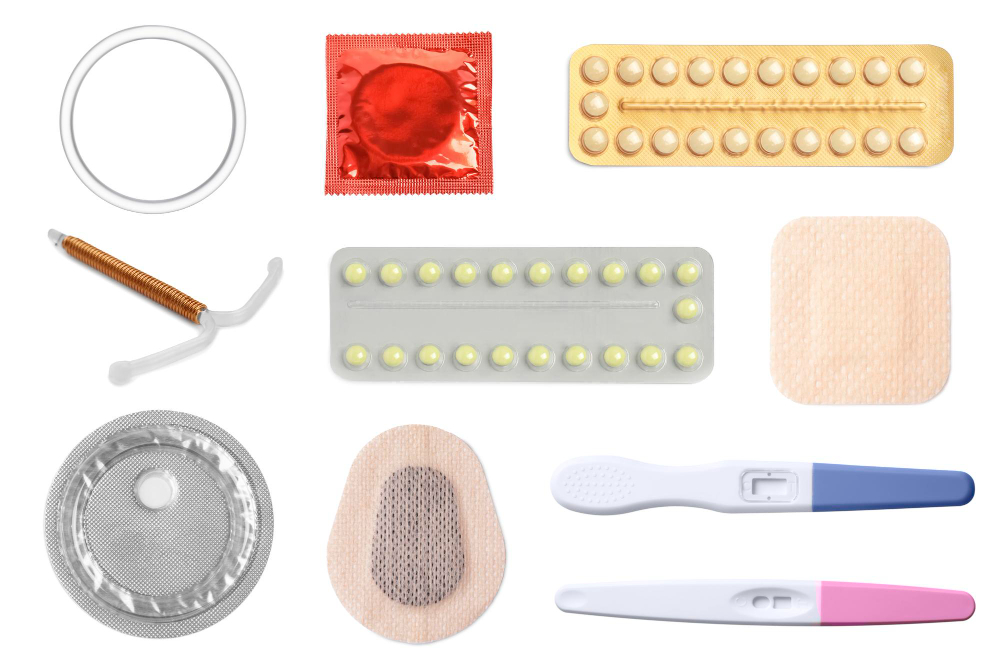
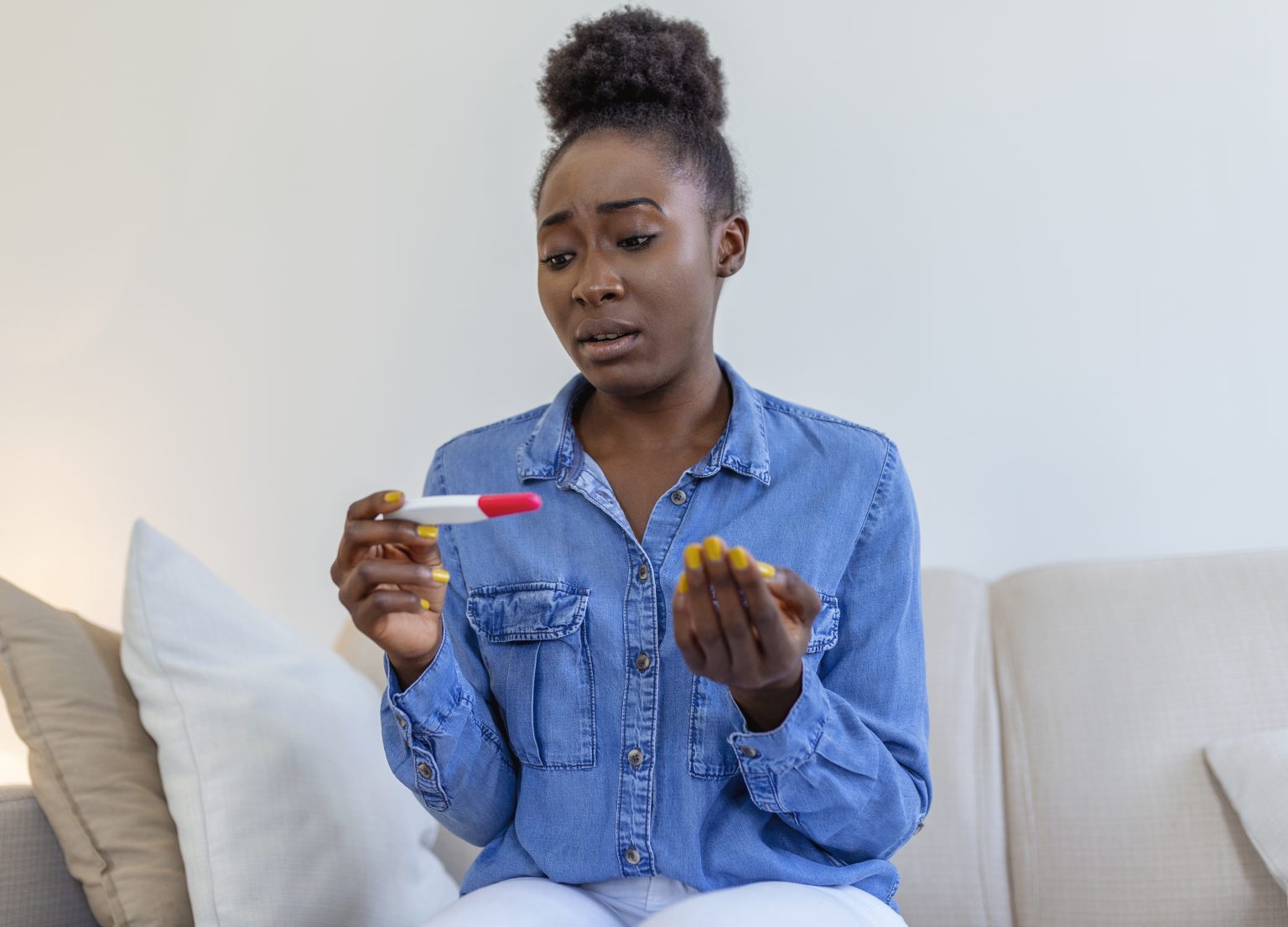
To a patient, a stockout is not an abstract supply-chain problem. It is a missed opportunity. It can mean an unintended pregnancy, an unplanned gap between children or a difficult decision she should never have been forced to make.
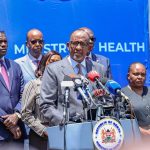
Kenya’s contraceptive shortage is not hypothetical. On May 13, Parliament was told that several family-planning commodities had reached zero national stock, including combined oral contraceptives, progestin-only pills, emergency contraceptive pills and three-month injectables.
Four months later, the situation had improved for some methods but not all. On September 25, Kenya Medical Supplies Authority (KEMSA) confirmed that Kenya was still stocked out of combined oral contraceptive pills and progestin-only pills, although injectable contraceptives, condoms, implants and intrauterine devices remained available. New supplies of combined pills are expected in December.
Kenya’s annual family-planning commodity needs is Ksh3 billion, against Ksh500 million allocated the Ministry of Health
The distinction matters. Kenya is not without every contraceptive method. The problem is that persistent shortages are narrowing the method mix and, with it, the choices available to women.
When a woman cannot obtain the method that is appropriate for her, it is not necessarily because she lacks interest or awareness. Sometimes the health system has failed to deliver the choice.
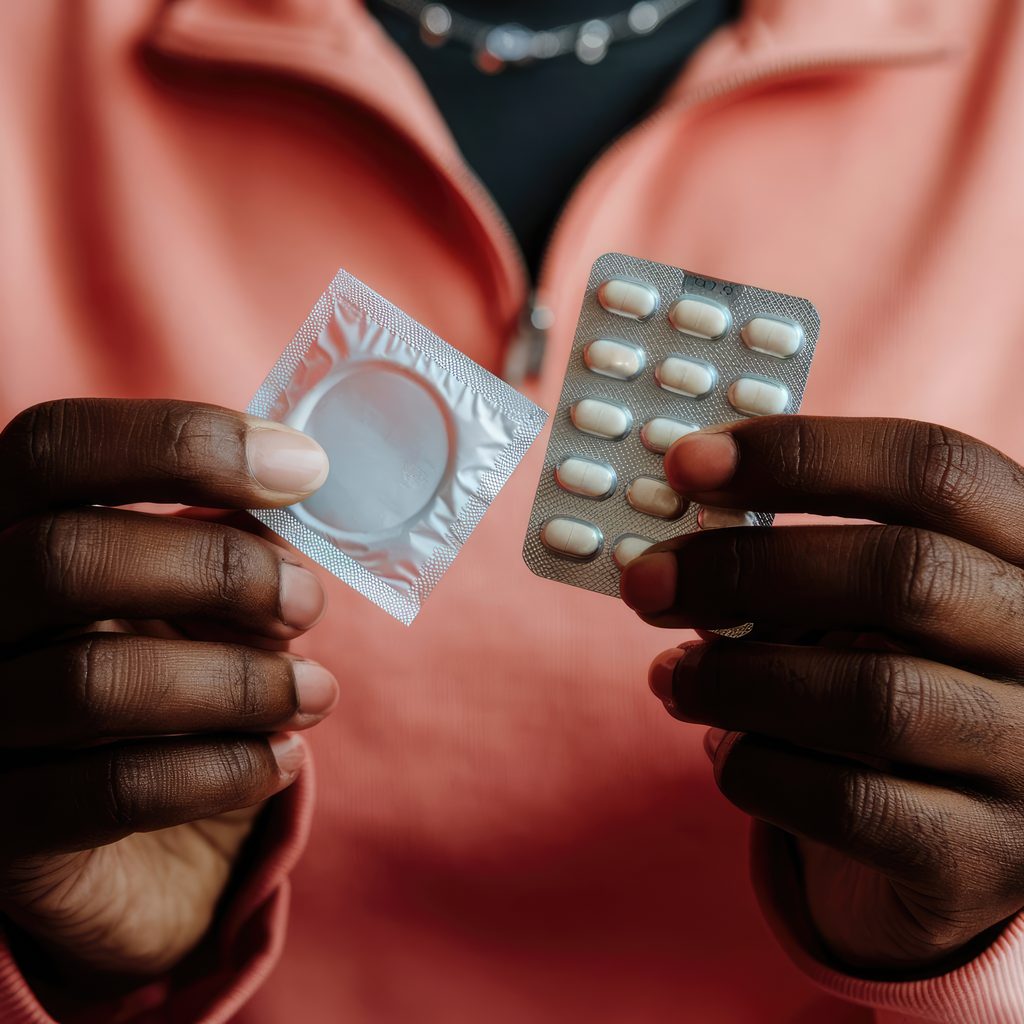
The financing problem is equally concerning. Kenya’s stated annual requirement for family-planning commodities is about $22.9 million (Ksh3 billion).
In the last financial year, the Ministry of Health said the country received Ksh500 million for family planning against that estimated requirement.
A delayed financing decision today can therefore become an empty clinic shelf months later. We must stop treating family planning as an isolated programme tucked away in one corner of the health sector.
Contraception is frontline maternal healthcare. It is also part of HIV prevention. Preventing unintended pregnancies reduces exposure to the risks associated with pregnancy and childbirth. Globally, meeting unmet need for contraception has been estimated to avert about 76,000 maternal deaths every year in developing countries.
For women living with HIV, preventing an unintended pregnancy is important in preventing mother-to-child transmission
There is another benefit that deserves greater attention. For women living with HIV, preventing an unintended pregnancy is an important component of preventing mother-to-child transmission. Family planning also creates an opportunity to plan pregnancy when appropriate HIV treatment and viral suppression have been achieved.

Kenyan evidence supports integrating these services. A study across 18 Kenyan health facilities found that integrating family planning into HIV care increased use of more effective contraceptive methods. Pregnancy incidence was 28 per cent lower in the integrated model compared with the comparison period.
The lesson is clear: HIV care, maternity care and family planning should not operate in separate silos. We are also missing a critical window immediately after childbirth.
My colleagues and I studied 353 women who had delivered within the previous six days at Riley Mother and Baby Hospital in Eldoret, examining predictors of contraceptive implant uptake in the immediate postpartum period. The study found that previous implant use, having reached the desired family size and having had a planned pregnancy were among the factors associated with willingness to take up an implant.
The lesson is practical: do not wait for a woman to return to the hospital before offering her a choice.
Mifepristone is now an additional emergency-contraception option taken within five days of unprotected sex
Antenatal counselling should prepare women for postpartum contraception, and appropriate methods should be available before they leave the maternity ward.
Expanding the method mix matters too. On September 23, just three days before World Contraception Day, WHO released new guidance on expanding contraceptive options. It recommends mifepristone as an additional emergency-contraception option, to be taken as soon as possible and within five days of unprotected sex.
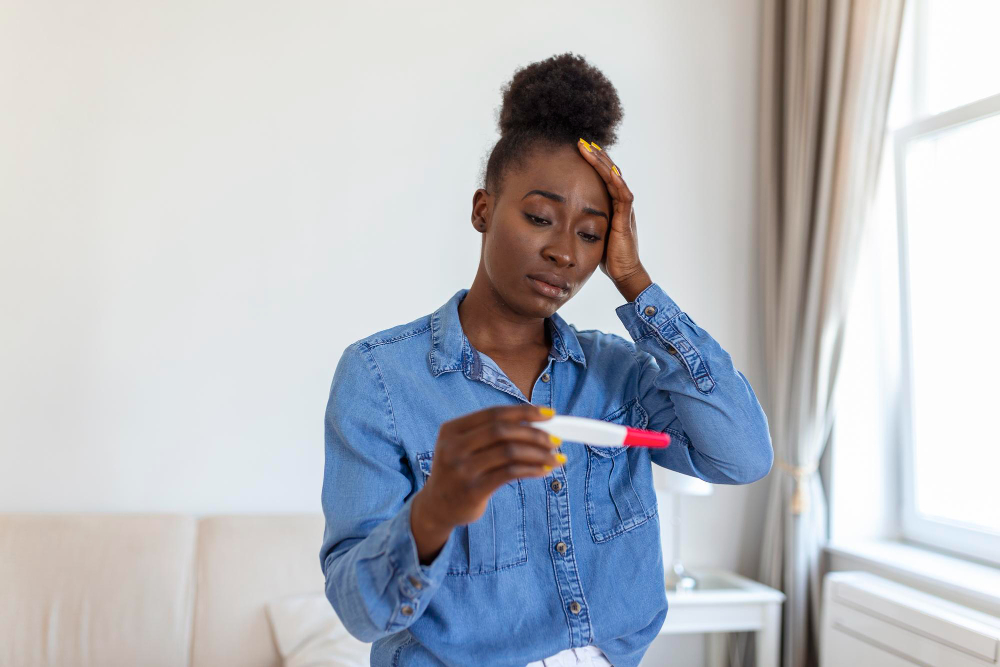
WHO says evidence indicates that mifepristone at doses of 10–50mg is likely to be as safe and effective as other emergency contraceptive methods.
Kenya should examine this evidence and consider whether such an option should be incorporated into national policy and clinical guidance. But there is a fundamental truth we should not lose sight of: there is little point in expanding the menu if the clinic kitchen is empty.
The immediate priorities are straightforward. The National Treasury and Ministry of Health need to ensure predictable and timely financing for contraceptive commodities. Counties need reliable systems for monitoring stocks and redistributing commodities before facilities run dry.
KEMSA and health managers must strengthen forecasting, procurement and real-time inventory visibility so that a shortage in one facility can trigger redistribution from another rather than leaving a woman with nowhere to turn.
A budget allocation is not access. A procurement order is not access. A box sitting in a warehouse is not access
Family planning should also become part of routine maternity and HIV care. Every woman should have an opportunity to discuss contraception during antenatal care and, if she chooses, receive an appropriate method immediately after delivery. HIV services should routinely include voluntary family-planning counselling and access to the full range of suitable contraceptive methods.
Most importantly, Kenya should measure success at the clinic door. A budget allocation is not access. A procurement order is not access. A box sitting in a warehouse is not access.
Access happens when a Kenyan woman walks into a health facility and leaves with the informed choice she asked for. World Contraception Day is over. The work has just begun. When a woman walks through the clinic door tomorrow morning asking for family planning, she should not be told to come back when her choices do.
No barriers. Just choices.
Dr Richard Mogeni Mogaka, is Chairman, Kenya Obstetrical and Gynaecological Society (KOGS) – North Rift, Vice Chairman of the Kenya Medical Association (KMA) – Eldoret, and National Co-convener, Managed Healthcare.
We believe in the free flow of information
Republish our articles for free, online or in print, under Creative Commons licence.