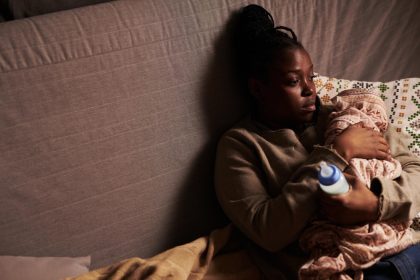

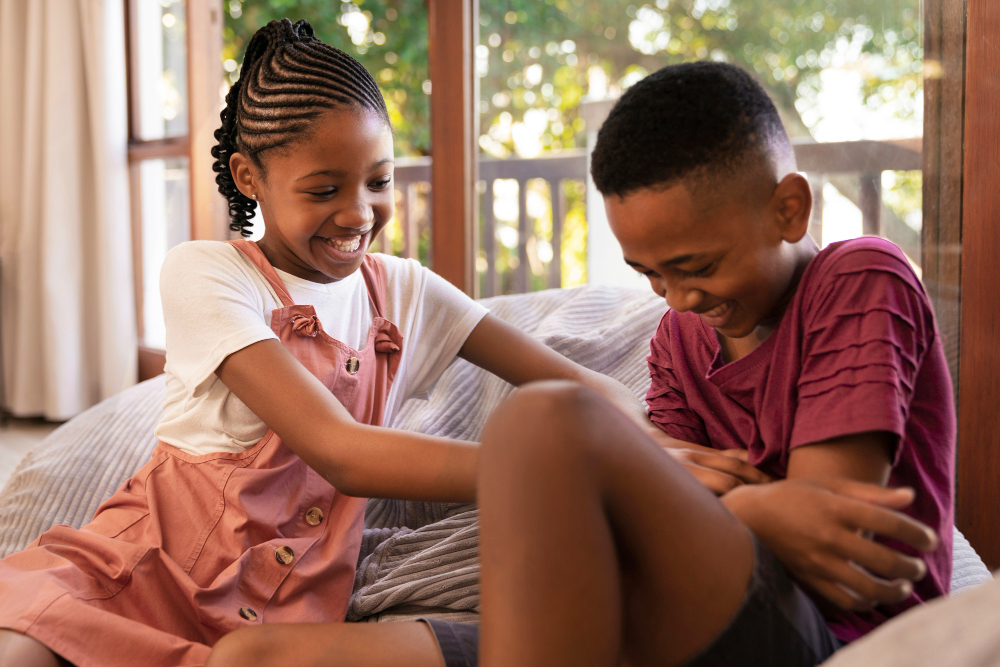

Children shift from seeking parental approval to searching for independence, identity, belonging and acceptance, with friends and social media becoming increasingly influential.
My youngest daughter, Charlotte, has always loved Sundays. Long before the family stirred, she would be awake, choosing what to wear to church, and emerging with the bright smile that seemed to light every room she entered.
At church she greeted everyone warmly, sang with enthusiasm, and threw herself into every youth activity. Teachers admired her, and church members spoke proudly of her manners. To anyone watching, she looked like a young girl growing confidently into adulthood. As her father, I believed the same.
Like many Christian parents, my wife and I built our home on simple but enduring values: faith, honesty, discipline, kindness and compassion. We prayed together, shared meals, and encouraged open conversation, believing that would keep our family close. From the outside, everything appeared exactly as it should.
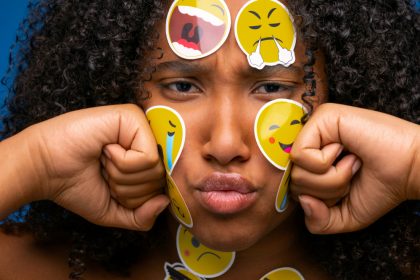
Then I learned one of the hardest lessons of parenthood: a smiling child is not always a happy child. In Form Two, teachers began reporting misdemeanours I would not have associated with Charlotte. Sometimes the children who appear happiest are carrying the heaviest burdens. They simply have not yet found the words to tell us.
That realisation changed me, as a father and a public health professional. As children enter adolescence, the girl who once eagerly sought her parents’ approval begins searching for independence, identity and acceptance. Friends grow more influential, social media introduces impossible standards, and every day brings subtle questions about appearance and self-worth. These changes unfold quietly, so quietly that many parents recognise them only after something has already gone wrong. This is where behavioural health enters the story.
Behavioural health shapes how adolescents resist peer pressure, respond to rejection, anxiety, substance use
Too often, behavioural health is misunderstood as simply mental illness or addiction. In reality, it encompasses the emotional, psychological and social factors that shape how people think, decide and build relationships. For adolescents, it shapes almost every important decision: whether they resist peer pressure, how they respond to rejection and anxiety, and decisions about substance use and self-worth.
Understanding behavioural health is not merely a clinical concern. It is a parenting, education and community concern, and increasingly, one of the defining public health challenges of our generation.
The numbers are impossible to ignore. According to the World Health Organization, nearly 970 million people worldwide were living with a mental disorder before the Covid-19 pandemic. Anxiety and depression accounted for the largest share, and the pandemic increased their prevalence by more than 25 per cent. Yet governments spend, on average, less than 2 per cent of their health budgets on mental health.
For children and adolescents, the consequences extend far beyond emotional wellbeing, affecting educational achievement, employment and future productivity. Adolescents experiencing untreated depression are more likely to engage in substance use, unsafe sexual behaviour, violence, self-harm and school dropout than their peers.
Nowhere is this challenge more urgent than in sub-Saharan Africa. Home to nearly 57 per cent of the world’s youngest population, the region holds extraordinary potential, yet millions of young people grow up amid unemployment, poverty, conflict and limited access to behavioural health services. Specialised services remain scarce, with fewer than one psychiatrist for every 100,000 people in many African countries.
Health clubs became places where students who rarely spoke in class found confidence to tell their stories
That reality forces a different question. If professional care remains limited, where should prevention begin? The answer is both simple and profound: it begins at home.
One of the greatest privileges of my career has been walking alongside young people through the most defining years of their lives. I was learning about behavioural health from adolescents themselves, in classrooms, community halls, churches and villages across Kenya, over nearly two decades of work in HIV prevention, adolescent health and behavioural interventions across the country.
Early in my career, while working with Partners for Progress, now Build Africa-Kenya, our team partnered with schools to establish health clubs offering practical knowledge on HIV prevention and healthy decision-making. On paper, the goal was straightforward: helping young people understand the risks of HIV, substance use and unsafe relationships.
What happened taught us something far more profound. The health clubs quickly became places of belonging. Students who rarely spoke in class found the confidence to tell their stories. Young people who had silently struggled with family conflict, grief or peer rejection discovered they were not alone. Conversations that began with HIV prevention often evolved into discussions about self-esteem, loneliness and hope.
It became clear that information alone rarely changes behaviour. Most adolescents already knew the dangers of drugs, alcohol or HIV infection. What many lacked was not knowledge, but someone who would genuinely listen: trusted adults who could guide without judging, and safe spaces to ask difficult questions without fear of embarrassment. Those lessons stayed with me, shaping every youth programme I have worked on since.
Every client carried a story: childhood trauma, homes marked by violence, years of untreated depression
Perhaps no experience transformed my understanding of behavioural health more than my work supporting Kenya’s Opioid Agonist Therapy programme. Before entering this field, I understood addiction largely through the lens of public health. After years of listening to people living with opioid use disorder, I began seeing it through the lens of humanity.
Every client carried a story: childhood trauma, homes marked by violence or instability, years of untreated depression, or simply a wish to belong. By the time many reached our clinics, society saw only the addiction, not the frightened child who had once dreamed of becoming a teacher, nurse or pastor, nor the years of rejection accumulated long before the first injection.
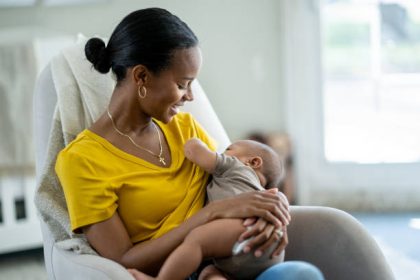
Working alongside these individuals changed my understanding of recovery. Medication was essential, and clinical care saved lives, but recovery truly began when people experienced dignity, when someone looked them in the eye instead of looking away, and was reminded they still mattered. Our programme integrated HIV testing, tuberculosis screening, psychosocial counselling and family support, because healing rarely happens through medicine alone.
Those lessons revealed something universal: most crises do not begin at the moment we first notice them. They begin much earlier, with loneliness, rejection, bullying and depression hidden behind a smile.
As I reflected on these experiences, I found myself thinking more about my own children. The lessons I had learned from thousands of adolescents across Kenya had become personal. I realised that the greatest gift we can offer young people is not perfection, but presence; not judgment, but understanding. Behaviour changes when people experience hope, and hope almost always begins with one caring relationship.
Parents wait too long, responding only after the dropout, substance use, pregnancy or suicide attempt
A question has stayed with me as both father and public health professional: what if we noticed our children before they reached a crisis? Too often, we wait until something goes wrong, responding only after the dropout, the substance use, the pregnancy or the suicide attempt. By then, opportunities for prevention have already been missed. Prevention is more effective and less costly than treatment, but it is not about vaccines or campaigns. It begins with relationships, conversations, and environments where young people feel safe to ask for help before their struggles become crises.
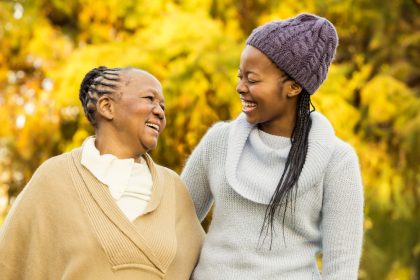
When I think about Charlotte today, I no longer see only my daughter. I see countless young people whose stories remain hidden behind bright smiles: those sitting quietly in classrooms while battling anxiety, those leading worship while privately wondering if anyone understands them, sports captains carrying the crushing weight of loneliness, and others curating perfect lives on social media while struggling behind the screen. Many have become experts at convincing the world that everything is fine, and the tragedy is that we often believe them.
As adults, we celebrate achievement more readily than wellbeing. We ask about examination results before asking whether our children are happy, and notice changes in grades long before we notice changes in mood. Yet behavioural health reminds us that success is about far more than academic performance. A healthy young person is one who can manage emotions, build meaningful relationships, recover from disappointment and seek help without shame. These are life skills, and they deserve the same seriousness we give mathematics or science.
Behavioural health must become part of Kenya’s primary healthcare, integrated into schools, embraced by communities
Kenya is not immune to the global behavioural health crisis. Like many countries, we have a youthful population navigating rapid urbanisation, unemployment and changing family structures, all of which increase vulnerability to anxiety, depression and substance use.
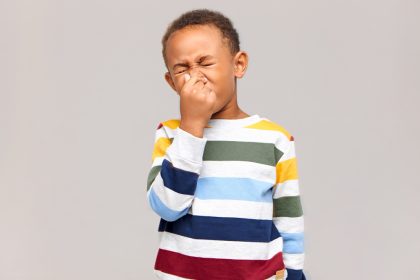
As Kenya advances toward Universal Health Coverage, behavioural health can no longer remain a specialised service available only after a crisis occurs. It must become part of primary healthcare, integrated into schools where counsellors can identify early warning signs, and embraced by communities that replace stigma with compassion. Behavioural health is not an expense. It is one of the wisest investments a nation can make.
Charlotte may never fully realise how much she has taught me, not because her journey was extraordinary, but because it reminded me that every parent remains a student. Every difficult conversation became an opportunity to grow together, and every misunderstanding taught me to listen more carefully. Parenting, I learned, is far less about controlling our children than about walking beside them as they discover who they are becoming.
Today, I remain profoundly hopeful, not because adolescence has become easier, but because I have seen what happens when families refuse to give up on one another. I have seen individuals once trapped by addiction rebuild meaningful lives, and adolescent girls once considered highly vulnerable become confident community leaders. Transformation is possible.
Obwiri Kenyatta is a global health and development expert on health and gender equity, HIV/SRHR, community health and climate justice.
We believe in the free flow of information
Republish our articles for free, online or in print, under Creative Commons licence.