

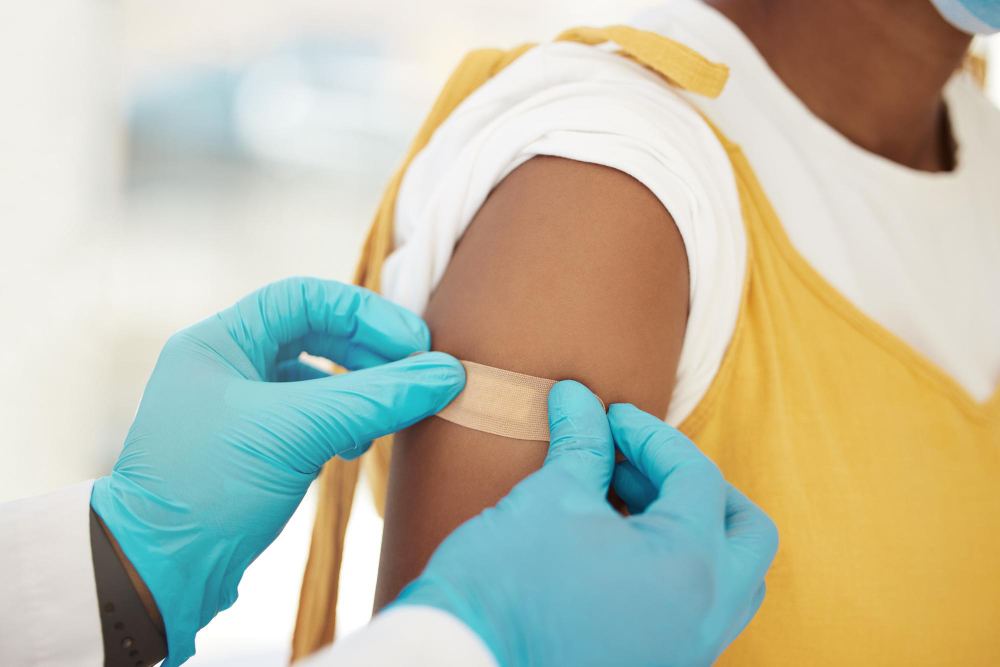

Unlike medicines that treat disease, this vaccine prepares the body’s defences before the virus ever arrives.
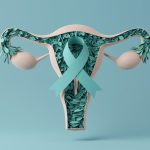
The Human Papillomavirus (HPV) vaccine is one of the most effective tools for preventing cervical cancer, a disease that continues to claim the lives of thousands of women every year. By protecting against the virus, the vaccine helps stop infections that can eventually develop into cancer.
Kenya introduced routine HPV vaccination for girls aged nine to 14 years in October 2019 as part of the national immunisation programme.
In 2025, the country adopted a single-dose HPV vaccination schedule, following the World Health Organization (WHO) recommendation that one dose provides strong protection for most girls in this age group.
How HPV causes cervical cancer
HPV is a very common group of viruses that spreads mainly through skin-to-skin sexual contact. It is so widespread that most sexually active people will become infected at some point in their lives.
In most cases, the body’s immune system clears the infection naturally without causing any symptoms, so many people never know they have been infected.
However, some HPV infections do not go away. Persistent infection with certain high-risk HPV types can lead to cancers of the cervix, anus, throat and other parts of the body, and can also cause genital warts. Importantly, HPV is responsible for nearly all cases of cervical cancer worldwide.

Why vaccination is the best defence
Health experts agree that vaccination is the most effective way to prevent HPV infection before it occurs.
Dr Jonathan Wawire, an anatomic gynaecologic pathologist at Aga Khan University Hospital, says evidence now shows that a single dose is highly effective. “Just one dose of the vaccine has been shown to be effective to prevent infection or persistent infection with human papillomavirus, which in turn prevents the progression to cancer of the cervix,” he explains.
He notes that while vaccination is the primary method of prevention, cervical cancer screening remains an equally important secondary prevention strategy.
Here is how the HPV vaccine works
Unlike medicines that treat disease, vaccines work by preparing the body’s immune system before infection occurs. The HPV vaccine trains the immune system to recognise the virus and produce protective antibodies. If a vaccinated person is later exposed to HPV, these antibodies help stop the virus before it establishes an infection.
Because HPV infection often occurs soon after a person becomes sexually active, health experts recommend vaccination before exposure to the virus. This is why the vaccine is routinely offered to girls aged nine to 14 years.
According to the National Cancer Institute of Kenya, this age group receives the greatest benefit because they are protected before they are likely to encounter HPV. In Kenya, vaccination is commonly delivered through school-based immunisation programmes, helping improve access for eligible girls.
Is the HPV vaccine safe?
The HPV vaccine has been extensively studied and is considered safe by global and national health authorities.
Most people experience only mild, temporary side effects after vaccination. These may include pain or swelling at the injection site, a mild fever, tiredness or headache. Serious side effects are very rare.
The benefits of vaccination in preventing HPV-related cancers far outweigh these short-lived reactions.
What if someone missed the vaccine?
Not everyone receives the HPV vaccine during childhood. For women who were not vaccinated, experts emphasise that regular cervical cancer screening becomes even more important.
Dr Wawire explains that screening helps detect HPV infection or early changes in cervical cells before cancer develops. “The best way is to keep checking to make sure that they have not developed cancer of the cervix, or to keep checking to make sure that they have either cleared the virus or, if the virus is present, they can be followed up to make sure they do not develop cancer of the cervix,” he says.
Screening allows healthcare providers to identify precancerous changes early, when treatment is simpler and highly effective. Detecting these changes before they become cancer can save lives.
Should boys also receive the HPV vaccine?
In Kenya, the national HPV vaccination programme currently targets girls because cervical cancer affects people who have a cervix.
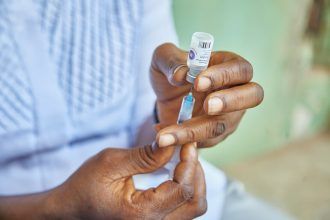
Dr Wawire explains that vaccinating girls offers the greatest public health benefit where resources are limited. “Cancer of the cervix only occurs in patients who have a cervix. Boys don’t have a cervix. They’re not at risk of developing cancer of the cervix. It wouldn’t make sense to spend money vaccinating them,” he says.
However, he notes that if resources allow, vaccinating boys can also be beneficial. “If you had resources, it helps to vaccinate boys because both boys and girls can carry the HPV virus. They can get infected and pass it on.”
Many high-income countries have introduced HPV vaccination for both boys and girls to reduce transmission of the virus and prevent other HPV-related cancers, such as cancers of the throat, anus and penis.
While the HPV vaccine offers powerful protection against the virus, it does not eliminate the need for cervical cancer screening later in life. The vaccine protects against the HPV types responsible for most cervical cancers, but not every cancer-causing strain. Regular screening remains essential for detecting abnormal cervical cells early, even among vaccinated women.
Together, vaccination and screening provide the strongest defence against cervical cancer.
Sources: WHO, National Cancer Institute of Kenya, Dr Jonathan Wawire, anatomic gynaecologic pathologist, Aga Khan University Hospital.
We believe in the free flow of information
Republish our articles for free, online or in print, under Creative Commons licence.