


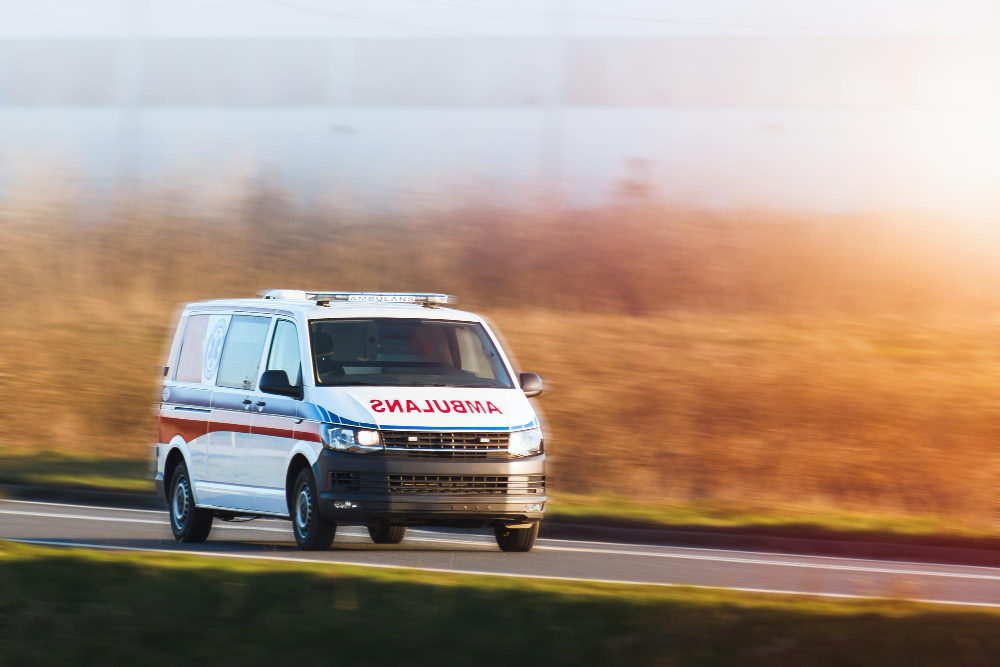

A national ambulance initiative is in the works. Emergency medicine specialists say it could be the country’s most consequential health reform in years, if it is built right.
Kenya’s Social Health Authority (SHA) is planning a national Emergency Ambulance Initiative to reduce preventable deaths from road traffic injuries, heart attacks, strokes, maternal emergencies and other acute conditions. Emergency medicine experts have welcomed the proposal but warn that success will depend on far more than purchasing ambulances, cautioning that vehicles without trained personnel, dispatch systems, clinical governance and sustainable financing will not save lives.
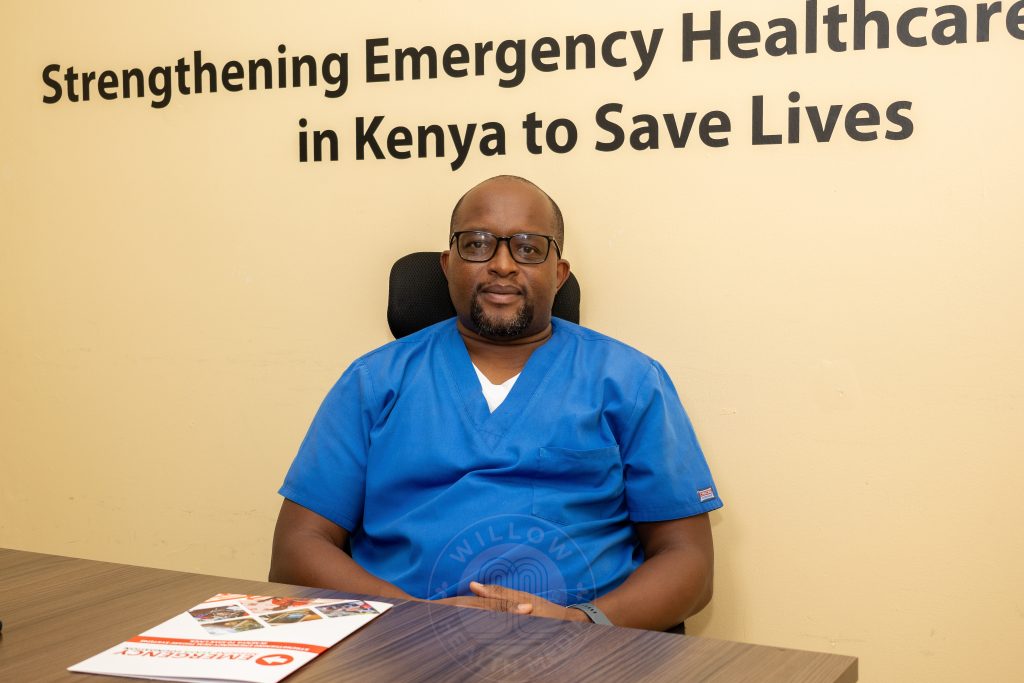
Dr Benjamin Wachira, Consultant Emergency Medicine Physician at Aga Khan University Hospital Nairobi, says the initiative must be understood as the creation of an entire emergency medical service system, not a procurement exercise. “The proposal represents an important opportunity to strengthen emergency care in Kenya and improve outcomes for patients experiencing time-sensitive emergencies,” he says. “My greatest concern is that the rollout could focus on vehicles without making equivalent investments in the systems required to support them.”
For decades, access to emergency medical care in Kenya has largely depended on where a patient lives, whether they can afford private ambulance services, and how quickly they can reach a health facility during a crisis. The SHA initiative aims to change that by ensuring all Kenyans experiencing life-threatening emergencies receive timely pre-hospital care and rapid transportation to appropriate facilities.

Dr Wachira argues that ambulances are only one component of an effective emergency response network. Equally important are trained personnel, communication systems, dispatch centres, clinical governance structures and strong links with receiving hospitals.
Modern ambulances, he says, should function as mobile treatment units capable of stabilising patients before hospital arrival. Every ambulance should carry basic life-support equipment, oxygen delivery systems, suction devices, monitoring equipment, trauma supplies and essential emergency medications, including equipment for airway management, cardiac monitoring, bleeding control, childbirth emergencies and resuscitation. “An ambulance should not simply transport patients. It should provide lifesaving interventions during the journey to the hospital,” he explains.
Regardless of location, every citizen deserves access to safe and competent emergency care
While standards may differ depending on geography and population density, Dr Wachira says minimum national standards must be maintained across the country. Urban areas with higher population density and shorter transport distances may support advanced life-support ambulances staffed by highly trained personnel, while rural areas may require models designed for longer transport times and difficult terrain. “Regardless of location, every citizen deserves access to safe and competent emergency care,” he says.
One of the biggest hurdles facing the planned rollout is staffing. Kenya currently has a limited number of trained emergency medical technicians (EMTs), paramedics and emergency medicine specialists relative to demand. Dr Wachira recommends an organised staffing model involving EMTs, paramedics, nurses and physicians, depending on the level of service being offered, with all ambulance crews required to undergo nationally accredited training and certification with regular skills assessments.

He is clear that training cannot be treated as a one-off exercise. Emergency care providers require ongoing education, simulation exercises and competency reviews to maintain high standards. “Credible deployment at national scale cannot happen overnight. Depending on the level of investment and training capacity, developing a competent workforce and deploying it across the country could take several years,” he notes.
The stakes are significant. The World Health Organization (WHO) estimates that injuries alone account for millions of deaths globally every year, many occurring before patients reach the hospital. Studies have shown that well-organised pre-hospital emergency systems can significantly reduce mortality and disability from trauma and medical emergencies.
Beyond ambulances and personnel, an effective dispatch and triage system will determine whether the initiative succeeds. Kenya’s diverse geography presents particular challenges. Dense urban centres such as Nairobi, Mombasa and Kisumu face traffic congestion, while remote rural regions contend with poor road networks and long travel distances.
Western countries aim for ambulance response times of eight minutes for life-threatening emergencies
Dr Wachira recommends establishing an integrated national emergency communication and dispatch system capable of receiving calls, assessing urgency and directing the nearest available ambulance to the scene. “The dispatch centre is the brain of the system. It determines where resources are sent and ensures patients receive the right level of response,” he says.

He cautions against mechanically applying international response-time benchmarks. Many high-income countries aim for ambulance response times of eight minutes for life-threatening emergencies. While useful, Dr Wachira says Kenya should develop targets that reflect local realities in infrastructure, geography and resource availability.
Integrating existing capacity
Kenya already has a growing network of private ambulance operators, faith-based health facilities, county emergency services and humanitarian organisations involved in emergency transport. Rather than creating parallel systems, Dr Wachira recommends integrating these actors into a coordinated national framework.
“The government should establish common standards, accreditation requirements and reporting mechanisms while leveraging the capacity that already exists in both public and private sectors,” he says. Private providers could continue operating but would be expected to comply with national quality standards and participate in emergency coordination systems, maximising available resources while avoiding duplication.
Funding remains one of the most critical questions facing the initiative. Costs include vehicle acquisition, fuel, equipment, personnel salaries, maintenance, communication infrastructure and training. Dr Wachira says financing should be embedded within Kenya’s broader universal health coverage agenda. “Emergency care should be treated as an essential health service. Sustainable financing mechanisms are necessary to ensure access regardless of a patient’s ability to pay at the point of care,” he says.
Ambulance crews should be able to communicate directly with hospitals before arrival
Potential sources include national and county government allocations, SHA reimbursements and development partner support. However, he warns against overreliance on donors. “External funding can support initial investments, but long-term sustainability requires domestic financing and strong accountability mechanisms.”
Equitable access must also guide ambulance placement. Data from previous emergency care assessments have shown significant disparities between urban and rural areas in ambulance availability and response capacity. Dr Wachira says placement decisions should be driven by population density, disease burden, road traffic injury patterns, travel times and geographic barriers, not administrative boundaries alone.
Advanced data systems will be essential for monitoring performance. These should track call volumes, response times, patient outcomes, ambulance utilisation rates and operational costs. “Without data, it becomes impossible to measure performance, identify gaps or improve services,” Dr Wachira says.
Clinical governance structures must also oversee quality assurance, patient safety, incident reviews and continuous improvement. Ambulance crews should be able to communicate directly with hospitals before arrival, allowing facilities to prepare for incoming patients. “The patient journey does not begin or end with the ambulance. It is part of a process of emergency care that starts at the scene and continues through definitive treatment,” he explains.
Legal and regulatory reforms will also be necessary. Kenya needs clear regulations governing scope of practice, professional licensure, ambulance standards and crew safety. Emergency medical personnel should have legal authority to perform approved lifesaving interventions while being protected by appropriate professional regulations.
People need to understand emergency services should be reserved for genuine emergencies alone
Public education will be equally important. Many Kenyans remain uncertain about when to call an ambulance or what to expect from emergency services.
“Community awareness campaigns will be critical. People need to know when and how to access emergency services and understand that ambulances should be reserved for genuine emergencies alone,” Dr Wachira says.

Start small, scale carefully
Rather than launching nationwide immediately, Dr Wachira recommends phased implementation through pilot programmes in counties representing a mix of urban, peri-urban and rural environments. Success indicators should include response times, patient survival rates, service utilisation, staff competency, patient satisfaction and financial sustainability.
If implemented effectively, he believes the initiative could become one of Kenya’s most significant health system reforms in recent years. “Every Kenyan should have access to timely emergency care when they need it most. A well-designed ambulance system can save lives, reduce disability and strengthen public confidence in the health system.”
As SHA moves from planning to implementation, experts agree that the measure of success will not be the number of ambulances on the road, but the number of lives saved because the right care reached the right patient at the right time.