


Treating Ebola is not simply a matter of isolation. The disease can attack the kidneys, liver, and heart at the same time, and patients require close monitoring, careful hydration, and adequate nutrition throughout their care.
As Ebola continues to rage in the Democratic Republic of Congo (DRC) and neighbouring Uganda, Kenya has quietly been building the infrastructure to stop it at the door. Across the country, 23 designated preparedness and isolation facilities stand ready to detect, isolate, and manage highly infectious diseases before they can spread.
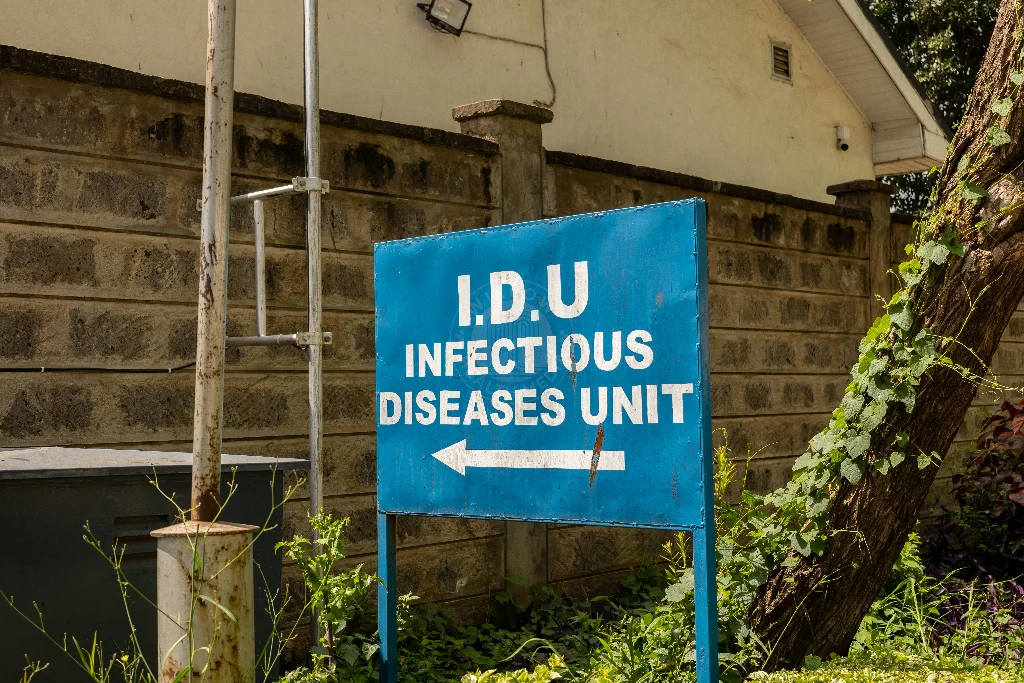
At the centre of that network is the Infectious Diseases Unit at Kenyatta National Hospital (KNH) – a specialised facility designed to receive and manage patients suspected of carrying some of the world’s most dangerous pathogens, including Ebola. Health workers are trained, drills are ongoing, and the unit’s lead specialist has a clear message for Kenyans: the country is prepared.
Kenya has not recorded a confirmed Ebola case during the current preparedness period. But with the outbreak declared a Public Health Emergency of International Concern by the World Health Organization (WHO) and cases confirmed in Uganda, health authorities are investing heavily in surveillance, training, and response systems.
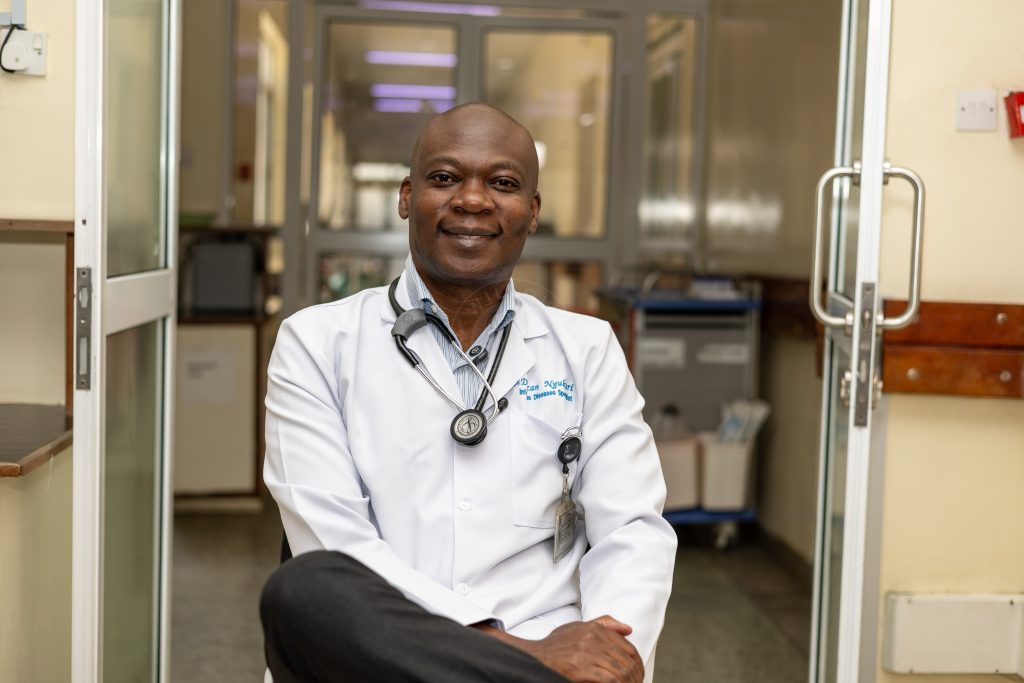
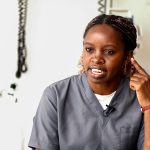
For Dr Duncan Nyukuri, a specialist in infectious diseases at KNH, preparedness is not simply about having an isolation ward. It is about having a coordinated system capable of identifying, testing, and managing patients safely from the moment suspicion arises.
“The infectious disease unit at Kenyatta National Hospital plays a critical role in Ebola preparedness in Kenya,” says Dr Nyukuri. “When we have a suspect who has been identified and brought to our facility, the first place the suspect will come is our infectious disease unit. The suspect will be isolated, samples will be collected to test and rule out Ebola, and if we get a confirmed case, we are also prepared to manage that patient in our unit.”
The Ebola patient will not use the entrance where healthcare workers, nurses and doctors use
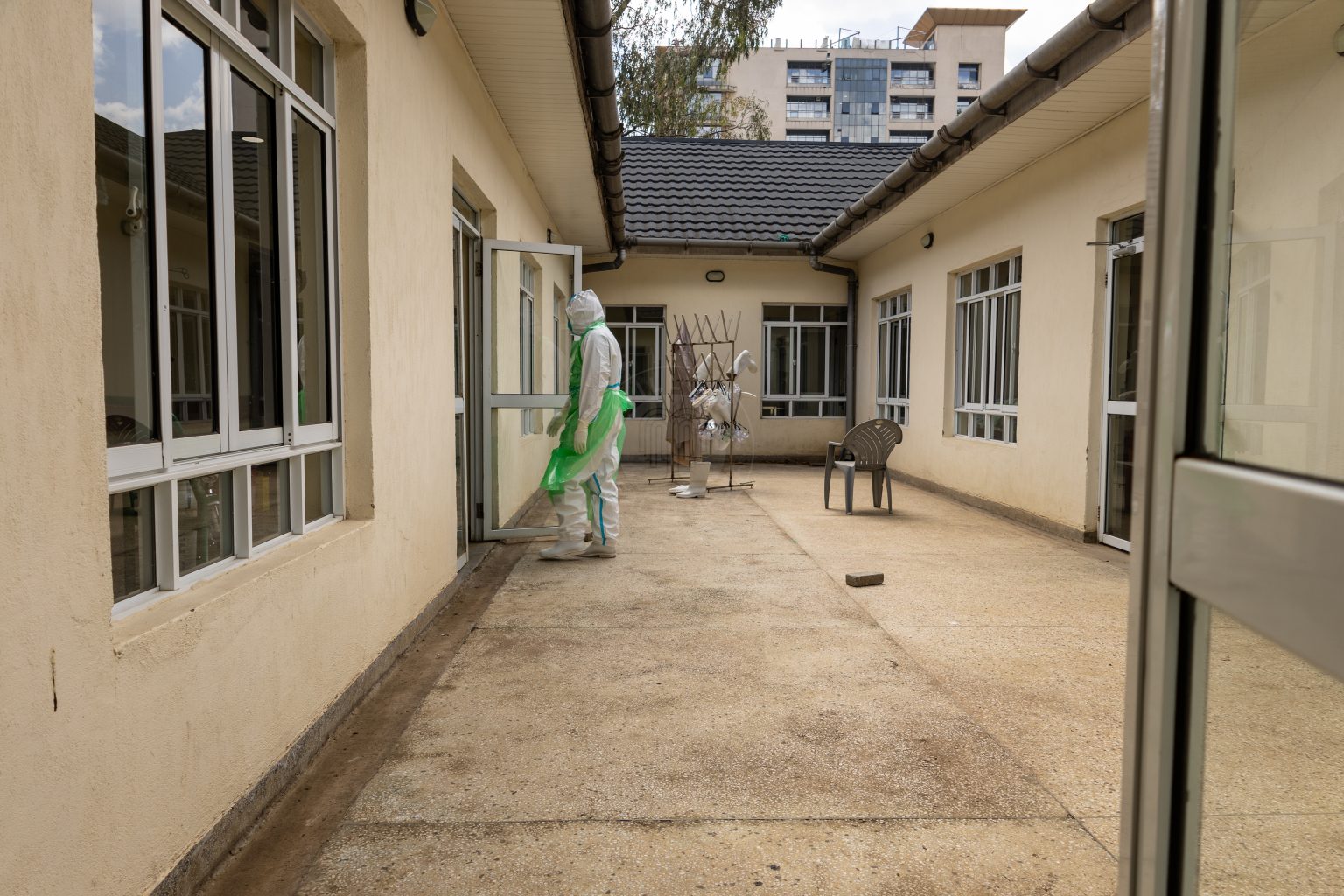
The patient’s journey begins before they enter the building. Suspected Ebola patients do not share an entrance with healthcare workers or other patients. Instead, ambulances transporting suspected cases access a designated receiving area built specifically for infectious disease patients.
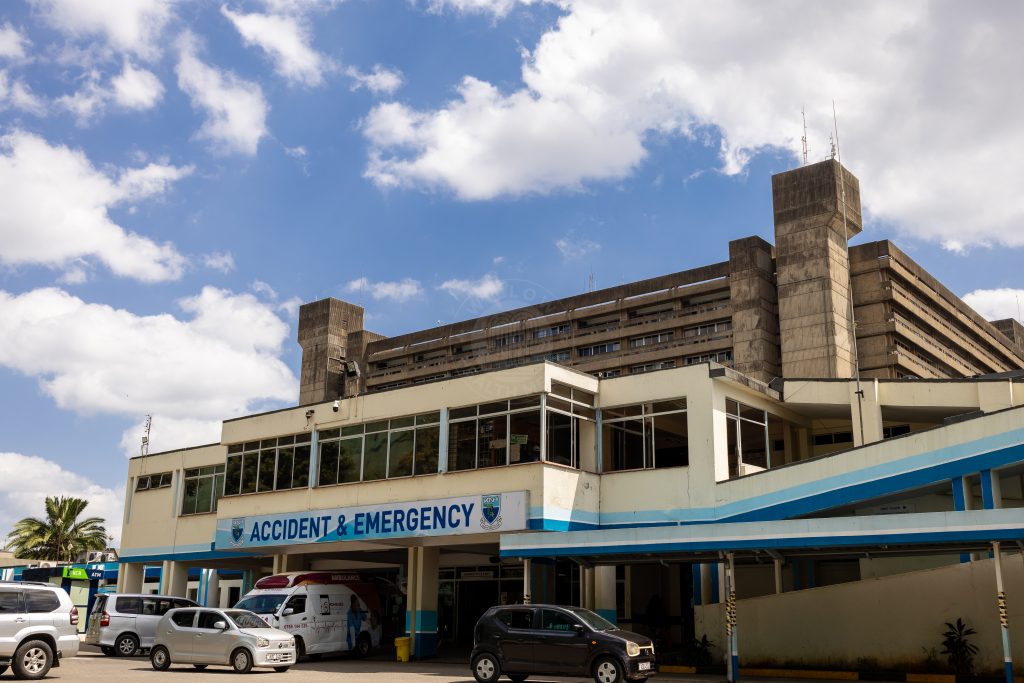
“The patient will not use the entrance where healthcare workers, nurses and doctors use. They use a totally different entrance. The ambulance will come, and this is where the patient will be received,” Dr Nyukuri explains.
By the time a patient arrives, the healthcare workers receiving them are already in full personal protective equipment, including gowns, masks, gloves, goggles, face shields, and protective head coverings. “You will have a nurse inside who is already donned in PPE and ready to receive the patient. The person bringing the patient will also have the full PPE gear,” he says.
From the receiving area, the patient moves directly into an isolation room where clinicians begin a detailed assessment under strict infection prevention and control protocols. The evaluation focuses on travel history, possible exposure risks, and presenting symptoms. Because Ebola shares symptoms with other infectious diseases, careful profiling is essential.
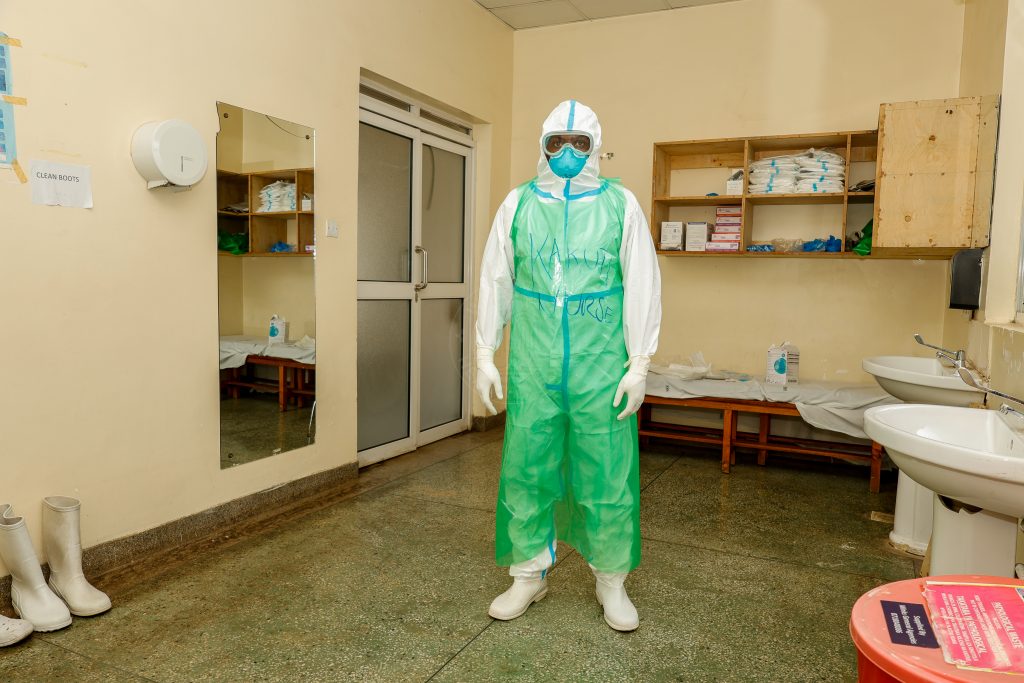
“We take more history to know the type of contact the patient has had and the type of symptoms they are presenting with. This helps us develop a good profile of the patient and understand the risk of infection and the patient’s overall health status,” Dr Nyukuri explains.
So far, we have not received any positive results as all suspected cases have tested negative
Symptoms and exposure history alone cannot confirm Ebola. Laboratory testing is the only definitive method of diagnosis. Samples collected from suspected patients are sent to the National Public Health Laboratory in line with Ministry of Health guidelines.
“A sample will be collected and sent to the National Public Health Laboratory. Once we get the results, we manage the patient according to those results,” says Dr Nyukuri. “So far, we have not received any positive results, and all the suspects admitted here have tested negative.”
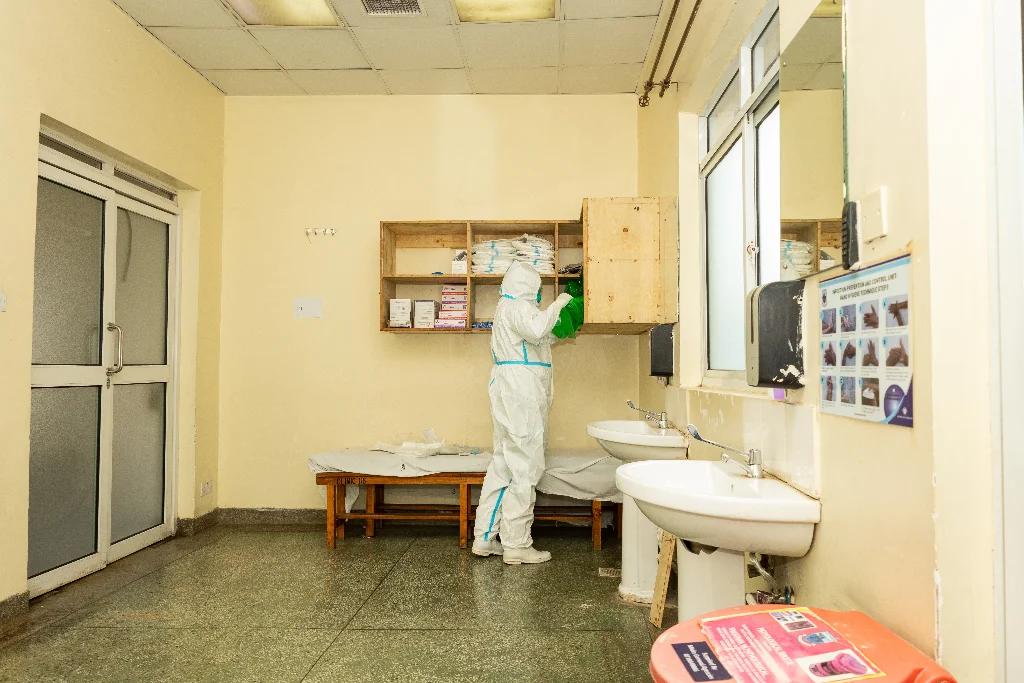
Patients remain in isolation and receive appropriate medical care while awaiting results. If results come back negative, clinicians investigate other causes of illness. If Ebola is confirmed, treatment begins immediately within the same facility.
“Our infectious disease unit is more than an isolation centre,” says Dr Nyukuri. “Not only do we isolate suspects and test them, but we are also able to treat any confirmed cases that are identified in this hospital.”
Treating Ebola involves far more than keeping a patient behind closed doors. The disease can affect the kidneys, liver, and heart simultaneously, making intensive supportive care a critical component of management. Healthcare workers focus on maintaining hydration, ensuring adequate nutrition, and managing organ complications as they arise.
The unit has eight isolation rooms capable of safely managing patients requiring high-level infection control
“Managing an Ebola patient is largely supportive,” Dr Nyukuri explains. “You make sure the patient is well hydrated and gets the nutrition they need. Ebola can affect multiple systems in the body, including the kidneys, liver and heart. We support those organs as needed, and we are able to do that in our facility.”
The unit currently has eight isolation rooms capable of safely managing patients requiring high-level infection control. Capacity can be expanded if necessary, drawing on lessons from Kenya’s COVID-19 response. “We learned a lot from managing COVID-19, and if there is a need, we can scale up and identify additional areas where patients can be managed, just as we did during the pandemic,” Dr Nyukuri says.
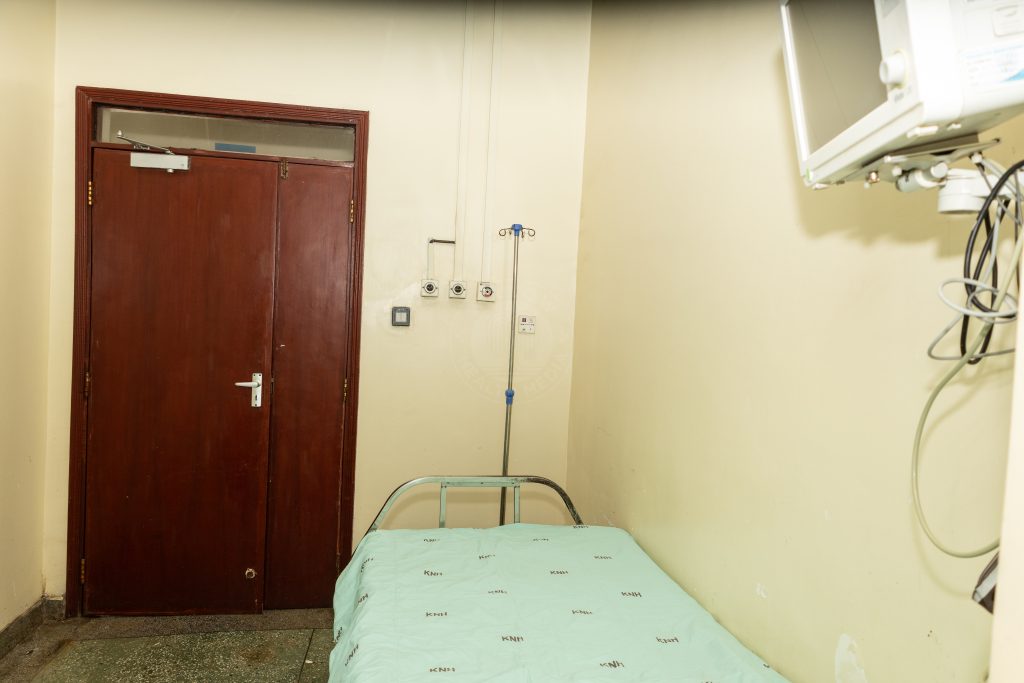
Because Ebola spreads through direct contact with infected body fluids, protecting healthcare workers is a top priority. Full PPE coverage is non-negotiable. “You need the full suit, goggles, a face shield, gloves, headgear and shoe covers. You should be fully covered from head to toe,” says Dr Nyukuri.
KNH has conducted entry-point drills to ensure suspected cases are identified early
Wearing protective equipment correctly is only part of the process. Staff also undergo specialised training on how to remove PPE safely without contaminating themselves. “They are trained on how to utilise the equipment properly and how to remove it safely so they do not get contaminated or come into contact with infectious material during removal,” he says.
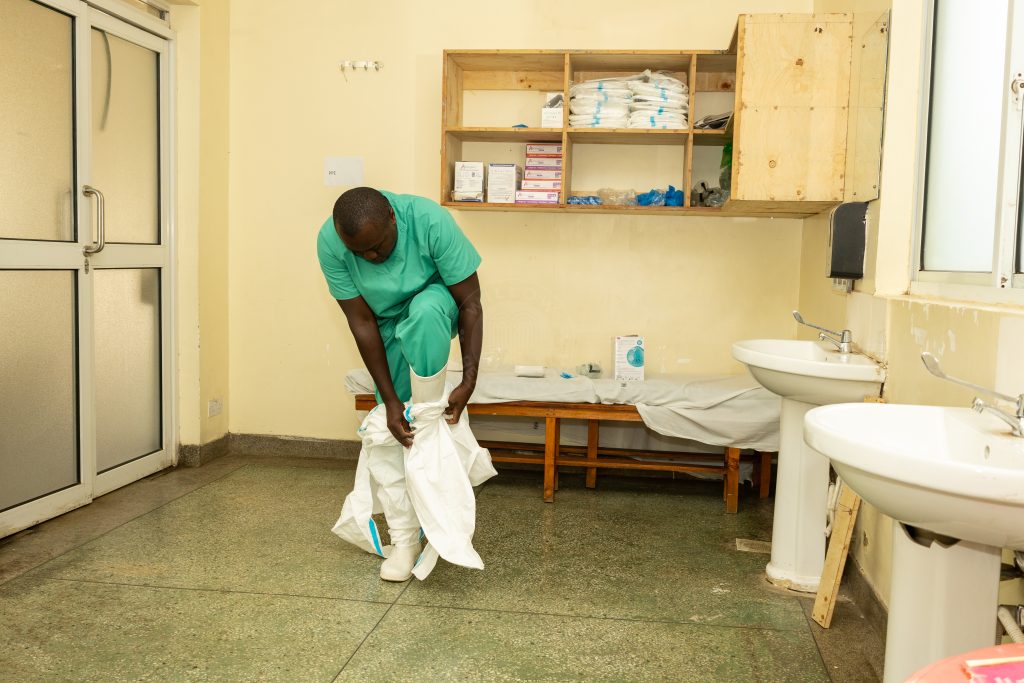
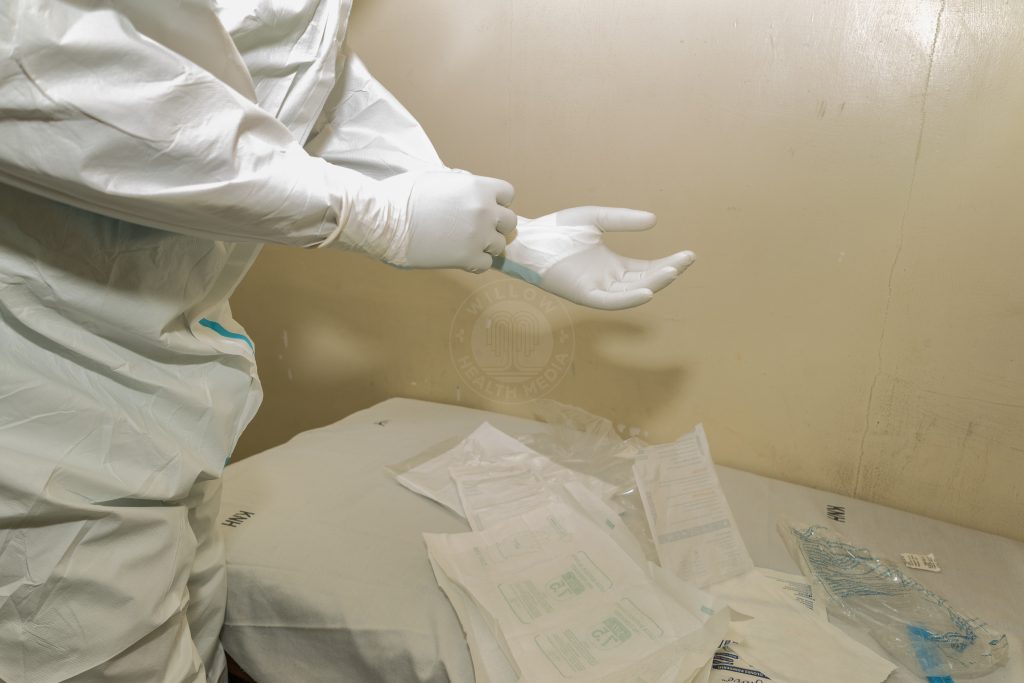
Preparedness at KNH extends beyond the unit itself. The hospital has conducted entry-point drills to ensure suspected cases are identified early and prevented from mixing with other patients. “The most important thing is to identify suspects early,” says Dr Nyukuri. “We have conducted drills at our entry points so that we can identify these suspects based on epidemiological exposure and risk profile, isolate them and bring them here.”
Inside the Infectious Diseases Unit, every drill, every protocol, and every piece of protective equipment serves a single purpose: ensuring Kenya is ready to respond quickly and safely if Ebola arrives.
“We are well prepared,” says Dr Nyukuri. “We understand the magnitude of the problem. Our healthcare workers are well-trained and prepared to handle any eventuality. Kenyans should not panic.”