


Kenya is facing a growing reproductive health crisis as contraceptive shortages, funding gaps, and delayed government payments risk reversing decades of progress in family planning and maternal health.
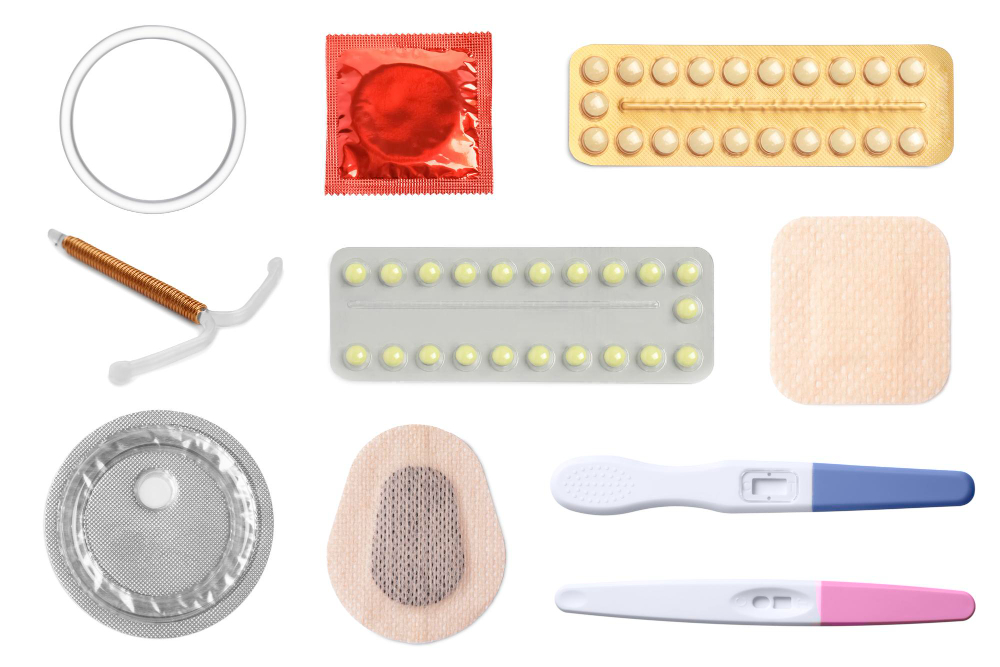
Kenya is in the grip of a severe family planning commodity shortage. Combined oral contraceptives, three-month injectables, progestin-only pills, emergency contraceptive pills and cycle beads have all reached zero national stock. Implants, male condoms, DMPA subcutaneous injections, copper IUCDs and LNG IUDs are critically low or below the optimal pipeline levels required to keep facilities supplied.
The total funding required to cover family planning commodities stands at about US$22.9 million (about Ksh3 billion). In the current financial year 2025/26, only Ksh500 million was allocated. Of that amount, only Ksh250 million has been disbursed to the Kenya Medical Supplies Authority (KEMSA), leaving an outstanding Ksh250 million unspent despite valid Authorities to Incur Expenditure having been issued.

The procurement lead time for family planning commodities is about 13 months from the receipt of funds. Every week of delay translates directly into prolonged stockouts at health facilities across the country.
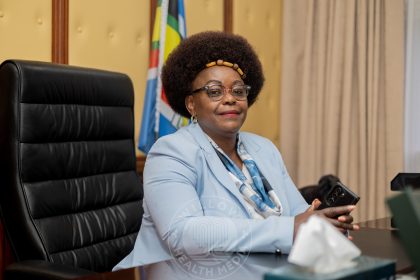
“The failure to disburse funds already allocated for family planning commodities,” Senator Mutinda told Parliament, “undermines the right to reproductive health care and weakens public finance accountability.”
Kenya’s 2026 Economic Survey records the damage already accumulating. Uptake of family planning injectables declined by 10.9 per cent among new clients and 8.6 per cent for revisits. Combined oral contraceptive pill uptake fell by 29.9 per cent for new clients and 22.7 per cent for revisits. Progestin-only pills dropped 15.0 per cent among new clients, while implant uptake declined 3.0 per cent.
A pulse survey conducted across 22 counties found that all of them reported commodity stockouts, particularly of contraceptives, following the withdrawal of United States funding. An estimated 456,000 women in Kenya annually relied on USAID-funded maternal and newborn health services.

Kenya’s family planning programme has long depended on a combination of domestic government allocation and external donor support, principally from the United States through USAID and matching contributions from UNFPA under a bilateral compact arrangement.
That architecture fractured in January 2025, when the incoming Trump administration issued a stop-work order on global health and development programmes, dismantled USAID and slashed approximately US$9 billion in funding. USAID had been the world’s largest single funder of family planning and global health programmes, providing close to USD 600 million, equivalent to Ksh77.4 billion, annually for contraceptive services in low-income countries and accounting for 41 per cent of all donor government funding for family planning globally.
The International Planned Parenthood Federation (IPPF) estimates that the funding cuts forced nearly 1,400 medical clinics to close around the world in 2025, resulting in 9 million people losing access to sexual and reproductive health services.

A Guttmacher Institute analysis estimated that the USAID freeze in 2025 alone could result in 4.2 million unintended pregnancies and approximately 8,340 maternal deaths from complications during pregnancy and childbirth.
UNFPA has attempted to fill part of the gap, channelling more than US$3 million, approximately Ksh387 million, to procure contraceptive commodities for Kenya in 2025. Combined with government support, this is expected to cover an estimated 17 per cent of contraceptive requirements for the year. The remaining 83 per cent is unmet.
Under Kenya’s compact with UNFPA, the government is required to procure family planning commodities using domestic funds as a condition for receiving matching contributions. Continued non-disbursement by the Treasury therefore risks the loss of future compact support entirely, compounding an existing shortfall.
The shortage is not only a consequence of foreign funding withdrawal. Kenya’s national family planning budget has long fallen critically short of what the country needs. Against a national requirement of approximately Ksh3 billion, the FY2025/26 allocation of Ksh500 million represents barely 17 per cent of need.
Kenya had committed under the FP2030 framework to increase domestic financing to cover 100 per cent of family planning commodity requirements by 2026. The current allocation makes that target impossible to meet.
Even the inadequate allocation has not been fully released. Despite valid Authorities to Incur Expenditure, the National Treasury has withheld Ksh250 million of the approved Ksh500 million, leaving KEMSA unable to procure while procurement timelines continue to run.
In FY2025/26, Kenya allocated Ksh138.1 billion to the health sector, with the larger share directed toward rolling out systems for Universal Health Coverage. Family planning commodities, which directly underpin maternal health outcomes and the long-term viability of UHC, received a fraction of that envelope. Kenya’s actual health allocation remains below six per cent of total government expenditure, against the 15 per cent commitment made under the Abuja Declaration.
The WHO estimates that 74 million women in low- and middle-income countries experience unintended pregnancies every year. These result in 25 million unsafe abortions and approximately 47,000 maternal deaths annually. A separate WHO-affiliated analysis estimates that fully meeting global contraceptive needs could reduce maternal mortality by 25 to 35 per cent and reduce unintended pregnancies from 80 million to 26 million annually.
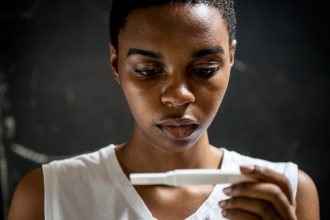
In 2022, contraceptive use averted more than 141 million unintended pregnancies, 29 million unsafe abortions and nearly 150,000 maternal deaths worldwide.
Kenya’s contraceptive prevalence rate had risen from 32 per cent of married women using modern contraceptives in 2003 to 57 per cent by 2022, according to UNFPA. Unmet need declined from 27 per cent to 14 per cent over the same period. Those gains were built over two decades of investment in supply chains, health worker training, community outreach and demand generation. They are now at risk.
Senator Mutinda has called on the relevant parliamentary committees to inquire into the persistent non-disbursement of allocated family planning funds and identify the administrative and financial bottlenecks causing delays. The statement also calls for a formal ring-fencing mechanism: a dedicated budget line protected from diversion, delay or reprogramming.
“I therefore urge this House to support decisive action to ensure that allocated funds are released, commodities are procured and distributed, and the reproductive health rights of women, girls and families across the country are protected,” Senator Mutinda told Parliament.