



Zambia-based Kenyan truck driver with DRC travel history had been isolated in hospital as Uasin Gishu County maps emergency treatment unit.
Uasin Gishu County has breathed a sigh of relief after a 29-year-old Kenyan truck driver with travel history from the Democratic Republic of Congo (DRC), who presented with suspected Ebola Virus Disease (EVD) at St Luke’s Hospital in Eldoret, tested negative for the disease.
On Friday, May 22, County Director of Health Dr Evans Kiprotich confirmed to Willow Health Media that the laboratory results had returned negative, easing anxiety among health workers and the public.
The patient, a walk-in case who arrived at the facility at 4 am on May 20, 2026, resides in Zambia and travelled to Kenya through Jomo Kenyatta International Airport (JKIA) on May 18, 2026, from Lubumbashi, DRC. He stopped over at a residence in Nairobi before travelling to Eldoret on May 19 to visit a relative at Maili Nne Estate in Ainabkoi sub-county.
Clinical assessment during triage established that his symptoms met the Ebola case definition. These included general body weakness, vomiting, dark-coloured urine, epigastric fullness, non-bloody diarrhoea, headache and loss of appetite. The patient reported that symptoms began on May 13.
Prior to his departure, the patient had been treated for hypovolemic shock secondary to sepsis, malaria and typhoid fever at Diamant Medical Centre in Lubumbashi.
A blood sample was collected on May 20 and sent to the National Public Health Viral Lab
The hospital immediately placed him in a designated holding area in line with Infection Prevention and Control (IPC) protocols. A blood sample was collected on May 20 and sent to the National Public Health Viral Laboratory.
Dr Kiprotich had confirmed the development: “We are quite aware of the report. The patient’s samples have been taken, and we are expecting results tomorrow morning.”
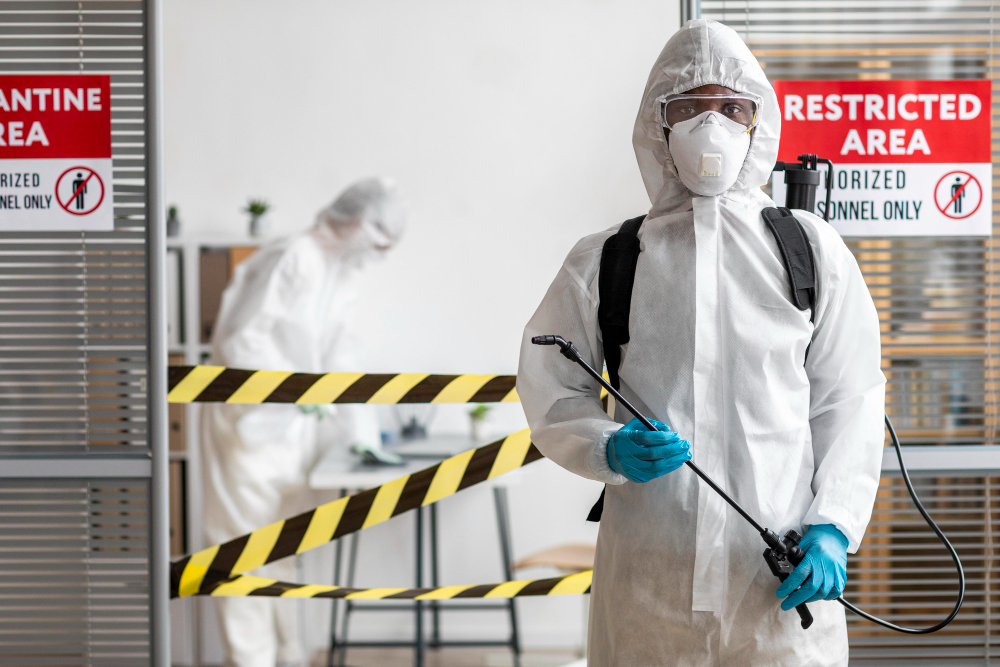
Dr Kiprotich said the county had set up a task force and technical team to address the situation, and had mapped out an Emergency Treatment Unit (ETU) and holding centre at Kamalel Health Centre, a Level 3 primary health facility in Racecourse Ward, Kesses.
The patient remained isolated and under clinical monitoring at St Luke’s Hospital pending the results. Contact tracing and line listing had commenced, and the facility restricted visitors from the isolation room.
County surveillance team flagged challenges including limited Personal Protective Equipment (PPE) for Ebola
The county also issued a public advisory urging residents to regularly wash hands with soap or alcohol-based sanitisers, avoid contact with suspected cases, avoid handling or consuming bushmeat and sick animals, and seek medical attention if experiencing headaches, muscle and joint pain, unexplained bleeding, vomiting or diarrhoea.
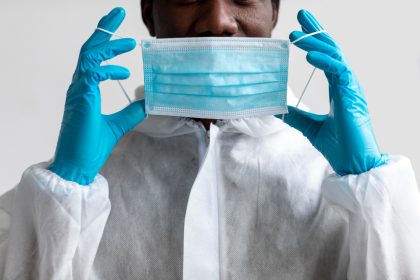
The county surveillance team flagged several challenges, including limited Personal Protective Equipment (PPE) for Ebola at county and sub-county hospitals, long turnaround times for laboratory results, anxiety among health workers and transport and rapid deployment constraints.
The team called for urgent provision of PPE, swift access to emergency funds, enhanced community surveillance and risk communication, as well as logistical support for specimen transportation and daily contact follow-up.
The County Executive Committee (CEC), Chief Officers in charge of Health and the Public Health Emergency Operations Centre (PHEOC) national manager were all notified.
Suspected case came days after WHO declared Ebola a Public Health Emergency of International Concern
Dr Kiprotich added that health promotion and preventive activities had been initiated and that the county was awaiting Information, Education and Communication (IEC) materials, while remaining open to broader stakeholder participation.

The suspected case came days after the World Health Organisation (WHO) declared Ebola a Public Health Emergency of International Concern (PHEIC), the highest level of global health alarm, on May 17. At the time of the declaration, the WHO recorded 80 suspected deaths, 246 suspected cases and eight confirmed cases across two affected countries, the DRC and Uganda.
By May 21, Gavi the Vaccine Alliance indicated that suspected cases caused by the Bundibugyo virus strain had risen to over 500, with more than 130 deaths. The Africa Centres for Disease Control and Prevention (Africa CDC) has also declared the outbreak a Public Health Emergency of Continental Security (PHECS).
No licensed vaccines or therapeutics are currently available for the Bundibugyo strain. The WHO has urged affected countries and those at high risk, including neighbours of Uganda and DRC, to licence investigational therapeutics as a matter of urgency. Kenya, which shares borders with both countries, had previously been asked to scale up surveillance across health facilities and restrict movement of suspected cases to prevent further spread.