
Annual cancer cover has increased from Ksh550,000 to Ksh800,000, giving patients who previously exhausted their funds before completing treatment more financial support.
Kenya’s health insurer has significantly upgraded what it will pay for cancer treatment, childbirth, and sickle cell disease. Under the new changes, cancer patients can now access up to Ksh800,000 worth of cover annually, up from Ksh550,000. Expectant mothers at Level 2 and 3 hospitals will no longer pay anything at the point of delivery. And sickle cell patients will, for the first time, have specific procedures formally covered. The changes, gazetted on May 8, 2026, under Legal Notice No. 78, took effect immediately.
The enhanced packages follow directives issued by President William Ruto during the 2025 State of the Nation Address, alongside resolutions from the 12th Ordinary Session of the National and County Governments Coordinating Summit. Health Cabinet Secretary Aden Duale signed the notice on April 30, 2026.

The total annual amount SHA will pay for a cancer patient’s care has risen from Ksh550,000 to Ksh800,000. The core cancer treatment fund remains at Ksh400,000, but the separate top-up fund for chronic and critical illness has nearly tripled, rising from Ksh150,000 to Ksh400,000. In simple terms, patients who previously exhausted their cover before completing treatment now have more money to work with.
The new package also covers services that were missing before. Cancer patients can now see a broader care team beyond their main doctor, including a nutritionist, mental health professional, palliative care provider, pharmacist, and social worker, at up to Ksh2,500 per visit for four sessions. Up to Ksh10,000 has been set aside for supportive medicines, the drugs that manage side effects such as nausea, pain, and fatigue rather than treating the cancer itself. Follow-up care after a patient goes into remission will also now be covered, guided by Kenya’s national cancer treatment guidelines.
The lab packages are unchanged in terms of type of tests covered and rates reimbursed
Consultant pathologist Dr Ahmed Kalebi said the increased funding could allow patients to access diagnostic tests that were previously financially out of reach. “At least there’ll be more money towards diagnostic tests compared to before, when Ksh550,000 was hardly sufficient to cover treatment, forcing patients to choose between testing and drugs, thereby affecting the quality of diagnosis and in turn affecting treatment choices,” he said.
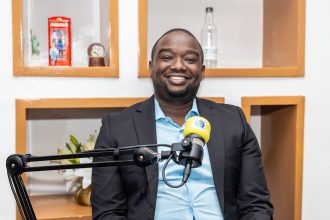
He noted, however, that laboratory services themselves remain unchanged. “The lab packages are unchanged both in terms of the type of tests covered and the rates reimbursed. Perhaps the only thing would be that now the limit is increased by Ksh250,000, maybe patients will be better able to access lab tests under the oncology package compared to before, when most of the limit was used up by chemotherapy.”
The new notice sets clearer boundaries on how many scans a patient can access in a year. CT scans, MRI scans, bone scans and PET scans are now each limited to one per policy period, meaning one per year. The rates remain the same: CT scans at Ksh6,900, MRI scans at Ksh11,000, and PET scans at Ksh53,500. The notice also specifies which types of PET scans are covered, removing the ambiguity that previously led to claim rejections.
Radiotherapy, the use of targeted radiation to shrink or destroy tumours, is covered at Ksh3,600 per session, now capped at 30 sessions. Chemotherapy, the use of drugs to kill cancer cells, is covered at Ksh5,500 per session. More advanced treatments are also covered: brachytherapy, where radioactive material is placed directly inside or near a tumour, is covered at Ksh40,000 for three sessions. Stereotactic radiation therapy, a highly targeted form of radiotherapy, is covered at up to Ksh70,000 for five sessions.
Expectant mothers registered with SHA can deliver at Level 2-3 public facilities, health centres and dispensaries, for free
Tumour marker tests, blood tests used to detect and monitor cancer, have seen their reimbursement rate jump from Ksh1,500 to Ksh8,000, a change analysts say better reflects what these tests actually cost, reducing the gap patients previously had to cover from their own pockets.

Dr Kalebi said Kenya already has the laboratory capacity to handle more cancer testing if more patients begin seeking diagnosis through SHA. “The country has an underutilised capacity for cancer testing. From a lab perspective, it means better diagnosis to guide precision medicine, which translates to better outcomes instead of using unnecessary or ineffective drugs.”
Expectant mothers registered with SHA can now deliver at Level 2 and Level 3 public facilities, health centres and dispensaries, at no cost. They walk in, deliver, and walk out without paying. SHA will reimburse the facility directly: Ksh10,000 for a normal delivery and Ksh30,000 for a caesarean section, both including essential newborn care.
The key structural change is that this funding has been moved from the main social health insurance pool into the Primary Healthcare Fund, a separate pot reserved for basic, community-level services. The reimbursement rates themselves have not changed, but the administrative shift is intended to protect maternity funding from competing with other healthcare claims.
Cancer among leading causes of death in Kenya, with many patients diagnosed at advanced stages
Patients living with sickle cell disease, a genetic blood condition that causes painful episodes and organ damage, will now have two specialised procedures covered for the first time under a clearly defined framework. Apheresis platelets, a blood product used to manage complications, are covered at Ksh20,000.
Red cell exchange, a procedure where a patient’s damaged red blood cells are replaced with healthy donor cells to reduce complications, is covered at Ksh70,000. Each procedure is available up to three times per policy period.
Cancer remains among the leading causes of death in Kenya, with many patients diagnosed at advanced stages when treatment is harder and more expensive. SHA CEO, Dr Mercy Mwangangi, described the enhanced packages as part of the government’s commitment to ensuring that “no Kenyan is left behind.”
While the expanded cover marks a meaningful step forward, health experts note that implementation and sustainability will ultimately determine whether the improvements reach the patients who need them most.