


Incomes up 41 per cent. Birth weights doubled. Twenty thousand households in their sights. Inside the programme, turning climate vulnerability into a problem with solutions.
By the time the 2022–2023 drought came to an end, Mary Mutui, a single mother of four from Loitoktok in Kajiado South, had only six cattle remaining from a herd of over 200. Despite her livestock being moved as far west as Nakuru in search of pasture, the situation deteriorated, and most of her animals died for lack of feed, wiping out her source of income.
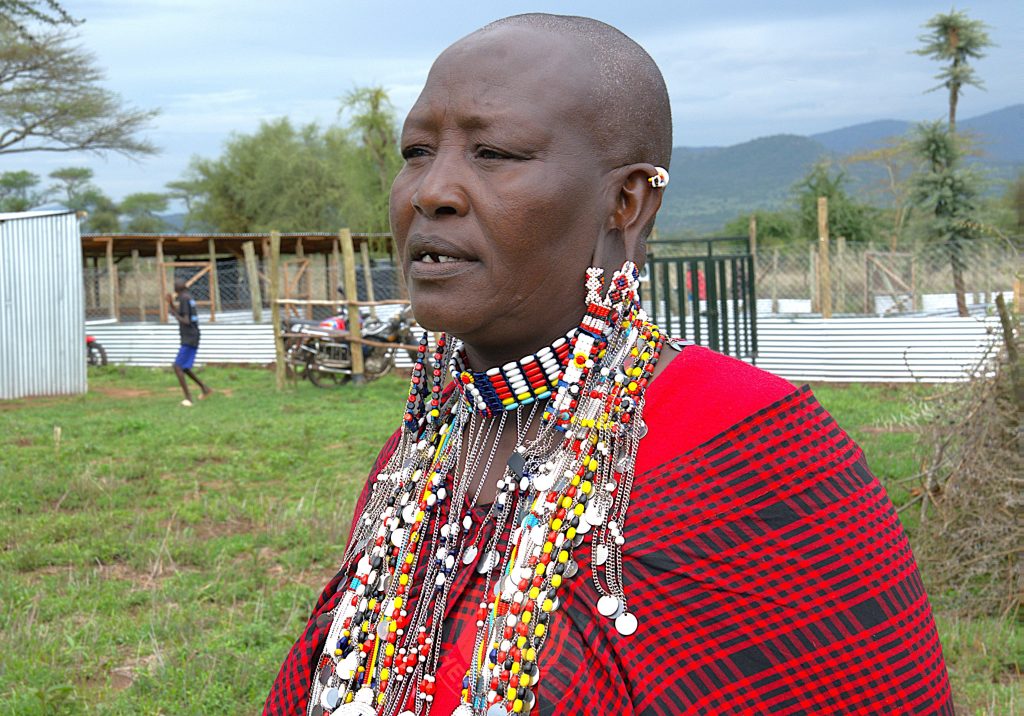
Following the devastating loss, Mutui could provide her children with only one meal a day, down from three a day months earlier. From being a proud owner of hundreds of livestock, she started looking for manual labour to put food on the table. “I started working on onion and tomato farms near my home that paid Ksh300 a day,” she said.
With school-going children, Mutui worked hard to ensure they had a meal before they went to bed. Some of her neighbours, however, had it worse. “Many had nothing, not even food to eat,” she told Willow Health Media.
At the heart of the prolonged drought is a changing climate, which has made millions of pastoralists across the country increasingly vulnerable. This has led to a surge in food insecurity, with rising cases of malnutrition among children.
Now, a Strathmore Business School project is looking to address the challenges climate change poses to pastoralism by developing markets, investing in improved animal husbandry practices and training pastoralists on behaviour change to better tackle the problem.
In Kajiado County alone, 126,800 people needed assistance more than twice the number two years prior
The 2022–2023 drought – described by the World Meteorological Organisation and the Food and Agriculture Organisation as the worst in 40 years – resulted in about 2.6 million livestock deaths across Kenya, according to the National Drought Management Authority (NDMA). The NDMA estimated the value of those losses at Ksh226 billion. The prolonged drought left 3.5 million people requiring humanitarian assistance as of April 2023, according to a UNICEF report.
In Kajiado county alone, 126,800 people needed assistance as of July 2023, a more than two-fold increase from 55,900 at the same time two years prior, according to a report by the Ministry of East African Community, Arid and Semi-Arid Lands and Regional Development.
Data from the Integrated Food Security Phase Classification (IPC), a global initiative that enhances food security and nutrition analysis to inform policy decisions, described the food security situation in Kajiado as stressed between July 2025 and January 2026. The IPC defines a stressed food insecurity phase as a precarious state where “households have only minimally adequate food consumption and cannot afford essential non-food items (like healthcare or education) without using negative coping strategies.”
According to a 2018 SMART Survey of the county, 25.3 per cent of children under the age of five in Kajiado are stunted, 10 per cent are wasted, and 22.5 per cent are underweight.
In 2023, Strathmore Business School secured funding from the Gates Foundation to help pastoralists tackle the challenge of climate change.
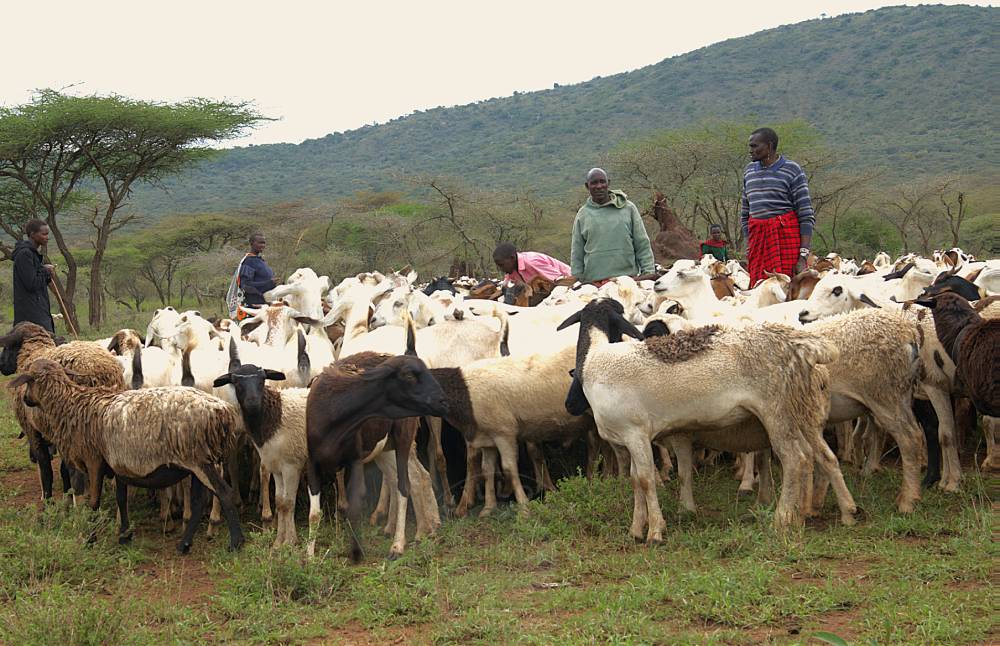
Pastoralists’ main source of livelihood is livestock, and they lose 80 to 90 per cent of it during drought
For Prof Ruth Kiraka, the programme coordinator for the Kenya Pastoral Markets Development Programme, providing access to markets for pastoralists to offtake their livestock protects them from the loss of animals and, ultimately, their livelihoods. “Pastoralists’ main source of livelihood is their livestock. However, during drought, they lose between 80 and 90 per cent of their herd,” she said.
Prof Kiraka added that even without drought, access to markets remains a challenge for pastoralists, as markets are far away, transactions often go through middlemen, and prices are frequently poor. The livestock market at Il Bisil, for instance, serves farmers from as far north as Kiserian, 90 kilometres away, and from Oloirimirimi to the south.
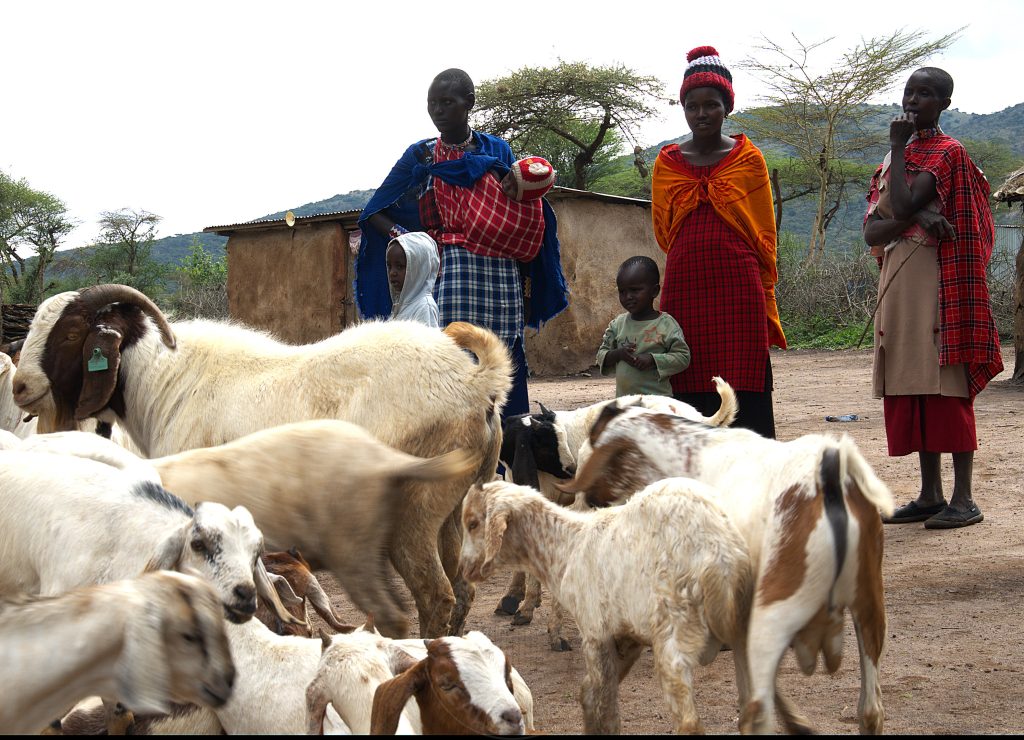
To address this, the Kenya Pastoral Markets Development Programme works with private companies such as Livmo, which has established aggregation centres in Kajiado to make it easier for farmers to sell their livestock.
Other challenges pastoralists face include disease, the inability of their livestock to withstand drought and poor prices due to low animal weights. “The off-take companies go to the communities, sensitise them on the quality of animals, train them, help them with animal husbandry and animal health inputs, to enable them to produce adequate, good quality animals,” Prof Kiraka said.
Kajiado, like many parts of the country, has moved through a drought season and is now experiencing the onset of the long rains. According to Samuel Senteria, an animal health specialist with Livmo, the change in season exposes livestock to diseases such as Foot and Mouth Disease. Without proper management and treatment, farmers can lose entire herds.
Better animal husbandry practices have boosted immunity to withstand minor ailments
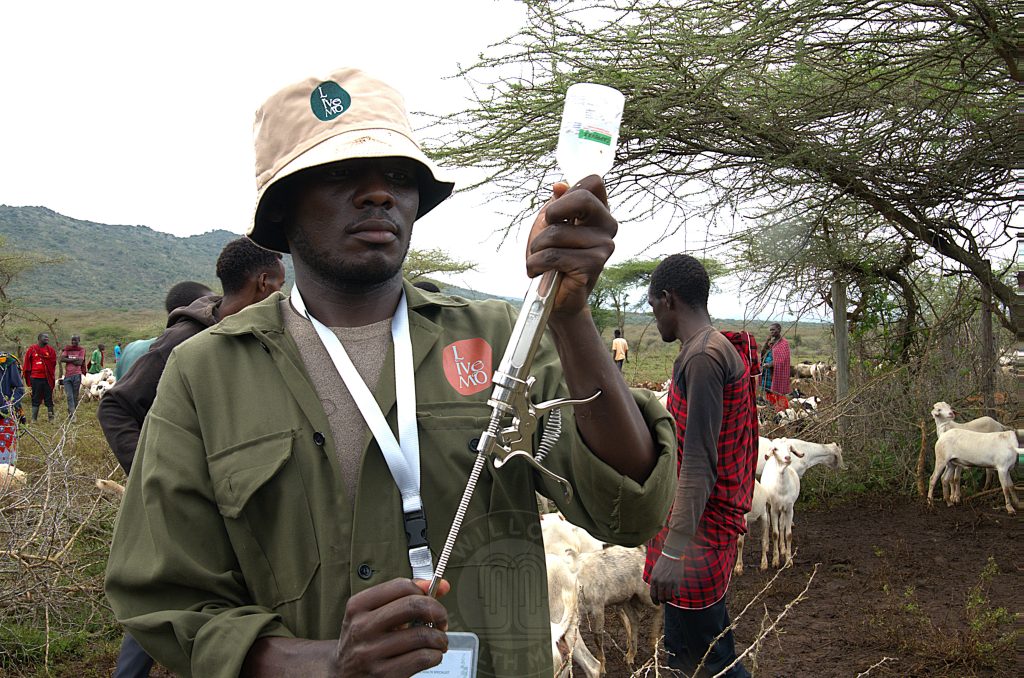
Other diseases during this season that affect sheep and goats include Contagious Caprine Pleuropneumonia and Peste des Petits Ruminants, both of which are viral. “So, these are the diseases that we have to watch out for during the onset of the rains like today,” said Senteria, who led a vaccination and treatment exercise in Oloirimirimi.
Gathara Wahome, a breeding expert with Livmo, said that high-impact animal diseases typically occur during the drought period. However, this time round they did not occur owing to the vaccination conducted the previous year. Better animal husbandry practices, he said, have boosted immunity and enabled animals to withstand minor ailments.
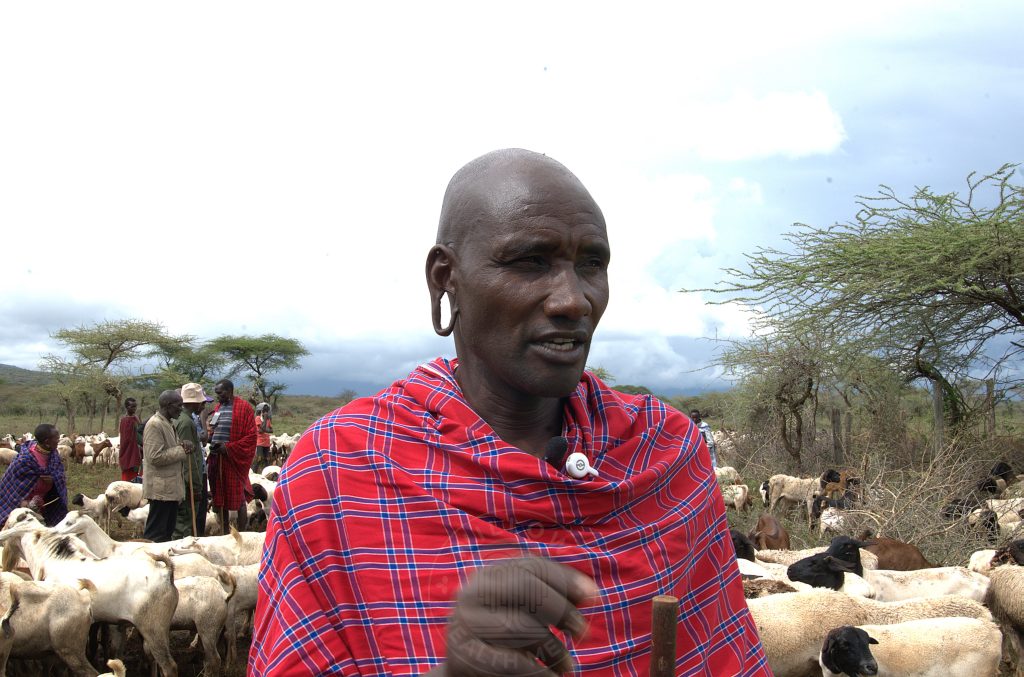
James Kelembu, a pastoralist from Enterekesi village, had also brought his goats and sheep for vaccination at Oloirimirimi. He said the vaccinations have helped keep disease at bay. He is also getting better prices for his animals, as he no longer has to travel all the way to Il Bisil to sell them. He uses the Livmo aggregation centre and, for now, does not worry about putting food on the table or paying his children’s school fees.
As access to pasture diminishes during dry spells, pastoralists have also been trained by Livmo in hay production. Prof Kiraka acknowledged this would take time, as pastoralists are accustomed to grazing their livestock on open rangelands. Livmo has introduced drought-resistant fodder varieties such as Boma Rhodes and Maasai love grass to ease the transition.
Pastoralists are also being supported in accessing better breeds of goats and sheep that mature quickly and are more resistant to drought. According to Wahome, breeding is central to addressing the impact of climate change. “If you have a high-performing animal, it means it will grow faster, it will reach market weight earlier and therefore less consumption of feeds,” he said.
With better birth weights, goats have a stronger start, mature faster, are ready for market in seven months
To improve the breeds reared by farmers in Kajiado, Livmo introduced four breeds of goats for farmers to choose from: the Boer, the Kalahari Red, the Savannah and the Galla goat, all of which have commercial potential. Farmers chose the Boer.
“We adopted the community-based breeding programme whereby the farmers were put in groups. In the groups, they were given a buck which could serve between 30 and 40 does,” Wahome said.
So far, the ten bucks introduced have produced over 400 offspring, which are distributed to farmers to improve their herds. “We have managed to raise the birth weight through breed improvement from between 2.5 and 2.8 to between 5.0 and 5.2 kilos,” he said.
With better birth weights, the goats have a stronger start to life. The improved breeds also mature faster and are ready for market within seven months, meaning farmers can generate income sooner.
In two years, the programme has reached 13,000 households and targets 20,000 by the end of the year
Wahome said the combination of breeding, feed intervention, disease prevention and farmer training has better prepared Kajiado’s pastoralists for the kind of climate shocks they have faced in the past. “We noted that there was a decline in range productivity, but since there is an intervention on production and distribution of fodder to the community, they were not affected as such. At least they were able to maintain their flock,” he said.
Prof Kiraka said the intention of the project was for the off-take companies to see value in working directly with farmers, so that the relationship can continue even after the project ends. She is encouraged by what has been achieved so far.
In two years, the programme has reached 13,000 households and hopes to reach 20,000 by the end of the year. “Last year we did a mid-line about one and a half years into the programme, and we found that their incomes had increased about 41 per cent,” she said.