

Think of the body’s defences as a shield. In Nairobi’s Industrial Area, rainwater mixed with factory chemicals- mercury, lead, and arsenic- acts like a hammer that cracks that shield and breaks the tools the body needs to stay healthy.
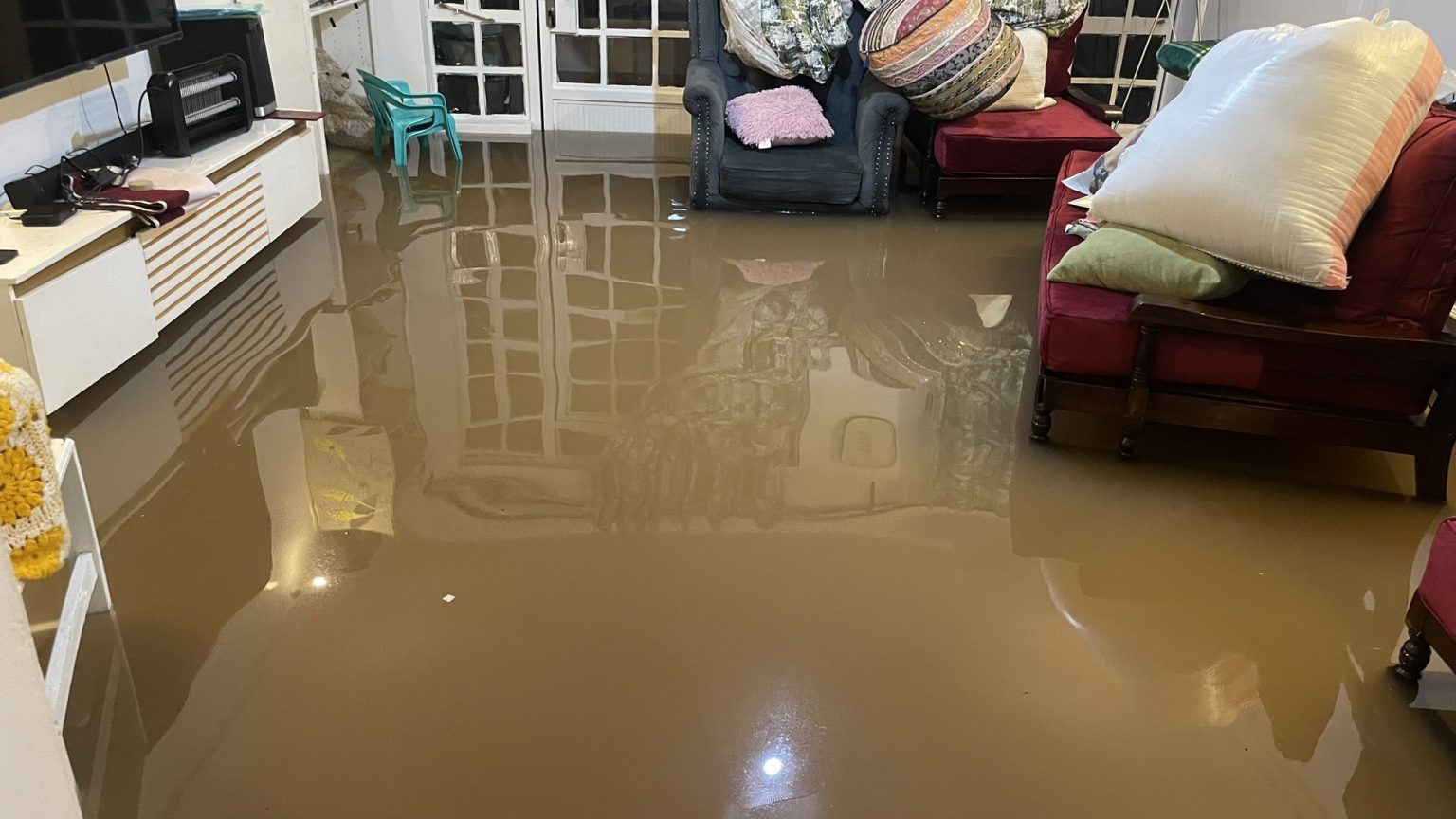
The rains in Nairobi began as a rhythmic relief from the searing dust of the Kenyan sun, but by March 2026, that relief curdled into a quiet, brewing terror. In the industrial heart of the city, the dark, swirling waters did more than just stall engines; they acted as a solvent, unmasking a biological and chemical landscape that most urban dwellers never see. What looks like a drainage problem is, in truth, a public health emergency that has been decades in the making.
To understand who bears the heaviest burden of these floods, you must first understand where Nairobi’s poorest communities were built, and why. Generations of rural migration and inadequate housing policy pushed hundreds of thousands of people into low-lying, flood-prone land directly adjacent to the city’s industrial corridors. These are not distant suburbs. They are packed, breathing communities pressed against the city’s manufacturing spine, absorbing its effluent, its noise, and now, its poison-laced floodwaters.
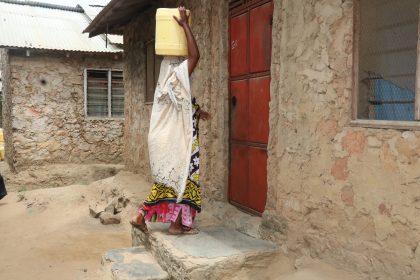
The neighbourhoods that flood first are the same ones that have always had the least. The residents of Mukuru, Mathare, and Viwandani live in extraordinary density, in homes built without drainage systems, in lanes too narrow for emergency vehicles, on soil that has absorbed decades of industrial runoff. When the floodwaters rise, they rise fastest here.
To the casual observer, floodwater is simply an inconvenience of infrastructure. But to a public health professional, these rising tides represent a brewing biological and chemical catastrophe. As the heavens open, water surges through the city’s veins, picking up the raw contents of burst sewage pipes and the toxic overflow of industrial dumpsites. In the Industrial Area specifically, the risk transcends bacteria.
Rainwater here mixes with heavy metals like mercury, lead, chromium, cadmium, and arsenic released from manufacturing plants and unregulated garages. Unlike a stomach bug that passes in a week, these metals are silent killers that wreak havoc at a cellular level. They trigger the generation of reactive oxygen species, effectively dismantling the body’s natural defences from within. They accumulate in organs. They do not leave.
For pregnant women in Mukuru slums, gestational flood exposure increases risk of miscarriage
What makes this particularly sinister is the invisibility of it all. The water clears. The mud dries. Life resumes. But the toxins remain, deposited into the soil of urban vegetable gardens, absorbed into the floors of family homes, and- most critically – into the bodies of the people who had no choice but to wade through it.

The public conversation about flood health risks tends to focus on the visible: the broken limbs, the cholera wards, the flooded clinics. What it consistently overlooks is the damage being done inside the bodies of women and children -damage that will not show up in this month’s emergency statistics but will define the health trajectory of entire communities for years to come.
For pregnant women in Mukuru and Viwandani, gestational flood exposure increases the risk of pregnancy loss for women in the middle and late stages of pregnancy, besides floods systematically dismantling the conditions that protect maternal health. Antenatal appointments are missed. Clinics are inaccessible. Clean water for medication and wound care disappears. The result is a quiet surge in preeclampsia, eclampsia, and preterm births that will not be attributed to the floods in any official record, but whose origins lie entirely in this moment.
Children absorb the consequences differently, but no less severely. Their thinner skin offers less barrier against bacterial and fungal infections. Their developing brains are uniquely vulnerable to the neurotoxic effects of lead, which enters through contaminated soil and water and mimics calcium, migrating directly to the brain and bones. The child playing in a receding puddle in Mukuru is not splashing in dirty water. They are bathing in the accumulated industrial discharge of the city’s most productive corridor.
Cholera, typhoid, malaria, and dengue are real, and they are rising. The Ministry of Health (MoH) is right to sound the alarm. But there is a second tier of illness unfolding alongside them – one that receives almost no attention in flood health responses.
Rat pee mixed with rainwater causes fever, jaundice, and in severe cases, kidney failure
Leptospirosis, a bacterial infection transmitted through water contaminated by animal urine, is endemic to exactly the kind of flooded industrial zones Nairobi now contains. It produces fever, jaundice, and in severe cases, kidney failure. It mimics malaria closely enough to be routinely misdiagnosed, meaning that many of the malaria cases being counted right now may be something else entirely.
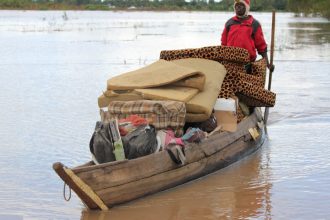
Schistosomiasis, carried by freshwater snails that thrive in slow-moving floodwater, is a persistent threat to children who wade or play in receding pools, causing long-term organ damage that develops silently over months. Fungal skin infections, dismissed as minor irritations, establish quickly in children after flood exposure and can become chronic without proper treatment.
These diseases share a common characteristic: they are invisible in the immediate aftermath, they disproportionately affect the poor, and they are almost never traced back to the flooding that caused them.
Behind every technical warning is a family whose life was upended in a single night. One resident, clutching her young child as they climbed onto a rooftop, described the emotional scars left by the sound of rushing water, a trauma that does not resolve when the water recedes.
Nelson Aseri, a local psychologist, warns that the mental health toll of these floods is a secondary epidemic running parallel to the physical one. Victims are not just losing property; they are losing their sense of ontological security: the deep, foundational belief that the world is a predictable, safe place. For many, every afternoon cloud now brings a wave of visceral panic instead of the promise of cool air. This is not a weakness. It is the neurological consequence of repeated, unmitigated trauma in communities that have never had the luxury of full recovery between disasters.
Construction continues in riparian zones that should legally serve as flood buffers
This crisis exposes a failure that is structural, not incidental. Kenya has an Office in the Presidency dedicated to climate change. It has progressive health legislation and a Ministry of Health capable of coherent emergency communication. What it does not have is the political will to translate those frameworks into the ground-level infrastructure that would actually protect people.
The sewer networks beneath Nairobi’s industrial zones are ageing and largely unaudited. Construction continues in riparian zones that should legally serve as flood buffers. The communities most exposed to industrial contamination receive no information about what chemicals their local facilities discharge, let alone any protection when those chemicals go mobile in a flood. Pregnant women in Mukuru will not receive a mobile antenatal unit in the coming weeks, because no protocol exists to deploy one.
The water may be receding, but the battle for the nation’s health has only just begun. The resilience of the Kenyan people is real, and it is remarkable – but resilience is not a policy. It is not a drainage system. It is not a functioning sewer network or a flood-proof water supply. A nation’s productive future is secured by the health of its people, and right now, the health of Nairobi’s most vulnerable residents is being quietly, systematically eroded – not by bad luck, but by decisions that can still be reversed.
The question is whether anyone in power is willing to make them.
Dr Madeline Iseren is a pharmacist and commentator on topical medical and health issues.