



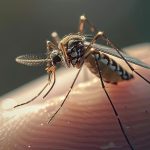
Antimicrobial resistance (AMR) occurs when germs, such as bacteria and viruses, change in a way that allows them to evade the effects of medicines, making infections harder to treat and easier to spread.
Antimicrobial resistance (AMR) is a global health crisis. In 2019 alone, it claimed over 1.27 million lives- more than HIV/AIDS, tuberculosis, and malaria combined. Africa suffers the highest burden, with a death rate of 27.3 per 100,000 from drug-resistant infections. To confront this escalating threat, the WHO, UNEP, FAO, and the World Organisation for Animal Health (WOAH) and the Food and Agriculture Organisation (FAO) have committed to jointly advance the fight against AMR.
Dr Walter Fuller, AMR Coordinator, WHO Africa Region, told Willow Health Media exclusively that AMR was directly linked to 1.14 million deaths in 2021. In both years, the highest mortalities were recorded in Sub-Saharan Africa.
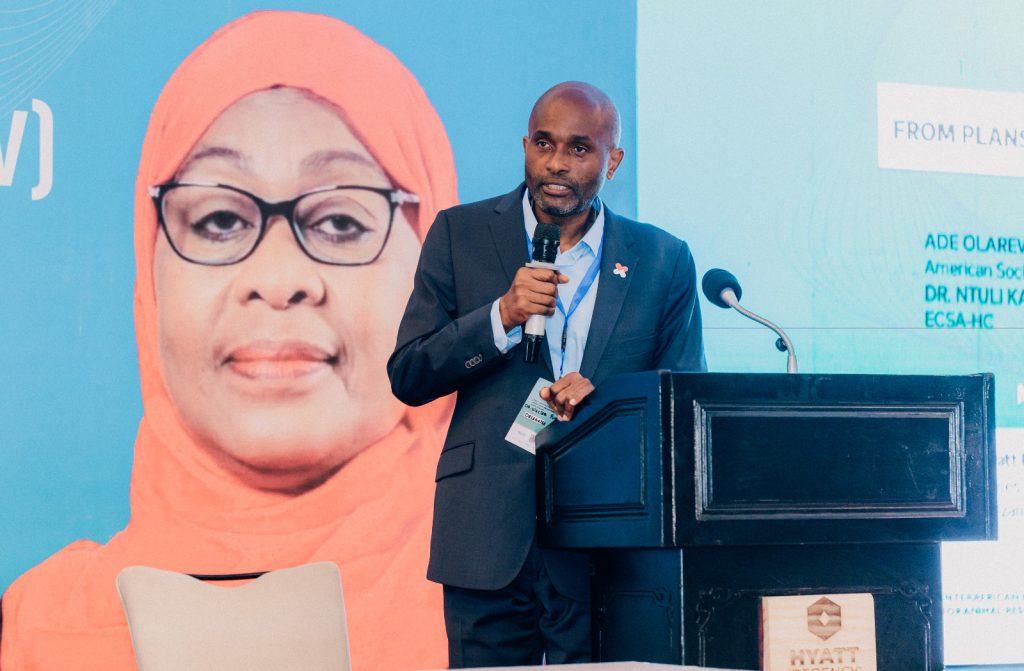
“The reasons for increasing AMR cases range from limited access to diagnostics, gaps in infection prevention, and inappropriate use of medicines in humans and animals, to inadequate water, sanitation and hygiene,” Fuller explained.
AMR occurs when viruses, bacteria, fungi, and parasites that cause diseases change over time and refuse to respond to medicines. These mutations make common infections harder or impossible to treat, increasing the risk of disease spread, severe illness and deaths.
During the World Antimicrobial Resistance Awareness Week (WAAW) commemorated in November, the aforementioned global agencies, including the Centres for Disease Control (CDC), called for a paradigm shift from siloed efforts to a One Health Approach in combating AMR. The week themed “Act Now: Protect Our Present, Secure Our Future” was held from December 2 to December 8, 2025, in Dar es Salaam, Tanzania.
Climate change can both increase spread of disease and accelerate the spread of resistant pathogens
Fuller observed that climate change and AMR are connected, and WHO recognises that the health of humans, animals, plants and the environment is inseparable.

“There is evidence that clearly shows climate change can both increase the spread of disease and accelerate the spread of resistant pathogens. This is why our approach to addressing AMR is not isolated but rather is in close collaboration with our quadripartite partners (FAO, WOAH and UNEP),” Fuller explained.
Fuller indicated that globally, Streptococcus pneumoniae, Klebsiella pneumoniae, Escherichia coli (E. coli), Staphylococcus aureus and Pseudomonas aeruginosa were the five major bacterial pathogens, responsible for more than half of all deaths registered in 2021.
“In the African Region, these 5 pathogens had the highest age-standardised mortality with 230 deaths (185–285) per 100,000 population compared to any other region,” Fuller expounded.
Unique challenges to Africa’s battle include poor water, sanitation and hygiene and unregulated access to antimicrobial medicines through street vendors.
Tanzania’s ‘Holela Itakukosti’ (recklessness will cost you) campaign reached 24.7 million radio listeners
“We need quality data to inform key interventions on AMR. Unfortunately, diagnostic and surveillance capacity is still limited in most countries. We need the political will to be followed by a strong financial commitment to ensure countries implement their National Action Plans. Sustainability to combat AMR cannot rest on external funding,” he said.
Across Africa, all 47 WHO Afro Member States-including Kenya-now have National AMR Action Plans. Fifty-two countries have joined the WHO GLASS system; 29 are actively reporting AMR data to guide policy, and 32 are implementing antimicrobial stewardship programs.

Africa CDC is driving AMR initiatives across the continent through capacity building in 37 countries and offering frameworks and technical guidance documents for all 55 countries.
Tanzania was selected as the strategic host for continental WAAW celebrations due to its commitment to battling AMR through national policies. The country’s “Holela Itakukosti” (Recklessness will cost you) AMR campaign reached 24.7 million radio listeners, 23.1 million social media users and generated 260 million social media impressions. It was highlighted as best practice in the African Union’s AMR Landmark Report and recommended for replication by other member states.
Dr Faith Kandie, a lecturer and water quality researcher at Moi University, admits that AMR remains alien to many Kenyans, yet “It is so bad, but unfortunately the population lack information or awareness about it,” she said, urging environmentalists and healthcare workers to merge efforts.
According to the WHO Regional Office, Africa, when medicines fail to cure diseases they had effectively treated in the past, decades of medical gains are lost: “From rural clinics to referral hospitals, warnings are clear. Infections that no longer respond to treatment, prolonged hospital stays and rising costs are straining both families and health systems.”
Inappropriate use of antimicrobials in animals accelerates spread of resistant disease-causing organisms
Dr Jane Lwoyero, Programme Officer – AMR and Food Safety, WOAH, explained that animals and humans share the same bacteria. She said that 60 per cent of disease-causing organisms that cause human diseases originate from domestic animals or wildlife, and 75 per cent of emerging infectious human diseases have an animal origin.
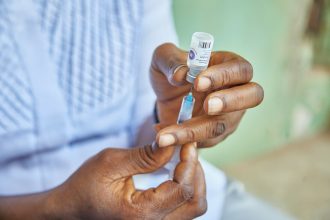
She explained to Willow Health Media that inappropriate use of antimicrobials in animals accelerates the development and spread of resistant disease-causing organisms.
“These resistant disease-causing organisms get to humans through food of animal origin, human contact with infected animals, or the resistant disease-causing organisms from animals contaminate the environment, which then other animals and humans risk getting infected,” she described the linkage.
“Any of the shared bacteria between humans and animals developing resistance in animals becomes a threat to human health. Some of these bacteria include Escherichia coli, Salmonella typhi and Staphylococcus aureus,” Lwoyero said.
She urged prudent and responsible usage of antibiotics. “We must ensure that antimicrobials are only used when needed. Animals must be tested to ascertain the cause of the disease to be treated with the best medicine to be used,” Lwoyero stated.
Farmers were discouraged from treating their own animals without expert diagnosis
Farmers were urged to apply good animal husbandry and farm biosecurity practices like using antimicrobials when prescribed by a veterinarian, following exact dosing instructions and adhering to the length of prescribed treatment even after animals seem to have recovered. She discouraged farmers from treating their own animals without expert diagnosis.

Dr Ahmadou Tidiane Niang, Country Team Leader (FAO), cited widespread use and misuse of antimicrobials in food-producing animals and plants as a weak point in the fight against AMR.
“AMR has implications for food safety, food security and the economic well-being of millions of farming households. The primary driver of AMR in food systems is the extensive use of antimicrobials in livestock and crop production, which creates selective pressure for resistant bacteria to emerge and spread,” Niang stated.
According to Niang, the increasing AMR in bacteria affecting humans and animals in recent decades is attributed to therapeutic and non-therapeutic uses of antimicrobials in animal production.
Key strategies recommended by FAO in the “One Health” approach are: promoting responsible use of antimicrobials under professional guidance, phasing out antimicrobials for growth promotion and restricting the use of those considered critically important for human medicine.
Improving farm-level hygiene and animal husbandry practices like vaccination, sanitation and better nutrition
FAO is committed to enabling good antimicrobial use practices, improving farm-level biosecurity, hygiene and animal husbandry practices like vaccination, sanitation and better nutrition to reduce the incidence of infections and thus the need for antimicrobials.

“We must enforce legislations that ban over-the-counter sales of antimicrobials and requires veterinary prescriptions. Food buyers must also demand products from supply chains with strong antimicrobial stewardship,” Niang urged.
FAO has strengthened surveillance using integrated tools like the International FAO Antimicrobial Resistance Monitoring System (InFARM), which collects data on antimicrobial use, AMR patterns and residues across the food chain. FAO also has an Assessment Tool for Laboratories and AMR Surveillance Systems (ATLASS) to assess laboratory capacities and identify gaps.
Dr Yewande Alimi, Africa CDC One Health Focal Person said they have strengthened surveillance in 32 countries, recently training 55 one health personnel in Cameroon.

“CDC published Africa AMR surveillance guide which informs routine AMR surveillance, data collection and reporting, and a treatment guide; the African Antibiotic Treatment Guidelines for common bacterial infections and syndromes,” Alimi said.
She reiterated the value of evidence-based policies, explaining that CDC reviewed implementation of National Action Plans (NAPS) and antimicrobial use policies across humans, animals and environment in three African regions between 2023 and 2025.
“Through advocacy, policy and partnerships CDC, developed the AU AMR Landmark Report launched ahead of the 2024 United Nations General Assembly, which offers comprehensive guidance and measures to curb the AMR threat,” she added, calling on countries to actualise political commitments by allocating resources.
CDC was leverages on its convening political power to champion resource mobilisation for AMR mitigation.

The four organisations called on countries to go beyond theory and paperwork by implementing their National Action Plans on AMR.
Kenya’s NAP on AMR was first launched for 2017-2022 and is in line with the One Health approach. It was updated to the current Kenya: National Action Plan on Prevention and Containment of Antimicrobial Resistance 2023-2027, focusing on governance, awareness, infection prevention and surveillance.
In Kenya, WAAW 2025 was launched in Nairobi on November 18, commencing with a three-day national convening focused on strengthening the country’s response to AMR.
Dr Loice Ombajo, Co-Founder, Centre for Epidemiological Modelling and Analysis (CEMA) at the University of Nairobi, pointed out that overuse of antibiotics in hospitals and communities was driving resistance. She stated that six out of 10 people with resistant bacterial bloodstream infections in Kenya will die, noting that CEMA, UoN Department of Clinical Medicine and Therapeutics was working with the National Antimicrobial Stewardship Interagency Committee [NASIC] to improve AMR surveillance.













No mention is made of the fact that for-profit healthcare providers (including chemists) are financially motivated to make diagnoses and prescribe unnecessary antibiotics. AMR will continue to worsen until there are strict regulations on these practices and punishments for violators by medical councils and pharmacy boards.