

At the 11th Future of Health Conference in Abuja, experts argued that Africa’s health innovations will translate into better outcomes only when supported by skilled health workers, sustainable financing, political will and community engagement.
A handheld ultrasound scanner can reveal danger in a pregnancy within minutes, but whether that warning saves a life depends on what happens next. The health worker holding the probe must understand the image, recognise the complication and make sure the woman reaches care in time.
In Bwari Area Council of the Federal Capital Territory of Nigeria, Project HOPE is building every link in that chain. Its Point of Care Ultrasound (POCUS) programme works with 10 health facilities. Five serve as ultrasound hubs and the rest refer patients to them. The target, said Dr Chidinma Anyanwu of Project HOPE, is for every woman attending antenatal care to receive at least one point-of-care scan.
The scanners were launched alongside health workers who received virtual instruction and practical sessions, followed by mentorship, and can upload scans through WhatsApp or a digital platform when they need help interpreting them.
“We started with the fundamentals,” Anyanwu said. The programme, she explained, was designed to build the skills of frontline workers rather than simply deliver machines.
The stakes explain why. Nigeria recorded an estimated maternal mortality ratio of 993 deaths per 100,000 live births in 2023, down from 1,168 in 2015, according to the World Health Organization (WHO).
Africa does not simply need more innovations; it needs the political commitment, financing, evidence and community partnerships
Progress for young children has been slower, with an estimated 856,000 dying before their fifth birthday in 2024. Most of the interventions that would prevent these deaths are known. The difficulty lies in delivering them at the right time, in the right place, with skilled personnel able to act.
“For us, impact is one step at a time. If we can build the capacity of the healthcare workforce … we obviously will win,” Anyanwu said.
That distance between what science can achieve and what patients can reach framed the 11th Future of Health Conference, held in Abuja on 29 October under the theme “From Innovation to Impact: The Future of Health is Now”.
Convened by Nigeria Health Watch, the gathering brought together policymakers, health professionals, researchers, innovators and development partners. Their conclusion was consistent. Africa does not simply need more innovations; it needs the political commitment, financing, evidence and community partnerships to carry effective solutions beyond pilot projects and into the health systems people depend on.
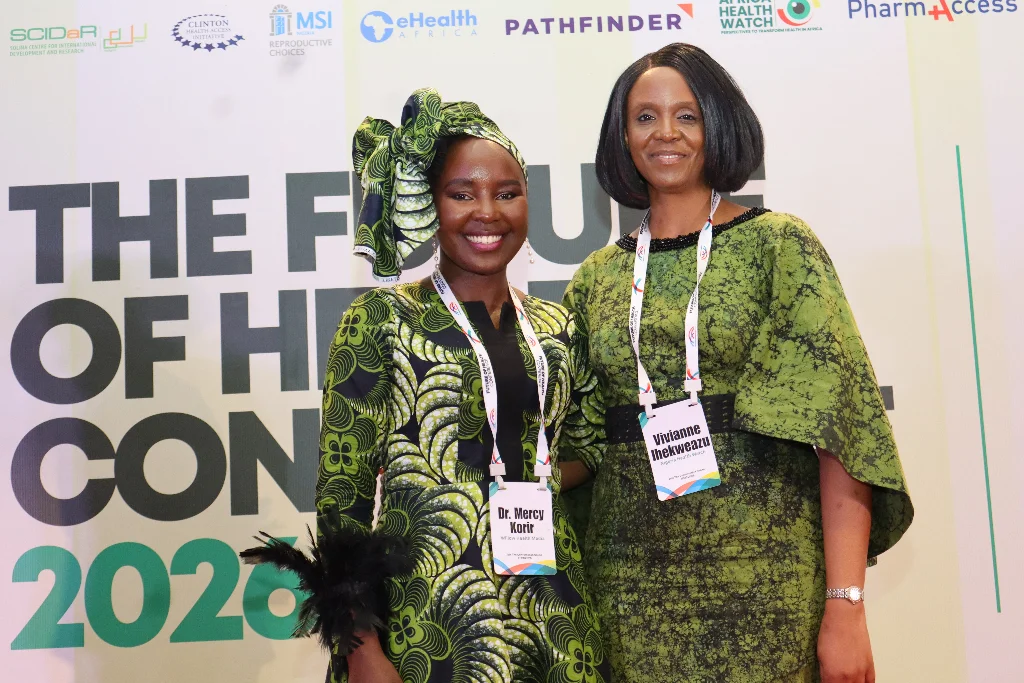
Vivianne Ihekweazu, Managing Director of Nigeria Health Watch, said the conference aimed to push participants past the excitement of new technologies towards a harder question of whether they reach people, improve access to care and deliver measurable results.
“An innovation is only as valuable as the lives it changes,” she said. “In Africa, we have no shortage of ideas, research and solutions. What we need now is the commitment to take what works beyond pilot projects, invest in it sustainably and integrate it into health systems.”
For many Nigerian households, the search for treatment begins with a calculation of how much money can be raised before care is sought. Out-of-pocket payments accounted for about 72 per cent of Nigeria’s current health expenditure in 2023, so medicines and consultations compete directly with food, rent and education. An innovation may work perfectly and still fail patients who cannot afford it.
Health insurance must guarantee access to essential care without pushing families into financial hardship
Dr Kelechi Ohiri, Director General of the National Health Insurance Authority (NHIA), said financing reforms must deliver more than rising enrolment figures. “Health insurance must go beyond enrolment. It must guarantee access to essential care without pushing families into financial hardship,” he said.
Enrolment across Nigeria’s federal, state and private schemes reached 23.06 million people by the second quarter of 2026, according to the NHIA. Against a population estimated at between 218 million and 250 million, that figure shows how far the country must still travel.
“We are strengthening evidence-based purchasing and healthcare financing to ensure public resources deliver quality services, particularly for the most vulnerable,” Ohiri said.
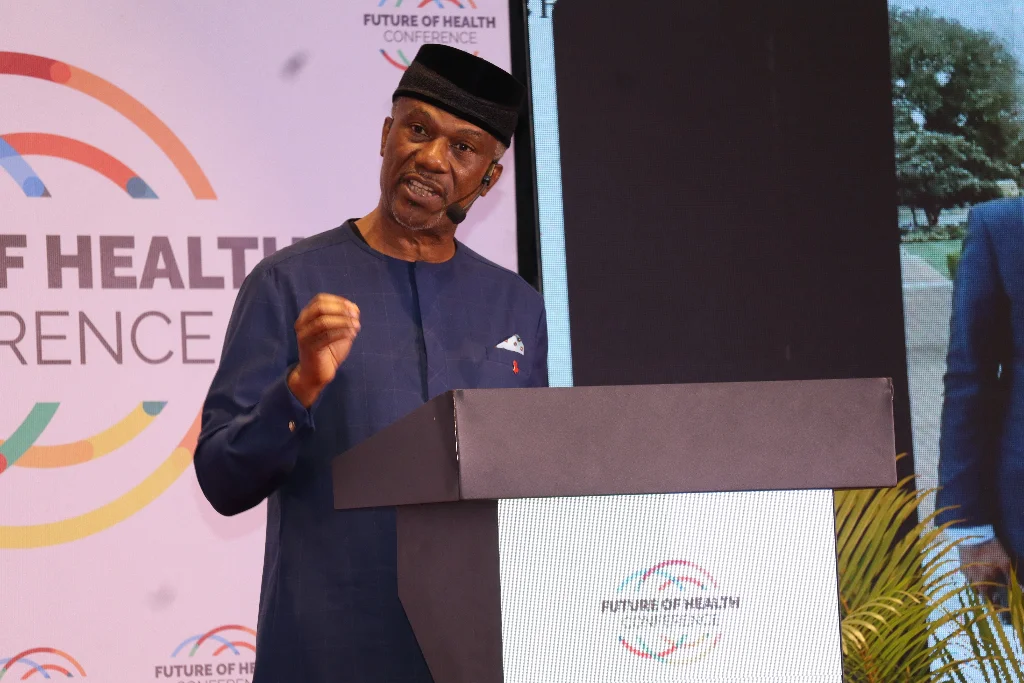
Dr Erasmus Morah, Senior Adviser to the Director-General of the Africa Centres for Disease Control and Prevention (Africa CDC) on global HIV, strategic partnerships and health security, argued that breakthroughs alone cannot transform public health.
“Innovation by itself will not move the needle. We need science, we need politics, and we need the community in between,” he said.
He cited Nigeria’s HIV response. Treatment coverage stood at an estimated 33 per cent in 2017. A national survey then revised the estimated number of people living with HIV from about 3.2 million to approximately 1.8 million, helping authorities reassess the scale of the response and locate gaps. Reported coverage has since risen to between 85 and 86 per cent, according to figures discussed at the conference.
The lesson, Morah said, lies in questioning assumptions, using reliable data and changing course when interventions fail to reach enough people. “Science without politics is powerless. Politics without science is dangerous,” he said.
Over 11 years, the DRASA Heath Trust has reached communities in 32 Nigerian states and built a network of nearly 100,000 health champions
Researchers can identify a problem and propose a solution, but governments must supply the policies, budgets and institutions that allow it to work.
Malaria research shows why. Drug resistance threatens existing treatments, and a medicine that works in one part of Nigeria may perform differently elsewhere if parasite populations differ genetically.
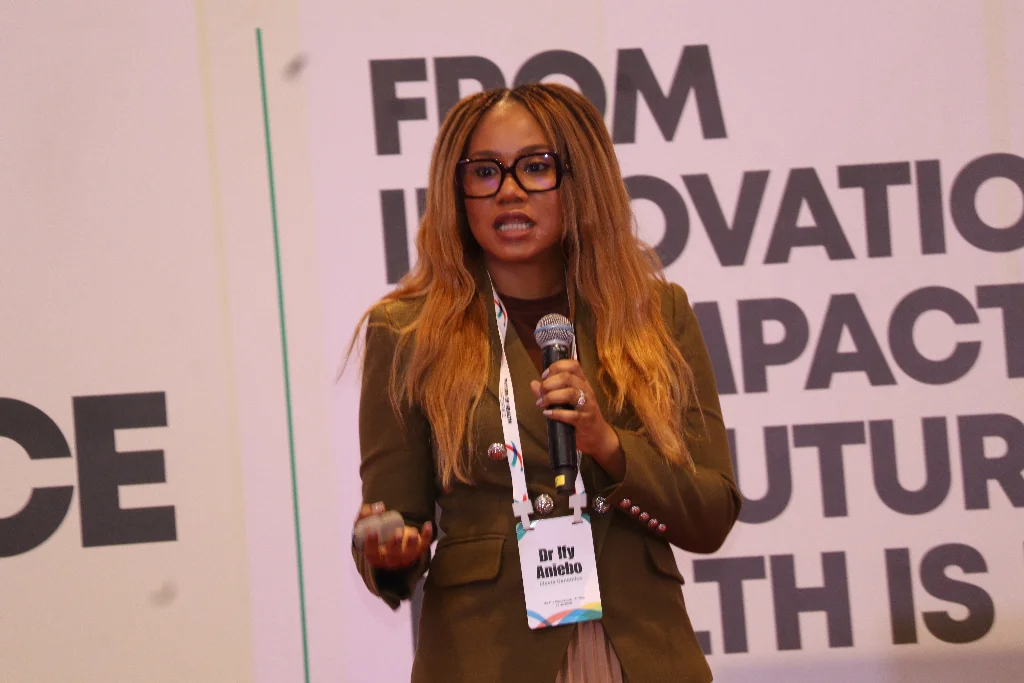
Dr Ifeyinwa Aniebo Rhodes-Vivour, founder of AfroScientric and an Associate Professor of Molecular Biology and Genomics at the Institute of Genomics and Global Health, said genomic research could identify these differences and give policymakers evidence for targeted interventions.
Her team has collected about 32,000 malaria parasite samples and cut sequencing costs from approximately $150 (Ksh19,500) to between $20 and $24 (Ksh2,600 to Ksh3,100) per sample. “This makes it easier to generate local evidence and track drug-resistance patterns,” she said.
The team has also built a dashboard and an AI-powered WhatsApp tool to help policymakers track resistance. Their impact will depend on whether the findings shape malaria control programmes.
Morah’s “community in between” has a working model in the Dr Ameyo Stella Adadevoh (DRASA) Health Trust. Over 11 years, the trust has reached communities in 32 Nigerian states and built a network of nearly 100,000 health champions drawn from schools, communities and health facilities.
“We have seen the power of working with people to fill gaps that the formal system cannot,” said Niniola Williams, its Managing Director.
Artificial intelligence could help predict health risks and inform patient care
The champions help prevent infections, identify diseases early, and report emerging threats to support government responses. “We’re not just creating a parallel structure. We are embedding people who are otherwise ignored or sidelined from solutions into the solution,” Williams said.
Speed is the measure of that work. The conference examined the 7-1-7 framework, which sets targets of seven days to detect an outbreak, one day to notify authorities, and seven days to complete early response actions.
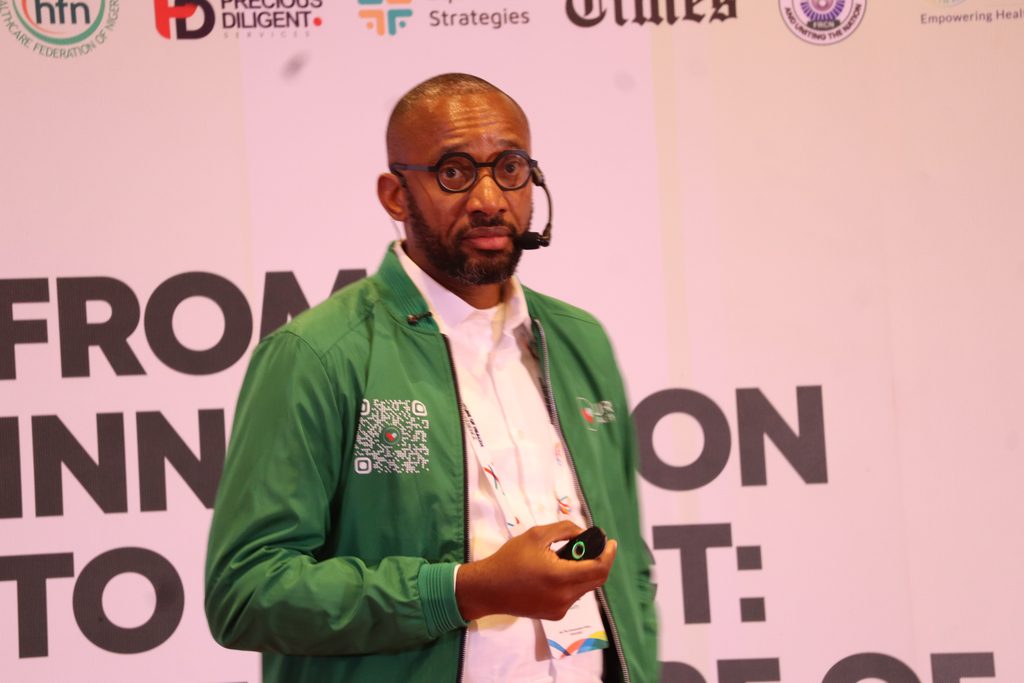
Ikechukwu Anoke, Co-Founder and Chief Executive Officer of Zuri Health, said his company aims to deliver services through mobile phones at about N1,000 (Ksh95). “It is about putting a hospital in the palm of your hand,” he said.
Anoke argued that people die from treatable conditions simply because they are diagnosed too late. Through outreach programmes and medical camps, Zuri Health has screened hundreds of thousands of people in underserved communities and connected those needing further care to doctors and other services.
Artificial intelligence could help predict health risks and inform patient care, he said, but digital access must be matched by functional facilities, medicines, laboratories, trained professionals and effective referral systems. “Technology must strengthen, not replace, healthcare delivery,” he said.
Dr Abasi Ene-Obong, founder and Chief Executive Officer of Syndicate Bio, which pioneers precision medicine initiatives across Africa, took the access argument to the medicines themselves.
Without reliable data, pharmaceutical companies struggle to forecast demand, understand disease patterns and invest
Poor health data, limited pharmaceutical manufacturing and weak investment in drug development, he said, are holding the industry back.
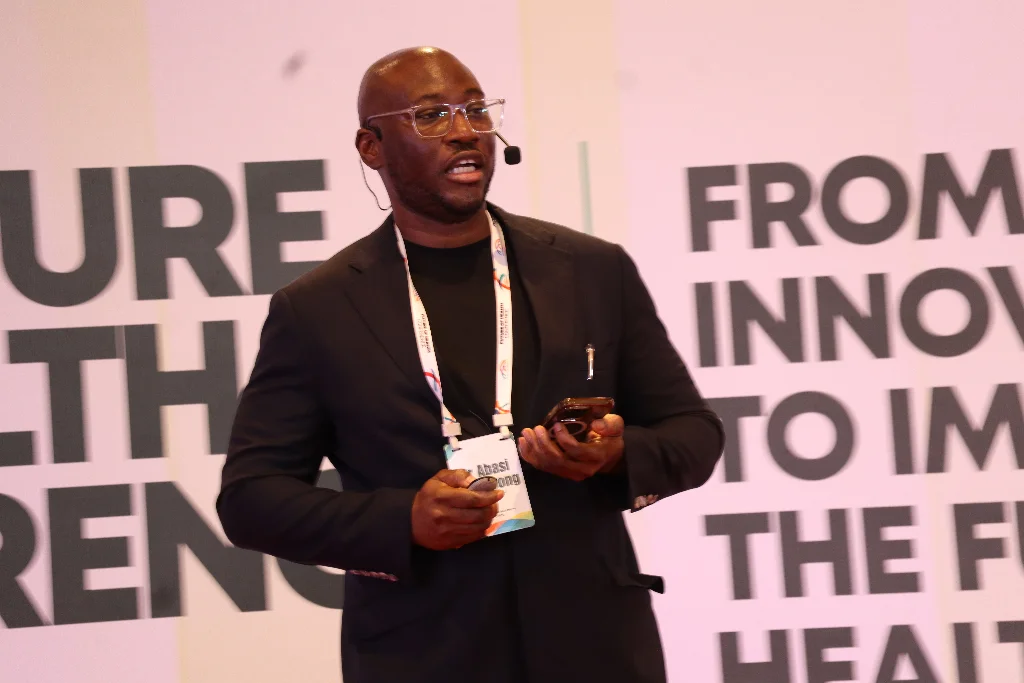
“Nigeria, a population that amounts to 2.8 per cent of the world, today accounts for only 0.1 per cent of its medicine spend,” he said.
Without reliable data, he argued, pharmaceutical companies struggle to forecast demand, understand disease patterns and invest. He called for greater African participation in clinical trials, drug discovery and development.
“Africans have to be able to start generating new medicines themselves,” Ene-Obong said, citing sickle cell and cardiovascular disease. Local biomanufacturing of vaccines and other advanced medicines, he added, could lower costs, improve access and help Africa take “more control of our healthcare future”.
The speakers described a common set of conditions. A scanner saves lives when the health worker using it is trained and mentored. Insurance protects families when enrolment buys affordable, quality care. Genomic data changes outcomes when policymakers act on it. Community champions extend a health system’s reach when they are embedded within it, and digital tools add value when facilities, medicines and referral systems stand behind them.
Ohiri argued that this shift is already underway. “The future of health is not a distant vision. Through strategic purchasing, rigorous evidence, and commitment to equity, the future of health is happening right now,” he said.
He also set out how it should be judged. The true test, he told the conference, is whether a pregnant woman facing emergency complications in a rural community can “enter an accredited health facility, receive immediate emergency care, and return home with a healthy newborn without facing financial devastation”.
Africa’s health innovation agenda
| Nigeria’s out-of-pocket health expenditure (2023) | 72% |
| Nigerians covered by health insurance | 23.2 million |
| Nigeria’s estimated population | 218–250 million |
| Maternal mortality ratio (2023) | 993 deaths per 100,000 live births (WHO) |
| Children under five who died in 2024 | 856,000 |
| Maternal mortality ratio (2015) | 1,168 per 100,000 live births |
| Malaria parasite samples collected by Clusta Genomics | 32,000 |
| Cost of malaria parasite sequencing reduced from | $150 to $20–$24 |
| Zuri Health’s targeted service cost | About N1,000 |
| DRASA’s community health champions | Nearly 100,000 |
| Nigerian states reached by DRASA | 32 |
| HIV treatment coverage discussed at the conference | 85–86% |
Source: WHO, National Health Insurance Authority (NHIA) – Nigeria, DRASA, Clusta Genomics
We believe in the free flow of information
Republish our articles for free, online or in print, under Creative Commons licence.