

Warning signs differ from woman to woman, so knowing your own body comes first. A free app is helping women track changes and act early.
Breast cancer is curable, especially when found early. Yet about seven in 10 Kenyan women with the disease are diagnosed at a late stage, according to Kenya’s Ministry of Health, when the chances of successful treatment and survival are lower.
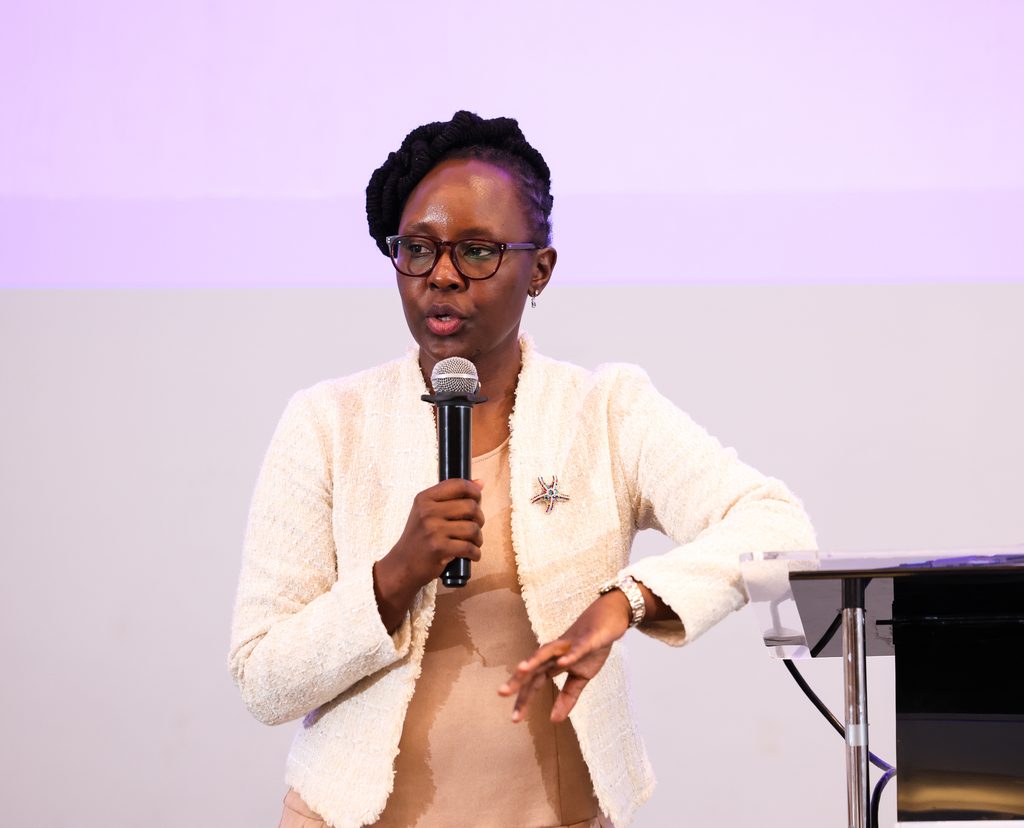
Closing that gap is the goal of Dr Mercy Korir, CEO and Editor-in-Chief of Willow Health Media and ambassador for DearYou, a free mobile app that teaches women to know what is normal for their bodies, recognise warning signs and see a doctor promptly.
Breast cancer is the leading cancer among women in Kenya, accounting for about one in four cancer cases, followed by cervical, colorectal, oesophageal and ovarian cancers.
Globally, the World Health Organization (WHO) estimates that 2.4 million women were diagnosed with breast cancer in 2024, and 694,000 died.
A 2026 systematic review drawing on GLOBOCAN data found that nearly two-thirds of patients in sub-Saharan Africa are diagnosed at a late stage. Kenya’s figure is higher still.
Signs to watch for include a lump or knot in the breast or near the underarm; swelling, redness, dimpling or puckering of the skin; a change in the size or shape of a breast; a nipple that looks different or has turned inward; discharge that is not breast milk; and pain that does not go away.
Women were once taught a formal breast self-examination as part of screening, to detect changes early
Dr Korir stresses that these signs differ from one woman to another. A change that looks minor on one person may be the only clue she gets. That is why, she says, the starting point is knowing what is normal for your own body.
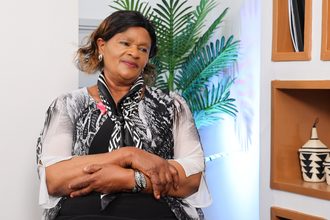
Women were once taught a formal breast self-examination as part of screening, to detect changes early. Medical guidance has since moved to breast self-awareness: looking at and feeling your breasts regularly so that anything unusual stands out.
Dr Korir is clear that this does not replace a clinical breast examination, which should happen once a year. She recommends checking three to five days after a period ends, when the breasts are least tender and swollen.
In front of a mirror, stand with your shoulders straight and hands on your hips, and look for an even shape, size, and colour. Raise your arms overhead and look again.
DearYou App guides women with a demonstration video and a section on warning signs
Then use the flat pads of your three middle fingers to feel the whole breast, up to the armpit, using the left hand for the right breast and the right hand for the left. Check each nipple for discharge.
Repeat lying down, which spreads the tissue evenly, and once more in the shower, where soap helps your fingers glide. Anyone who notices a change should see a doctor promptly rather than wait for the next check.

DearYou, developed by The DEAR Foundation Switzerland, a non-profit organisation, guides women through these steps with a demonstration video and a section on warning signs. Women can log the result of each monthly check, track their cycle to choose the right days, and keep notes on their emotional wellbeing. The foundation says the app is built on the Health Belief Model and uses artificial intelligence (AI) to give step-by-step guidance and health tips.
The app aims to reach women, whatever their language, literacy level, or location. It follows DearMamma, an earlier app from the foundation, started by its president, Sonja Dinner, after she saw how stigma and misinformation about breast cancer affected underserved communities.
Dr Korir’s advice is simple: build the check into your routine, and see a doctor whenever something changes.
We believe in the free flow of information
Republish our articles for free, online or in print, under Creative Commons licence.