

In 2015, West Africa faced the largest Ebola outbreak in recorded history. The virus swept through Guinea, Liberia and Sierra Leone, infecting more than 28,600 people and killing 11,325 others. Health systems collapsed and communities were gripped by fear, as healthcare workers watched, helpless.
The warning came before the team boarded the plane. If they died from Ebola, there would be no journey back home. Their bodies would not be returned for burial. No funeral. No final farewell.
For Terry Wairimu, a psychotherapist preparing to leave Kenya for Liberia in January 2015, the message was stark and final.
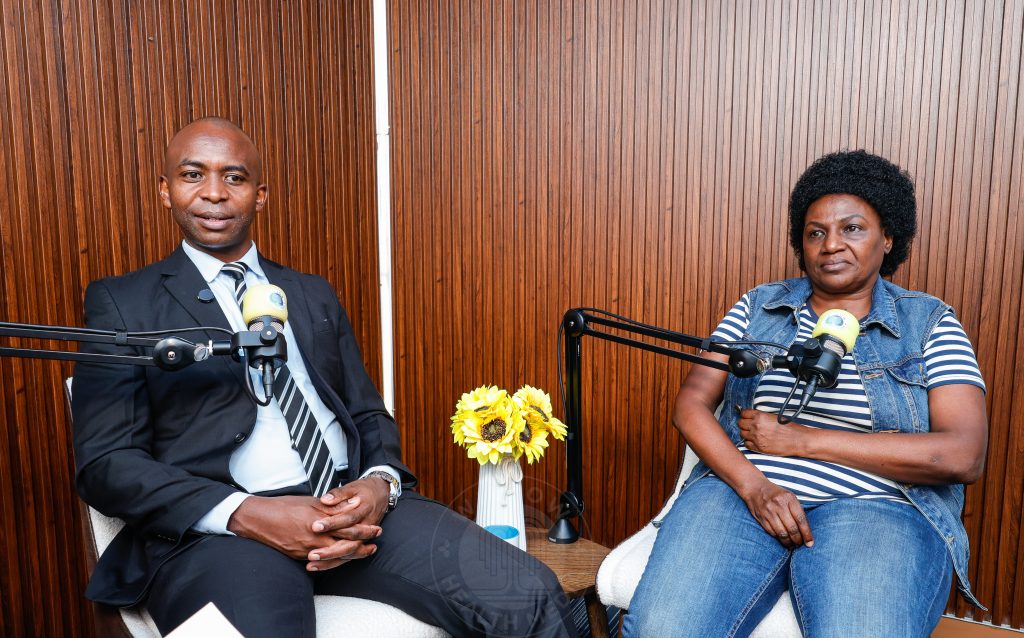
“I was told if I got infected, there would be no bringing my body back home. That was where I would meet the kerosene and the matchbox,” she recalls, meaning her body would be burnt where it fell, in a foreign land, unreturned to her family.
Across the room sat Peterson Wachira, now Chairman of the Kenya Union of Clinical Officers (KUCO), equally determined and equally aware of the risk. His father had already begged him to stay.
“I remember my dad calling me and saying, ‘Please don’t go,’” Wachira says. He went anyway. At the time, West Africa was battling the largest Ebola outbreak in recorded history. The virus had swept through Guinea, Liberia and Sierra Leone, infecting more than 28,600 people and killing 11,325, according to the World Health Organization. Health systems had collapsed; communities were gripped by terror, and healthcare workers were dying.
On January 9, 2015, Wairimu, Wachira and 168 other Kenyan healthcare workers flew to West Africa as part of the African Union Support to Ebola Outbreak in West Africa (ASEOWA) mission. More than a decade later, their memories remain vivid.
Wairimu quickly discovered that Ebola was not only a medical crisis; it was a crisis of fear, grief and profound social rupture
When Wachira’s plane landed in Sierra Leone, the airport was almost empty. The Kenya Airways crew who had delivered them emerged from the aircraft with a farewell that felt more like a prayer. “God willing, we will come back for all of you,” they told the volunteers, before turning back.
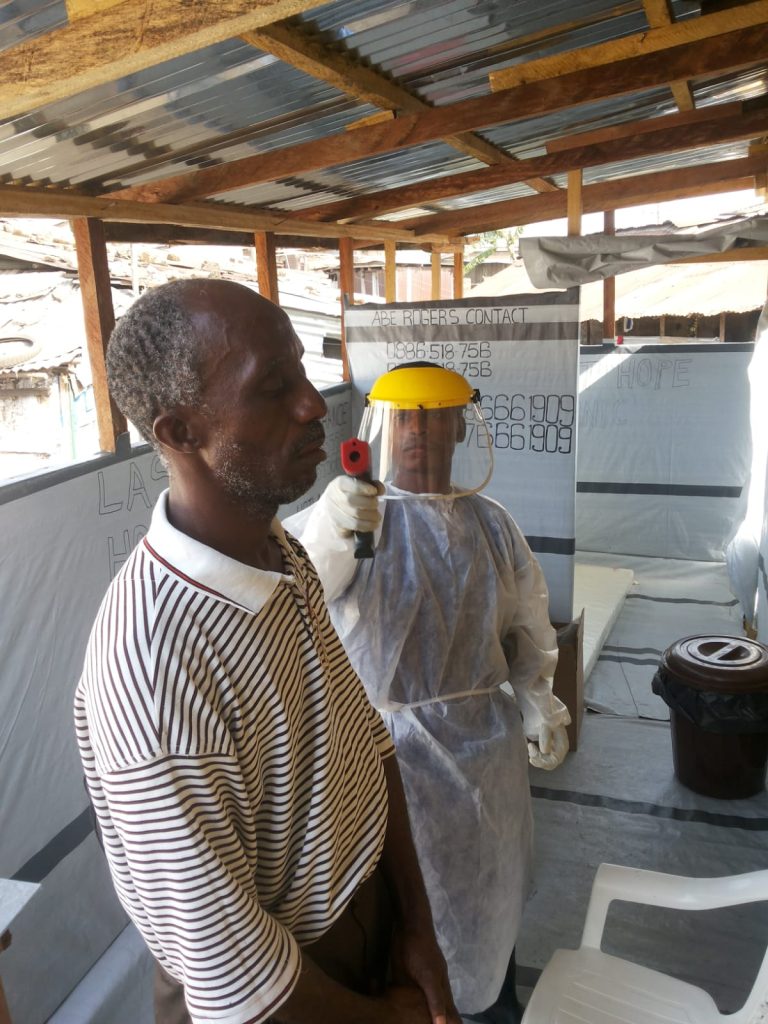
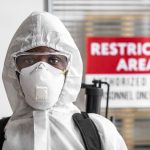
“There was a smell of chlorine everywhere and the people receiving us were in full Personal Protective Equipment,” Wachira recalls. “That is when reality dawned on us.” Outside, Sierra Leone looked frozen. Markets stood largely empty as the military enforced quarantine. Movement was severely restricted. “It looked like a militarised state,” he says.
In Liberia, Wairimu encountered the same eerie stillness. Deployed to Montserrado County as a humanitarian affairs officer specialising in psychosocial support, she quickly discovered that Ebola was not only a medical crisis; it was a crisis of fear, grief and profound social rupture.
Many people in affected communities refused to believe Ebola was real. Others were convinced it had been manufactured by outsiders.
“The attitude was that white people brought Ebola to make money,” Wairimu says. Mistrust ran deep, and it cost lives.
Stigma compounded the tragedy at every turn. Families who lost relatives to the virus found themselves shunned by neighbours, abandoned mid-grief. One case stays with Wairimu to date: a man who had nursed his sister through her final days, only to find himself completely isolated after her death. “He was dealing with the loss of his sister while the community did not want to come near him,” she says. There was no one to mourn with him.
For grieving families, the instruction not touch the bodies of their loved ones who had died cut against every instinct of grief
The virus also exploited the deepest expressions of love and loyalty. Traditional burial practices like washing the body, gathering to mourn, and performing final rites with physical closeness became among the most dangerous moments in the outbreak. Ebola remains highly contagious even after death, and the bodily fluids of the deceased carry a lethal viral load.
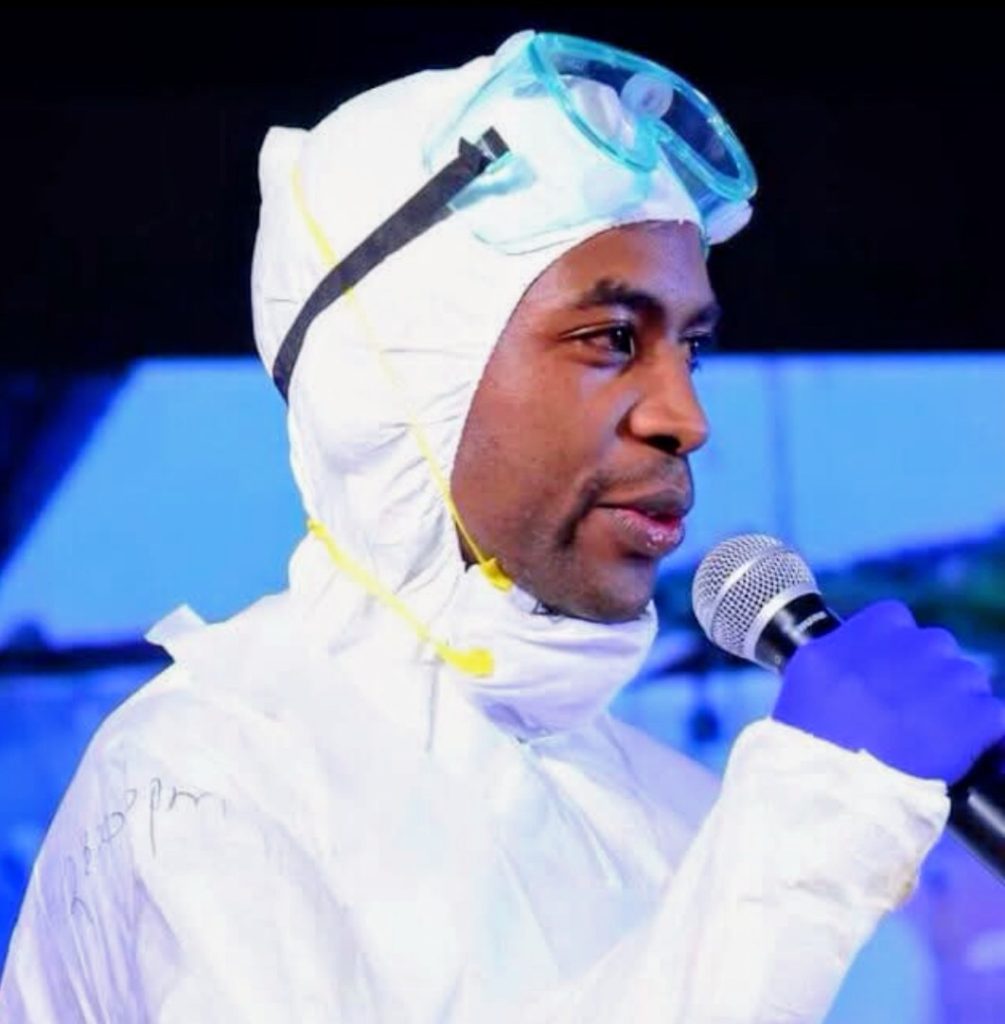
“We had to explain that if someone dies, they should not touch the body and should immediately notify health authorities,” Wairimu says. For grieving families, that instruction cut against every instinct of grief.
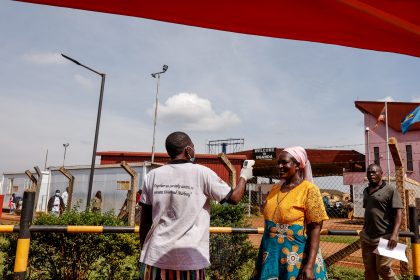
Wairimu and her team left the hospitals and went directly into affected communities, travelling into villages and neighbourhoods to work alongside community health and social workers. They could not wear full PPE while talking to residents as it would have made them unapproachable, so they relied on distancing, face masks and hand hygiene. Community meetings were held in wide circles, with spacing between participants. “We never shook hands. We never hugged. We carried sanitizer everywhere,” she says.
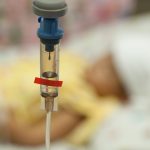
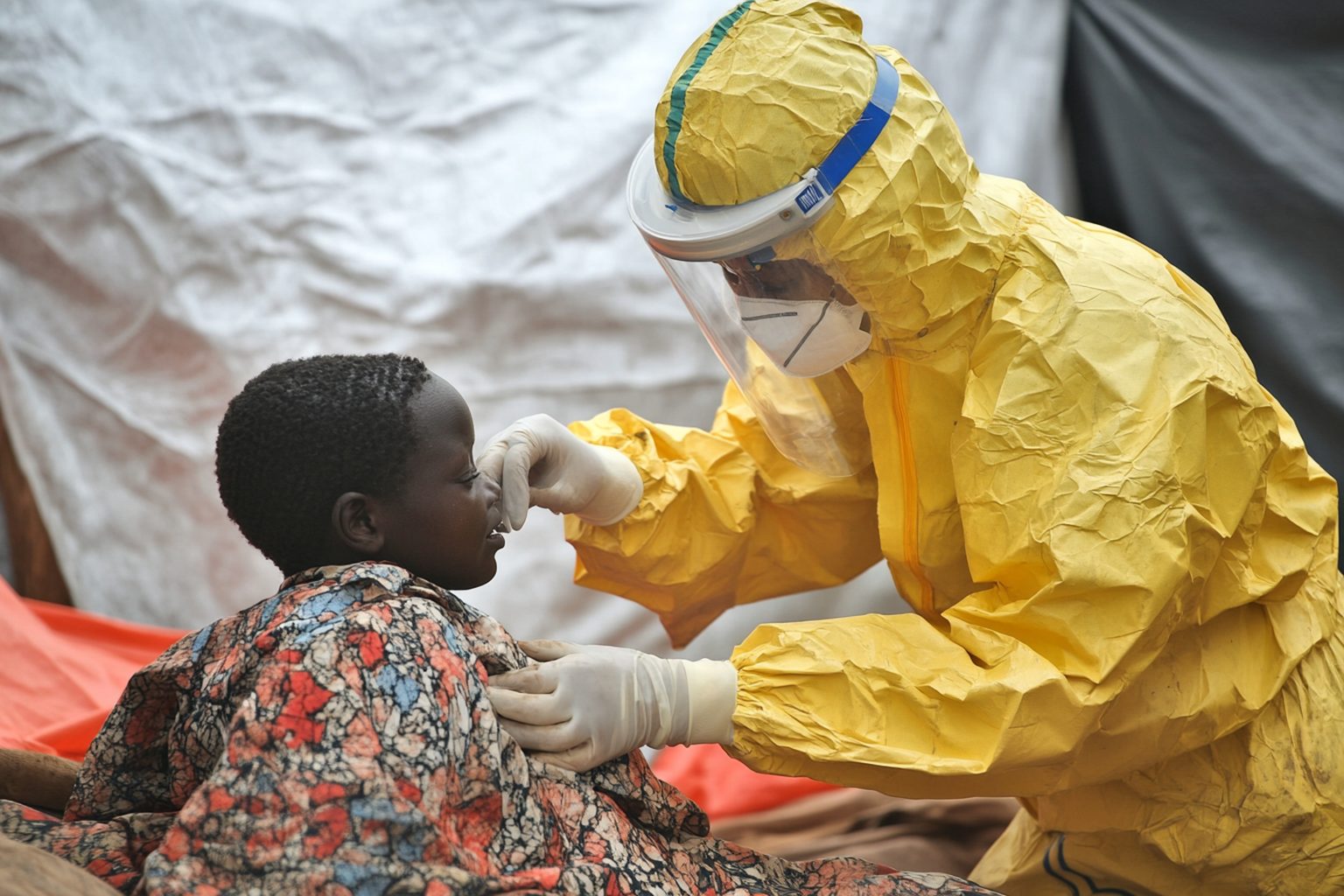
While Wairimu worked the communities, Wachira rotated across various components of the response in Sierra Leone including surveillance, contact tracing and, most critically, the Ebola Treatment Units. These isolation centres became the epicentre of the battle, where patients were admitted, tested and monitored, with confirmed cases held for treatment in strictly controlled conditions.
Inside the units, every movement followed a rigid protocol. No one entered alone. Workers operated under a “buddy system”, checking on each other continuously. Before entering the high-risk zone, they dressed each other in full protective gear: boots, overalls, gloves, masks, face shields and hoods, every layer verified multiple times. A single oversight could be fatal. Inside, temperatures routinely exceeded 40 degrees Celsius under the sealed equipment.
“There is nothing as difficult as seeing someone come into the treatment centre and then seeing their body being carried away a few days later”
“Sometimes when you removed your gumboots, there would be almost a litre of sweat inside,” Wachira says. Heat exhaustion was a constant threat. Workers watched each other for dizziness, dehydration, and any sign of faltering.
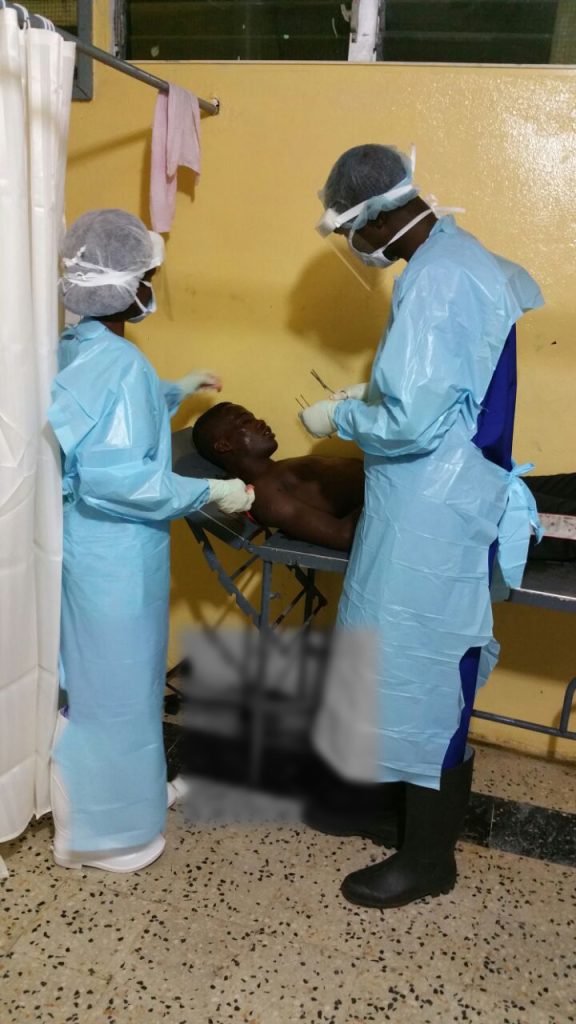
“If your buddy looked unwell, you immediately exited,” he explains. Workers spent at most four hours in the infectious zone before resting. “We could not afford fatigue because fatigue leads to mistakes.” And mistakes, around Ebola, could mean death.
The emotional weight was equally punishing. Every day, workers watched people arrive hoping to survive, and sometimes carried their bodies out days later.
“There is nothing as difficult as seeing someone come into the treatment centre and then seeing their body being carried away a few days later,” Wachira says. Mental health support was minimal. Many teams had no dedicated counsellors. Workers debriefed each other informally, sitting in circles after shifts, trying to process what they had witnessed.
Wairimu offered informal support to colleagues struggling psychologically. She journalled, exercised and worked hard to maintain boundaries between her professional exposure and her inner life.
“We had to avoid carrying every patient’s story with us,” she says. The experience left both of them convinced that mental health support must become a standard, not an afterthought, in any future outbreak response.
The epidemic did not only kill those it infected. Its reach extended into every corner of the health system, hitting some of the most vulnerable with particular cruelty.
Maternal health collapsed. When a doctor died after performing a Caesarean section on a patient who turned out to be Ebola-positive, the shock rippled through what remained of the health system. Surgical services virtually stopped. Women experiencing obstetric emergencies suddenly had nowhere to turn. “You can imagine needing a Caesarean section and nobody is willing to perform it,” Wachira says. Maternal and newborn deaths rose.
Wairimu’s team supported pregnant women through the fear, providing counselling on antenatal care, nutrition, family planning and infection prevention
The turning point came when a Kenyan Dr Lenny Kamau, who was at the time a physician, performed one of the first post-crisis Caesarean sections. Wachira recalls how the surgery was celebrated as a symbol of restoration.
“It meant healthcare services were coming back.” Wairimu’s team supported pregnant women through the fear, providing counselling on antenatal care, nutrition, family planning and infection prevention. “We encouraged women to continue seeking care at health facilities and not to panic,” she says.
Against all odds, not a single member of the Kenyan contingent contracted Ebola. For Wairimu and Wachira, this was not luck. It was proof.
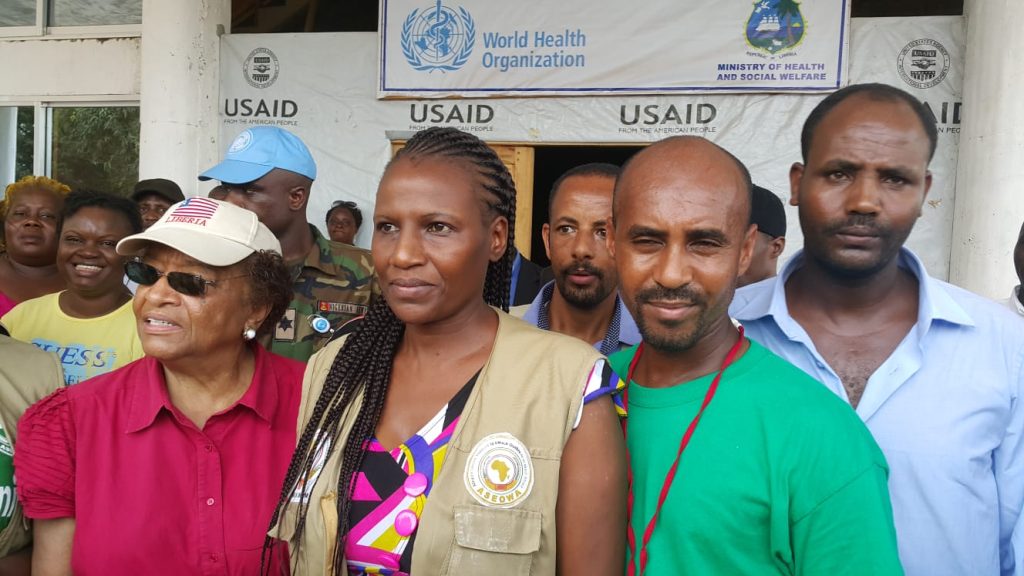
“I went there as an Ebola warrior,” Wairimu says. “I decided from the beginning that I was not going to get infected.” That resolve was backed by discipline: healthy eating, physical exercise and an unwavering mental commitment to the protocols. Wachira echoes her: “We trusted the science. And it worked.”
Upon leaving treatment areas, workers were decontaminated with chlorine spray before removing their protective gear. Every step was observed, every layer removed in the correct sequence. The science of Ebola transmission, through contact with infected bodily fluids, not air, was their armour. Understanding it, and trusting it, kept them alive.
When the mission finally ended and the Kenyan team boarded their flight home, the relief was profound. They had walked into the heart of the world’s deadliest outbreak and walked back out alive. They returned carrying something their families could not fully comprehend: the weight of what they had seen, and the knowledge of what it took to stop it.
More than a decade on, both Wairimu and Wachira are less afraid of Ebola itself than they are of Kenya’s unpreparedness for it, and their warnings urgent. With the Ebola Bundibugyo species currently continuing to surface in parts of the Democratic Republic of Congo and Uganda, both believe Kenya is running out of time to prepare. Their concern is grounded in geography. Uganda has experienced outbreaks in recent years; Eastern Congo continues to report cases, and Kenya shares borders, trade routes and flights with both.
Wachira argues that preparedness must begin with honest surveillance. “We cannot stop an epidemic at the border,” he says. Someone infected during the incubation period can enter the country without symptoms and travel freely for days before becoming visibly ill. The real challenge is detection in the community, and that requires a public that knows what to look for.
Wairimu identifies misinformation as Kenya’s sharpest vulnerability. “We need to educate people now, before we have a case,” she says. Communities must understand how Ebola spreads, how it is prevented and why isolation facilities exist. Proactive public education, not reactive panic, is what saved lives in West Africa.
Communities left ignorant or deceived will resist and protest, and in doing so, enable a virus to spread
She also advocates for properly equipped isolation centres in every county: facilities that would serve not only during Ebola outbreaks but during any high-consequence infectious disease event. “Every county should have a place where patients can be safely isolated during outbreaks,” she says. These are not just Ebola facilities. They are infrastructure for resilience.
Wachira adds a political dimension. Disease outbreaks, he warns, must never be allowed to become political tools. Well-informed communities, he argues, will accept a quarantine facility in their area. Communities left ignorant or deceived will resist and protest, and in doing so, enable a virus to spread. “If the people are very well informed, they will have no problem with a quarantine and isolation facility,” he says.
Both call for healthcare workers to receive dedicated mental health support as a guaranteed component of any future deployment. They know first-hand that the psychological burden of outbreak response is as real as the physical risk, and that without structured support, that burden falls entirely on the individuals who can least afford to carry it alone.
The lesson of West Africa, distilled across a decade of reflection, is simple: viruses do not wait for governments to be ready. They do not respect political affiliations, ethnic identities or national borders. They thrive where fear has replaced facts, and spread fastest in communities left uninformed.
Terry Wairimu and Peterson Wachira still carry the memories of chlorine-soaked treatment centres, empty airports and families torn apart by grief they were not allowed to share. They returned home. Not everyone did. Their message to Kenya is the same message the science delivered to West Africa in 2015: prepare early, trust the evidence, protect healthcare workers, and never wait for the first case before taking action.
We believe in the free flow of information
Republish our articles for free, online or in print, under Creative Commons licence.