


There is no cure for Ebola, but early treatment can save lives. Here’s what happens during recovery and why survivors must continue taking precautions.
Ebola is one of the world’s deadliest infectious diseases, but early medical care can significantly improve a patient’s chances of survival.
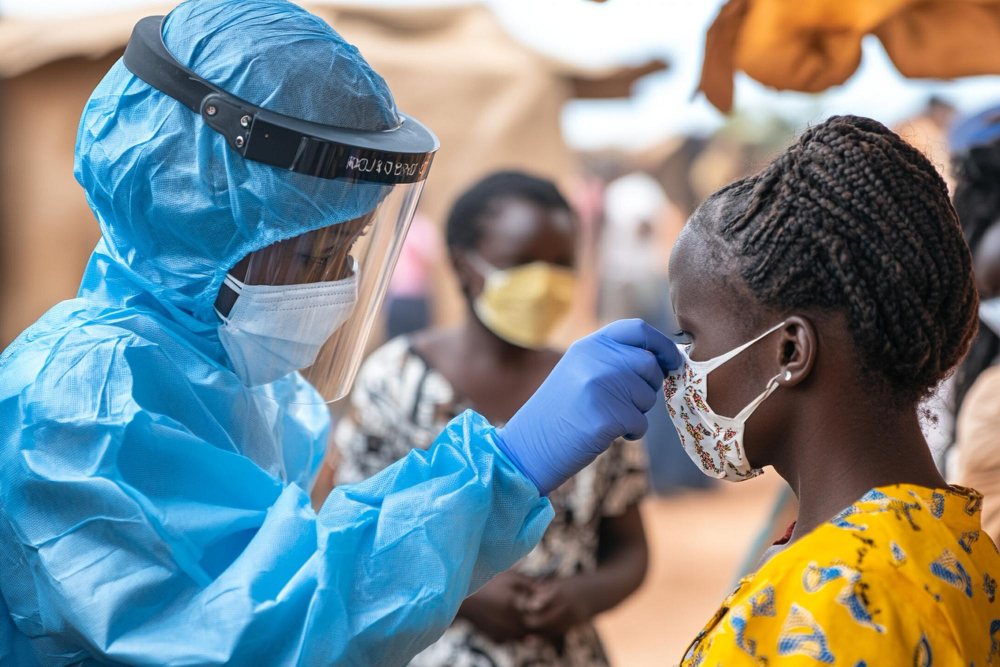
There is currently no medicine that directly cures Ebola. Instead, treatment focuses on supportive care to help the body fight the infection. Patients are given intravenous (IV) fluids to prevent dehydration, oxygen to support breathing, and medication to maintain blood pressure and treat other infections that may occur alongside Ebola. Patients are also isolated to prevent the virus from spreading to others.
Health experts say early detection, diagnosis, and prompt treatment are critical. The sooner a patient receives medical attention, the better their chances of recovery.
Recovery, however, does not always mean the virus has completely left the body. In some survivors, Ebola can remain in certain body fluids for weeks or months after recovery.
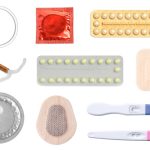
The virus may remain in breast milk for up to two weeks, meaning mothers are advised not to breastfeed until it is safe to do so. In men, Ebola can persist in semen for up to three months, and health authorities recommend abstinence or condom use during this period.
Survivors develop antibodies that may protect them against the same Ebola species for up to 10 years or longer. However, scientists are still studying whether this protection extends to other Ebola species. As a result, survivors are encouraged to continue following public health guidance to protect themselves and those around them.
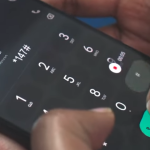
The Kenyan Ministry of Health advises anyone who suspects they have been exposed to Ebola, or who develops symptoms, to seek care at the nearest health facility or dial *719# for more information.
Follow our in-depth coverage on the Ebola outbreak here.
We believe in the free flow of information
Republish our articles for free, online or in print, under Creative Commons licence.