

The SMS verification system is blocking treatment. Designed to stop fraud, it now denies care to those in rural areas with poor mobile networks and to elderly patients without phones.
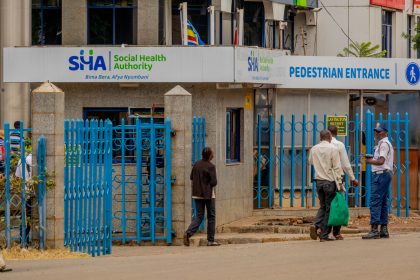
The headlines of early 2026 have cast a long, dark shadow over Kenya’s ambitious healthcare reforms. A comprehensive Ministry of Health (MoH) audit recently sent shockwaves through the nation with a staggering revelation: The Social Health Authority (SHA) blocked Sh11 billion in fraudulent claims between October 2024 and April 2025. For a nation that transitioned from the National Hospital Insurance Fund (NHIF) to the SHA under the promise of Universal Health Coverage (UHC), this Ksh1.8 billion-per-month leakage is more than a fiscal failure-it is a threat to the stability of the entire medical ecosystem. However, beneath the sensational headlines lies a complex conflict between rigid digital oversight and the unpredictable reality of clinical medicine.
The government’s narrative is clear: the private sector is the primary culprit. According to Ministry of Health reports, private hospitals allegedly submitted a ‘bulk of fake claims,’ siphoning funds meant for the country’s most vulnerable citizens.
Health Cabinet Secretary Aden Duale has been vocal about ‘phantom billing’ instances, where healthcare providers allegedly bill for high-cost medications and specialised procedures that were never actually administered.
The audit highlights several primary modes of alleged siphoning:
Upcoding: Deliberately billing for a more complex and expensive procedure than what was actually performed.
Split Billing: Artificially breaking a single treatment episode into multiple smaller claims to bypass automated “red flag” thresholds.
Outpatient-to-Inpatient Conversion: Admitting patients for minor ailments that should have been treated as outpatients to claim higher reimbursements.
Ghost Patients: Submitting claims for individuals who were never admitted or even registering healthcare workers as “patients” to log false claims.
Falsification of Records: Submitting altered medical information to inflate claims or satisfy billing requirements for procedures never performed.
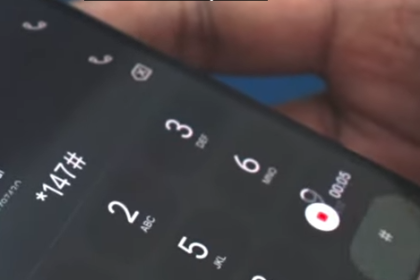
To stop the bleed, the SHA implemented a Digital SMS Verification System, requiring patients to authenticate services via a One-Time Password (OTP) in real-time. While the government hails this as a success, practitioners argue that a system that ‘rejects’ Sh11 billion isn’t necessarily catching thieves-it might just be failing to understand the complexities of human biology and medical necessity.

Many clinicians argue that what the government’s algorithm flags as “fraud” is often the necessary redundancy of life-saving care. Consider a pediatric case of septicemia. International clinical guidelines mandate frequent monitoring, often daily Kidney Function Tests (KFT), or Complete Blood Counts (CBC) to titrate medication and monitor potential organ failure.
For an SHA auditor, seeing six KFTs billed for a single child in one week looks like “over-billing.” For the paediatrician, those tests are the only way to ensure a toddler doesn’t go into irreversible shock. In cases of Diabetic Ketoacidosis (DKA) or severe infection, patients require hourly blood glucose monitoring and frequent electrolyte panels. When these life-saving repetitions hit the SHA’s automated billing filters, they are often flagged as “duplicate” or “fraudulent” claims, leading to non-payment and accusations of looting.
The “anti-fraud” measures have created a liquidity crisis, pushing hospitals toward collapse. Monica Nyokabi, a clinic owner in Mombasa, is a face of this digital freeze. By early 2026, her facility was owed Sh4.2 million in “verified” but unpaid claims dating back to July 2025.
“I had to close my lab and pharmacy,” Nyokabi explains. “I can still offer consultations, but I have to tell patients to go buy their medicine elsewhere because I cannot restock. My suppliers stopped giving me credit months ago.”
The SMS verification system itself has become a bottleneck. In rural areas, where network connectivity is spotty, and many elderly patients do not own phones, the digital gatekeeping meant to prevent fraud is instead preventing treatment. Reports of April 2025 from the Rural and Urban Private Hospital Association of Kenya (RUPHA) indicate that in some regions, up to 59 per cent of patients struggle with the OTP system, leading to delayed discharges and frustrated care.
A dangerous byproduct of this fraud narrative is the potential collapse of the “healthcare food chain.” Kenya’s public health sector is deeply intertwined with private and mission-based facilities, a reality the current audit-heavy approach overlooks:
Sector Fragility: Data from RUPHA reveal that private hospitals have the lowest settlement rate at about 27 per cent, a figure that is risking total withdrawal from the scheme.
Rural Access: Mission hospitals, according to RUPHA massive debt of about Sh23 billion from the transition, threatening rural access.
Public Gridlock: Closure of private facilities leads to overcrowding in public referral hospitals, rising mortality, and system-wide paralysis.
Specialised Diagnostics: Public Level 4 and 5 hospitals often outsource samples to private entities for advanced imaging. Freezing these payments cripples the public diagnostic backbone.
The Collusion Myth: Losing Sh11 billion to “fake” claims would require a massive conspiracy between doctors, nurses, and pharmacists. Critics argue the “loss” might actually be a mix of administrative errors and the SHA’s inability to reconcile the high cost of modern medicine with its budget.
The SHA claims process involves a complex, multi-stage digital workflow designed to eliminate fraud. However, for healthcare providers, these stages represent an obstacle course that can take five months or more to complete:
Stage 1 – Real-Time Eligibility Verification: Before treatment begins, the facility must check the patient’s status via the SHA portal or USSD, confirming registration and that the 2.75 per cent contribution is current.
Stage 2 – Patient Authentication (The SMS Gate): Upon arrival, a One-Time Password (OTP) is sent to the patient’s registered mobile number. The facility cannot proceed without this code.
Stage 3 – Pre-Authorisation Request: For inpatient admissions, surgeries, or specialised treatments, the hospital must submit a pre-authorisation request including clinical notes and a proposed treatment plan.
Stage 4 – Clinical Adjudication (The First Filter): SHA medical officers review the request to ensure it aligns with the “Benefits Package and Tariffs.” Requests deemed “unwarranted” are rejected here.
Stage 5 – Service Rendering & Concurrent Documentation: As treatment happens, nurses and doctors must update the electronic file in real-time. Every drug administered and lab test conducted must be logged to avoid “phantom billing” flags later.
Stage 6 – Discharge & Final Claim Submission: At discharge, the final bill is compiled and must match the pre-authorised amounts and documented services. A final “Discharge OTP” is often required from the patient.
Stage 7 – Automated Rules Engine Check: Once submitted, the SHA system runs the claim through an “Algorithmic Audit” checking for upcoding or split billing.
Stage 8 – Forensic Review & Surveillance Referral: Claims flagged by the algorithm, such as those with high-frequency lab tests, are sent to a human forensic auditor. This is where many claims for pediatric care or chronic illnesses get stuck in a “manual review” loop.
Stage 9 – Claim Approval & Remittance Advice: Once the audit is successful, a “Remittance Advice” is generated, notifying the hospital that the claim is approved for payment and specifying any “deductibles” or rejected line items.
Stage 10 – Final Disbursement: The actual transfer of funds from the Social Health Insurance Fund (SHIF) to the hospital’s bank account. This stage is currently the biggest bottleneck, with billions in “verified” claims awaiting cash availability.
While the government claims that Sh53 billion has been paid out, hospitals report that a staggering Sh43 billion in debt has accumulated since the SHA replaced the NHIF.
While these 10 stages provide security, they also create a digital guillotine. If a patient loses their phone (preventing Stage 2) or a doctor orders a life-saving test that the algorithm doesn’t recognise (triggering Stage 8), the entire payment chain stops. This has led to the current liquidity crisis, where facilities like the GMK Medical Centre and other private clinics report being owed millions while their claims sit in “Review” status.
Healthcare providers complain of a system prone to technical errors. Claims are often rejected for missing signatures or slight coding errors. When resubmitted, they go to the back of a queue that can take months to process, often leading to a second rejection for a different technicality.
To bridge the gap and restore trust, the SHA must:
Refine the Verification Algorithm: Differentiate between “unnecessary billing” and “clinically indicated monitoring.”
Establish a Functional Disputes Tribunal: Allow hospitals to appeal “fraud” flags with clinical evidence to ensure technical errors don’t lead to bankruptcy.
Support Non-Digital Verification: Develop alternatives for patients without mobile access to ensure the most vulnerable aren’t left behind.
Clear Legacy Debt: Prioritise paying the billions in verified arrears to give mission and private hospitals the liquidity they need to survive the transition.
The goal of the SHA is to ensure no Kenyan is one illness away from poverty. But if the fight against fraud destroys the very hospitals the patients rely on, the victory will be a hollow one. The digital tools meant to secure the system must become smarter, more empathetic, and more aligned with the messy, unpredictable work of saving lives.
Dr Madeline Iseren is a pharmacist who comments on topical medical and health issues.