


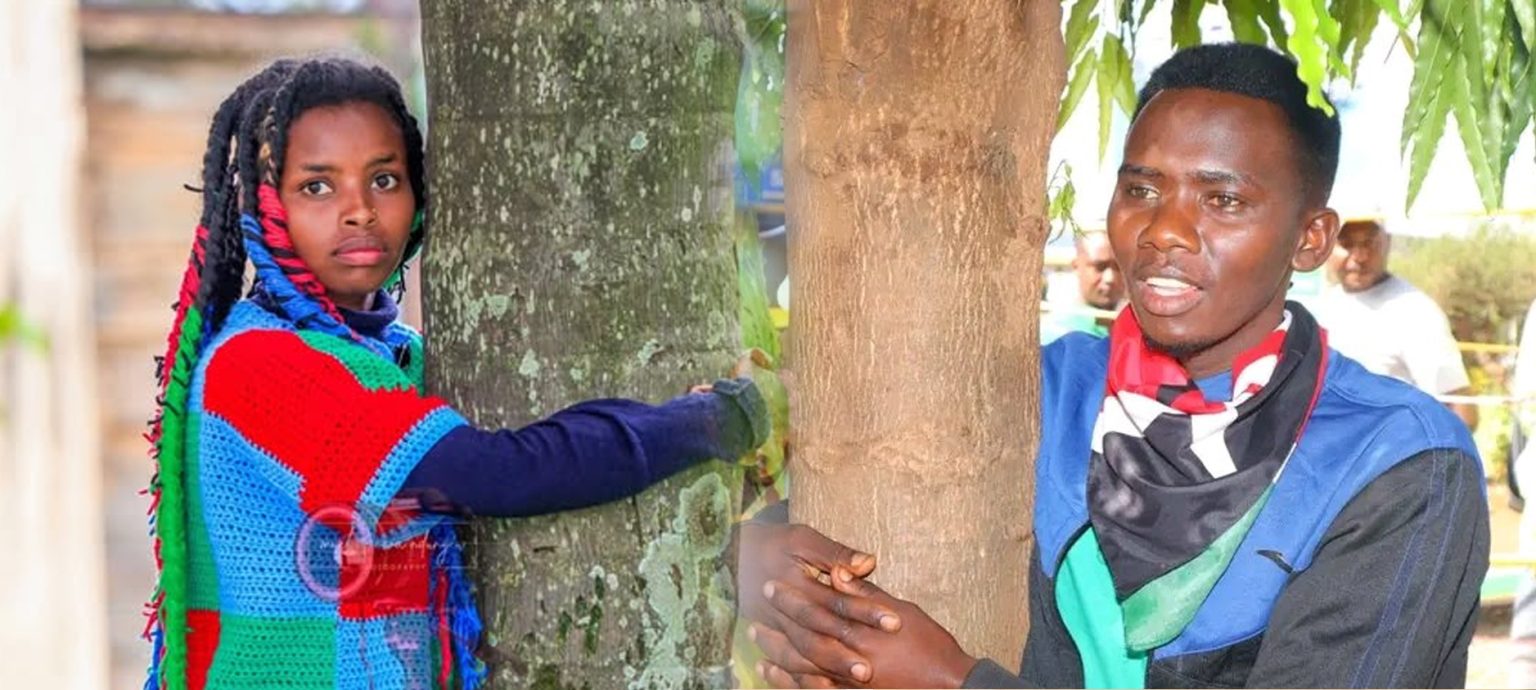

Pastor James Irungu’s marathon tree hug for cancer awareness ended after 79 hours when he collapsed from dehydration and kidney failure,while Paul Kago’s 96-hour vigil for peaceful elections in 2027 was braked by sheer hunger and exhaustion.
Viral trends in Kenya are encouraging dangerous physical challenges that risk health and lives. The latest ‘copycat culture’ is the tree-hugging challenge, which has seen some participants collapsing due to dehydration, exhaustion and underlying conditions like high blood pressure, heart problems, asthma and diabetes. One Kenyan, for instance, was hospitalised over organ failure.
Truphena Muthoni from Kenya has set the record for longest marathon hugging a tree with an unbelievable total of 72 hours.
“Hugging a tree shows that nature is not separate from us, it is family." pic.twitter.com/mf4R9UCRRj
— Guinness World Records (@GWR) January 26, 2026The ‘tree-hugging challenge’ was started by environmental and mental health activist Truphena Muthoni to raise awareness about deforestation, but it became a viral trend that led to health emergencies for some medically unfit imitators.
Muthoni, 22, from Nyeri County, initially completed a 48-hour tree-hugging marathon in Nairobi between 31 January and 2 February 2025, which was officially recognised by Guinness World Records. She then attempted a 72-hour challenge at the Nyeri Governor’s office compound, which she completed on December 11, 2025. This second attempt is still under review by Guinness World Records.
Muthoni’s endurance feat attracted the attention of President William Ruto, and the ensuing amplification saw imitators hugging trees for various causes and with differing effects.
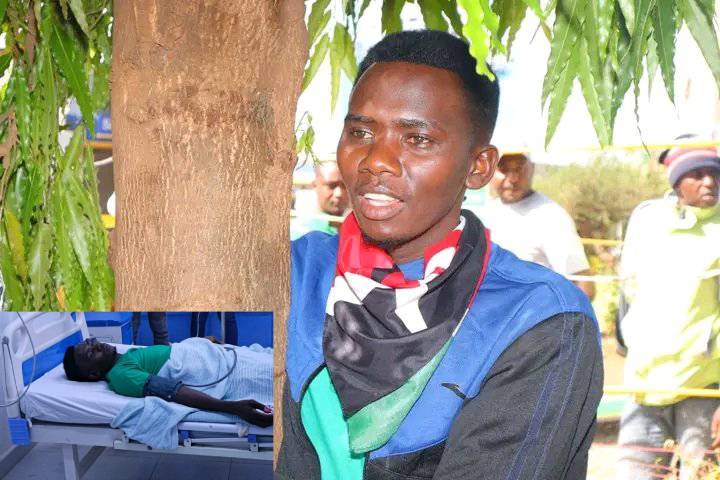
Pastor James Irungu of Murang’a collapsed at 79 hours during an 80-hour tree-hugging exercise aimed at raising cancer awareness.
He was rushed to the hospital with dehydration and multi-organ complications, including kidney failure.
In Nanyuki, Paul Kago, 43, attempted a 96-hour vigil for peace ahead of the 2027 general elections but collapsed within 24 hours and required hospital care for hunger and exhaustion.
You can’t just wake up in the morning and start holding a tree for five days. You must be medically fit
Dr Jeremy Gitau Njenga, an emergency care specialist and CEO of Daktari Msafiri, told Willow Health Media that tree-hugging challenges have seen some people pushing themselves to dangerous limits, with serious health complications developing.

“We recently had a client who had to undergo dialysis because the breakdown of tissues caused them to affect their kidneys,” he revealed. “They got acute kidney injury that required dialysis.”
Mary Muthoni, the Principal Secretary at the Ministry of Health, recently issued a warning against tree-hugging and other strenuous challenges, noting that one “must be medically fit.” She noted that some Kenyans are eager to hug trees, “But you can’t just wake up in the morning and start holding a tree for five days.”
Being inactive significantly increases your risk of death. The World Health Organisation (WHO) states that insufficiently active people have a 20 to 30 per cent higher risk of death compared to those who are sufficiently active.
Studies have demonstrated that extreme volumes and intensities of long-term exercise training are associated with several possible cardiac maladaptations, with the most serious being exertional rhabdomyolysis, where muscle tissue breaks down and releases dangerous proteins into the bloodstream.
High temperatures elevate heart rate, leading to heat stress, heat stroke, potentially death
Dr Njenga describes how this progresses: “Your body produces energy from the food you eat. When you’re not eating, your body breaks down the fat and produces a lot of lactic acids-which start to accumulate in the body, affecting your organs.”

Temperatures up to 60°C have been recorded in tropical Africa, according to research on the effects of extreme heat on human health. High temperatures elevate core body temperature and heart rate, leading to heat stress, heat stroke, and potentially death. Individuals with heart disease, obesity, or respiratory conditions are especially vulnerable.
Kenya’s climate adds another layer of danger. The most common causes of death associated with extreme heat involve cardiovascular diseases, increased incidences of respiratory conditions, stroke, and other non-communicable diseases linked to high temperatures, according to WHO Africa.
Dr Njenga warns about the dangers of dehydration in Kenya’s climate: “In extreme heat, one of the dangers is you get heat stroke” and those attempting extreme challenges should understand the timeline of bodily breakdown.
“Between six to eight hours your body starts looking for energy from your fat cells. Most people don’t notice initially. But when you start doing more than 24 hours, the body breaks down even more fat,” explains Dr Njenga. “Now it starts becoming dangerous.”
For individuals with underlying conditions like diabetes, the risks escalate, warns Dr Jeremy Njenga
This means that prolonged standing, tree-hugging, or fasting without proper medical supervision is risky within the first day.
The warning signs are clear but often ignored:
- Dizziness or light-headedness
- Severe headaches
- Rapid heartbeat or palpitations
- Extreme muscle pain, even at rest
- Dark or cola-coloured urine
- Muscle swelling
- Confusion or altered mental state

For individuals with underlying conditions like diabetes, the risks escalate. Dr Njenga recounts the case of a diabetic tree hugger who was raising awareness about diabetes. The challenge “exposes them to low sugars, which can lead to hypoglycaemia.”
Hypoglycaemia is dangerously low blood sugar. It is a medical emergency that can cause collapse or loss of consciousness. The irony is clear: raising awareness about a health condition while potentially dying from it should not be ignored.
Dr Njenga lists people with undiagnosed heart conditions, diabetes, hypertension or asthma and low fitness baselines as most at risk when attempting sudden extreme physical challenges.
Before extreme challenges check your blood pressure, sugar and any abnormal heart rhythms
Adolescents are also at high risk, particularly if they are unsupervised and lack recovery time. Without proper acclimatisation, they are vulnerable to altitude sickness and related complications during extreme high-altitude challenges.
Dr Njenga also adds that those who restrict food intake or use unregulated supplements or stimulants place additional stress on their bodies, increasing the risk of muscle breakdown and organ damage. “Anyone with pre-existing kidney conditions is at higher risk of severe complications, and individuals taking certain medications, particularly statins, face an increased risk of rhabdomyolysis,” he explains.
Dr Njenga is emphatic about medical screening for “your blood pressure, sugar, even your heart as some people have abnormal heart rhythms,” including young people who might assume they have no heart issues until they get checked.
One critical error is the “crash challenge” approach: jumping from sedentary to extreme without proper conditioning. The risk of rhabdomyolysis rises when training intensely, in extreme temperatures, or with poor hydration. The principle of progressive overload—gradually increasing intensity-is a medical necessity.
Dr Njenga advises those keen on extreme challenges to “start with mini challenges and build over time.” You can’t go from being completely inactive to attempting an extreme sport overnight. First, make sure you’re fit enough for the challenge. It’s not something you do on a whim.
The body needs time to adapt, strengthening muscles, improving cardiovascular efficiency, and developing the metabolic pathways needed for extended exertion.