


Antiretroviral therapy (ART) has transformed HIV from a death sentence into a manageable chronic condition. But for adolescents living with HIV in demanding environments like Kenyan boarding schools, this medical triumph is overshadowed by a silent struggle: adherence.
A 2023 study by Nicholas Kipkurui and colleagues, published in PLOS Global Public Health, confirmed that adolescents in Nairobi boarding schools face unique social and structural barriers to sticking with their HIV treatment.

The study titled, Navigating antiretroviral adherence in boarding secondary schools in Nairobi, Kenya, found that adolescents hid their medication by waking early, stepping away from peers, or claiming the drugs were for other illnesses- all to avoid being discovered. Caregivers worried that school counselling might accidentally expose their child’s status and invite stigma. Meanwhile, every school nurse interviewed said they lacked proper training in HIV adherence counselling, leaving a critical gap in student care.
Take the story of Talia, 15, whose experiences bring the study findings into sharp focus. The Form Two student had maintained viral suppression since childhood, until recent lab results showed a troubling spike in viral load. Like the teens in the study, she admitted to skipping her medication three to four days a week while at school, only taking it consistently when at home.
Talia is not alone. Her struggle is a distress signal echoing across boarding schools nationwide, exposing a critical fault line in Kenya’s HIV care ecosystem.
Adolescents, caught in the difficult shift into adulthood, have the worst HIV treatment outcomes
According to UNAIDS, an estimated 40.8 million people live with HIV worldwide, including 1.4 million children under 15. In a recent period, 630,000 people died from AIDS-related illnesses.
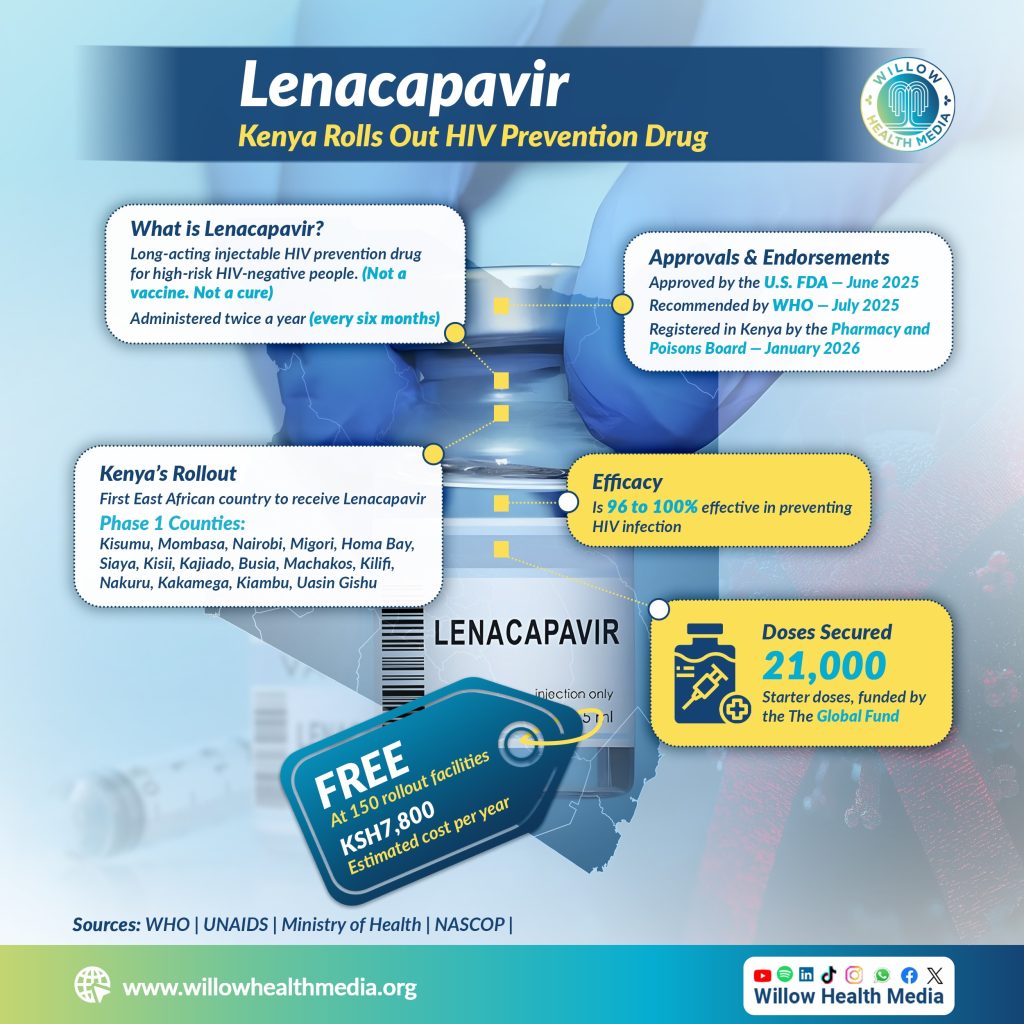
In Kenya, as per data from the National Syndemic Diseases Control Council (NSDCC), about 1.3 million people have HIV, including 80,300 adolescents aged 10 to 19. So far, 1,167 adolescents have died from AIDS-related illnesses-a stark reminder that sticking to treatment saves lives.
Adolescents, caught in the difficult shift into adulthood, have the worst HIV treatment outcomes of any age group. When they skip medication, their own health suffers, and the virus spreads further. This puts national and global efforts to end HIV/AIDS at risk.
A 2021 study of adolescents in Western Kenya by Mary A. Onyango and colleagues found that the main barrier to treatment adherence was fear of accidental disclosure. This fear was driven by stigma, loss of privacy, social isolation and the risk of bullying. The study was published in The Open AIDS Journal.
In boarding school, Talia faces a cruel dilemma regarding medication storage:
In the school nurse’s clinic: Talia fears the lack of privacy. In a busy clinic, someone could spot her multi-month supply bottle. A photo or a rumour could spread fast. Her worst fear? “The famous bully in Form Three” is finding out.
In her dormitory locker: School rules get in the way. Random dorm raids mean her private space can be exposed at any time. She dreads the question: “What are these drugs for?” Even without questions, the distinct pill bottles raise suspicion. Studies confirm this: fear of being exposed and lack of privacy make teens skip doses. Talia often hides her meds- and misses them-just to stay safe.
Skipping pills is not a small mistake-it leads to treatment failure and drug resistance
A 2024 study by Brenda Wandika and colleagues and published in the Journal of Acquired Immune Deficiency Syndromes (JAIDS), found that boarding schools reported a 47 per cent likelihood of missing their ART therapy doses than those in day schools due to hiding medication for fear of exposure, bullying born of ignorance and find no empathy from school staff ill-equipped to help them stay on treatment.

Skipping pills is not a small mistake-it leads to treatment failure and drug resistance. When HIV medication is missed, the virus multiplies and mutates, becoming stronger. The consequences cut both ways: Talia’s rising viral load signals her health failing, opening the door to deadly infections like TB and Cryptococcal meningitis. And when drug-resistant infections spread, they threaten not just her, but everyone around her, and it is thus a public health risk.
Modern HIV care rests on a simple truth: Undetectable = Untransmittable (U=U). When medication is taken consistently and the virus is suppressed, it cannot be passed on. Talia’s skipped doses push her away from this safety zone- raising both health risks for herself and the chance of transmission.
Talia’s story calls for urgent action. Fixing adherence for students means working on three fronts: the system, the staff, and the students themselves. Research points to clear solutions, including interventions like the following:
School Policy & Environment
Confidentiality: Implement secure, discrete, and easily accessible medication storage options that bypass the need for public interaction with the nurse.
Policy reform: Review and amend dormitory raid and unauthorised drug policies to create an exemption for prescription medication, handled with utmost discretion.
Simplified regimens: Advocate for simple, once-daily, low pill-burden ART regimens like those based on Dolutegravir (DTG), which can aid adherence.
Staff Training & Support
Focused training: Provide mandatory, specialised training for school nurses and teachers on adolescent-friendly HIV adherence counselling and confidentiality protocols.
Promoting empathy: Educate all school staff to shift the narrative around HIV from one of moral judgment to one of chronic illness management.
Adolescent Empowerment
Peer support networks: Facilitate confidential, school-based or community-linked peer support groups.
Disclosure coaching: Equip ALHIV with strategies on how to disclose their status selectively and safely, if they choose to do so.
Technology use: Introduce confidential adherence support programmes, potentially utilising mobile technology (like text reminders, mobile health apps) to integrate treatment into their routine without fear of disclosure.
The gap between health facilities and schools must close. We need a formal, confidential channel to support students living with HIV holistically and privately.

Adolescents are navigating immense physical, emotional, and social change. Their struggle with adherence is not personal failure—it is structural failure. It is time for health and education leaders, parents, and partners to have an honest conversation about supporting students like Talia.
Dr Madeline Iseren is a pharmacist who comments on topical health and medical issues.