

A sweeping bill before Kenya’s Parliament would guarantee free maternity care, criminalise obstetric violence and extend reproductive health rights to men, adolescents, older people and those with disabilities.
A new mother giving birth in Kenya could soon be protected from a hospital practice that traps her there. A bill before Parliament has proposed to stop health facilities detaining mothers who cannot pay their bills, and guarantee free antenatal, delivery, post-partum and newborn care instead. It is one strand of the most sweeping reproductive health proposal Kenya has seen, a bill that follows people from adolescence into old age.
The Family Reproductive Healthcare Bill, sponsored by Suba North MP Millie Odhiambo, sets standards for reproductive healthcare and gives effect to constitutional rights to health, dignity, equality, life and the protection of children. Rather than focusing mainly on maternity and family planning, it takes a life-course approach, also covering men and fathers, older people, persons with disabilities and intersex persons, groups that existing reproductive-health policy tends to leave out.
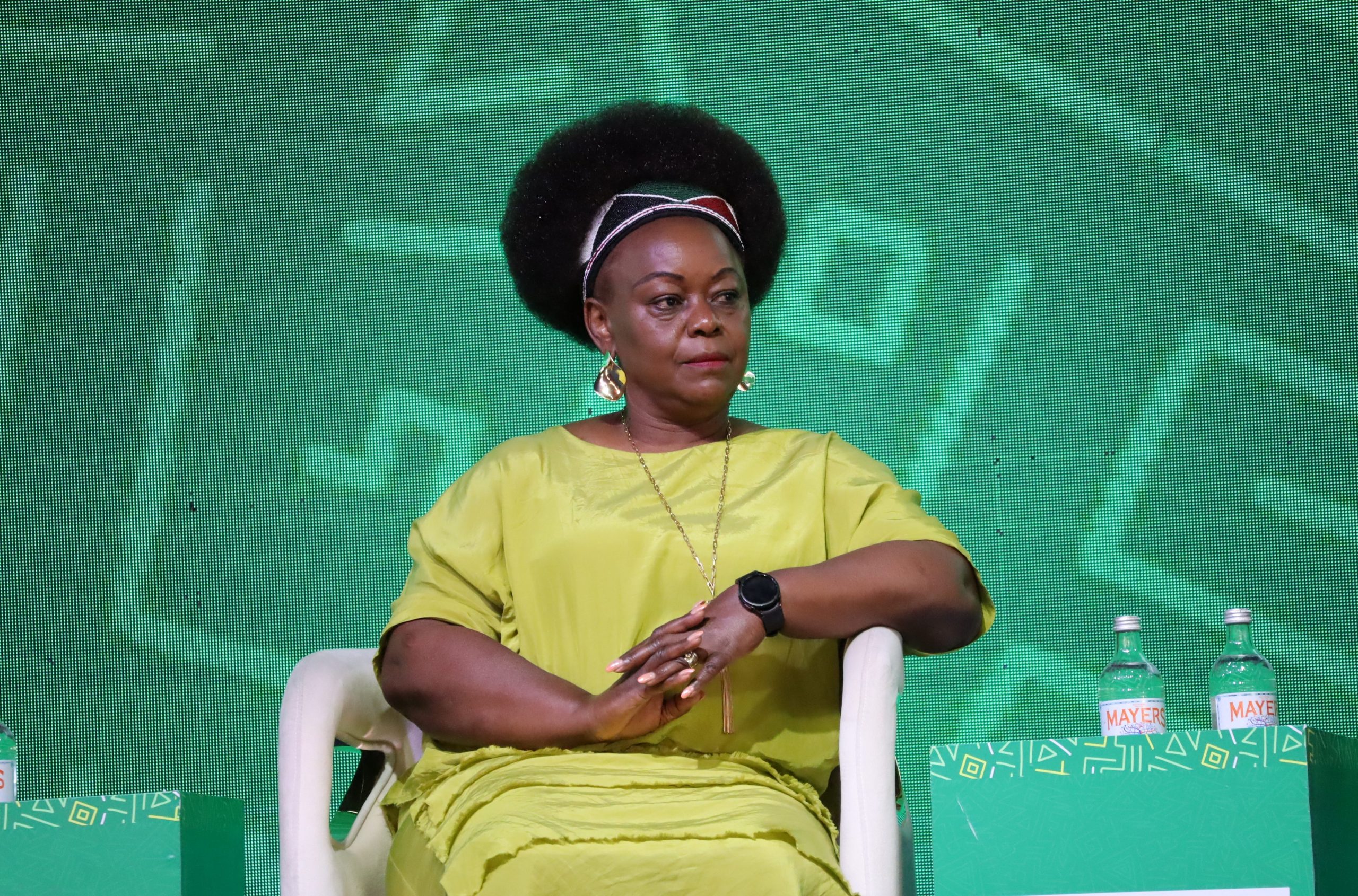
The proposal has been before the National Assembly Health Committee. In August 2026, Odhiambo told a meeting convened by Parliament’s caucus on children and the parliamentarians for global action caucus that her bill was at the pre-publication stage. National Assembly’s schedule later listed it for legal briefing and consideration.
Under the proposal, healthcare providers must give patients understandable information on their diagnosis, treatment options, benefits, risks, and alternatives, so they can make an informed choice rather than simply accept whatever they are told.
Patients gain the right to a second opinion and referral to another facility if a service is unavailable, while facilities must protect confidentiality and treat everyone without discrimination.
Men and fathers will receive screening and treatment for prostate, penile and testicular cancers, and 14 days of paternity leave
The bill also creates a new offence, obstetric violence. A health worker who abuses, threatens, physically assaults or otherwise treats a person in labour in a way that causes distress or harm could face a fine of up to Ksh500,000, six months in prison, or both.
Women who miscarry or terminate a pregnancy on medical grounds would get 14 days of lochia leave, which is time off to recover from the bleeding that follows a miscarriage, and those who experience stillbirth or lose a baby shortly after birth would keep their post-partum rights, including counselling.

The protections do not stop with mothers and infants. Men and fathers gain new ground too, with proposed reproductive-health screening, infertility counselling, HIV and sexually transmitted infection services, screening and treatment for prostate, penile and testicular cancers, and 14 days of paternity leave.
For adolescents, the bill sets out age-appropriate, confidential and non-judgemental services covering pregnancy prevention, HIV and STIs, gender-based violence and substance use. Parental or guardian consent would generally be required, though a provider could allow an adolescent judged sufficiently mature and capable to consent independently in some circumstances.
Persons with disabilities would be entitled to accessible information and services delivered through Braille, audio, large print, simple language, sign language and pictures. Intersex persons would be protected from non-consensual procedures, including forced sterilization, genital procedures and involuntary hormonal treatment.
The bill proposes free menstrual products for girls and intersex learners who have reached puberty and attend public basic-education institutions
On menstrual health, the bill proposes better access to affordable products, water, soap, private changing facilities and safe disposal systems, plus free menstrual products for girls and intersex learners who have reached puberty and attend public basic-education institutions.

The proposal also addresses termination of pregnancy, setting out the circumstances allowing it, requirements for qualified providers, informed consent, counselling and post-abortion care. It bans forced or coerced sterilisation outright, requiring free and informed consent from anyone aged 18 or older, and barring providers from sterilising someone because of their HIV status, disability, intersex status, tribe, race or ethnicity.
Delivering all this would fall to two levels of government. National government would set policies, standards and reporting requirements, while counties would provide services, run specialised reproductive-health units, collect data and report on progress.
National and county reproductive-health advisory committees would oversee policy, budgeting, implementation and monitoring, one of the bill’s clearest answers to how a law this wide-reaching actually gets delivered on the ground rather than staying on paper.
If passed, the bill would bring scattered reproductive-health protections under one framework for the first time, from the delivery room to the schoolroom, backed by penalties and oversight bodies rather than good intentions alone. For now, it remains only a proposal, and its provisions could still change as it goes through Parliament’s scrutiny, amendment, and approval processes.