


Mpox has now spread along Kenya’s busiest transport corridors and border points, with population movement helping the outbreak reach places once considered low-risk.
Mpox is no longer confined to isolated corners of the country. The virus is moving quietly through communities, following the roads and routes that connect people, towns and border points, and the Ministry of Health has identified seven counties as particularly high-risk because of their location along major transport corridors and proximity to border crossings, where population movement could accelerate its spread.
The latest figures tell a sobering story. Kenya has confirmed 1,298 Mpox cases and 19 deaths, with infections now reported in 40 of the country’s 47 counties. Mombasa carries the heaviest burden, with 452 recorded cases, followed by Nairobi with 320 and Busia with 115. Together, the numbers show how a virus once associated with distant outbreaks has found pathways deep into Kenya’s population.
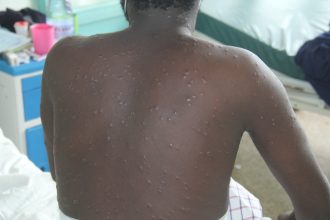
The geography matters. The seven high-risk counties lie along major transport corridors or near border points, places where people cross paths every day. Buses arrive, traders move, families travel, and goods change hands, creating countless opportunities for infection to move unseen.
Mpox is a viral disease that spreads primarily through close physical contact. Transmission can occur through contact with an infected person’s rash, sores, or bodily fluids, as well as contaminated materials such as bedding and clothing.
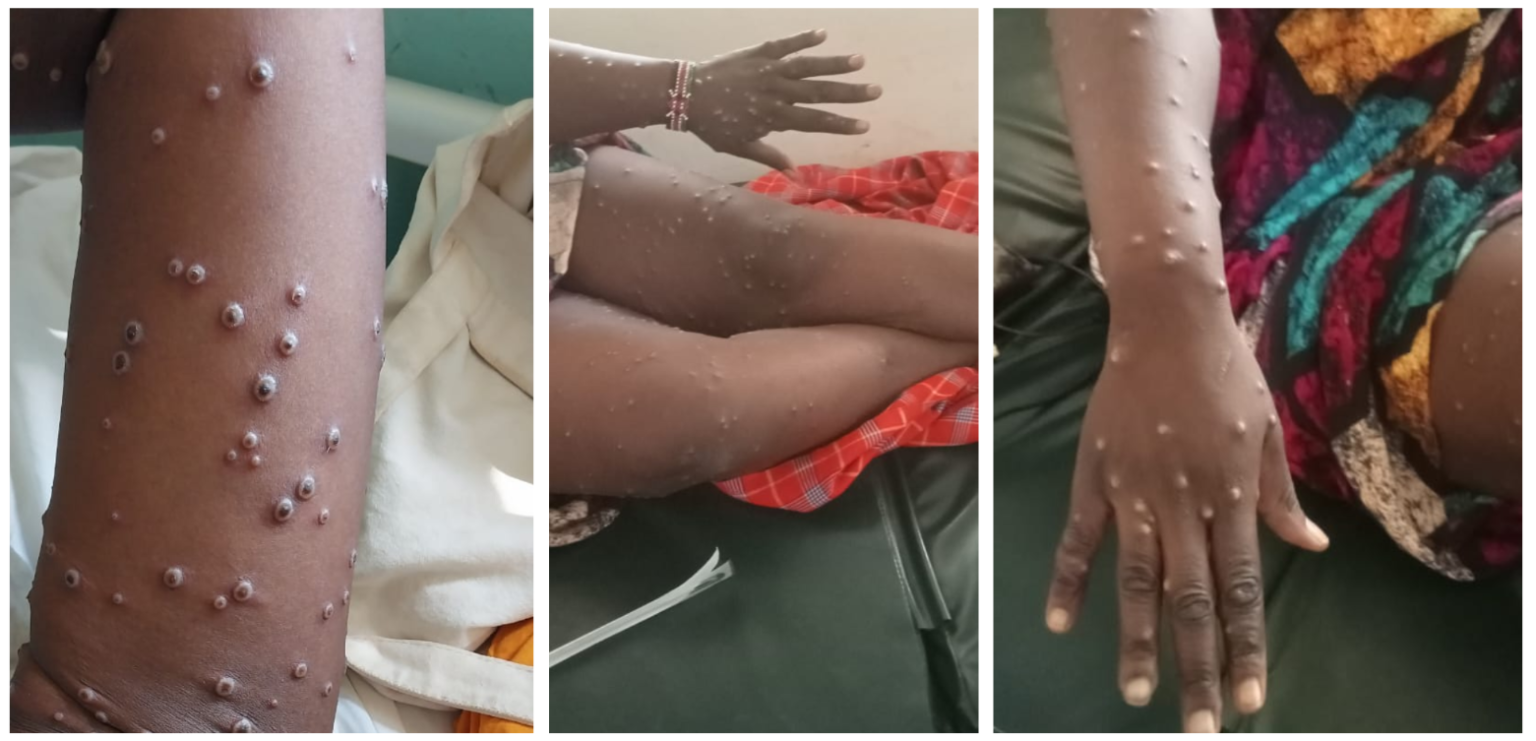
Common symptoms include fever, headache, muscle aches, swollen lymph nodes, tiredness and a characteristic rash or skin lesions, which may appear on the face, hands, mouth, genitals and other parts of the body.
While some infected people develop mild illness, others, particularly those with weakened immune systems, can experience severe disease. Early recognition of symptoms can help patients seek appropriate care and reduce the risk of further transmission.
It is easier to visit isolation wards in hospitals and find Mpox patients than with many other diseases
Principal Secretary for Public Health and Professional Standards Mary Muthoni said the continued spread of Mpox required Kenyans to remain vigilant and observe measures to prevent further infections. “Mpox is still a threat to the country. We need to remain mindful and take the necessary precautions,” Muthoni said while chairing a departmental management meeting.

Muthoni said the virus can remain quietly present within communities, with some cases difficult to recognise immediately. She said health workers were encountering Mpox patients in isolation wards, while transmission continued around some of the country’s busiest border points, where frequent movement creates further opportunities for infectious diseases to spread between communities. “It is easier to visit isolation wards in our hospitals and find Mpox patients than it is with many other diseases. The virus is still silently present in the community,” she said.
“We are not yet out of the woods when it comes to these viruses. We have to continue with sensitisation and strengthen screening at all our border points,” Muthoni added. The government is urging Kenyans to seek medical attention when they develop symptoms associated with Mpox and to avoid close contact with people suspected to have the infection.
Health authorities say people can reduce their risk by avoiding close contact with anyone who has an unexplained rash or suspected Mpox, avoiding the sharing of personal items such as towels and clothing, and maintaining regular hand hygiene. The ministry says the virus can circulate undetected partly because some infected people have only mild symptoms or fail to recognise the characteristic rash as a sign of Mpox.
Beyond Mpox, the rains put Kenyans at risk of waterborne diseases, and we have to prepare early
With the rainy season approaching, Muthoni said preparedness needed to extend beyond Mpox. “The rains put Kenyans at risk of waterborne diseases, and we have to prepare early,” she said, urging authorities to ensure communities receive timely information on prevention and that mitigation measures are implemented.

The ministry is working with stakeholders to strengthen disease surveillance, prepare health facilities and inform communities ahead of and during the rains, which have previously caused flooding and disruption in different parts of the country. The management meeting agreed on increased preparedness, disease prevention and public sensitisation ahead of the rainy season.
Meanwhile, the international response to Mpox is receiving a boost following the launch of a global initiative to establish a stockpile of Mpox vaccines for countries responding to outbreaks. The initiative, launched on 27 August, was approved by the Gavi Board in 2025 and is funded by Gavi and coordinated by the International Coordinating Group on Vaccine Provision. Its partners include the International Federation of Red Cross and Red Crescent Societies, Médecins Sans Frontières, UNICEF and the World Health Organization (WHO), and it is expected to begin operations later this month.
Mpox continues to cause outbreaks globally, with two-thirds of cases in the African Region
The mechanism builds on the Access and Allocation Mechanism established in 2024 during the previous Mpox Public Health Emergency of International Concern, and is intended to improve timely and equitable access to vaccines during outbreaks.
Mpox continues to cause outbreaks globally, with two-thirds of reported cases occurring in the African Region. Between January 2022 and July 2026, 145 countries and territories reported 190,683 confirmed cases and 529 deaths.
Gavi chief executive Sania Nishtar said the stockpile was created in response to lessons from the 2022 outbreak, when lower-income countries struggled to obtain sufficient vaccines, and should ensure countries can access vaccines based on need rather than ability to pay, particularly during emergencies that require rapid intervention.
The International Federation of Red Cross and Red Crescent Societies welcomed the initiative, saying access to vaccines for communities at greatest risk would be critical to controlling future outbreaks. UNICEF Executive Director Catherine Russell highlighted the impact of Mpox on children, including physical illness, stigma, interrupted learning and separation from families and friends during periods of isolation.