
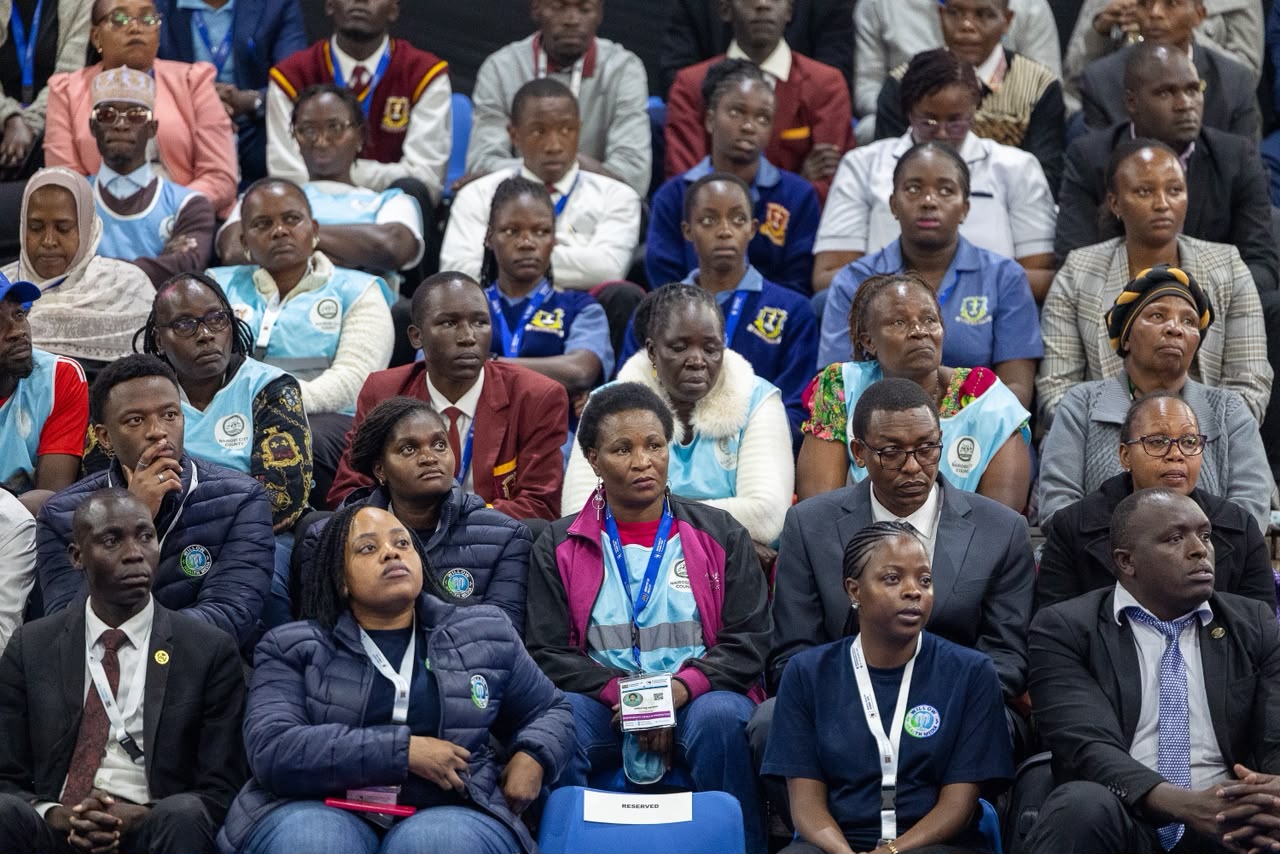

At Kenya’s first Presidential Town Hall, Kenyans put SHA’s reforms on record, delivering real funding gains for clinics and counties, unresolved gaps in salaries and benefits, and a President taking notes.
Gladys Chebet, the facility in charge at a health centre near the Technical University of Kenya, needed one sentence to sum up what a change in Kenya’s health financing has meant for her patients.
“Our laboratory is working optimally and our pharmacy is full,” she said.
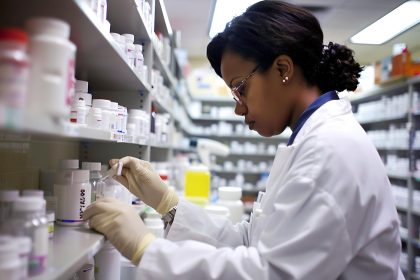
Her facility once depended on donor funding of about Ksh270,000, never enough to meet its needs. Under the Social Health Authority (SHA), it has made claims worth more than Ksh7 million, money that has re-equipped its laboratory and helped its non-communicable disease (NCD) clinic grow to serve about 1,600 patients with a steady supply of medicines.
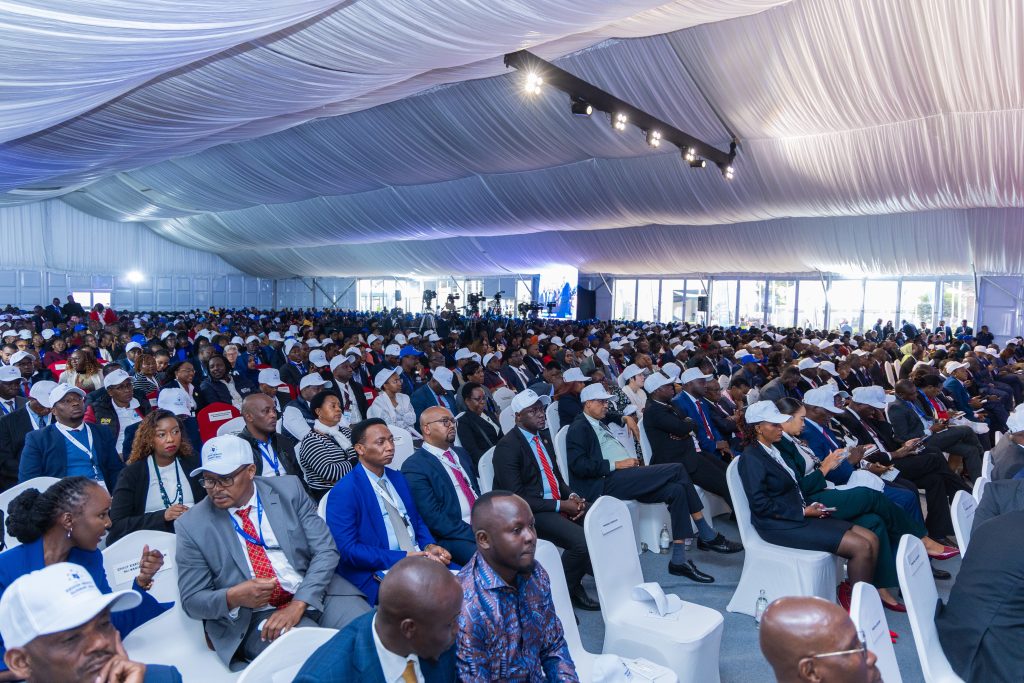
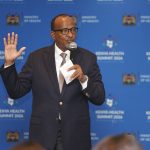
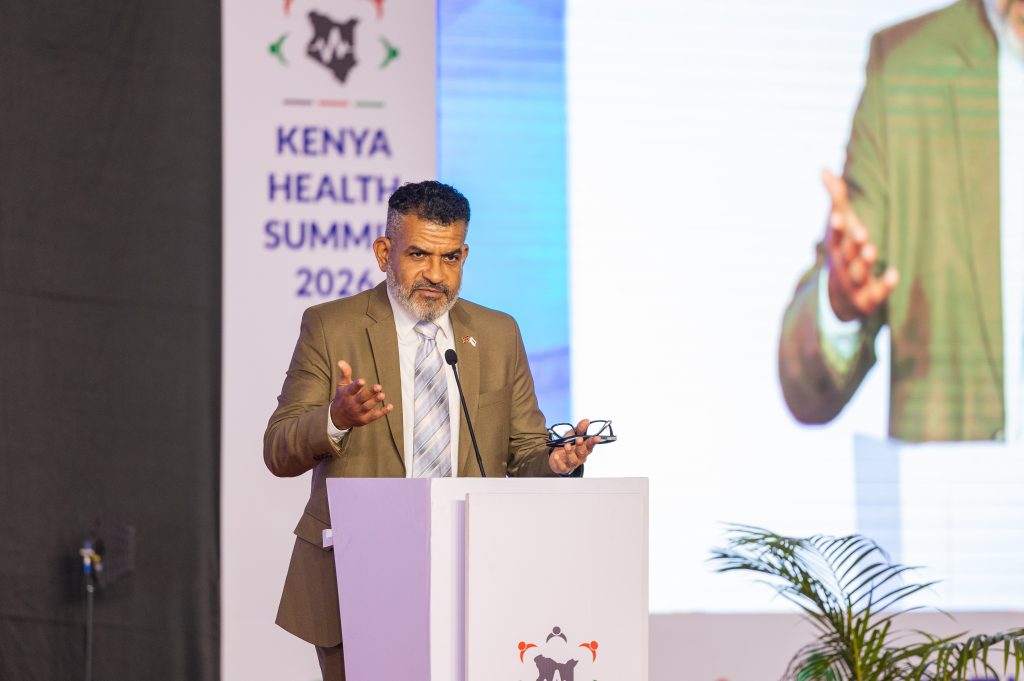
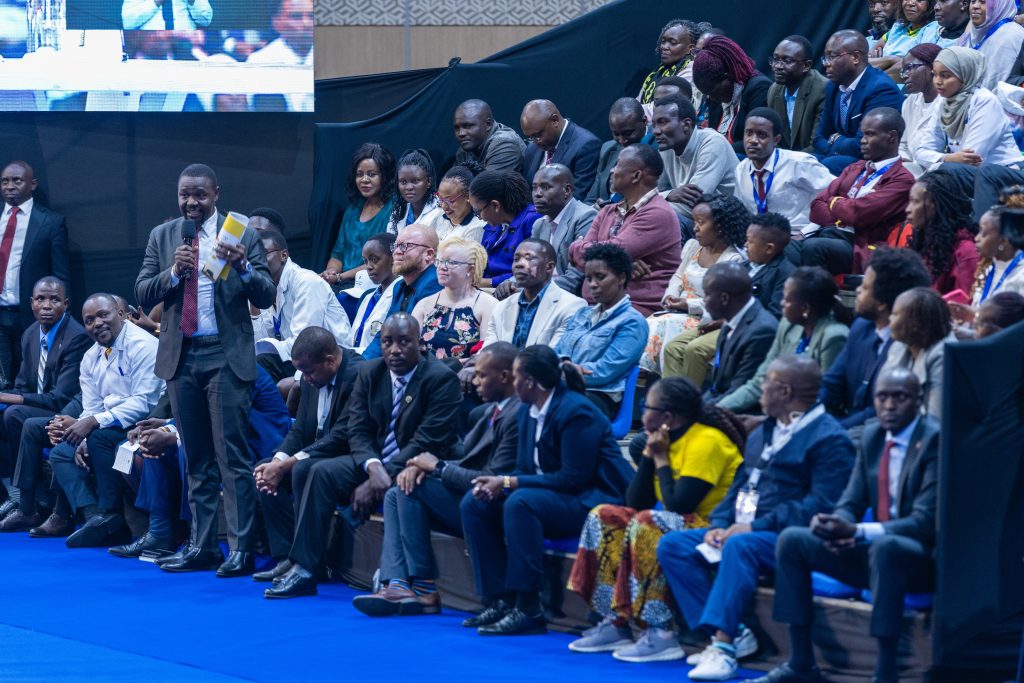
Chebet made her case at Kenya’s first Presidential Town Hall, held as part of the country’s inaugural National Health Summit in Nairobi. For three hours, President William Ruto and Willow Health Media CEO and Editor-in-Chief Dr Mercy Korir turned the event into something close to a live audit of the health reforms introduced since Ruto’s government took office in 2022.
Facility managers, county executives, hospital chief executives, a doctors’ union leader and ordinary beneficiaries took turns at the microphone to say what had worked, what had not, and what still needed fixing.
“It is out of dialogue and conversations that reality and great things are done,” said Dr Davji Atellah, Secretary General of the Kenya Medical Practitioners, Pharmacists and Dentists Union, a line that captured the spirit of an exchange that was, at points, unusually candid for a public forum with a sitting president.
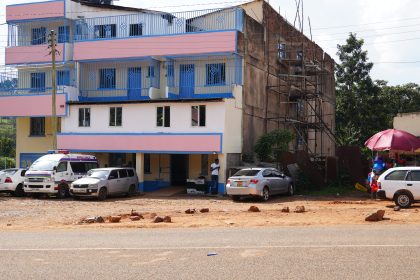
The shift in financing showed most clearly at Riruta Health Centre. Manager Alice Ndwiga said reimbursements had risen from about Ksh200,000 a year under the National Health Insurance Fund (NHIF), the scheme SHA replaced, to millions of shillings a month. The extra money had let the facility buy laboratory equipment, including two full biochemistry machines, and expand its theatre services.
Digital tools have now replaced paper-based reporting, letting them trace households, log cases and make referrals directly
Frontline health workers described changes that often do not show up in financial reports. Benson, a Community Health Promoter (CHP) from Nairobi, said CHPs like him had for years worked with little pay and even less recognition. Digital tools have now replaced paper-based reporting, letting them trace households, log cases and make referrals directly.
“For the first time we feel that we are being honoured in this country as CHPs,” he told the summit.
Not every issue on the table was about money moving through facilities. Loice, who introduced herself as a person with albinism speaking on behalf of people with albinism and vitiligo, raised a gap in the SHA benefit package.
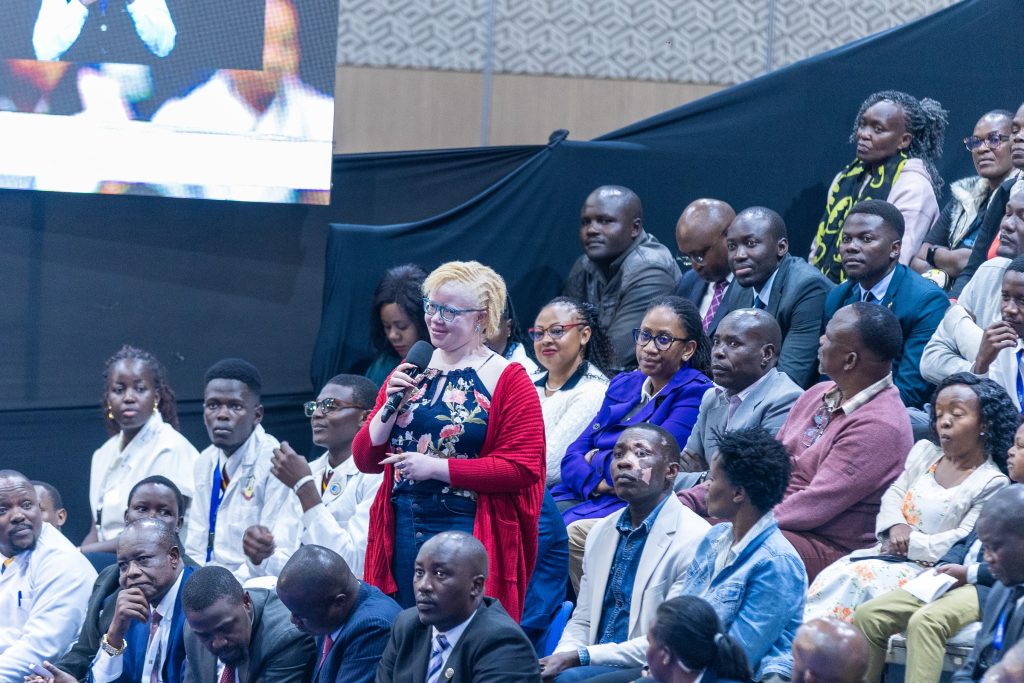
For people with albinism, she explained, “sunscreen lotion is an essential. It’s not for cosmetic purposes,” yet the scheme does not currently cover it.
Ruto committed to an update on the proposed new benefit package by the end of October.
“I think it is time that we come back to Loice and tell her at what point we will include the sunscreen she is looking for,” he said.
A separate request for continence supplies for older patients was folded into the same October review.
Ruto then turned to Social Health Authority CEO Dr Mercy Mwangangi, pressing her for the figures behind the claims being made in the room. “Do you have your data on the current hospital?” he asked. “Can you give us the details of how much the current hospital has claimed? How much has been paid?”
County governments used the summit to argue that SHA’s reach extended well beyond Nairobi, even as Nairobi itself posted some of the sharpest gains. Governor Johnson Sakaja said county health financing had risen 271 per cent, from Ksh700 million in 2022 to Ksh2.6 billion, with a target of Ksh3.2 billion this financial year.
The money had funded Nairobi’s first neonatal intensive care unit at Mbagathi Hospital and a paediatric ICU at Pumwani, where ICU capacity rose from zero in 2022 to 43 beds. Pumwani’s leadership told the President, “Today, your Excellency, we have zero maternal mortality.”
Lamu County, which had never had an intensive care unit since independence, now has six ICU beds
In Kilifi, Governor Gideon Mung’aro traced a similar turnaround in medicine supplies. The county had inherited a Ksh429 million debt to the Kenya Medical Supplies Authority (KEMSA), he said, which had left it able to fill only 38 to 40 per cent of its orders. That figure had risen to 70 per cent by the time of the summit, against a national KEMSA fill rate that officials put at 91 per cent.
Lamu offered the starkest illustration of what the increased financing can mean for a single facility. Health officials said King Fahad Hospital’s quarterly budget had grown from about Ksh5 million in 2020 to Ksh30 million today.
The extra funding has also brought specialised procedures closer to patients. A procedure that once meant travelling to Mombasa at a personal cost of between KSh500,000 and KSh700,000 can now be done locally, with SHA paying KSh150,000 per procedure.
“Kwa hiyo mgonjwa ambaye ana SHA halipi hata shilingi (Therefore a patient registered to SHA does not pay a single shilling),” a Lamu health official said. Lamu, which had never had an intensive care unit since independence, now has six ICU beds.
Mombasa Governor Abdulswamad Nassir, who chairs the Council of Governors’ health committee, closed the county segment with the boldest claim of the evening. He said standardising caesarean-section payments at Ksh30,000 across public, private and faith-based facilities had transformed access to maternal care.
“We have attained universal health in the county of Mombasa,” he said.
Salary delays affecting health workers in 33 counties remained unresolved at the time of the summit
The evening’s most consequential exchange came near the end, when Atellah took the microphone again, this time to hold the government to account. Referring to commitments made to unionised health workers over the previous four years, he told the President, “Of these 13 issues that you committed to do in the last four years, I’ve only noted two,” citing the recruitment of 4,000 additional staff at national referral hospitals and 28,174 health workers hired by counties since 2022.
Salary delays affecting health workers in 33 counties remained unresolved at the time of the summit. However, the National Treasury said it had already disbursed the relevant funds in July, leaving county-level budget approvals as the remaining bottleneck.
“As we speak today, we have 33 counties that have not paid salaries, and these are faithful, honest healthcare workers,” Atellah said.
The summit town hall produced a public reckoning, staged in front of the people the reforms are meant to serve. Dr Korir’s role at the town hall was to bring those voices, the facility managers, and the CHPs into the room, and to check the figures against the record whenever a claim needed verifying, making the newsroom’s own scrutiny part of the accountability mechanism.
For patients in Riruta, Lamu and beyond, that scrutiny is what will determine whether a reform announced in Nairobi becomes a laboratory that works, an ICU bed that exists, or a procedure they no longer have to travel, and pay, to receive.
We believe in the free flow of information
Republish our articles for free, online or in print, under Creative Commons licence.