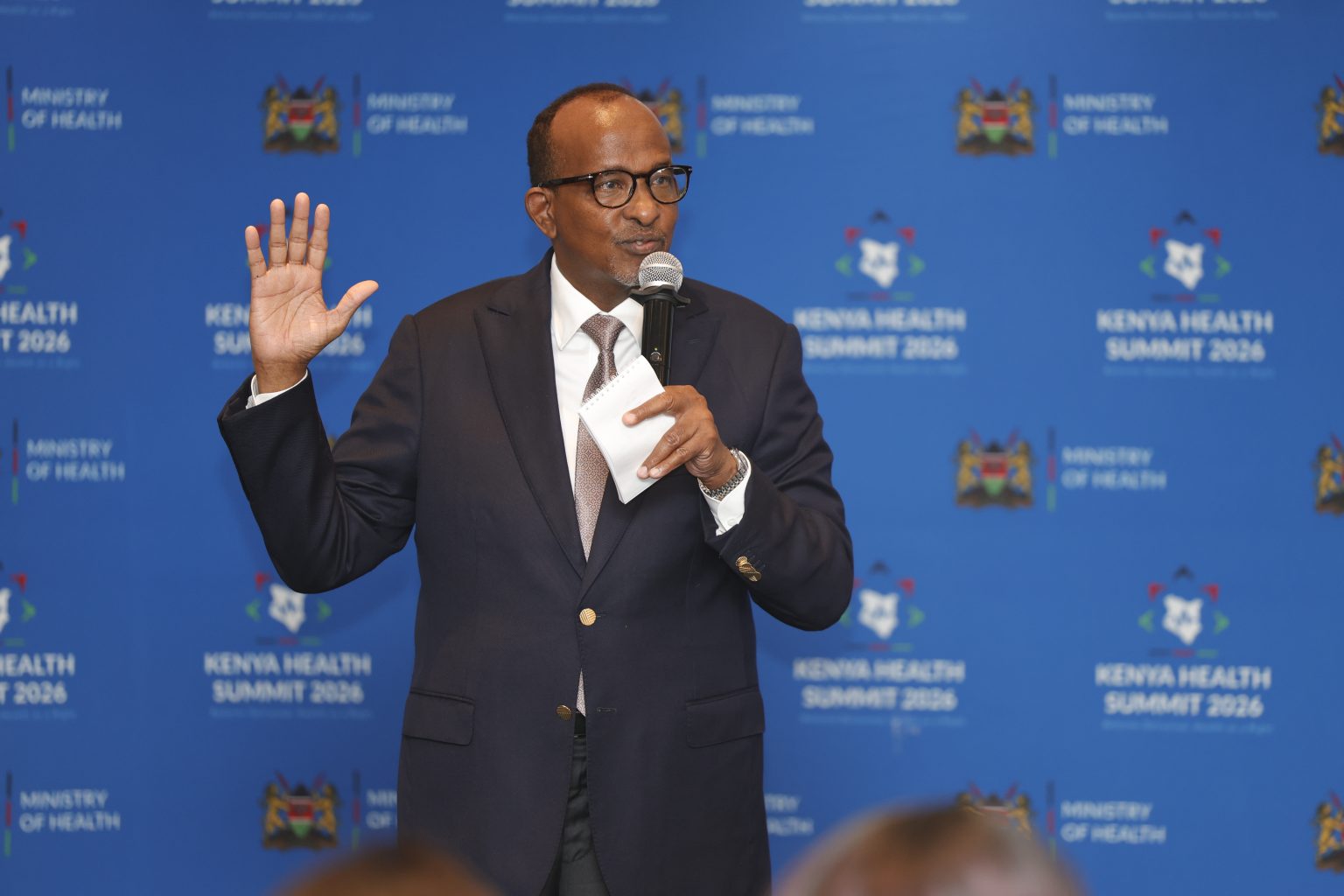

Even SHA CEO Dr Mercy Mwangangi was charged Ksh20 for a book during a mystery shopping visit in Malindi, prompting her to challenge Kilifi Governor to fix the system.
Kenya’s Ministry of Health has warned healthcare facilities that charging patients for services at the Primary Health Care level is not simply against government policy, but a criminal offence.
Speaking at a recent Media Town Hall in Nairobi, Health Cabinet Secretary Aden Duale said no Kenyan should be asked to pay for services covered under primary healthcare, regardless of whether the facility is public, private or faith-based.
“If they charge even for that exercise book,” Duale warned, “it is a criminal offence. It’s against the law. It’s against the Primary Health Care Act. I think that should be very, very clear.”
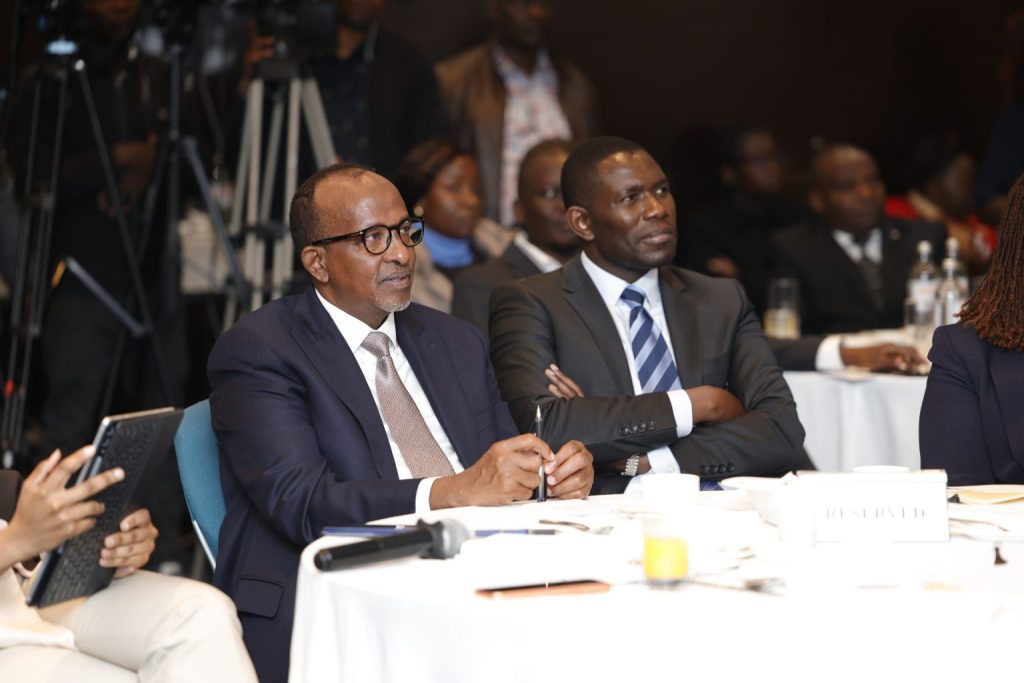
The August 11, 2026 Media Town Hall brought together editors, journalists, senior Ministry of Health officials and leaders of state health agencies to discuss the progress and challenges surrounding Kenya’s ongoing health reforms. It was co-moderated by Willow Health Media CEO and Editor-in-Chief Dr Mercy Korir and Dr Mike Micheni.
Dr Korir told the Cabinet Secretary and his officials that Willow Health Media journalists had gone undercover, conducting mystery shopping visits to primary healthcare facilities to test the government’s promise of free care. What they found exposed a gap between policy and practice.
Ksh20 is a lot of money for a mother who has walked to a health facility, only to be charged
At one facility, a patient was charged Ksh20 for an exercise book during registration. At another, a patient seeking emergency care was asked to pay Ksh520 simply to have a file opened. “These are barriers to accessing healthcare,” Dr Korir said. “Counties are at the heart of service delivery. Twenty shillings is a lot of money for a mother who has walked to a facility, only to be charged when she is not supposed to be charged.”
Dr Mercy Mwangangi, CEO of the Social Health Authority (SHA), said she had encountered the same practice herself in Kilifi, where she carried out her own mystery shopping visit. “I paid for a book, and I sent the message to Governor Mung’aro because I paid Ksh20 in Malindi at night. I told him he needs to look at his system and stop that.”
Dorcas Muga-Odumbe, Health and Gender Editor at Nation Media Group, questioned what happens when there is no senior official to flag the problem. “What happens to my mother in the village when she goes to the clinic and she’s asked to pay, and she pays?” she asked. “Is she aware that that is a criminal offence?”
The concern comes as the government reports significant expansion in the number of Kenyans covered under the new health financing system. Latest Ministry of Health data show that more than 32.2 million Kenyans have been registered under SHA, representing about 60.4 per cent of the population, a significant increase from the roughly eight million people previously covered under the defunct National Health Insurance Fund (NHIF).
Government allocated Ksh19 billion to support free treatment at dispensaries and other primary healthcare facilities
The government says more than Ksh178.4 billion has already been paid out in claims across SHA’s four funds, against a combined public health investment of nearly Ksh293 billion in the current financial year by the national and county governments.
Duale said the government had specifically allocated Ksh19 billion this financial year to support free treatment at dispensaries and other eligible primary healthcare facilities through the Primary Healthcare Fund and the Facility Improvement Fund (FIF). The funding, he argued, removes any justification for facilities to continue charging patients at the point of care. “Today, facilities in very remote parts of our country have received between Ksh500,000 and Ksh2 million that they never used to get during NHIF,” he said.
The Council of Governors also committed to strengthening enforcement at county level. “We keep on checking track on whether this is fully implemented,” said the Council CEO, Mary Mwiti, adding that counties found to be charging patients would be reined in. She maintained, however, that the cases being reported were isolated rather than widespread. “Primary health service provision across all the health facilities is free. But those isolated cases will be handled as we move forward,” she said.
Mwiti placed the issue within the broader context of Kenya’s health reforms, which have now been underway for nearly two years. “Two years after the rollout of the health reforms, I can actually, from where I sit, say that it has worked extremely well,” she said, while acknowledging that no major reform could be implemented without challenges and teething problems.
She confirmed that the Ministry of Health advisory declaring primary healthcare services free had already been disseminated to all 47 counties and that county governments were continuing to monitor compliance.
The Facility Improvement Fund was established to ensure dispensaries and health centres receive direct funding
What distinguished Duale’s declaration from a routine policy reminder was the direct link between the legal obligation to provide free primary healthcare and the financing mechanisms now supporting facilities. The Facility Improvement Fund was established to ensure that dispensaries and health centres, including those in remote parts of the country, receive direct funding to sustain service delivery without recovering costs from patients at the point of care.
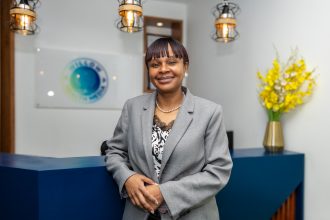
Dr Mwangangi added that a further Ksh2 billion allocation now allows mothers to deliver in dispensaries and health centres without paying out of pocket. The funding followed a direction issued by President William Ruto and all 47 governors during an extraordinary summit last year.
The reforms are also formally protected by law. Duale noted that primary healthcare services at Level 2, Level 3 and parts of Level 4 facilities are prescribed under the Primary Health Care Act. This means a facility that charges a patient for services that should be provided free of charge is not simply disregarding an internal Ministry of Health directive. It is breaching the law.
A Ksh20 charge for an exercise book, a registration fee or a payment demanded before treatment may appear insignificant to those imposing it. But for a mother who has walked several kilometres to a health facility with a sick child, even a small charge can become a barrier to care.
We believe in the free flow of information
Republish our articles for free, online or in print, under Creative Commons licence.