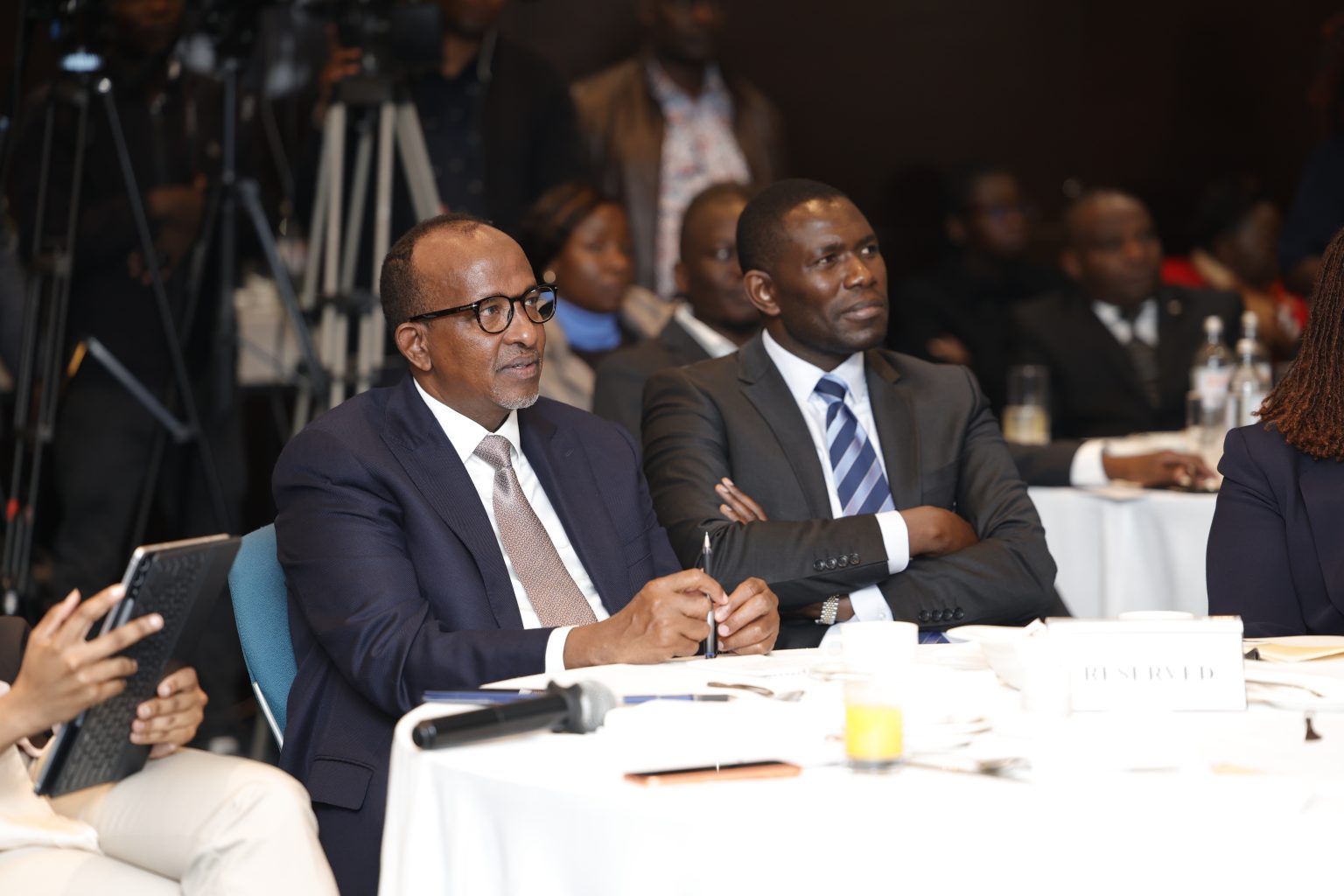

‘Ask your government anything on healthcare’ Town Hall was held ahead of the inaugural 2026 Kenya Health Summit in Nairobi this August.
Kenya’s Ministry of Health held its first-ever media town hall ahead of the Kenya Health Summit, bringing together the Cabinet Secretary for Health, principal secretaries, heads of state health agencies, county government representatives and senior editors and journalists from across the country’s media landscape for more than three and a half hours of candid engagement.
Themed “Ask your government anything on healthcare,” the town hall was moderated by Willow Health Media CEO and Editor-in-Chief Dr Mercy Korir and co-moderator Dr Mike Micheni. It was held ahead of the Kenya Health Summit, scheduled for August 18 and 19, 2026, at the Kenyatta International Convention Centre (KICC).
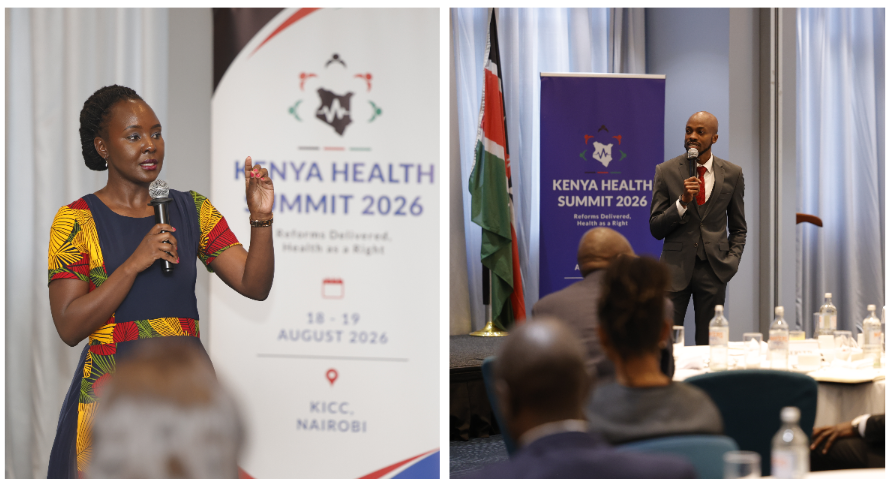
Opening the session, Principal Secretary for Medical Services Dr Ouma Oluga described the town hall as a “vital checkpoint for Universal Health Coverage,” urging journalists to scrutinise government claims and assess progress on the ground.
Duale said the national government has allocated Ksh138.1 billion to health in the 2026/27 financial year, an 8.7 per cent increase, while counties have allocated a further Ksh154.6 billion, bringing combined public investment in health to nearly Ksh293 billion.
Health CS Aden Duale promised to establish a media communication centre at MoH
He cited the recruitment of more than 17,800 community health promoters, 277 primary healthcare networks, and the launch of Kenya’s first National Ambulance Dispatch Centre and toll-free 922 emergency line on August 5. However, he urged the media not to treat the figures as an achievement on their own, but to test them against what patients and health workers experience in facilities.
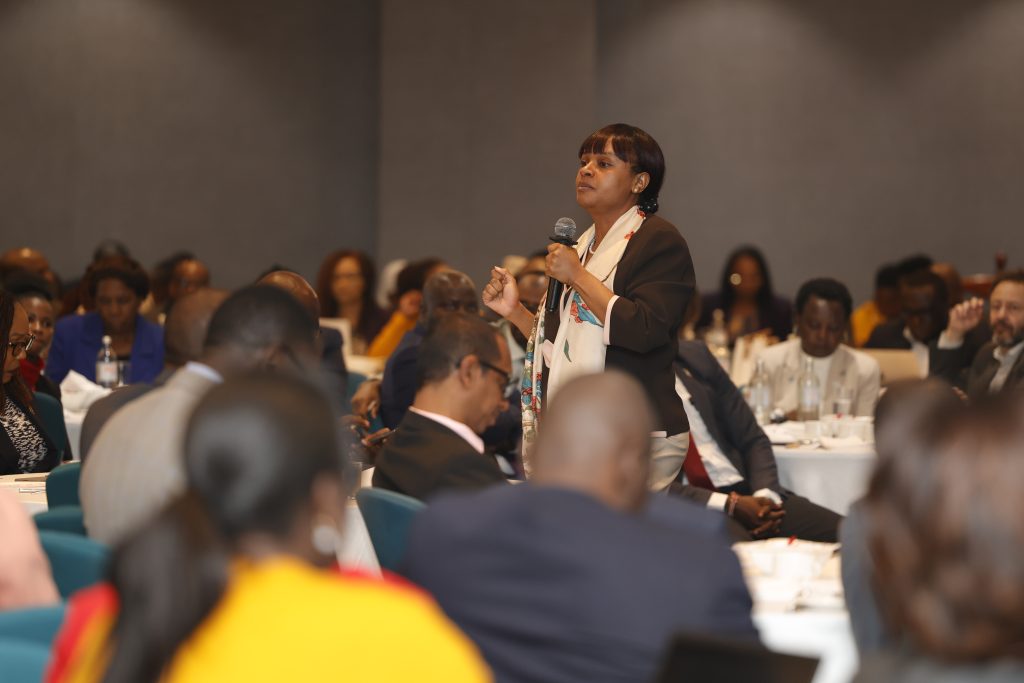
Out of the town hall, and following media frustrations with official communication, Cabinet Secretary for Health Aden Duale promised to establish a media communication centre at the Ministry of Health to ease media access to data and other relevant information.
Social Health Authority (SHA) CEO Dr Mercy Mwangangi addressed questions on registration, contributions, claims and fraud. She said SHA has collected Ksh203.7 billion across its four funds and paid out Ksh178.4 billion.
She acknowledged that county providers were owed about Ksh4 billion, while noting that some outstanding claims are rejected or returned submissions rather than genuine arrears. On fraud, she said SHA had recovered nearly Ksh300 million and called for shared responsibility in tackling fraud across providers, officials and citizens.
Heath workforce has grown from 90,000 before devolution to nearly 200,000 today
Council of Governors (CoG) CEO Mary Mwiti addressed health worker strikes and devolution, noting that a collective bargaining agreement had been signed for clinical officers, with a return-to-work formula awaiting concurrence from the Salaries and Remuneration Commission (SRC). She also cited growth in the health workforce from about 90,000 before devolution to nearly 200,000, while health facilities have increased from about 9,000 to more than 15,000.
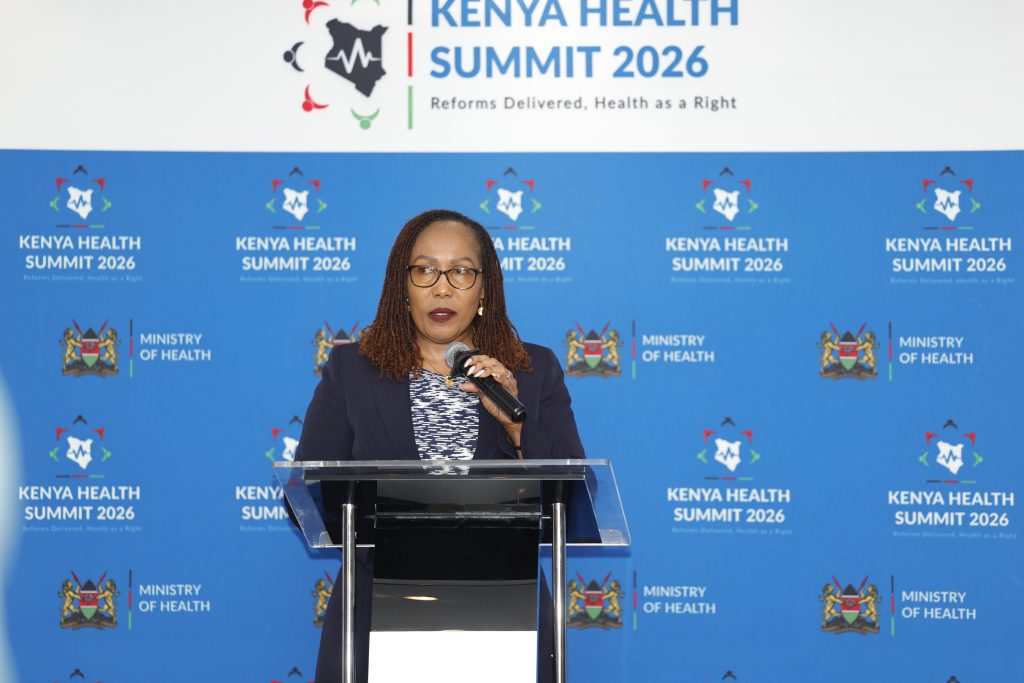
Dr Oluga defended the National Equipment Service Programme, saying counties have gained access to equipment including CT scanners, MRI machines, dialysis units and modern theatres through a fee-for-service model, allowing patients to access specialised care closer to home.
Director General for Health Dr Patrick Amoth addressed disease preparedness, including the detection of P. vivax malaria and the ongoing Ebola outbreak in the Democratic Republic of Congo (DRC).
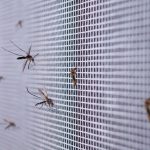
He said Kenya is moving towards multiple first-line malaria therapies to address drug resistance and will distribute more than 10.8 million mosquito nets in 18 high-burden counties before the end of the year. He also reported that 183 Ebola alerts had been investigated and tested negative, while Kenya’s preparedness score had improved from 66 to 88 per cent following a World Health Organization assessment.
Town Hall marked effort by MoH to iron out communication creases with media
Digital Health Authority CEO Eng Anthony Lenayara clarified reports of a Ksh104 billion “digital superhighway” and a two per cent levy on SHA claims. He explained that the levy, capped at Ksh5,000 per claim, supports digital health infrastructure including national registries, terminology standardisation and data storage within a sovereign national cloud, developed under a public-private partnership on a fee-for-service model.
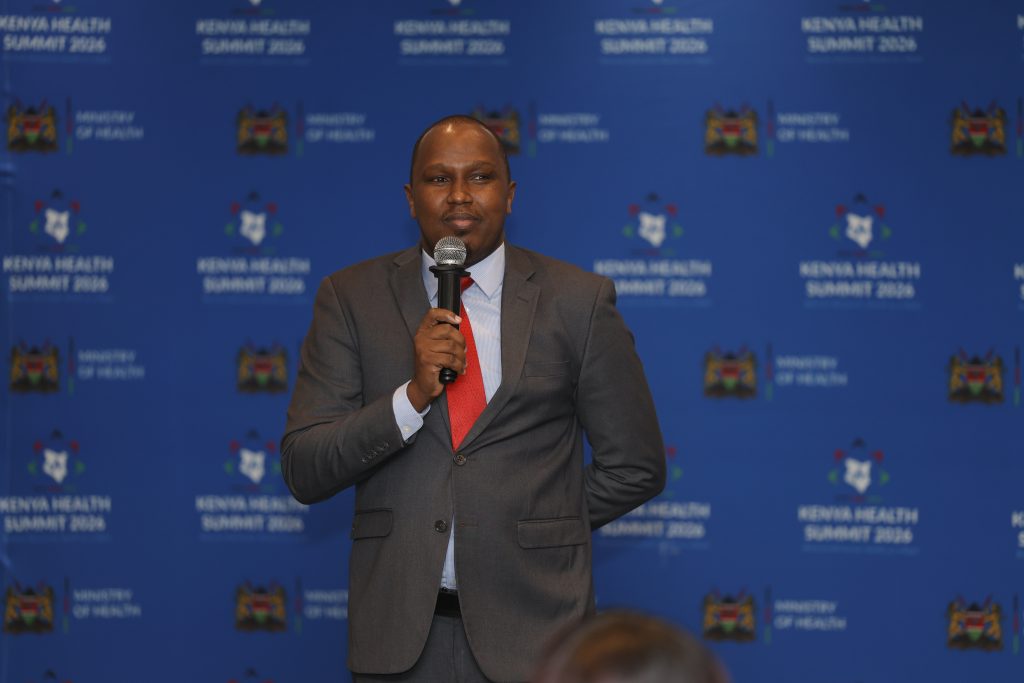
Kenya Medical Supplies Authority (KEMSA) CEO Dr Waqo Dulacha Ejersa addressed reports of medicine shortages, saying KEMSA had reduced its stock-keeping units from 3,800 to 485 essential items and achieved fill rates of more than 90 per cent. He explained that KEMSA operates a pull system, meaning counties must place orders based on their needs, and urged the public to distinguish between shortages at individual facilities and the availability of medicines within KEMSA.
According to the Principal Secretary, State Department for Public Health & Professional Standards, Mary Muthoni, the media plays a vital role in advancing Universal Health Coverage (UHC) and strengthening the health sector as a whole.
The town hall brought together a broad cross-section of Kenya’s media heads, including Paul Ilado (Radio Africa Group), Dorcas Muga-Odumbe (Nation Media Group), Charles Otieno (Standard Group), Chrispine Magak (Mediamax Network), Ng’ang’a Mbugua (Nairobi Law Monthly). Other editors and journalists were from Cape Media, Kenya Broadcasting Corporation, Hope Media, besides regional and community broadcasters including ATG Radio, Kayu FM, GTN and Radio 47, while international coverage was represented by Xinhua News and Africa Times.
The engagement marked an effort by the Ministry to create a more direct channel between health officials and the media, with Duale urging journalists to interrogate government claims and report on whether health reforms are translating into better services for Kenyans.