

Menopause means 12 months without a period, punctuated by mood swings, brain fog, fatigue, and hot flashes. Small changes that can cost a woman her health, relationships and career.
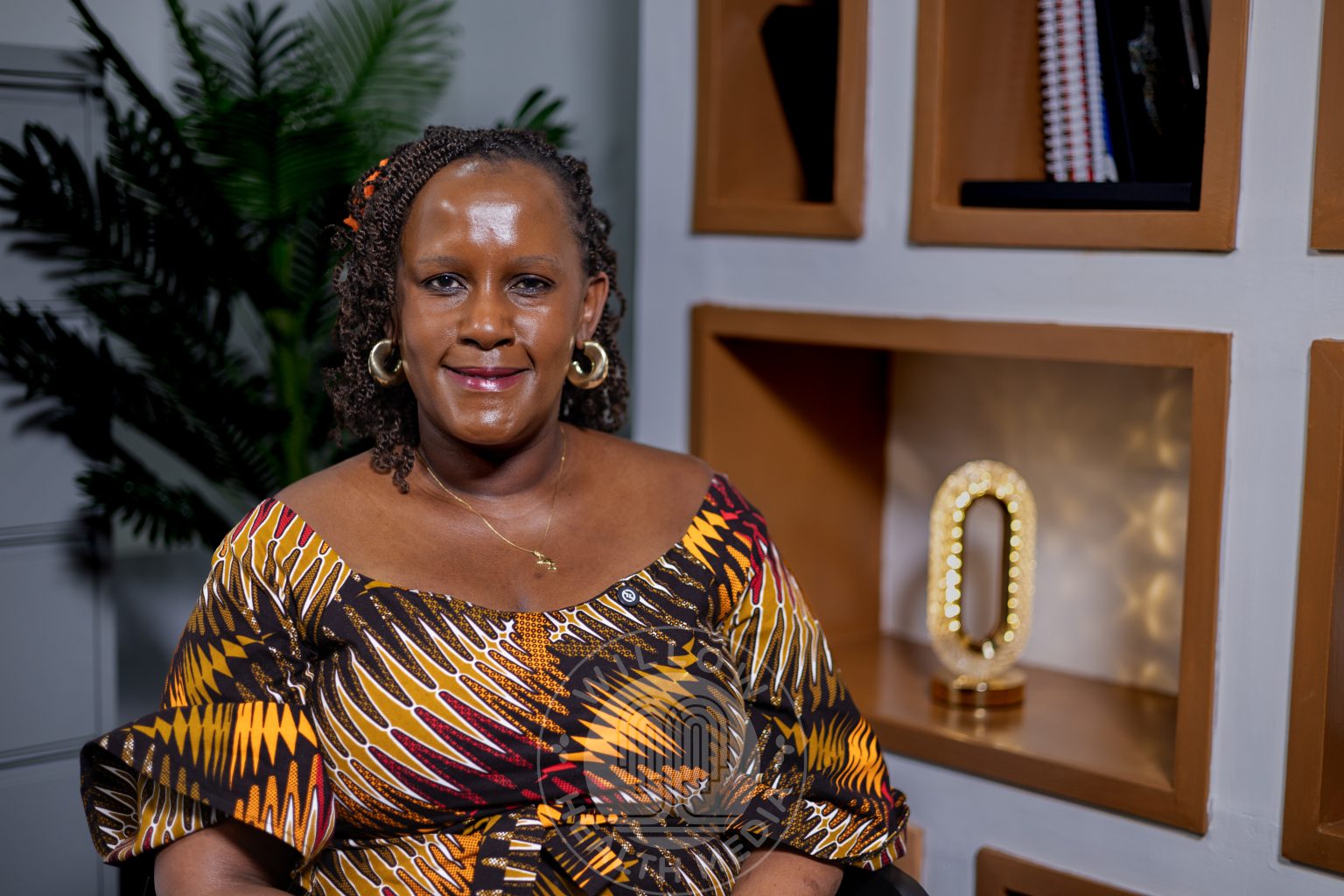
Menopause affects every woman, yet it remains one of the most misunderstood, under-discussed, and routinely dismissed transitions in human health. Dr Kabugo Kamau, a reproductive health advocate and pharmacist, wants to change that. She begins with what most people get wrong about the basics.
Speaking on Lifeline Dialogues, Dr Kabugo traced her advocacy to a friend’s experience. “A friend of mine went through hell with her menopause; she was the reason why I decided to start looking deeper into these conversations with women,” she recalls. What she found was not an isolated case but a widespread knowledge gap.
“So many women had no idea what was coming up. They had no idea about their bodies. I mean, anatomical idea like where what parts are.” That discovery led her to establish the Women’s Health Café, a platform built on education and peer support, grounded in one principle: “Without empowerment, they can’t advocate for themselves, and the empowerment is knowledge.”
The first thing Dr Kabugo wants women to understand is that menopause is not what most people think it is. Clinically, it is a single moment, not a prolonged phase. “Menopause is when a woman goes through 12 months without a period; it is a one moment in time,” she explains. In precise terms: “day 365 without menstruation marks menopause, day 366 transitions into post-menopause and day 367 you’re post-menopause.”
The long, symptom-heavy stretch that most women associate with menopause is actually perimenopause, the transitional phase leading up to that point. “Perimenopause is usually the longest and has the most symptoms.” The distinction matters because it reframes the experience entirely. “It’s not an illness. It’s a state of being.”
The most common early sign is change in menstrual cycles, heavier or unpredictable flow
Perimenopause can begin up to a decade before menopause, sometimes earlier. “Once you get into your 30s, you should start observing,” Dr Kabugo advises. The most common early sign is a change in menstrual patterns, including irregular cycles, heavier or unpredictable flow, but symptoms extend well beyond that.
“For some women, palpitations will never be connected to their perimenopause, especially when they happen in their 30s.” For women on hormonal contraceptives, recognition is harder still. “It’s very hard to tell, especially if she is on contraceptives that affect her flow; sometimes you have to do blood tests.”
At the root of it all is hormonal change, specifically fluctuations in oestrogen, progesterone, and testosterone, but the effects reach far beyond the reproductive system. “There are really 10 different chemicals that go off, some related to our brain, some to our heart,” Dr Kabugo explains.
That breadth is why symptoms span mood swings, anxiety, and depression; memory lapses and brain fog; bone pain, fatigue, hot flashes, and weight redistribution. “You walk into a room, you really don’t remember what you are coming there to do, that is one very scary one.” For some women, the impact is severe enough to affect their professional lives. “I have women who are scientists, who now are struggling; they don’t have the same focus and concentration.”
Not every woman experiences menopause the same way. Genetics play a role, but Dr Kabugo emphasises that lifestyle and environment are equally important. “Our diet plays a big role, which is how you explain why women in Japan have a gentler menopause.”
Hormone therapy is available to all women, but not all women need or should use it
Nutrition, particularly protein intake and phytoestrogens, physical activity, environmental exposures, and lifelong health habits, all shape the experience. “If you started off on the right foot as a child, you’d sail through menopause,” she says. “Our diet is very starch, carb-heavy, and then later you’re told to change, it’s a whole cultural shift.”
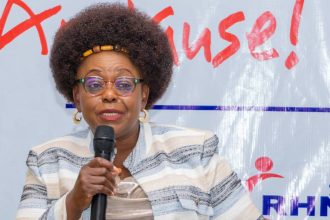
Management options range from lifestyle changes to hormone therapy, and Dr Kabugo is careful to avoid a one-size-fits-all prescription. “Hormone therapy is not for everybody, but it is for everybody,” meaning it is available to all women, but not all women need or should use it.
It can address both short-term symptoms and long-term risks, including cardiovascular disease. “We know these hormones have kept blood vessels soft, so we give the body those hormones.” Where hormone therapy is not appropriate, alternatives include diet adjustments, exercise, phytoestrogens such as moringa and ashwagandha, and mental health support. “There are a lot of different options; it’s up to you which one you want to adopt.”
A structural problem lies within medical training itself. “There’s very little education about menopause in medical school,” Dr Kabugo says. The consequences are predictable: symptoms are misdiagnosed, care is fragmented, and women are treated for isolated conditions rather than as whole people.
“You’ll be told you’re depressed and get antidepressants, but nobody asks about your bones, your heart, your pelvic floor.” She advocates for integrated care models in which different specialists recognise menopause-related symptoms across disciplines. “We want to treat you as a whole person, not just your brain.”
A lack of understanding on both sides can break down communication, and the marriage goes
The workplace is another arena where menopause remains largely invisible. Fatigue, brain fog, and sleep disruption can significantly affect performance, yet workplace structures rarely accommodate these realities. Dr Kabugo points to practical failures: inaccessible restrooms, rigid hours for women dealing with insomnia, and no recognition of cognitive challenges.
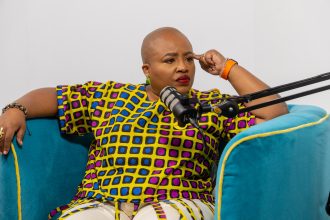
“If you don’t sleep at night and then you have a 7am meeting, there is absolutely no way I will be able to do that.” Her recommendations are straightforward: flexible working hours, remote work options, and supportive management. “She’s such a treasure; she has so much experience, we need to support her to keep working.”
Menopause also reshapes relationships. “It is divorce season,” Dr Kabugo notes bluntly. A lack of understanding on both sides can break down communication, and once that happens, she warns, “the marriage goes.” She also points out that men undergo their own hormonal transition, andropause, which goes largely unacknowledged. Open dialogue, she argues, can be transformative. “I have talked to men who say, now I have some sort of clue on how to support my wife.”
Menopause is a life stage with consequences for health systems, economies, workplaces, families
Underlying all of this is stigma. “Menopause is a silent issue because it’s a taboo issue.” Cultural narratives have long framed the transition as a decline. “Women have been told, once menopause comes, you’re done.” That framing discourages women from speaking up or seeking help. “The women who speak up are shamed for it.”
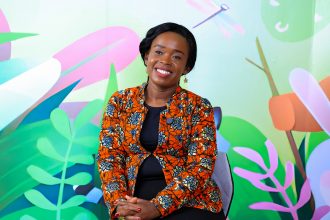
A healthcare culture that has historically dismissed women’s experiences makes it worse. “Women traditionally have not been believed.” Dr Kabugo’s approach is deliberately different: “I don’t touch you, I believe you.”
Her most striking argument is that preparation for menopause should begin long before it arrives, in childhood. “Menopause starts before we are born,” she says. Teaching girls about their bodies, encouraging healthy eating, and promoting physical activity are not abstract ideals; they are practical investments in how women will experience a transition that is coming regardless. “Teach your daughters now so that when they get to menopause, they don’t struggle.”
Menopause is not a niche women’s issue. It is a universal life stage with consequences for health systems, economies, workplaces, and families. The conversation is overdue.