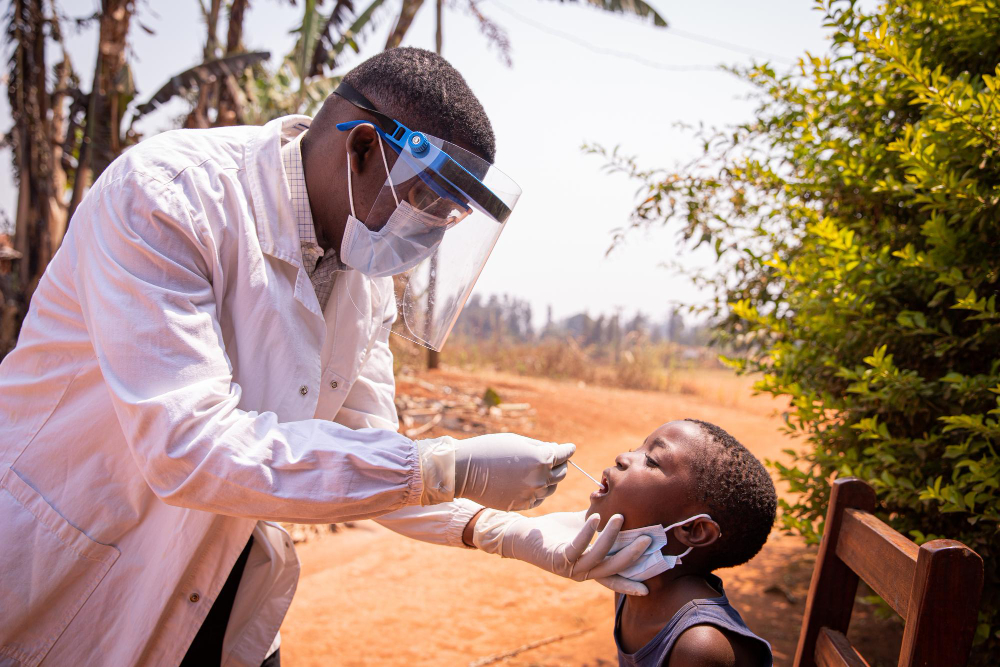

Neglected Tropical Diseases (NTDs) include sleeping sickness, elephantiasis, bilharzia, river blindness and trachoma, which have limited children’s education, reduced adults’ ability to work, and trapped families in cycles of poverty.
In a rural community in Guinea, a young girl who would have struggled to stay awake in class, her days clouded by fatigue, headaches, and confusion, can now return to school after receiving treatment for Human African Trypanosomiasis (HAT), or sleeping sickness. For her, and thousands like her across Africa, Neglected Tropical Diseases (NTDs) are no longer an invisible and silent burden but an increasingly solvable problem.
Africa’s fight against NTDs has been a mixed bag of results, with some recorded wins even though ongoing challenges remain.
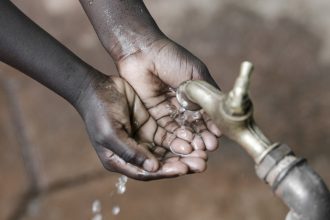
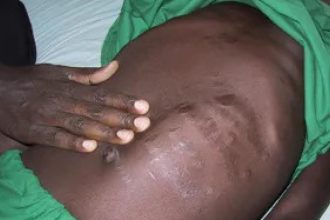
NTDs are a group of diseases, some widely recognised and others largely overlooked. They include sleeping sickness, elephantiasis (lymphatic filariasis), bilharzia (schistosomiasis), river blindness (onchocerciasis), trachoma, and soil-transmitted helminths, among others. Together, these diseases still affect over 1 billion people worldwide, mainly the most vulnerable populations in underserved regions.
These diseases are parasitic, bacterial, and viral infections that have limited children’s education, reduced adults’ ability to work, and trapped families in cycles of poverty. Progress has been uneven across regions. According to WHO estimates, in East Africa alone, NTDs accounted for more than 12 million disability adjusted life years (DALYs) lost in 2019, with an estimated $2.6 billion in lost economic productivity, figures that are now beginning to fall as coverage expands.
In recent years, Africa has emerged as a leading force in reversing this trajectory, even as global financing for NTDs has tightened, and donor priorities shift.
Togo became the first country globally to eliminate four NTDs, including elephantiasis
Across the continent, national programmes have delivered over 2.3 billion preventive treatments, with more than 20 countries now reaching or nearing elimination targets for one or more NTDs. These advances signal not only progress in disease control, but a broader shift in Africa’s scientific, political, and operational capacity to tackle infectious diseases at scale.

Several African countries have made striking gains against diseases such as lymphatic filariasis, trachoma, and bilharzia. Togo became the first country in the world to eliminate four NTDs, including elephantiasis and trachoma, while Benin and Ghana have each eliminated three.
Niger has been validated as free of river blindness, and Chad has eliminated gambiense sleeping sickness, a historic step for a disease that once devastated entire communities. These are exemplary countries for when innovation and funding meet policy and political will.
These achievements reflect the positive impacts of sustained mass drug administration campaigns, strengthened surveillance systems, and the integration of NTD interventions into primary health care platforms. Community health workers have been at the heart of this progress, reaching millions of households with preventive treatments, health education, and follow-up care.
Alongside community-focused interventions, research institutions in Africa, and our local manufacturing capacity are shifting the needle towards elimination. Universities and research consortia such as the Malaria & Neglected Tropical Diseases Research Capacity Development in West and Central Africa (MARCAD Plus) in Senegal are training the next generation of African scientists to design locally relevant solutions for malaria and selected NTDs.
Local diagnostic outfits like KEMRI are stepping up to produce rapid tests, other tools
At the same time, local diagnostic production and pharmaceutical manufacturers such as BioMérieux Tunisia (Tunisia), Institut Pasteur de Dakar (Senegal), Kenya Medical Research Institute (KEMRI) – diagnostics units, and Inqaba Biotec (South Africa) are stepping up to produce rapid tests and other tools, reducing dependence on imported products and building resilience against future shocks.
These are real signs of progress.
Integrated planning and coordination are bringing our joint efforts closer to communities. National governments, regional bodies, philanthropic organisations, bilateral donors, and the private sector have coordinated financing, technical assistance, and accountability mechanisms.
The African Union and the African Leaders Malaria Alliance (ALMA) have strengthened political leadership and peer accountability through scorecard tools and heads of state and government engagement. These accountability mechanisms have helped raise visibility, mobilise domestic and donor resources, and accelerate action across multiple countries.
However, despite these gains, the truth is, we are in a long game and in a time that calls for strategic endurance. Declining overseas development assistance and shifting global health priorities are already placing strain on NTD programs in several countries. According to early reports shared with WHO, abrupt cuts have delayed 47 mass treatment campaigns, putting 143 million people at risk of missing lifesaving interventions and postponing elimination targets in at least 10 countries.
Poor water, sanitation and hygiene remain major barriers in conflict affected and remote areas
In tandem, climate change is shifting where and how these diseases spread, bringing infections like bilharzia and river blindness into communities that were once relatively safe from them. Poor water, sanitation, and hygiene (WASH) infrastructure, weak health systems, and fragile supply chains remain major barriers, particularly in conflict affected and remote areas.

Being in the long game requires resilience in staying the course through setbacks and challenges. We need to proceed with adaptive strategies if we want to win. Governments must scale up domestic investment and integrate NTD services into primary health care while global partners continue to sustain financing that is aligned with African-led priorities.
Meaningful youth engagement is also critical, as young people play a big role in community mobilisation, advocacy, innovation, and sustaining momentum toward NTD elimination.
At our disposal is a tested blueprint of what works. Africa’s experience with NTDs shows what is possible when political leadership, scientific innovation, and partnerships converge around a shared goal. Without urgent action, one of the most achievable public health victories of our time risks slipping away.
Joy Phumaphi is the Executive Secretary of the African Leaders Malaria Alliance (ALMA).